The global aquaculture industry has experienced tremendous growth over the past decade, becoming an essential component of the world’s food supply chain. As production intensifies, maintaining optimal water quality parameters becomes increasingly challenging yet critically important. Among the various water treatment solutions available, dolomite has emerged as a versatile and effective material for pH stabilization, nutrient management, and overall pond health maintenance. However, the efficacy of dolomite in aquaculture applications is directly dependent on its particle size and uniformity, making the grinding process a crucial factor in treatment effectiveness.
Dolomite, a calcium magnesium carbonate mineral (CaMg(CO₃)₂), offers unique benefits in aquaculture systems. Its dual composition provides both calcium and magnesium ions essential for crustacean shell development and overall aquatic health. When properly ground to specific particle sizes, dolomite can effectively neutralize acidic conditions, buffer pH fluctuations, improve water clarity, and enhance the availability of essential minerals. The challenge for aquaculture operators lies in sourcing consistently fine, uniformly ground dolomite that maximizes these benefits while minimizing waste and application costs.
Understanding the relationship between particle size and treatment efficiency is fundamental to optimizing dolomite use in aquaculture. Research has demonstrated that particles between 150-325 mesh (approximately 45-100 microns) offer the ideal balance between dissolution rate and persistence in pond environments. Finer particles dissolve too quickly, requiring frequent reapplication, while coarser particles settle too rapidly without providing adequate treatment.
The grinding process must achieve several critical objectives simultaneously:
Traditional grinding methods often fall short in meeting these requirements consistently. Hammer mills tend to produce overly broad particle distributions, while ball mills can introduce metallic contamination and require excessive energy consumption. This is where advanced Raymond Mill technology offers significant advantages for aquaculture-grade dolomite production.
Shanghai Zenith Machinery Co., Ltd. has established itself as a premier manufacturer of ore grinding equipment in China, with particularly notable achievements in the field of ultra-fine powder grinding. With specialized expertise in research, development, and production of industrial powder grinding equipment, Zenith offers comprehensive solutions tailored to specific application requirements across multiple industries, including aquaculture.
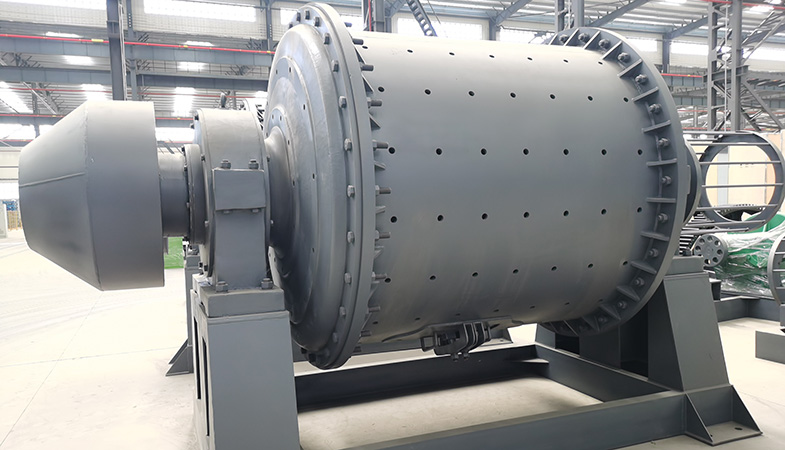
The company’s extensive product portfolio includes MTW Trapezium Grinding Mill, Ball Mill, MTM Medium-Speed Grinding Mill, Raymond Mill, LM Vertical Grinding Mill, LUM Ultrafine Vertical Mill, XZM Ultrafine Grinding Mill, and Hammer Mill. Each system is engineered with specific applications in mind, incorporating advanced features that optimize performance, efficiency, and reliability.
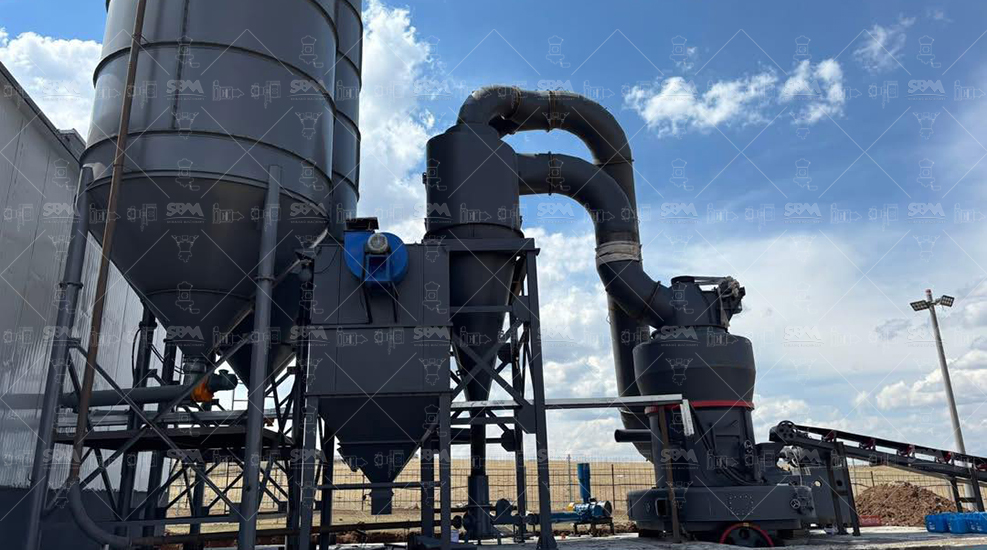
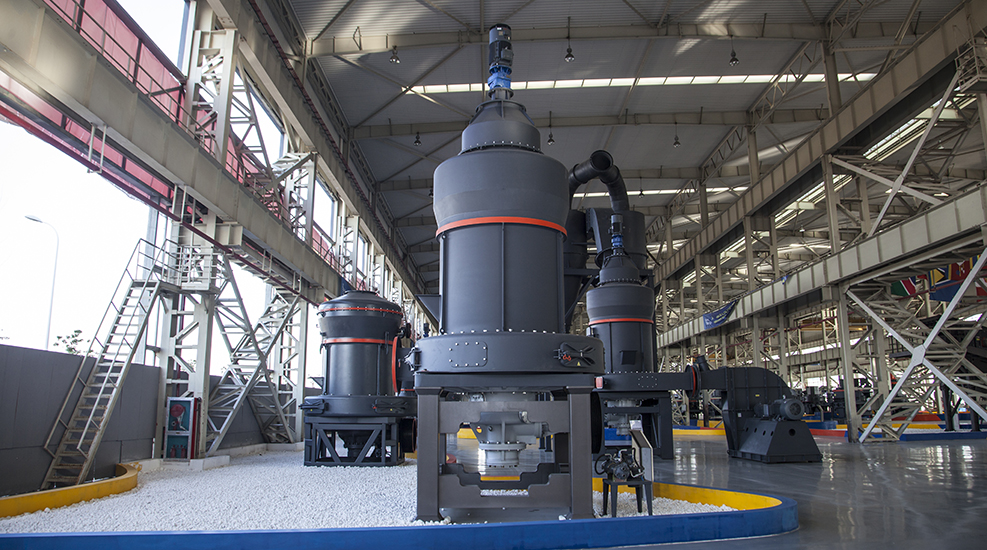
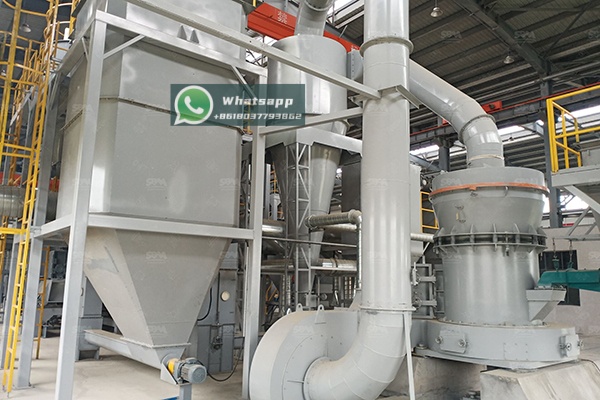
Among Zenith’s comprehensive grinding solutions, the Raymond Mill series stands out as particularly well-suited for aquaculture dolomite production. The Raymond Mill’s operating principle—utilizing spring-loaded grinding rollers that rotate against a stationary grinding ring—creates the ideal mechanical action for producing the controlled particle sizes required for effective pond treatment.
The latest generation Raymond Mills from Zenith incorporate several technological advancements specifically beneficial for dolomite processing:
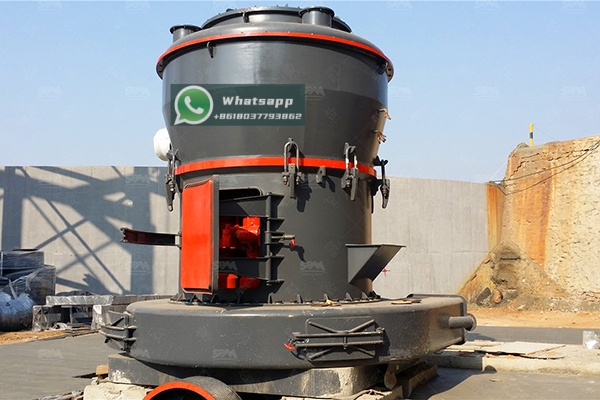
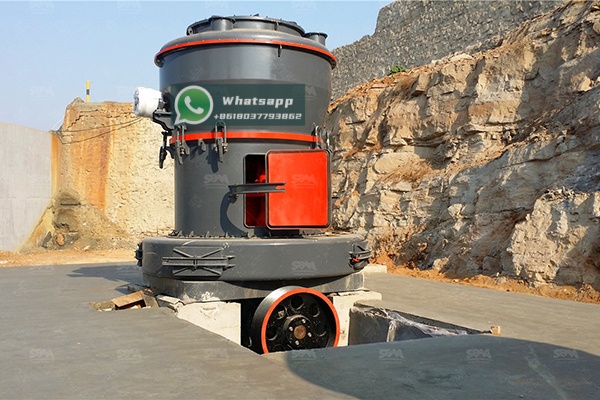
For aquaculture operations requiring consistent, high-quality dolomite powder, Zenith recommends the YGM4121 Raymond Mill. This model combines robust construction with precision engineering to deliver the specific particle characteristics essential for effective pond treatment.
| Parameter | Specification |
|---|---|
| Model | YGM4121 |
| Roller Quantity | 5 pcs |
| Max. Feed Size | 30 mm |
| Discharging Size | 1.6-0.045 mm |
| Capacity | 5-11 t/h |
| Optimal Output for Aquaculture | 150-325 mesh (45-100 microns) |
| Main Motor Power | 132 kW |
The YGM4121’s five-roller configuration provides multiple grinding stages within a single pass, ensuring uniform particle size distribution with minimal oversize or undersize fractions. This is particularly important for aquaculture applications where inconsistent particle sizes can lead to uneven dissolution and treatment performance.
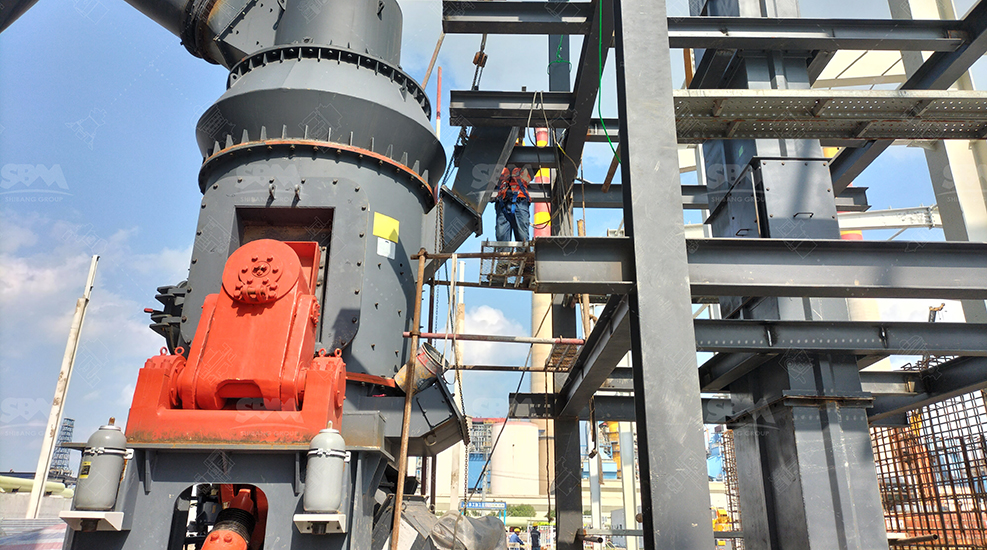
For larger aquaculture operations or dedicated dolomite processing facilities requiring higher throughput, Zenith’s MTW Series Trapezium Grinding Mill offers enhanced capacity while maintaining the precise particle control necessary for aquaculture applications.
| Parameter | Specification |
|---|---|
| Model | MTW215G |
| Max. Feed Size | 50 mm |
| Final Size Range | 1.6-0.045 mm |
| Capacity | 15-45 t/h |
| Main Motor Power | 280 kW |
| Fan Motor Power | 315 kW |
| Special Features | Curved blade design, reduced energy consumption |
The MTW215G incorporates several patented technologies that make it particularly suitable for dolomite processing, including its conical gear transmission system, curved blade design, and efficient internal powder classification. These features collectively contribute to lower energy consumption per ton of processed material while maintaining the strict quality standards required for aquaculture applications.
Implementing Zenith’s grinding technology for aquaculture dolomite production delivers multiple operational advantages:
Consistent Product Quality: The precision classification systems in Zenith mills ensure that each batch meets specified particle size parameters, eliminating the performance variability common with inconsistently ground materials.
Energy Efficiency: Advanced mechanical designs and optimized grinding geometries significantly reduce power consumption compared to conventional grinding systems, lowering operational costs.
Minimal Contamination: Careful selection of wear-resistant materials for grinding components prevents metallic contamination that could compromise dolomite’s safety for aquatic environments.
Operational Flexibility: Easy adjustment of grinding parameters allows operators to fine-tune output characteristics based on specific pond conditions or treatment objectives.
Reduced Maintenance Requirements: Robust construction and accessible component design minimize downtime and maintenance costs, ensuring consistent production availability.
The transition from properly ground dolomite to effective pond treatment involves several critical considerations. Aquaculture operators should adhere to these best practices to maximize the benefits of precision-ground dolomite:
While the initial investment in high-quality grinding equipment represents a significant capital outlay, the long-term economic benefits for aquaculture operations are substantial. Precision-ground dolomite offers multiple economic advantages:
Beyond the direct operational advantages, using properly ground dolomite from advanced milling systems contributes to more sustainable aquaculture practices:
The aquaculture industry’s continued growth and sustainability depend heavily on advancing water treatment technologies and practices. Dolomite, when properly processed using advanced grinding systems like Shanghai Zenith’s Raymond Mills, represents a cornerstone of effective, economical, and environmentally responsible pond management. The precise particle control achievable with modern grinding technology transforms this abundant mineral into a highly targeted treatment solution that addresses multiple water quality challenges simultaneously.
As aquaculture operations continue to intensify and environmental regulations become more stringent, the importance of consistent, high-quality treatment materials will only increase. Investing in proper dolomite processing technology is not merely an operational consideration but a strategic decision that directly impacts productivity, profitability, and environmental compliance. Shanghai Zenith Machinery’s grinding solutions, particularly the YGM4121 Raymond Mill and MTW215G Trapezium Grinding Mill, provide aquaculture operators with the technological foundation to meet these evolving challenges while positioning their operations for sustainable long-term success.
The integration of advanced grinding technology with scientifically sound application practices creates a powerful synergy that benefits both aquaculture productivity and environmental stewardship. As the industry moves forward, this combination of technological innovation and practical application knowledge will be essential for meeting the world’s growing demand for aquaculture products while maintaining the health and sustainability of aquatic ecosystems.