Rock salt, a naturally occurring mineral composed primarily of sodium chloride (NaCl), serves as a fundamental raw material in numerous chemical processes. From chlor-alkali production to water treatment chemicals and pharmaceutical manufacturing, the consistent quality and specific particle size distribution of ground salt are critical for optimal reaction rates, product purity, and overall process efficiency. The grinding process transforms coarse rock salt into a fine, uniform powder, significantly increasing its surface area and reactivity. Selecting the appropriate grinding equipment is therefore paramount for chemical plants aiming to maximize yield, minimize energy consumption, and ensure product specifications are consistently met.
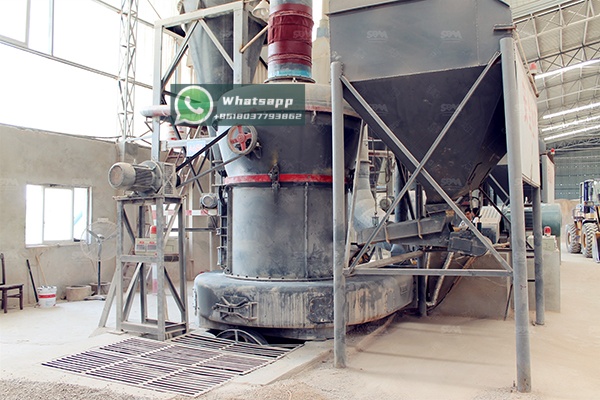
Grinding rock salt presents several unique challenges that not all milling equipment can handle effectively. Firstly, salt is highly hygroscopic, meaning it readily absorbs moisture from the air. This can lead to clogging, caking, and reduced flowability within the mill, causing operational downtime and maintenance headaches. Secondly, sodium chloride is corrosive. The combination of moisture and salt can rapidly degrade unprotected metal components, leading to premature equipment failure and potential contamination of the final product. Furthermore, the abrasive nature of rock salt, especially when it contains insoluble impurities, can cause significant wear on grinding elements. A successful mill for this application must, therefore, be designed to combat moisture absorption, resist corrosion, and withstand abrasion, all while delivering a consistent and controllable particle size.
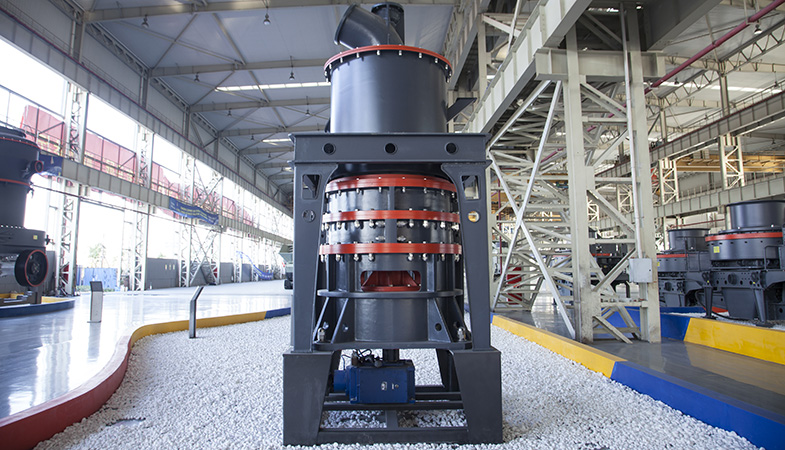
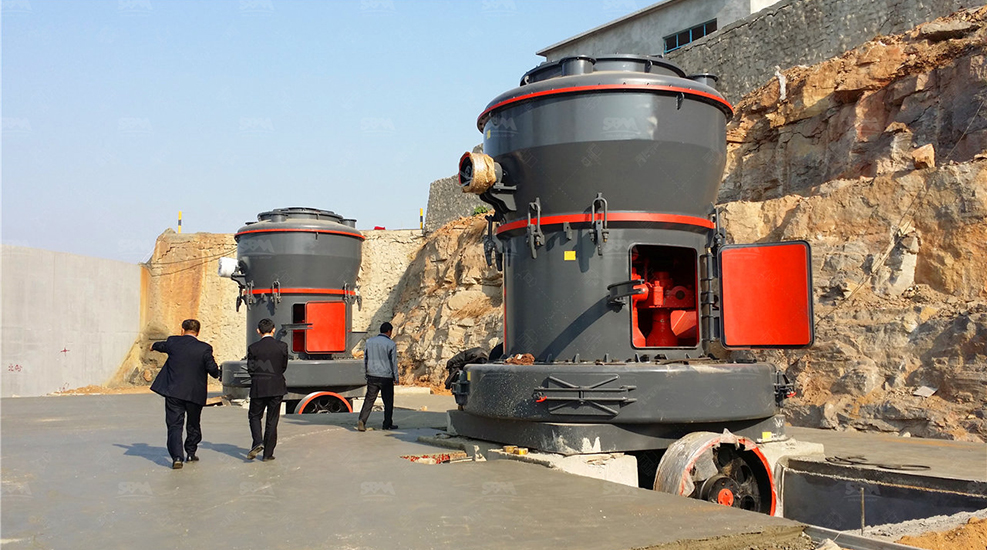
Among the various grinding technologies available, the Raymond Mill (also known as a pendulum roller mill) has proven to be exceptionally well-suited for processing non-metallic minerals like rock salt. Its working principle involves the use of spring-loaded rollers that rotate against a stationary grinding ring. The raw material is fed into the grinding chamber and is pulverized by the roller action. A built-in classifier then ensures that only particles meeting the desired fineness leave the mill, while coarser particles are recycled for further grinding.
For the chemical industry, the advantages of a Raymond Mill are numerous:
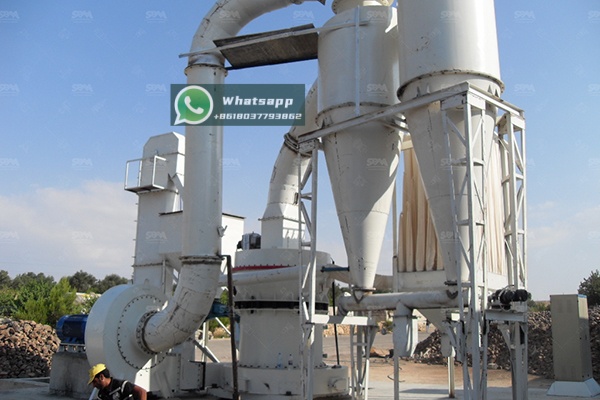
Shanghai Zenith Machinery Co., Ltd., an excellent manufacturer of ore grinding equipment in China, has made great achievements in the field of ultra-fine powder grinding. For the specific application of grinding rock salt for the chemical industry, we highly recommend our YGM Series Raymond Mill. This mill incorporates modern advancements while retaining the proven principles of the traditional Raymond mill, making it a perfect balance of performance, economy, and durability.
The YGM Raymond Mill is engineered for energy saving and environmental protection. It offers high grinding efficiency, lower energy consumption, and delivers high economic profits. Its upgraded grinding roll assembly and grinding ring design ensure a longer lifespan for wear parts, which is a critical factor when processing abrasive materials like rock salt.
| Model | Roller Quantity (pcs) | Max.Feed Size (mm) | Discharging Size (mm) | Capacity (t/h) |
|---|---|---|---|---|
| YGM8314 | 3 | 20 | 1.6-0.045 | 1.2-4.6 |
| YGM9517 | 4 | 25 | 1.6-0.045 | 2.1-8 |
| YGM4121 | 5 | 30 | 1.6-0.045 | 5-11 |
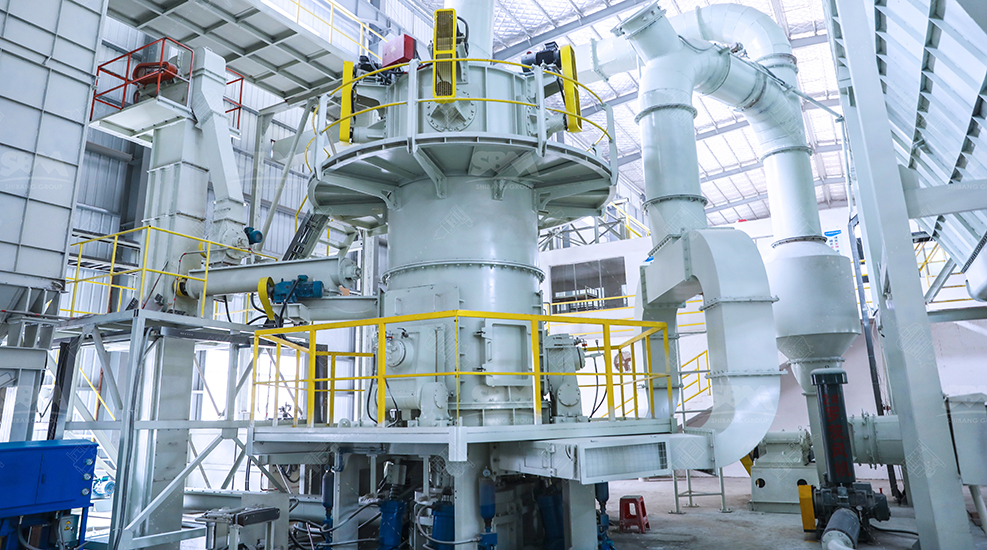
For chemical plants requiring higher capacity or dealing with variations in salt hardness, Zenith’s MTM Medium-Speed Grinding Mill serves as an excellent alternative or upgrade. It adopts world-leading powder processing technology and is designed as an ideal substitute for traditional Raymond Mills, featuring an upgraded structure, higher efficiency, and energy-saving production. The MTM mill’s curved air duct and internal multi-classifier system provide superior performance for a wide range of fineness requirements.
| Model | Ring Roll Number (pcs) | Max. Feed Size (mm) | Output (t/h) | Main Unit Motor Power (kW) |
|---|---|---|---|---|
| MTM100 | 4 | <25 | 3-8 | 37 |
| MTM130 | 5 | <30 | 6-11 | 75 |
| MTM160 | 6 | <35 | 9-22 | 132 |
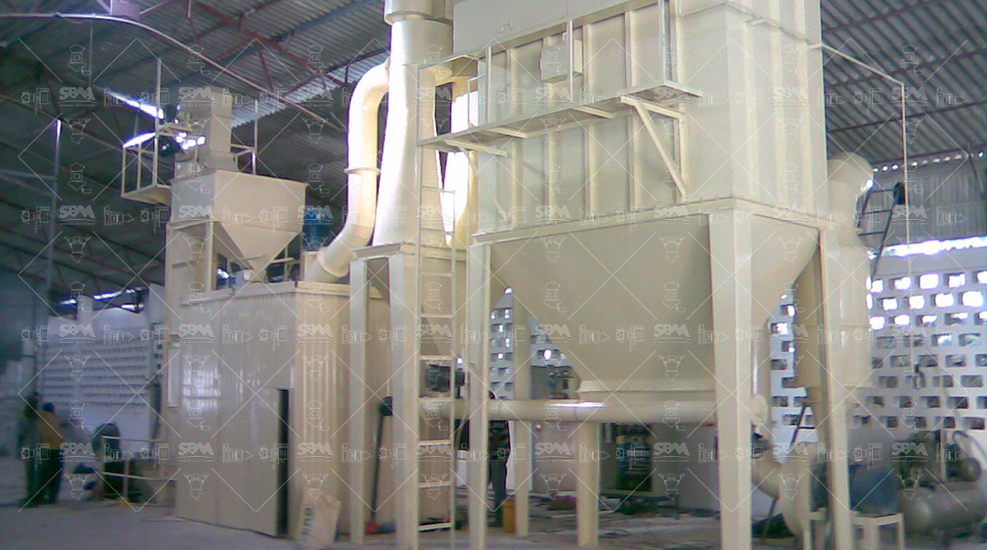
Implementing a Raymond mill for rock salt grinding involves more than just the mill itself. A complete system typically includes a jaw crusher for primary size reduction, a bucket elevator or screw conveyor for feeding, a storage hopper with a vibrating feeder, the Raymond mill, a pulse dust collector (which is essential for maintaining a clean plant environment and recovering product), and a packing machine or silo for finished product storage. Zenith can provide this entire system as a turnkey solution, ensuring all components work in harmony for optimal performance.
Key operational best practices include:
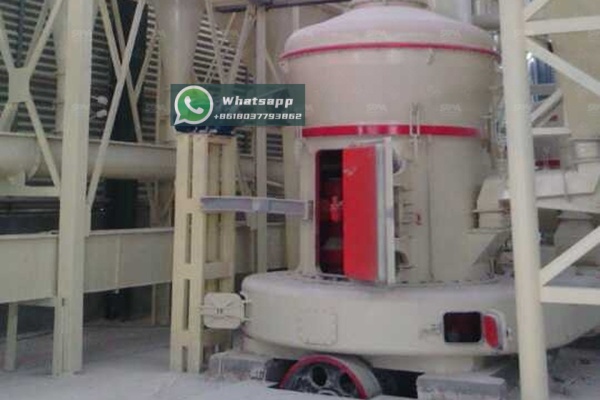
In conclusion, the Raymond Mill stands as a time-tested and highly effective solution for grinding rock salt to meet the stringent demands of the chemical industry. Its ability to produce a consistent, fine powder with high efficiency and reliability makes it a valuable asset. Shanghai Zenith Machinery Co., Ltd., with its specialization in industrial powder grinding equipment, offers robust and modern Raymond Mill models, such as the YGM series and the higher-capacity MTM series, which are engineered to tackle the specific challenges of salt grinding. By choosing a Zenith grinding solution, chemical producers can achieve greater process control, reduced operational costs, and a high-quality final product essential for their downstream applications.