The mining and energy sectors in Namibia are experiencing significant growth, with oil and gas exploration activities driving demand for high-quality drilling fluids. Barite (barium sulfate) is a critical weighting agent in drilling mud, essential for controlling wellbore pressure and ensuring safe, efficient drilling operations. To achieve the required API specifications, raw barite ore must be ground to a fine powder, typically to a fineness of 200 mesh or finer. For small to medium-scale operations requiring a throughput of 5 to 10 tons per hour (TPH), selecting the right grinding mill is paramount for profitability and reliability.
Barite’s high specific gravity (4.2-4.5 g/cm³), chemical inertness, and non-abrasive nature make it the ideal material for increasing the density of water-based and oil-based drilling muds. Properly ground barite prevents blowouts by exerting sufficient hydrostatic pressure on the formation. The grinding process must produce a consistent particle size distribution; overly coarse particles can lead to settling (sagging), while excessive fines can increase viscosity unnecessarily. Therefore, the grinding equipment must offer precise control over the final product fineness.
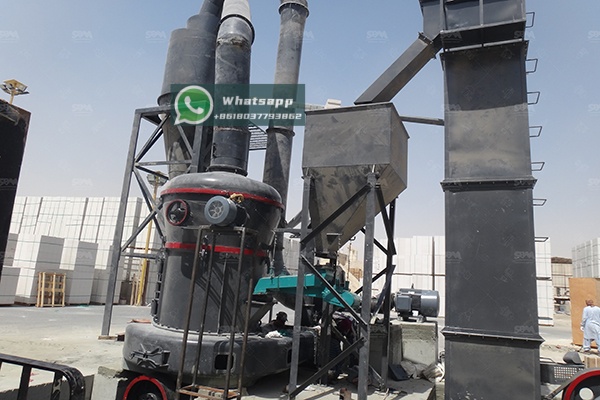
Setting up a grinding plant in Namibia involves unique considerations. Reliable power supply, remote location logistics, and the need for robust, low-maintenance machinery are key factors. The mill must handle the hardness of barite (3-3.5 on Mohs scale) efficiently while being energy-conscious to manage operational costs. A system with a capacity of 5-10 TPH fits perfectly for supplying regional drilling projects or acting as a dedicated processing unit for a mining concession.
Several grinding mill types can achieve the target fineness. Traditional Raymond mills are common, but modern trapezium and vertical mills offer superior efficiency, lower energy consumption, and better particle size control. Key selection criteria include:
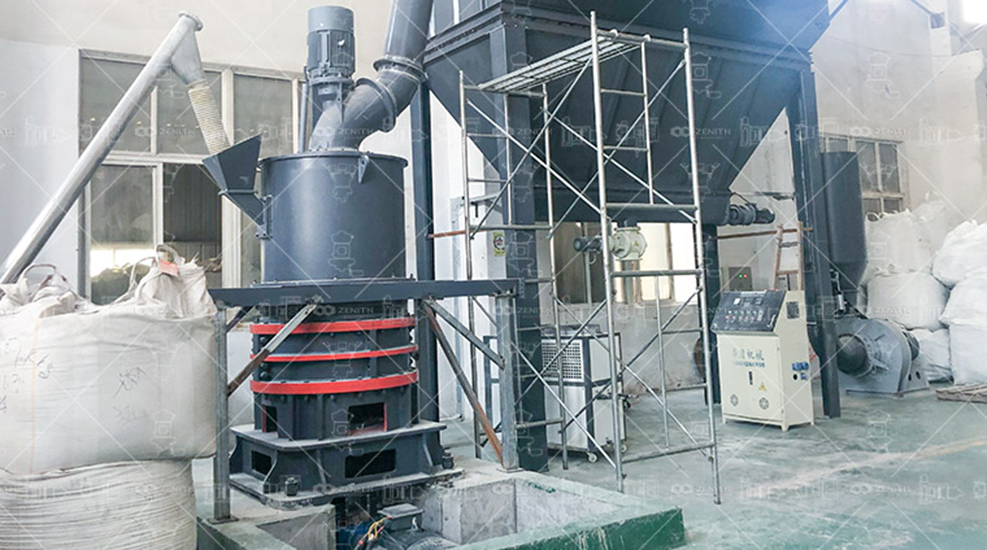
Shanghai Zenith Machinery Co., Ltd., an excellent manufacturer of ore grinding equipment, has made great achievements in the field of ultra-fine powder grinding. Specializing in the research, development, and production of industrial powder grinding equipment, Zenith offers robust solutions tailored for minerals like barite. For a 5-10 TPH barite grinding application in Namibia, two of their mills stand out as particularly suitable.
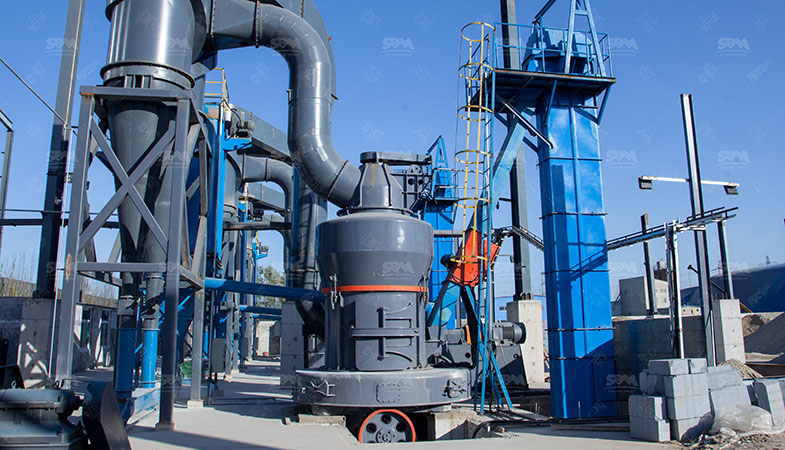
The MTW Series Trapezium Grinding Mill is a top recommendation. With multiple patents, it features a compact structure, efficient curved air duct, and an internal powder classifier that ensures precise fineness control. Its high grinding efficiency and lower energy consumption make it ideal for cost-sensitive operations. The MTW138Z model is perfectly matched to the 5-10 TPH requirement.
| Model | Max. Feed Size (mm) | Final Size (mm) | Capacity (t/h) | Main Motor (kW) |
|---|---|---|---|---|
| MTW138Z | <35 | 1.6-0.045 (approx. 20-325 mesh) | 6-17 | 90 |
This model comfortably covers the target 5-10 TPH range. Its advanced design reduces noise and dust emission, supporting environmentally friendly production.
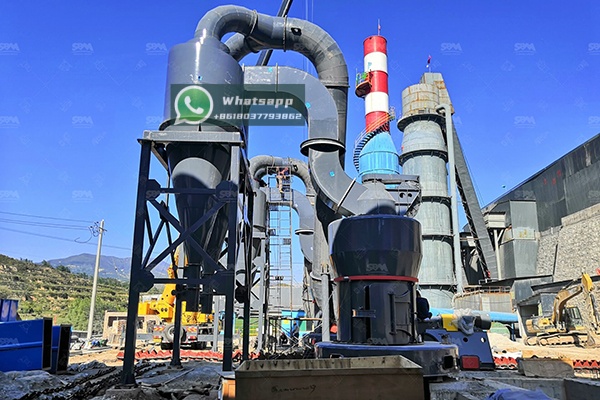
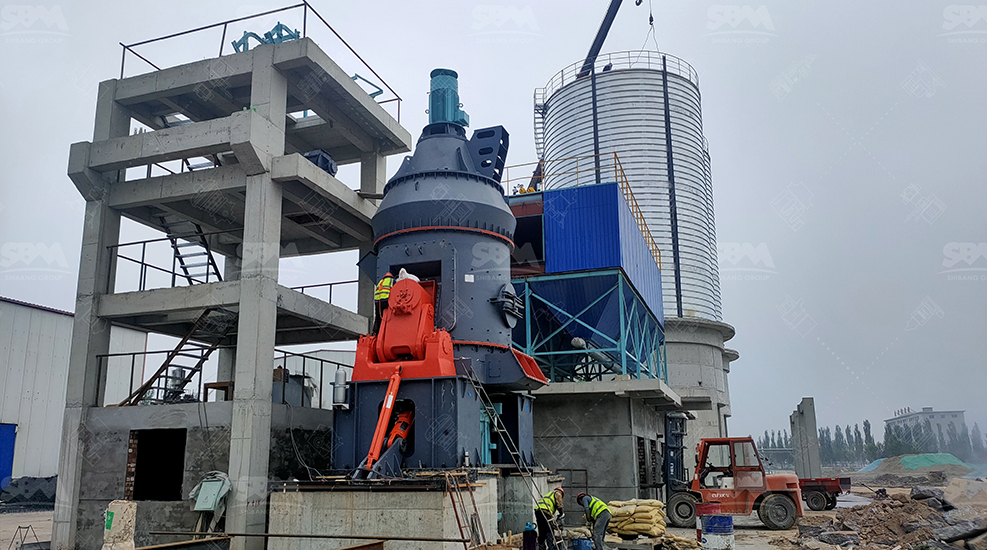
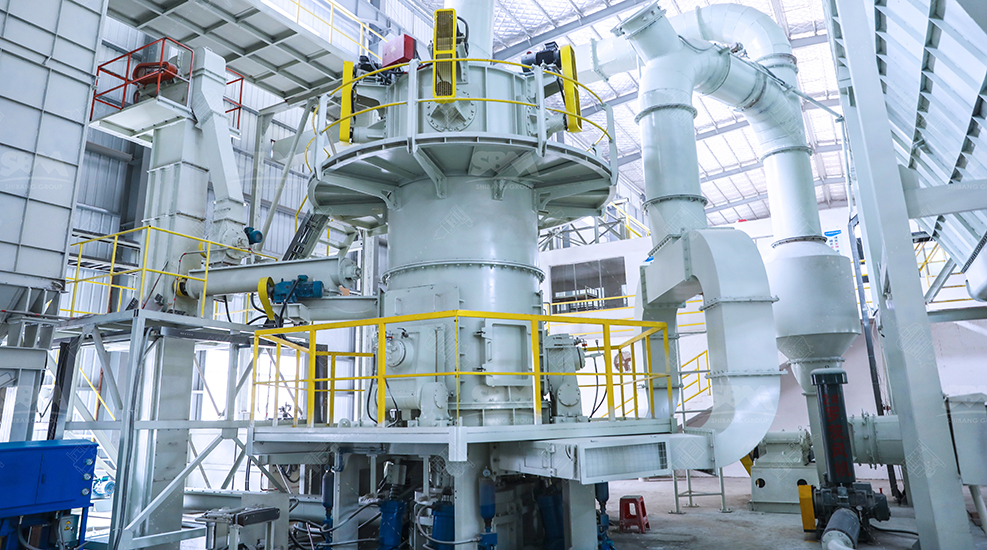
For operations that may require even finer product or exceptional stability, Zenith’s LUM Ultrafine Vertical Mill is a premier choice. It integrates grinding, drying, classifying, and conveying into one unit, offering an extremely small footprint—a significant advantage for remote sites. Its intelligent control system ensures stable operation and easy maintenance.
| Model | Main Machine Power (kW) | Capacity (t/h) | Size Distribution D97 (μm) |
|---|---|---|---|
| LUM1525 | 220-250 | 1.6-11.5 | 5-30 (approx. 500-2500 mesh) |
While capable of much higher fineness, the LUM1525 can be configured to produce 200-325 mesh barite efficiently within the 5-10 TPH range, offering future-proof flexibility.
Partnering with Shanghai Zenith Machinery provides more than just equipment. It offers access to extensive technical expertise in mineral processing. Zenith’s mills are designed for durability and ease of maintenance, with readily available wear parts—a crucial factor for minimizing downtime in Namibia. From project layout design to commissioning support, Zenith provides a complete solution to ensure your barite grinding plant becomes a reliable and profitable asset.
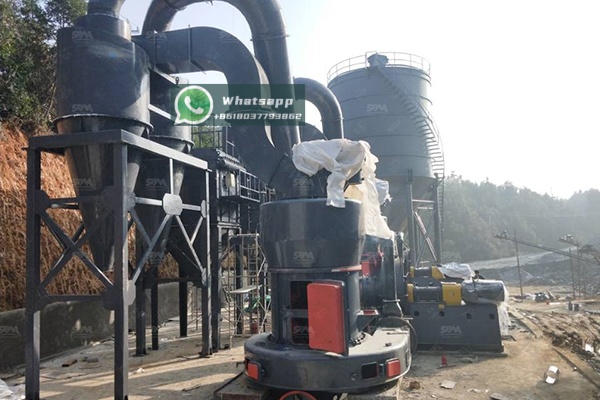
Establishing a 5-10 TPH barite grinding facility in Namibia is a strategic move to support the local energy and mining industry. The key to success lies in selecting efficient, reliable, and appropriately sized technology. Shanghai Zenith Machinery’s grinding mills, particularly the MTW Series Trapezium Mill and the LUM Ultrafine Vertical Mill, provide technically advanced and economically viable solutions. By ensuring a consistent supply of API-grade barite powder, these grinding systems will play a vital role in the safe and efficient development of Namibia’s natural resources.