Barite (barium sulfate, BaSO₄) is a critical weighting agent used in drilling muds for oil and gas exploration. Its high specific gravity (4.1–4.2 g/cm³) helps control formation pressures, prevent blowouts, and stabilize wellbores. In Oman, a major hydrocarbon producer in the Middle East, the demand for high-quality barite powder — typically ground to 200 mesh (75 microns) or finer — has grown steadily with the expansion of drilling operations in the Rub’ al Khali desert and offshore fields. To meet this demand, efficient and reliable grinding mills are essential, particularly for small- to medium-scale operators requiring a capacity range of 3–5 tons per hour (tph).
Shanghai Zenith Machinery Co., Ltd. (Zenith), a leading Chinese manufacturer of ore grinding equipment, offers a comprehensive range of mills suitable for barite processing. With decades of experience in ultra-fine powder grinding technology, Zenith’s machines are engineered for high throughput, energy efficiency, and consistent product quality. This article explores the selection of an appropriate barite grinding mill for Oman’s drilling mud market, focusing on the 3–5 tph requirement, and recommends two of Zenith’s most suitable models.
Drilling mud, or drilling fluid, serves multiple functions: cooling the drill bit, carrying cuttings to the surface, and maintaining hydrostatic pressure to prevent the influx of formation fluids. Barite is added to increase the density of the mud without significantly affecting its viscosity. The American Petroleum Institute (API) specifies that barite used for drilling must have a specific gravity of at least 4.2 and a particle size distribution where at least 97% passes through a 75-micron (200 mesh) screen. Achieving this fineness requires a well-designed grinding circuit that can handle the abrasive nature of barite (Mohs hardness 3–3.5) while minimizing wear and energy consumption.
Oman has a well-established oil and gas sector, with companies like Petroleum Development Oman (PDO) and international operators running extensive drilling campaigns. Local barite deposits exist in the Al-Awafi and Dhofar regions, but much of the barite is imported or processed from raw ore. The 3–5 tph capacity segment is particularly relevant for small- to medium-sized grinding plants that supply mud additives to multiple drilling sites. Key challenges in Oman include high ambient temperatures, limited water availability (dry grinding is preferred), and the need for compact, low-maintenance equipment that can operate in remote desert conditions. Zenith’s mills are designed with these factors in mind, featuring sturdy construction, advanced dust collection systems, and automatic control.
Additionally, the Omani government’s “In-Country Value” initiative encourages local processing of minerals, making barite grinding an attractive investment. Selecting a mill that offers low operational cost, easy maintenance, and consistent fineness is crucial for profitability.
To produce barite powder meeting API specifications at 3–5 tph, the grinding mill must have the following characteristics:
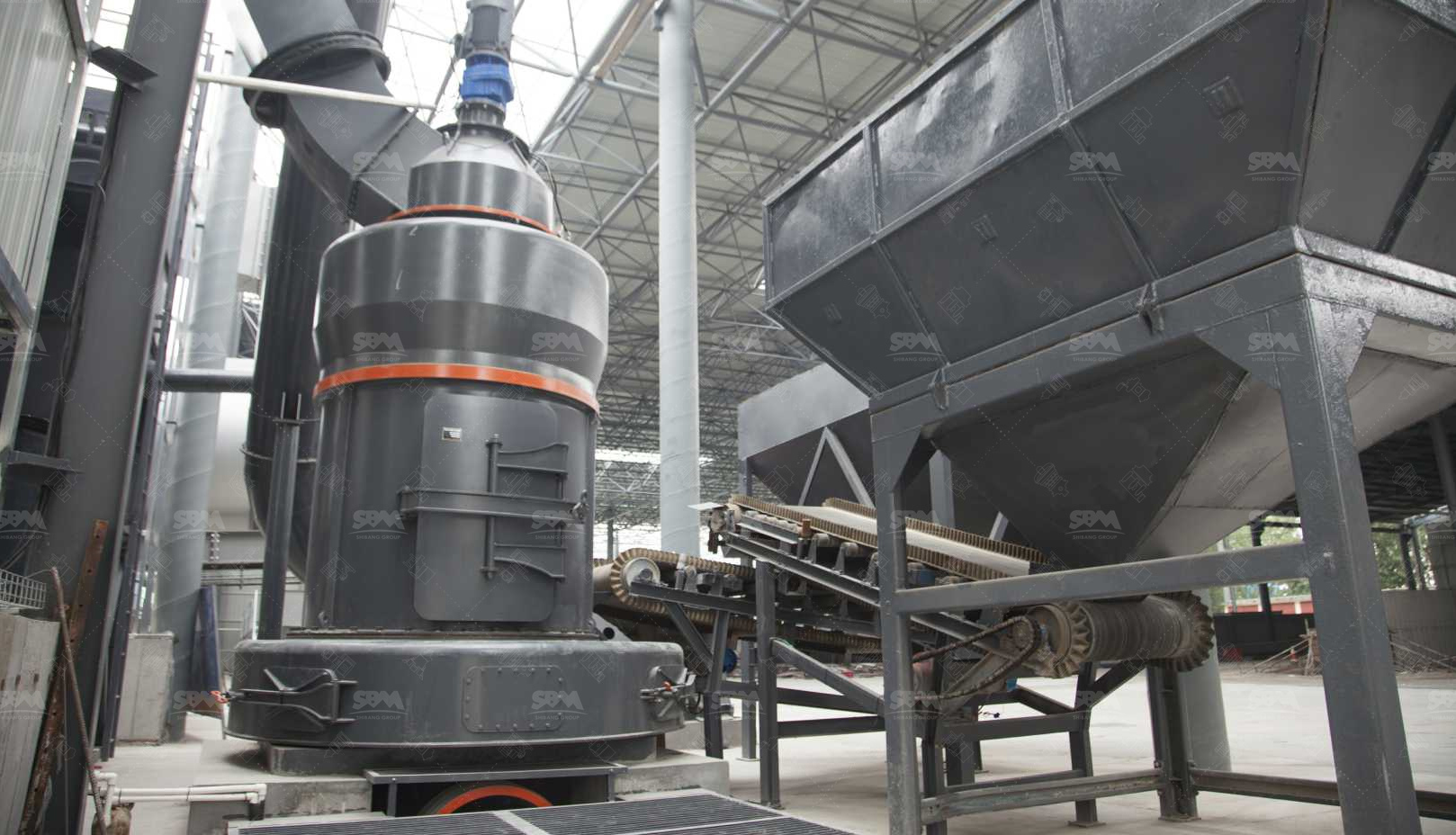
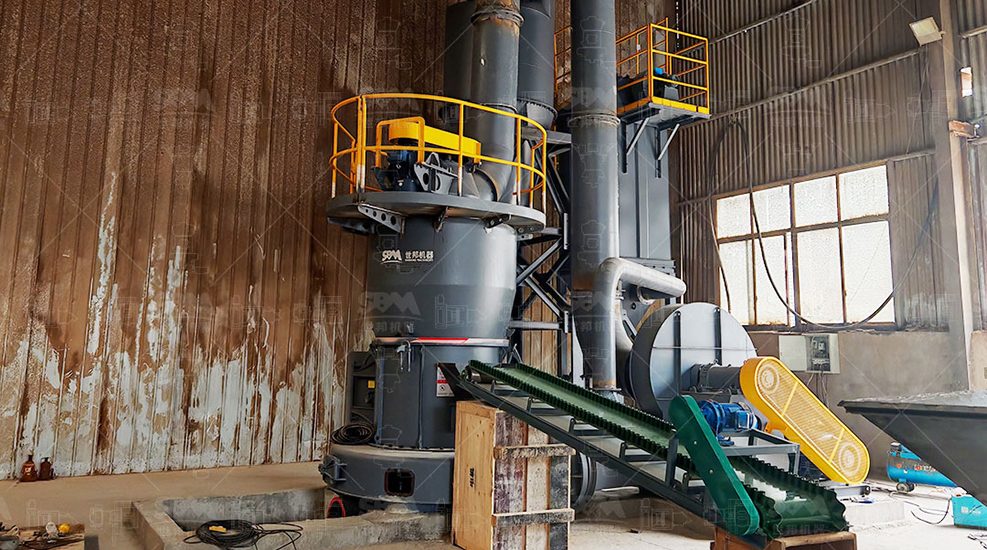
Zenith’s product portfolio includes several mill types that can achieve these requirements, but two models stand out for the 3–5 tph range: the MTW110 Trapezium Grinding Mill and the MTM100 Medium-Speed Grinding Mill. Both are widely used in barite applications across the Middle East and have proven reliability.
The MTW series is a patent-protected trapezium mill known for its compact design, long service life, and eco-friendly operation. The MTW110 model offers a capacity range of 3–9 t/h, making it ideal for the 3–5 tph target. It features a curved shovel, a self-cleaning centrifugal classifier, and a sealing system that prevents dust leakage. For barite grinding, the mill can be equipped with high-chrome grinding rollers and rings to extend wear life. The following table summarizes its key parameters:
| Parameter | Value |
|---|---|
| Model | MTW110 |
| Max. Feed Size (mm) | < 30 |
| Final Product Size (mm) | 1.6 – 0.045 (10–325 mesh) |
| Capacity (t/h) | 3 – 9 |
| Main Motor Power (kW) | 55 |
| Fan Motor Power (kW) | 55 |
| Classifier Speed (r/min) | Variable (adjustable) |
| Overall Dimensions (L×W×H, mm) | 6500×3500×6000 |
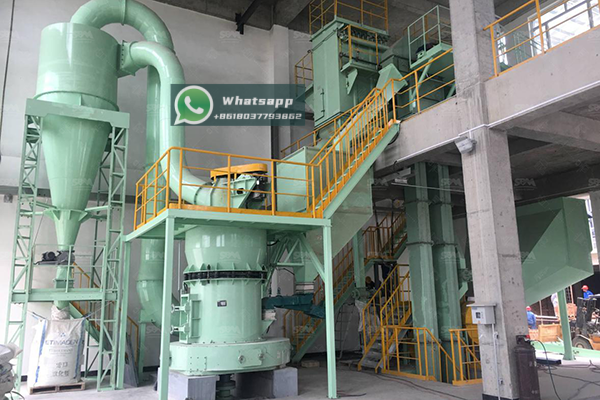
With its trapezoidal grinding ring and roller design, the MTW110 achieves higher grinding efficiency and lower energy consumption compared to traditional Raymond mills. The built-in classifier can easily adjust fineness between 80 and 325 mesh, meeting API 200 mesh requirements. For a 3–5 tph barite plant in Oman, this mill offers excellent value with minimal maintenance downtime.
The MTM series is an advanced version of the traditional Raymond mill, incorporating high-pressure springs and a self-locking structure for improved stability. The MTM100 model has a capacity of 3–8 t/h and is particularly suitable for barite due to its heavy-duty roller assembly and abrasion-resistant materials. Its technical specifications are shown below:
| Parameter | Value |
|---|---|
| Model | MTM100 |
| Number of Ring Rolls (pcs) | 4 |
| Max. Feed Size (mm) | < 25 |
| Product Fineness (mm) | 1.6 – 0.045 (10–325 mesh) |
| Capacity (t/h) | 3 – 8 |
| Main Unit Motor Power (kW) | 37 |
| Overall Dimensions (L×W×H, mm) | 7100×5900×7900 |
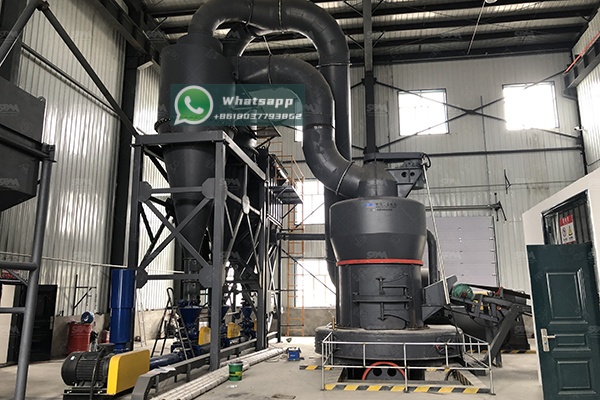
The MTM100 uses a shovel and grinding roller system that pressurizes material against the grinding ring. It features a high-efficiency classifier and a pulse dust collector, making it suitable for dry grinding in arid climates like Oman. The lower main motor power (37 kW) compared to MTW110 helps reduce electricity costs, which is a significant advantage for operators in remote areas where power may be expensive or generated by diesel generators.
Both mills can achieve the required 3–5 tph capacity and 200 mesh fineness for drilling mud barite. The choice between MTW110 and MTM100 depends on specific site conditions:
Zenith also offers a complete package including feeders, conveyors, bucket elevators, and control panels, ensuring turnkey installation for the client.
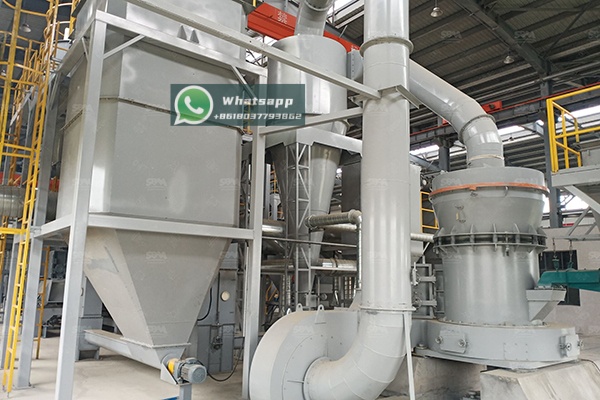
Shanghai Zenith Machinery Co., Ltd. is not just a manufacturer; it provides comprehensive after-sales support, including spare parts supply, technical training, and on-site commissioning. Zenists have extensive experience in the Middle East, with numerous barite grinding installations in Saudi Arabia, UAE, and Iran. For Oman, the company can customize the mill’s electrical components to match local standards (e.g., 50 Hz / 415 V) and integrate remote monitoring for desert operations. Furthermore, the mills are designed to operate continuously with minimal supervision, reducing labor costs.
For barite grinding in Oman’s drilling mud sector at a capacity of 3–5 tph, the MTW110 and MTM100 mills from Zenith represent the most cost-effective and reliable solutions. They combine high efficiency, low energy consumption, and robust construction to withstand harsh conditions. Whether you prioritize compact size, lower power, or larger feed size, Zenith has a proven mill for your project. Investing in these machines ensures consistent production of API-grade barite powder, supporting Oman’s growing oil and gas industry.
Contact Zenith today for a customized quotation and feasibility study tailored to your specific ore characteristics and site requirements.