In the rapidly evolving industrial landscape of Ethiopia, the demand for high-quality plastic fillers is on the rise, driven by growth in packaging, construction, and automotive sectors. Barite (barium sulfate), a naturally occurring mineral with high density, chemical inertness, and white color, has emerged as a critical filler material for plastics, enhancing properties such as stiffness, weight, and UV resistance. To meet the stringent quality standards, barite must be ground to a precise fineness, typically 150 mesh (approximately 100 microns), ensuring optimal dispersion and performance in polymer matrices. This article explores the technical requirements for barite grinding in Ethiopia and highlights advanced grinding solutions from Shanghai Zenith Machinery Co., Ltd., a leading manufacturer of ore grinding equipment renowned for its achievements in ultra-fine powder processing.
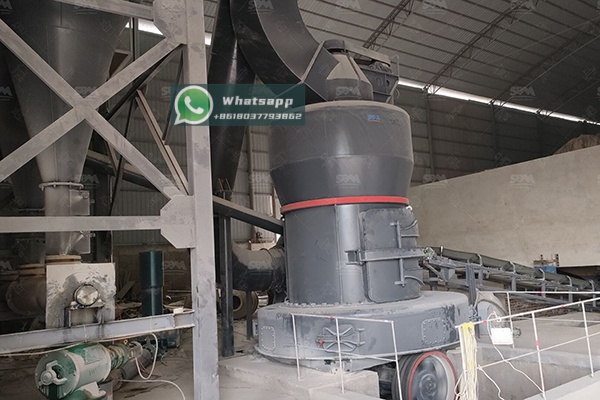
Barite serves as a functional filler in plastics, offering several advantages: it improves density for sound dampening, increases rigidity without compromising impact strength, and provides a bright white hue for aesthetic applications. In Ethiopia, where local mineral resources like barite are abundant, leveraging this material for plastic production can reduce import dependency and foster industrial self-sufficiency. However, the effectiveness of barite as a filler hinges on its particle size distribution. A fineness of 150 mesh is often specified because it balances surface area, flowability, and reinforcement. Particles that are too coarse may cause defects in plastic products, while excessively fine powders can lead to agglomeration and processing challenges. Thus, selecting the right grinding mill is paramount to achieve consistent 150 mesh output while maintaining efficiency and cost-effectiveness.
Grinding barite to 150 mesh involves reducing raw ore (typically with a feed size of up to 50mm) into fine powder with a top particle size of about 100 microns. The process demands equipment with precise classification, energy-efficient operation, and minimal contamination. Key considerations include:
Shanghai Zenith Machinery specializes in addressing these needs through a portfolio of advanced grinding mills, backed by years of research and development in ultra-fine powder technology.
For barite grinding to 150 mesh in Ethiopia, two standout products from Zenith are particularly suitable: the XZM Ultrafine Grinding Mill and the MTW Trapezium Grinding Mill. Both offer robust performance, flexibility, and ease of operation, tailored to the demands of plastic filler production.
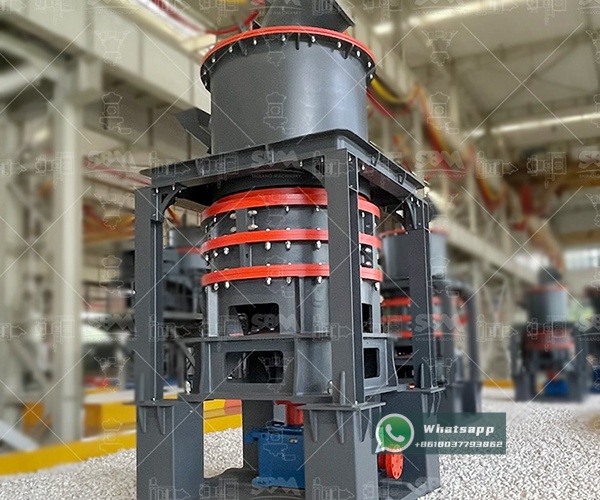
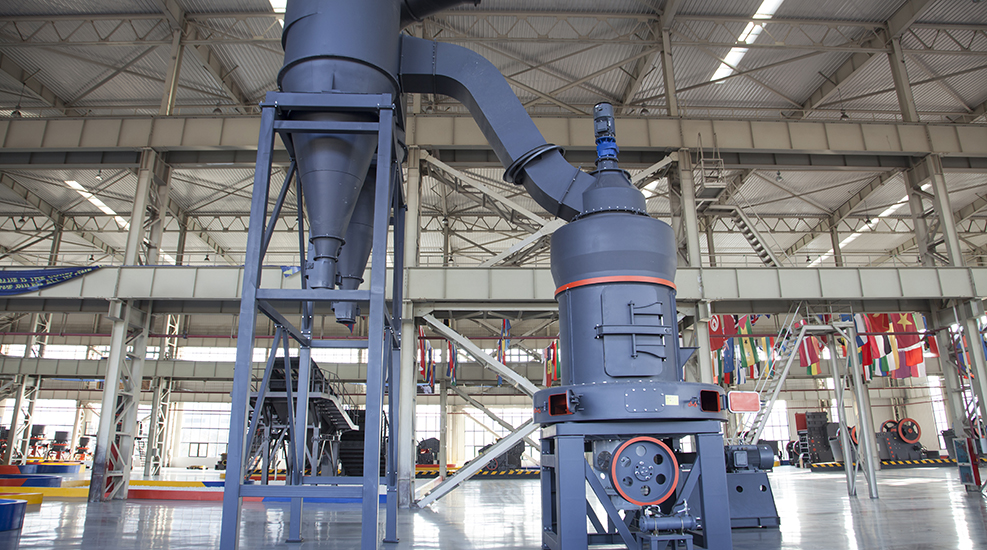
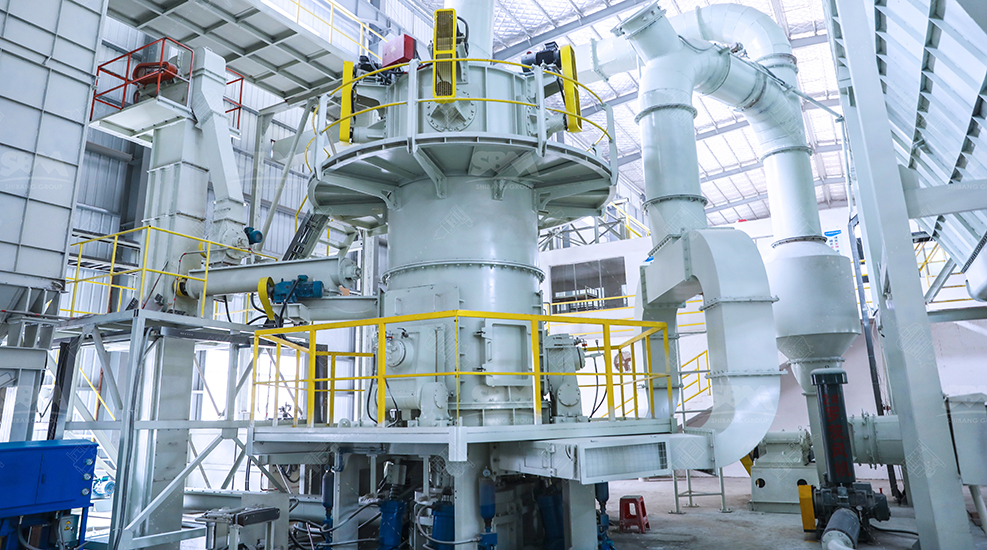
The XZM Ultrafine Grinding Mill is engineered for superfine powder production, making it an excellent choice for achieving 150 mesh barite filler. Its design incorporates a high-efficiency classifier, grinding chamber, and cyclone collector, ensuring uniform particle size distribution. The mill can handle materials with moisture content below 6% and is capable of producing powder from 325 to 2500 mesh, offering ample flexibility for future upgrades to finer grades. For Ethiopian applications, the XZM series provides reliable output with low maintenance, thanks to its durable components and intelligent control system. Below are the technical parameters for key models:
| Model | Working Diameter (mm) | Max Feed Size (mm) | Final Size (mesh) | Output (kg/h) | Main Motor Power (kW) |
|---|---|---|---|---|---|
| XZM221 | Φ800 | ≤20 | 325-2500 | 500-4500 | 75 |
| XZM268 | Φ1680 | ≤20 | 325-2500 | 5000-25000 | 315 |
The XZM221 model, with an output of 500-4500 kg/h, is suitable for small to medium-scale operations in Ethiopia, while the XZM268 caters to larger production needs. Both ensure barite powder meets 150 mesh specifications with high purity and consistency.
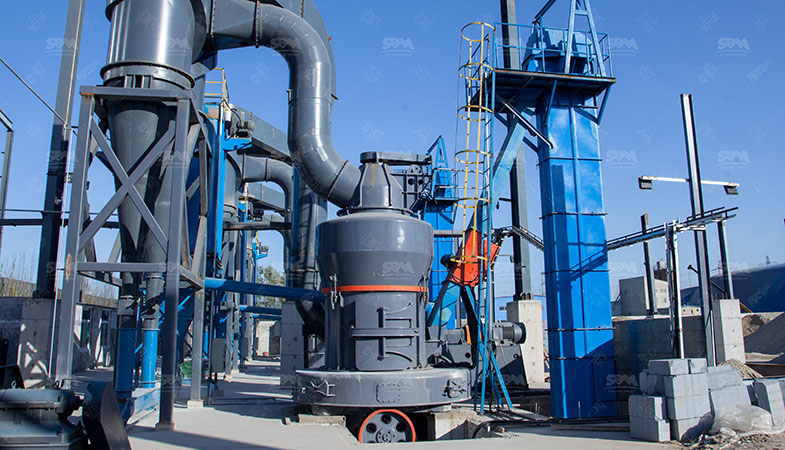
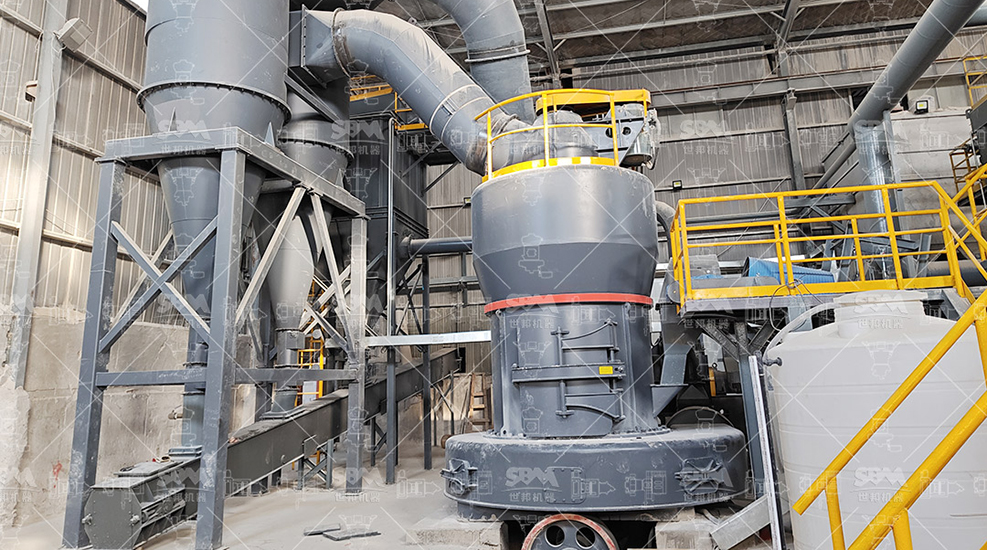
For operations that prioritize high capacity and eco-friendly design, the MTW Trapezium Grinding Mill is a top contender. It features multiple patents, including a curved blade design and internal powder selection system, which enhance grinding efficiency and reduce energy consumption. The mill can process barite with a feed size up to 50mm and produce fineness from 1.6mm to 0.045mm (approximately 30-325 mesh), easily covering the 150 mesh target. Its compact structure and long service life make it ideal for Ethiopian industrial settings, where durability and low operational costs are key. Here are the parameters for select MTW models:
| Model | Max. Feed Size (mm) | Final Size (mm) | Capacity (t/h) | Main Motor (kW) | Fan Motor (kW) |
|---|---|---|---|---|---|
| MTW110 | <30 | 1.6-0.045 | 3-9 | 55 | 55 |
| MTW138Z | <35 | 1.6-0.045 | 6-17 | 90 | 110 |
| MTW215G | <50 | 1.6-0.045 | 15-45 | 280 | 315 |
The MTW215G, with a capacity of 15-45 t/h, is well-suited for large-scale barite processing plants in Ethiopia, offering high throughput while maintaining 150 mesh fineness through adjustable settings.
Shanghai Zenith Machinery’s mills are designed with cutting-edge technology to address specific challenges in barite grinding. Key benefits include:
Moreover, Zenith offers comprehensive after-sales services, including installation guidance, operator training, and spare parts supply, ensuring smooth operation in Ethiopian plants.
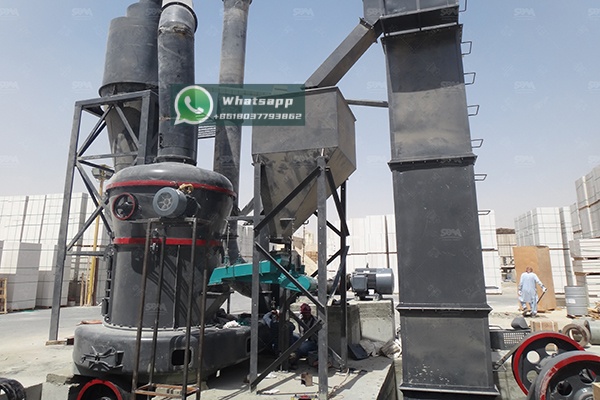
Ethiopia’s growing manufacturing sector presents unique opportunities for barite-based plastic fillers, but challenges such as infrastructure gaps, fluctuating power supply, and skilled labor shortages must be addressed. Zenith’s grinding mills provide practical solutions:
Case studies from similar regions demonstrate that adopting Zenith equipment can boost productivity by up to 30% while reducing operational costs, making it a viable investment for Ethiopian enterprises aiming to compete in the global plastics market.
Grinding barite to 150 mesh for plastic filler applications in Ethiopia requires precision, efficiency, and reliability. Shanghai Zenith Machinery Co., Ltd., with its expertise in ultra-fine powder grinding, offers ideal solutions through products like the XZM Ultrafine Grinding Mill and MTW Trapezium Grinding Mill. These mills not only meet the technical specifications for 150 mesh fineness but also provide energy savings, environmental benefits, and adaptability to local conditions. By leveraging Zenith’s advanced technology, Ethiopian industries can enhance their plastic filler production, contribute to economic growth, and capitalize on domestic mineral resources. For more information on selecting the right mill for your needs, consult Zenith’s technical team to explore customized options tailored to Ethiopia’s unique industrial landscape.