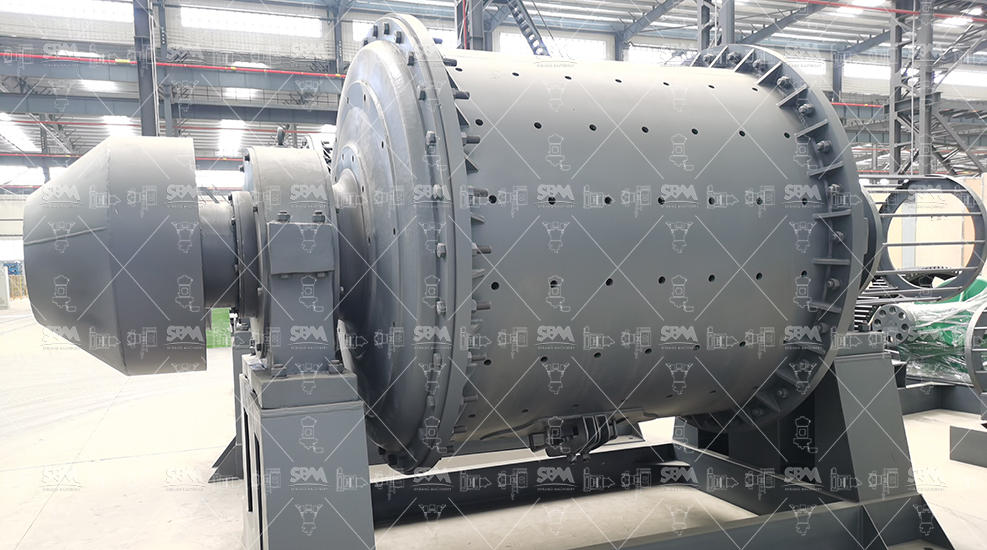
Kenya’s industrial sector, particularly its foundry and construction industries, is experiencing significant growth. A critical component in metal casting processes is high-quality casting sand, which serves as the mold material. Basalt, a common volcanic rock found abundantly in Kenya, possesses excellent properties such as high refractoriness, thermal stability, and mechanical strength, making it an ideal raw material for producing premium casting sand. However, transforming raw basalt into uniformly graded, fine sand suitable for precision casting requires specialized and efficient grinding technology. This article explores the technical requirements for a 10-20 tons per hour (TPH) basalt grinding plant in Kenya and presents optimal machinery solutions.
Grinding basalt for foundry applications is not a trivial task. Basalt is a hard, abrasive, and dense igneous rock with a Mohs hardness typically ranging from 5 to 7. This presents several challenges:
For a 10-20 TPH basalt sand production line, several grinding mill types could be considered. The choice hinges on the balance between capital expenditure, operating costs, final product fineness, and system complexity.
For the specific case of producing 10-20 TPH of basalt casting sand, where consistent medium-fine grading and energy efficiency are paramount, advanced vertical roller mills present a compelling solution.
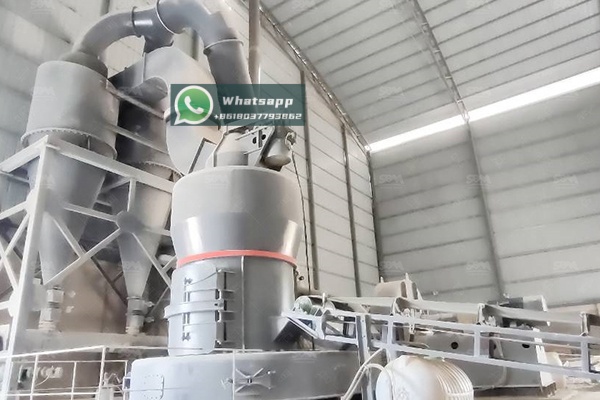
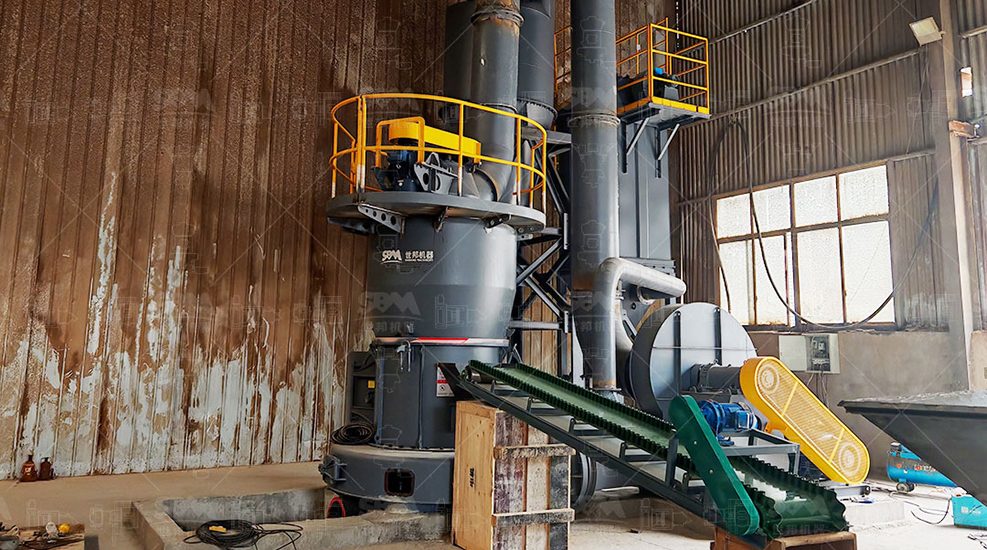
After a thorough analysis of the technical requirements and challenges, Shanghai Zenith Machinery Co., Ltd. recommends its LM Vertical Grinding Mill as the core equipment for this Kenyan basalt sand project. Zenith, an excellent manufacturer of ore grinding equipment, has made great achievements in the field of industrial powder grinding. The LM Vertical Mill is a testament to this expertise, integrating five functions—crushing, grinding, powder selection, drying, and material conveying—into a single, compact unit.
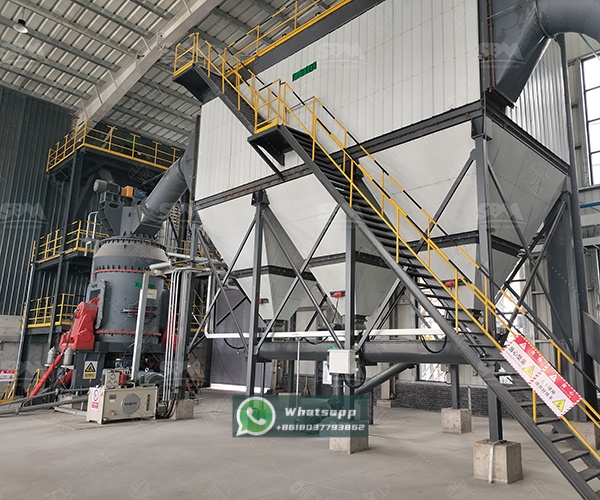
For a 10-20 TPH output of basalt sand, the LM130K model is an ideal match. Its advantages are perfectly aligned with the project’s needs:
The key technical parameters of the recommended LM130K model are as follows:
| Model | Plate Diameter (mm) | Capacity (t/h) | Output Fineness (μm / Mesh) | Max Feed Size (mm) | Main Motor (kW) |
|---|---|---|---|---|---|
| LM130K | 1300 | 10-28 | 170-40 (≈ 90-325 mesh) | < 38 | 200 |
This model comfortably covers the target production range of 10-20 TPH and can easily achieve the desired fineness for foundry sand.
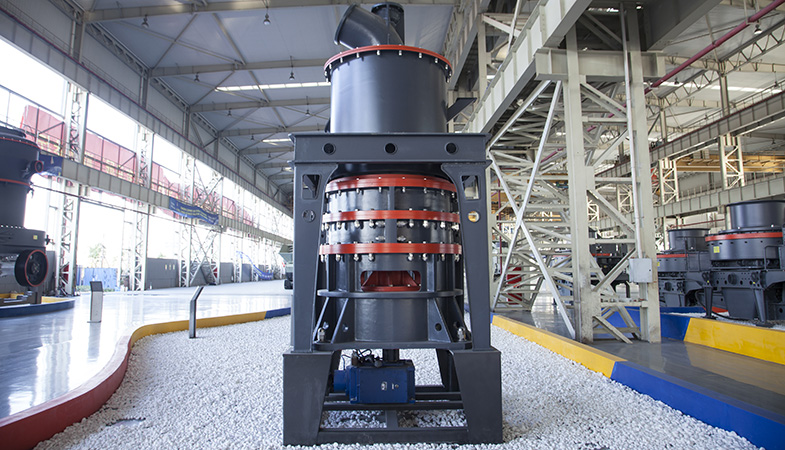
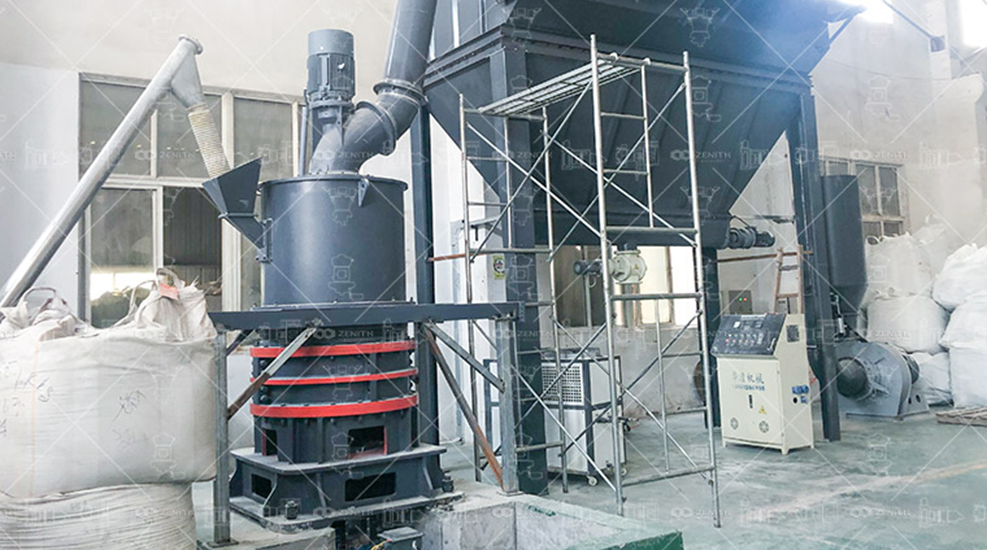
For clients whose casting processes demand even finer basalt powder for specialized mold coatings or as an additive, or for those considering diversifying into ultra-fine mineral products, Zenith’s XZM Ultrafine Grinding Mill is an excellent option. While its primary design is for superfine powders, it can be configured to produce fine sands with exceptional uniformity.
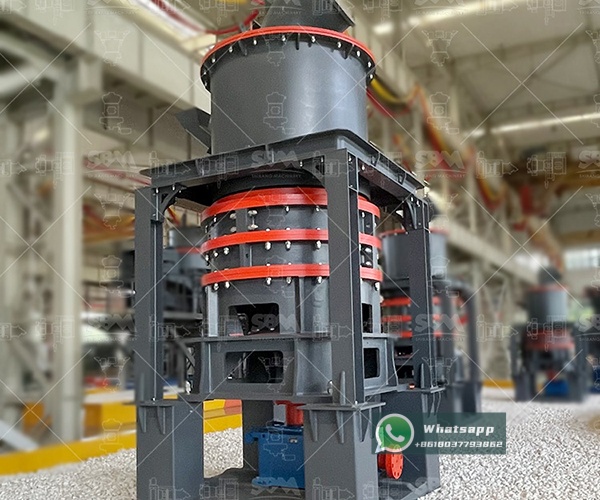
Its ability to produce powder from 325 to 2500 mesh offers tremendous flexibility. For a smaller-scale or ultra-fine parallel production line, the XZM series provides a reliable solution.
| Model | Working Diameter (mm) | Max Feed Size (mm) | Final Size (mesh) | Output (kg/h) | Main Motor Power (kW) |
|---|---|---|---|---|---|
| XZM221 | Φ800 | ≤20 | 325-2500 | 500-4500 | 75 |
A successful 10-20 TPH basalt sand plant involves more than just the grinding mill. A typical configuration supported by Zenith would include:
Shanghai Zenith Machinery Co., Ltd. not only supplies high-quality equipment but also offers comprehensive services including site planning, foundation drawing design, installation guidance, operator training, and after-sales technical support, ensuring a smooth project lifecycle from commissioning to stable operation.
Establishing a 10-20 TPH basalt casting sand production line in Kenya is a viable and strategic investment to support local industrialization. The key to its profitability and product quality lies in selecting the right grinding technology. Zenith’s LM Vertical Grinding Mill, particularly the LM130K model, stands out as a robust, efficient, and cost-effective solution tailored to the challenges of processing hard and abrasive basalt. Its integrated design, energy savings, and precise classification capability make it the ideal workhorse for producing high-quality foundry sand, contributing to the growth and technological advancement of Kenya’s manufacturing sector.