Basalt is one of the most widely available volcanic rocks on the earth’s surface, and in Australia it is particularly abundant in the eastern states and parts of Western Australia. The material has long been used in the production of cement, both as an aggregate in concrete and as a raw material component in cement manufacturing. To turn hard basalt into a fine powder that meets the strict particle size requirements of the cement industry, a reliable and efficient grinding mill is essential. This article examines the key considerations for selecting a basalt grinding mill for cement production in Australia, with a focus on the 200 mesh target that is commonly required for cement raw meal, mineral admixtures, and other downstream applications.
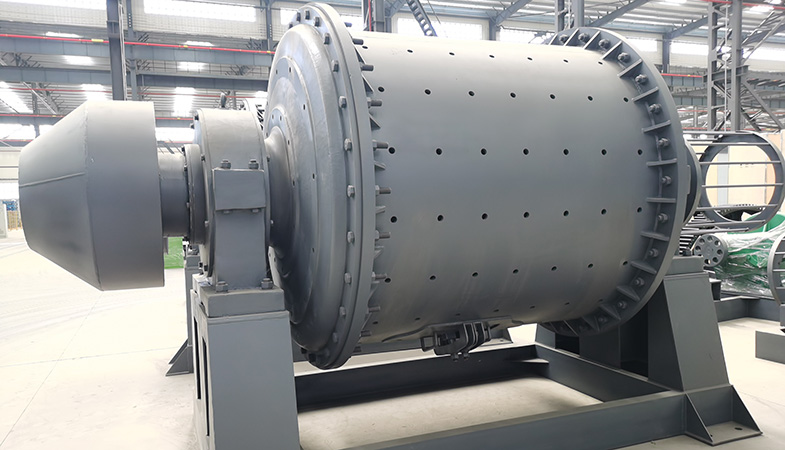
Shanghai Zenith Machinery Co., Ltd. is an excellent manufacturer of ore grinding equipment in China and has made great achievements in the field of fine and ultra-fine powder grinding. With decades of engineering experience, Zenith specializes in the research, development, and production of industrial powder grinding equipment. Its product portfolio includes the MTW Trapezium Grinding Mill, LM Vertical Grinding Mill, Ball Mill, MTM Medium-Speed Grinding Mill, Raymond Mill, LUM Ultrafine Vertical Mill, XZM Ultrafine Grinding Mill and Hammer Mill. For a basalt grinding project in Australia, the MTW Trapezium Grinding Mill and the LM Vertical Grinding Mill provide particularly compelling solutions.
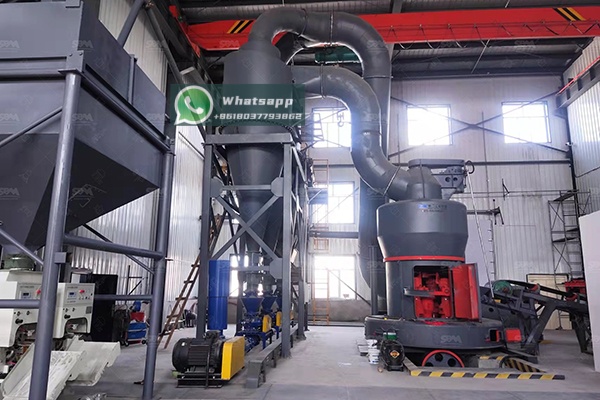
Basalt is classified as a mafic extrusive igneous rock, composed mainly of plagioclase, pyroxene and olivine. It has high compressive strength, high density, and is highly abrasive. Unlike soft or medium-hard minerals such as limestone or gypsum, basalt places a heavy burden on grinding equipment. The wear rate of grinding rollers, grinding rings, and internal classifiers can be substantial if the mill is not designed with sufficient wear resistance and structural rigidity.
The hardness of basalt also means that its grinding process consumes considerably more energy than softer materials. In a country like Australia, where energy costs and environmental regulations are important factors for industrial plants, operators must look for equipment that not only handles abrasiveness but also delivers high energy efficiency. A mill that reduces energy consumption per tonne of finished powder can significantly lower operating costs while also lowering carbon emissions. This is why the selection of the correct basalt grinding mill is a strategic decision for any cement producer in Australia.
Furthermore, the chemical composition of basalt includes significant amounts of silica, alumina, iron oxide, calcium oxide and magnesium oxide. These elements are useful in cement clinker formation. In certain cement recipes, basalt is used to adjust the iron and silica content. To obtain a uniform raw mix, the basalt must be ground to a consistent fineness. If the particle size is too coarse, the chemical reactions in the rotary kiln become uneven; if it is too fine, the energy cost increases without a corresponding benefit. Therefore, precise control of the grinding fineness is critical.
In international practice, the particle size of mineral powders is often expressed in mesh. A 200 mesh screen has 200 openings per linear inch, and the average opening width is about 75 microns, or 0.075 mm. Powders with a 200 mesh fineness are common in cement production for several reasons. First, a raw mix with the majority of particles passing through a 200 mesh screen has a high surface area, which promotes homogeneous kiln feed and complete calcination. Second, basalt powder ground to 200 mesh can be used as a supplementary cementitious material in concrete, where it may improve the packing density and compressive strength of the final product. Third, 200 mesh is a practical limit that balances grinding cost and process performance.
When a grinding mill is specified for 200 mesh basalt, the equipment must be able to adjust its external and internal variables to achieve this fineness continuously. For example, the speed of the classifier, the airflow inside the mill, the feed rate, and the grinding pressure all affect the final particle size distribution. Zenith’s mills are designed with adjustable classifiers and variable process controls, allowing cement producers in Australia to optimize production conditions for a stable 200 mesh output.
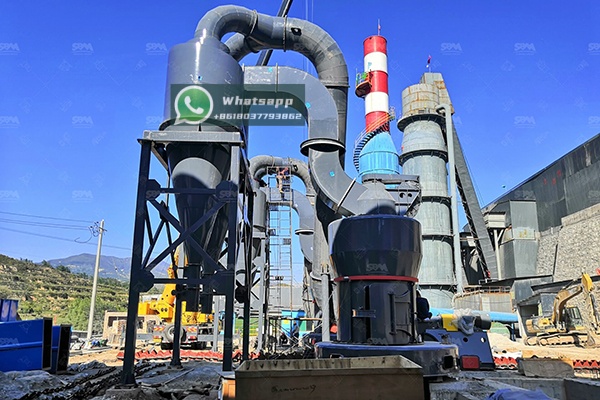
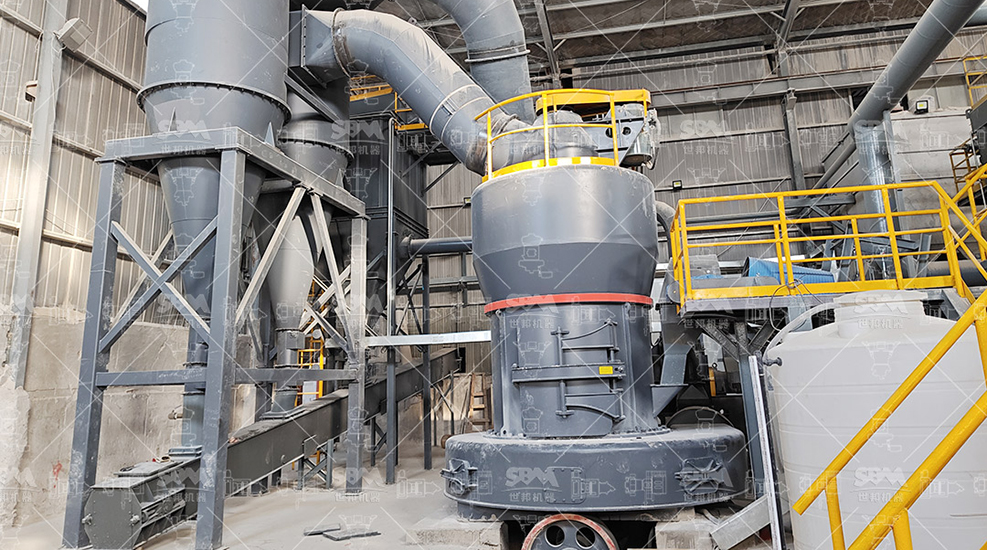
The MTW Trapezium Grinding Mill is one of Zenith’s flagship products for mineral processing. It has a compact structure, long service life, and can process materials with a maximum feed size of up to 50 mm. The mill uses a trapezoidal working face, a patented design that improves grinding efficiency by reducing the sliding effect between the roller and the grinding ring. Because basalt is hard and abrasive, this design is particularly valuable, as it keeps the grinding process stable and minimizes vibration.
For a cement plant in Australia requiring 200 mesh basalt powder, the MTW mill can operate with final fineness ranging from 1.6 mm down to 0.045 mm. The 200 mesh target falls well within this range. The mill also has an integrated classifier that can be adjusted to control the fineness precisely. With capacities ranging from 3 to 45 tonnes per hour depending on the model, the MTW series can accommodate both pilot-scale operations and large cement production lines.
| Model | Max. Feed Size (mm) | Final Size (mm) | Capacity (t/h) | Main Motor (kW) | Fan Motor (kW) |
|---|---|---|---|---|---|
| MTW110 | <30 | 1.6-0.045 | 3-9 | 55 | 55 |
| MTW138Z | <35 | 1.6-0.045 | 6-17 | 90 | 110 |
| MTW175G | <40 | 1.6-0.045 | 9.5-25 | 160 | 200 |
| MTW215G | <50 | 1.6-0.045 | 15-45 | 280 | 315 |
As shown in the table, the MTW215G offers the highest throughput and can support a large Australian cement operation that requires thousands of tonnes of basalt powder every day. The close relationship between the main motor power and fan motor power ensures that the mill has enough airflow to remove fine particles promptly, preventing over-grinding and improving energy efficiency.
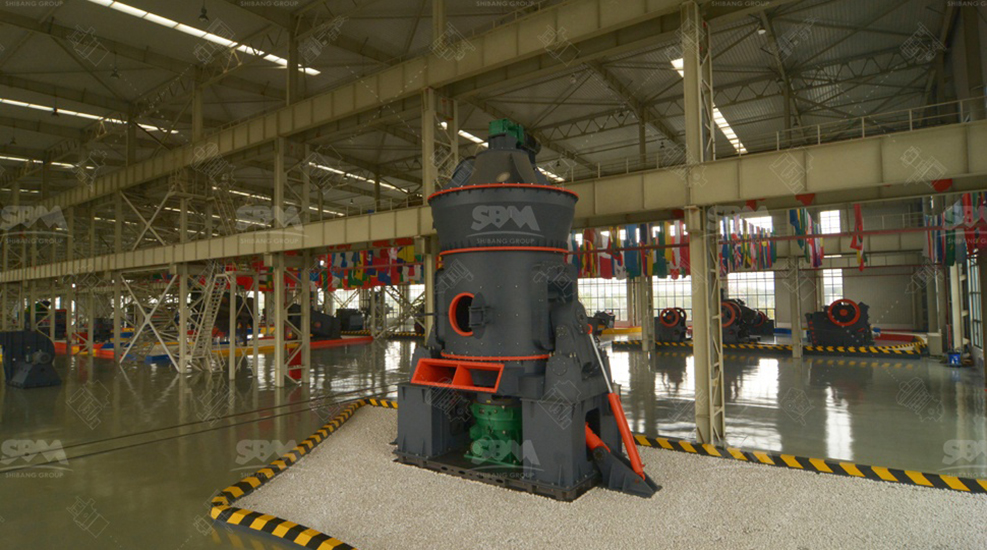
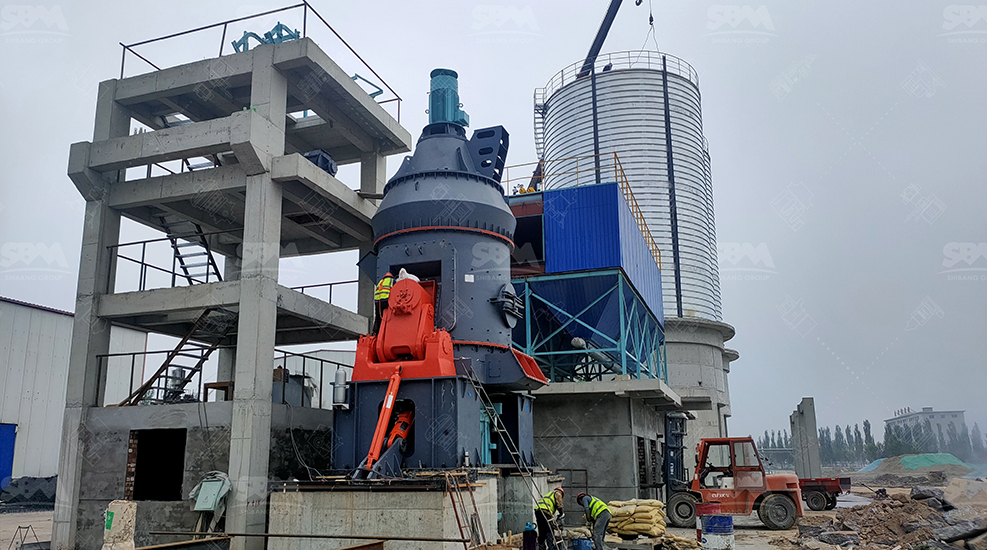
For cement plants that require even higher capacity and a more compact installation, the LM Vertical Grinding Mill is another excellent choice. The LM vertical mill integrates five functions in one machine: crushing, grinding, powder selection, drying and material conveying. Because basalt is often supplied in lumps of more than 30 mm, the mill’s internal crushing function simplifies the upstream process and reduces the need for additional crushing equipment. This is especially advantageous in remote Australian sites where reducing the number of machines can lower installation and maintenance costs.
The LM series has several configurations, including vertical mineral mill, vertical coal mill, vertical slag mill and vertical fine-powder mill. For basalt used in cement production, the vertical mineral mill series is the most relevant. Its output fineness can be set between 170 microns and 40 microns, which means it can comfortably produce 200 mesh powder with a high degree of uniformity. The mill also features a smaller occupational area than other mills of similar capacity, an important factor for cement plants with limited space.
| Model | Plate Diameter (mm) | Capacity (t/h) | Output Fineness (μm) | Max Feed Size (mm) | Main Motor (kW) |
|---|---|---|---|---|---|
| LM130K | 1300 | 10-28 | 170-40 | <38 | 200 |
| LM190K | 1900 | 23-68 | 170-40 | <45 | 500 |
| LM280K | 2800 | 50-170 | 170-45 | <50 | 1250 |
The LM280K in particular can produce up to 170 tonnes per hour of fine powder, making it ideal for Australia’s largest cement plants. Because the output fineness range includes 40 to 170 microns, a 200 mesh output of 75 microns is not only feasible but also highly stable. The vertical mill’s operating principle uses a rotating grinding table and stationary grinding rollers. The material bed is kept uniform by centrifugal force, and the classifier above the grinding zone returns coarse particles back to the table for further grinding. This internal circulation reduces rejects and improves the yield of finished 200 mesh powder.
Australian cement producers operate under strict environmental and safety regulations. Zenith’s grinding mills are designed with environmental protection in mind. The MTW trapezium mill and LM vertical mill can be equipped with efficient bag filters and use negative pressure to prevent dust leakage. This helps operators meet air quality standards while maintaining a clean working environment. The low noise level of the LM vertical mill is also a practical benefit for plants located near urban or residential areas.
Energy efficiency is another key advantage. Both the MTW and LM mills are designed to use less energy per tonne than traditional ball mills or Raymond mills. In a country with high power prices, this can translate into significant savings over the life of the equipment. The mills also require less floor space, which reduces civil engineering costs and allows for easier integration into existing cement plants. Zenith’s experience in the field of ultra-fine powder grinding has led to the use of high-strength wear-resistant materials in the grinding parts, increasing the service life and reducing maintenance downtime.
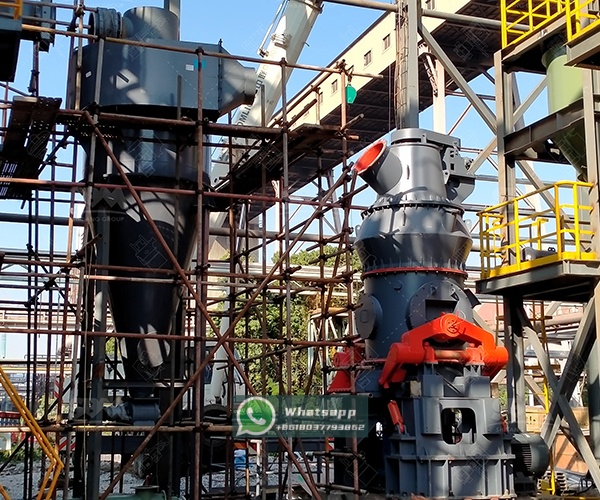
Taking into account the abrasive nature of basalt, the target fineness of 200 mesh, and the production conditions of the Australian cement industry, Zenith recommends two products. For moderate capacities between 9.5 and 25 tonnes per hour, the MTW175G Trapezium Grinding Mill is an excellent choice. Its proven trapezium grinding design, adjustable fineness, and robust construction make it suitable for medium-scale cement plants and mineral processing operations. For large-scale cement plants that require more than 25 tonnes per hour of basalt powder, the LM190K or LM280K Vertical Grinding Mill is recommended. The LM series combines grinding and classifying in one compact system, which simplifies material handling and improves the stability of the final 200 mesh product.
Zenith also offers complete engineering services, including process design, equipment selection, installation supervision and commissioning. This support is valuable for Australian clients who may not be familiar with basalt grinding technology. The company’s product range, which also includes MTM Medium-Speed Grinding Mill, LUM Ultrafine Vertical Mill, XZM Ultrafine Grinding Mill and hammer mills, can be matched to other production requirements such as fine cement additives or ultra-fine fillers. However, for the specific application of basalt grinding to 200 mesh in cement production, the MTW trapezium mill and the LM vertical mill deliver the best balance of efficiency, reliability and total cost of ownership.
Basalt is an extremely demanding material for grinding equipment, but it is also a valuable input for cement production. The 200 mesh requirement is a common and practical specification that ensures the basalt powder is both reactive and easy to process. In Australia, where natural basalt is abundant and the cement industry is highly competitive, using an efficient and durable grinding mill is essential. Shanghai Zenith’s MTW Trapezium Grinding Mill and LM Vertical Grinding Mill offer proven performance, adjustable output fineness, high capacity, and low environmental impact. With their advanced technology and strong after-sales support, Zenith is a trusted partner for any cement producer looking to grind basalt to 200 mesh.
If you are planning a basalt grinding project in Australia, contact Shanghai Zenith Machinery Co., Ltd. for a detailed feasibility study and equipment quotation. Whether your target is 200 mesh cement raw meal, concrete admixture powder, or a finer product, Zenith has the right grinding solution for your plant.