The Philippine construction industry is experiencing robust growth, driven by infrastructure development and urbanization. A critical component of this growth is the demand for high-quality construction aggregates. Among various rock types, basalt, with its high strength, durability, and excellent adhesion to cement, is a premier material for producing concrete and asphalt. To unlock its full potential, basalt must be processed into specific particle sizes. Producing a fine aggregate at 80 mesh (approximately 0.177 mm) is a common requirement for applications requiring a smooth finish or as a filler material. This article explores the technical considerations for grinding basalt to 80 mesh in the Philippine context and highlights optimal milling solutions.
Basalt is a dense, hard (Mohs hardness 5-7), and abrasive igneous rock. Grinding it to a consistent 80-mesh powder presents several challenges:
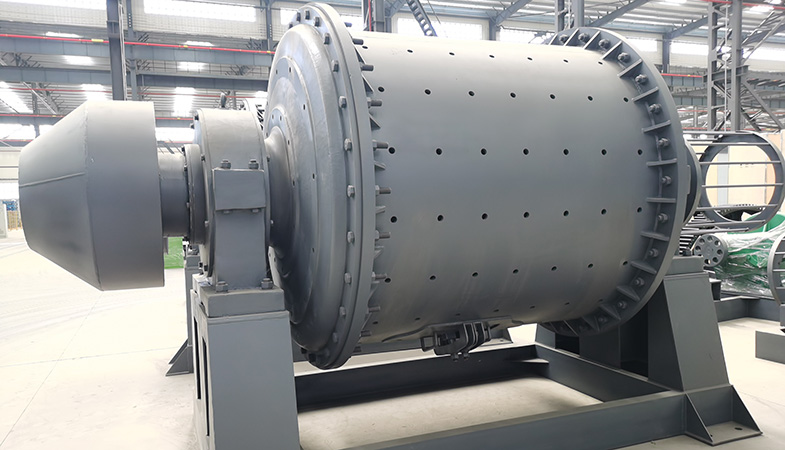
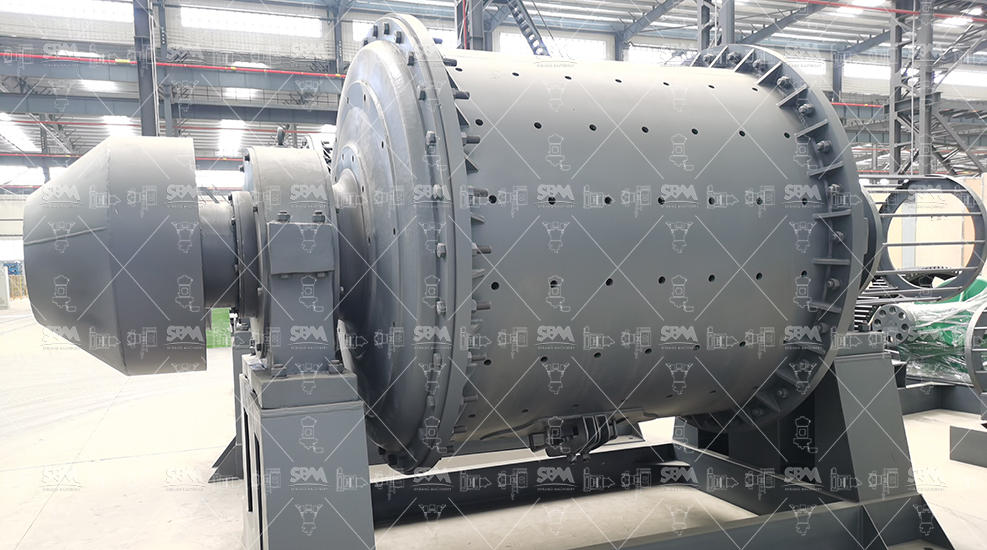
For the specific task of producing 80-mesh basalt powder, several grinding mill types are technically viable. The choice depends on the balance between capital cost, operational efficiency, and final product specifications.
Raymond Mills have been a staple for medium-fine grinding. They are suitable for achieving 80-mesh fineness. However, for hard and abrasive materials like basalt, traditional Raymond mills may experience higher roller and ring wear, leading to increased maintenance intervals. Their energy efficiency for hard rock grinding is also less optimal compared to newer designs.
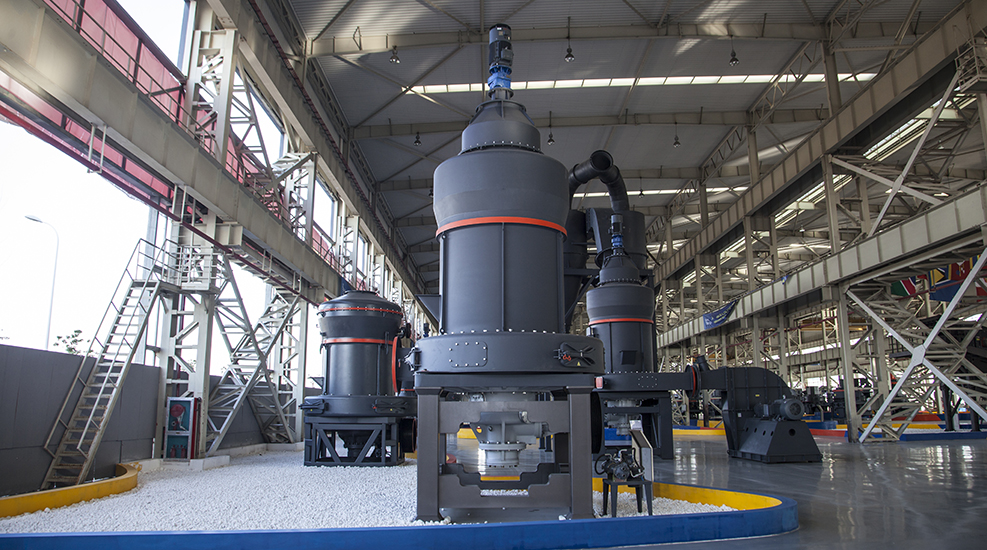
Vertical Roller Mills (VRMs), such as the LM Vertical Grinding Mill series, represent a significant technological leap. They are exceptionally well-suited for grinding hard, abrasive materials like basalt to medium fineness (such as 80 mesh).
Advantages for Basalt Grinding:
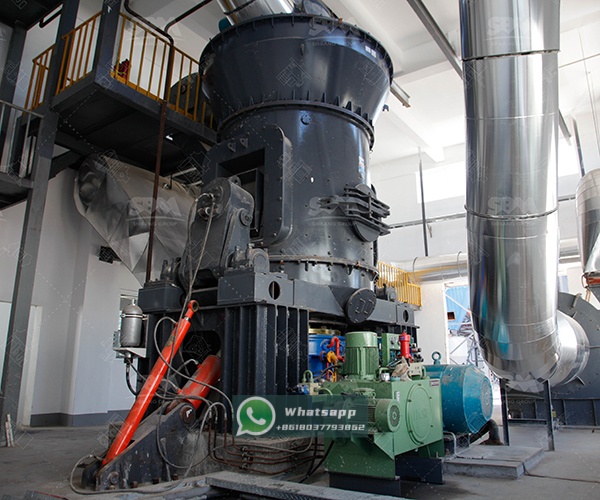
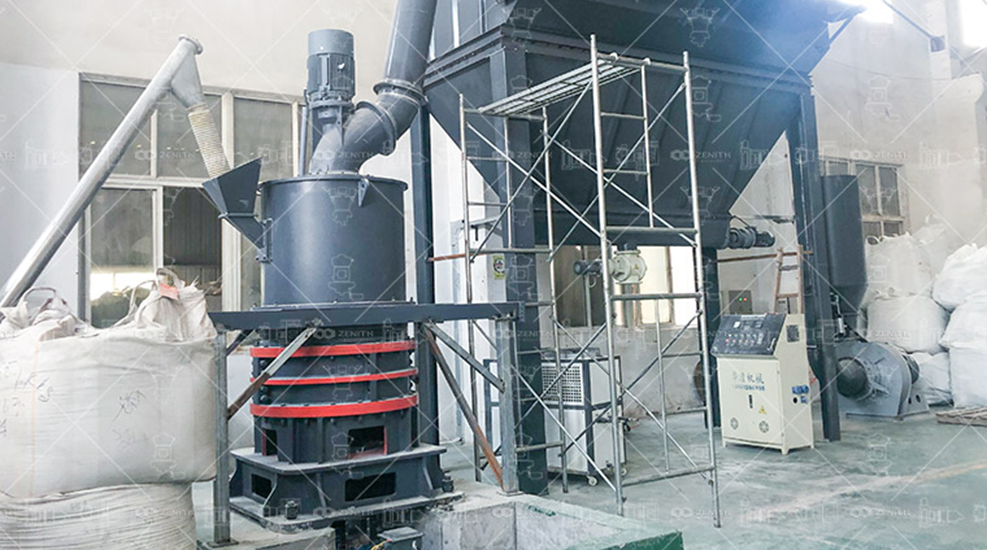
If there is potential future demand for finer basalt powders (e.g., 325-1000 mesh for high-performance applications), an Ultrafine Vertical Mill like the LUM series or the XZM Ultrafine Grinding Mill is an excellent choice. While capable of producing 80 mesh with ease, their true strength lies in their ability to produce much finer powders, offering operational flexibility.
For a dedicated, efficient, and reliable production line targeting 80-mesh basalt aggregate in the Philippines, Shanghai Zenith Machinery Co., Ltd. recommends its LM Vertical Grinding Mill. As an excellent manufacturer of ore and hard material grinding equipment, Zenith has engineered the LM series to excel in precisely this type of application.
The LM mill integrates crushing, grinding, powder selection, drying, and conveying into one unit. For basalt processing, its grinding efficiency directly translates to lower power costs. Its robust construction and use of high-quality wear parts ensure stable, continuous operation with reduced maintenance worries—a critical factor for remote or demanding quarry sites.
| Model | Plate Diameter (mm) | Capacity (t/h)* | Output Fineness (μm) | Max Feed Size (mm) | Main Motor (kW) |
|---|---|---|---|---|---|
| LM130K | 1300 | 10-28 | 170-40 (approx. 80-400 mesh) | <38 | 200 |
| LM190K | 1900 | 23-68 | 170-40 (approx. 80-400 mesh) | <45 | 500 |
*Capacity varies based on material hardness and required fineness. The above range is suitable for grinding basalt to ~80 mesh.
The LM130K model is an ideal starting point for medium-scale operations, while the LM190K offers higher throughput for large-scale aggregate production. Both are designed to reliably produce powder in the 80-mesh range with excellent particle size distribution.

Implementing a successful basalt grinding operation involves more than just the mill. A complete system includes:
Meeting the specific demand for 80-mesh basalt aggregate in the Philippine construction market requires a grinding solution that balances power efficiency, wear resistance, and product quality. While several options exist, the modern Vertical Roller Mill technology, exemplified by Shanghai Zenith’s LM Vertical Grinding Mill series, stands out as the most efficient and reliable choice. Its design directly addresses the challenges of grinding hard, abrasive basalt, offering Philippine operators a path to lower operating costs, higher productivity, and a consistent, high-quality product that will support the nation’s ongoing infrastructure development.
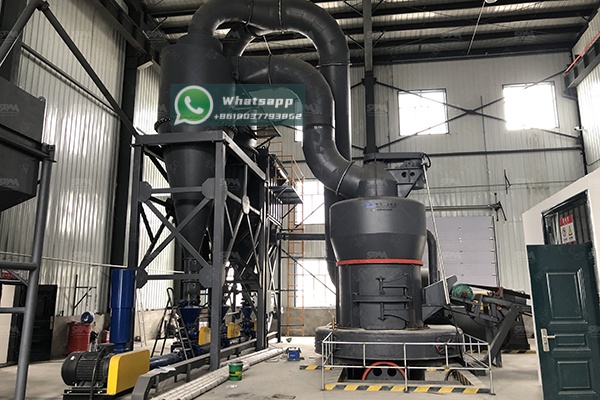
By partnering with an experienced manufacturer like Shanghai Zenith Machinery, Philippine enterprises can access not only advanced equipment like the LM mill but also comprehensive technical support, installation guidance, and after-sales service, ensuring their investment delivers long-term value for their basalt processing operations.