The ceramic industry in the United States is continuously evolving, demanding raw materials that offer enhanced strength, thermal stability, and chemical resistance. Basalt, a fine-grained volcanic rock, has emerged as a promising filler and reinforcement material in ceramic composites. Its inherent properties—including high hardness, excellent wear resistance, and thermal stability—make it ideal for producing high-performance technical ceramics, tiles, and sanitaryware. However, unlocking these benefits hinges entirely on one critical process: ultra-fine grinding to a consistent 325 mesh (approximately 45 microns) and beyond. This fineness is crucial for ensuring uniform dispersion within the ceramic matrix, which directly impacts the final product’s sintering behavior, density, and mechanical strength.
Grinding basalt is a demanding task. Its Mohs hardness of 5-7 and its abrasive nature pose significant challenges for grinding equipment, leading to potential issues with wear, energy consumption, and product contamination. Achieving a precise 325 mesh output requires a mill that offers not only powerful grinding force but also precise classification control. The process must be efficient to manage operational costs and reliable to ensure consistent product quality for ceramic batch production. In the competitive U.S. market, manufacturers seek solutions that balance high throughput, low maintenance, and precise particle size distribution.
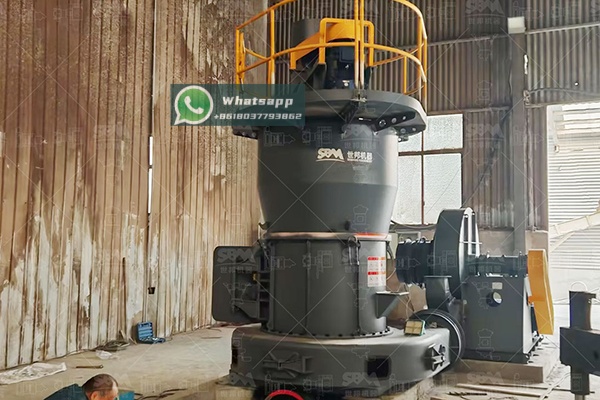
Several grinding technologies are available, but not all are equally suited for processing hard, abrasive materials like basalt to a ceramic-grade fine powder.
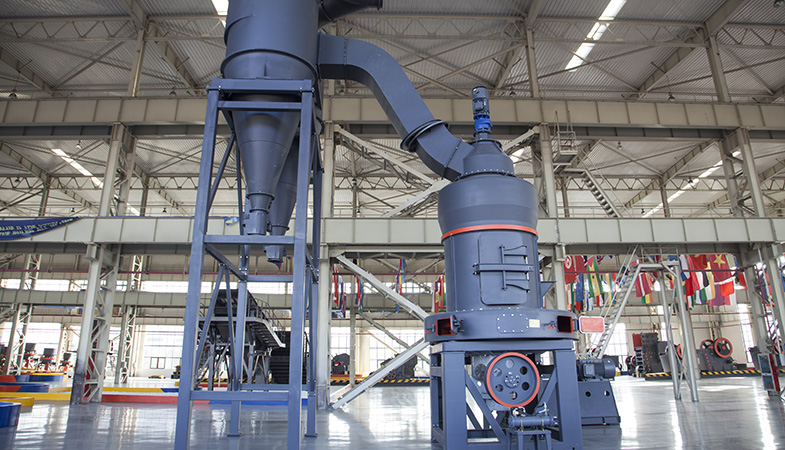
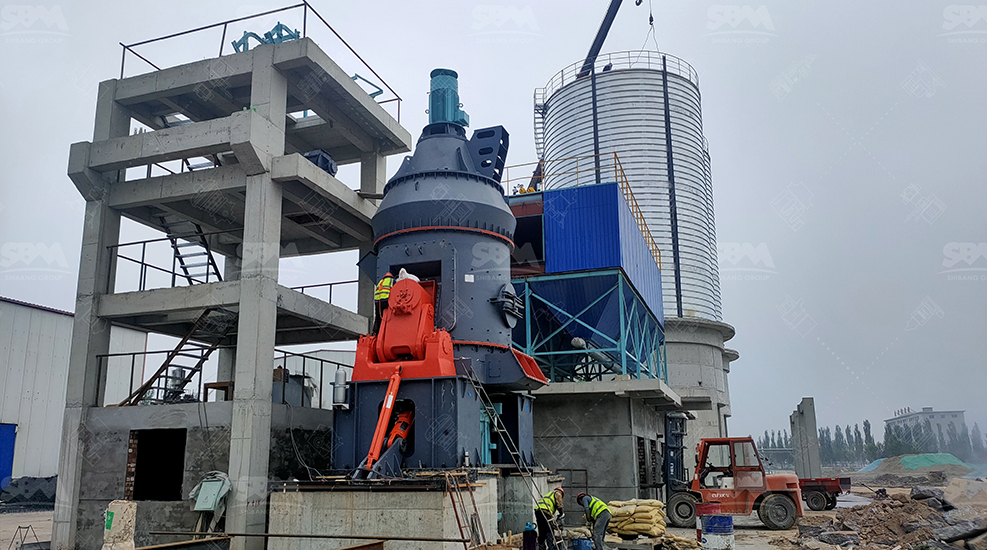
For U.S. ceramic producers targeting 325 mesh basalt powder, Shanghai Zenith Machinery Co., Ltd., an excellent manufacturer with great achievements in ultra-fine powder grinding, offers an ideal solution: the LUM Ultrafine Vertical Mill. This mill is engineered to overcome the specific challenges of hard material processing.
The LUM series integrates multiple functions—grinding, drying, classifying, and conveying—into a single, compact unit. Its unique grinding roller and curve design provide a more efficient grinding trajectory for hard materials like basalt. Most importantly, it features an advanced, high-precision classifying system that ensures a sharp and consistent cut point, guaranteeing that the output reliably meets the 325 mesh specification with a narrow size distribution. This is critical for ceramic applications where inconsistent particle size can lead to defects.
| Model | Main Machine Power (kW) | Capacity (t/h) | Size Distribution D97 (μm) | Suitable Output Fineness |
|---|---|---|---|---|
| LUM1525 | 220-250 | 1.6 – 11.5 | 5 – 30 | Fine to Ultra-fine (500-2500 mesh) |
| LUM1632 | 280-315 | 2.0 – 13.5 | 5 – 30 | Fine to Ultra-fine (500-2500 mesh) |
| LUM1836 | 355-400 | 2.3 – 15.0 | 5 – 30 | Fine to Ultra-fine (500-2500 mesh) |
Note: For a 325 mesh (≈45 μm) product, the LUM mill operates with high efficiency and low energy consumption per ton. Its intelligent control system allows for easy adjustment to maintain the target fineness.
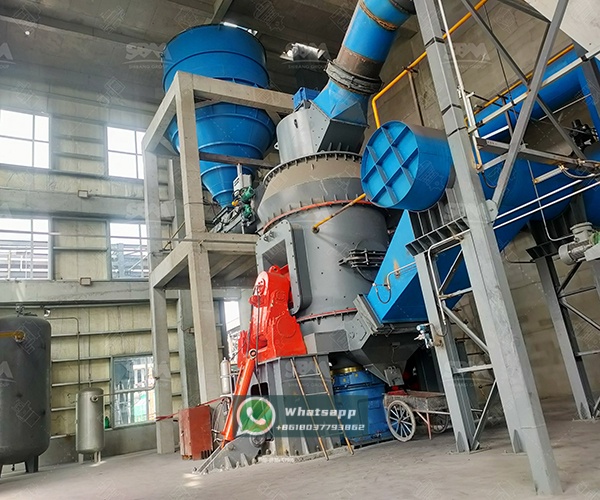
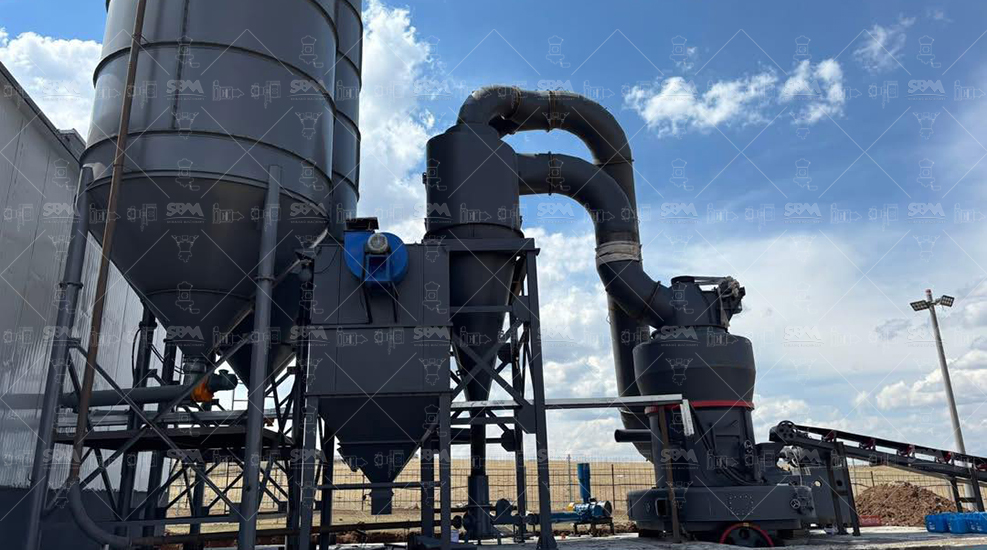
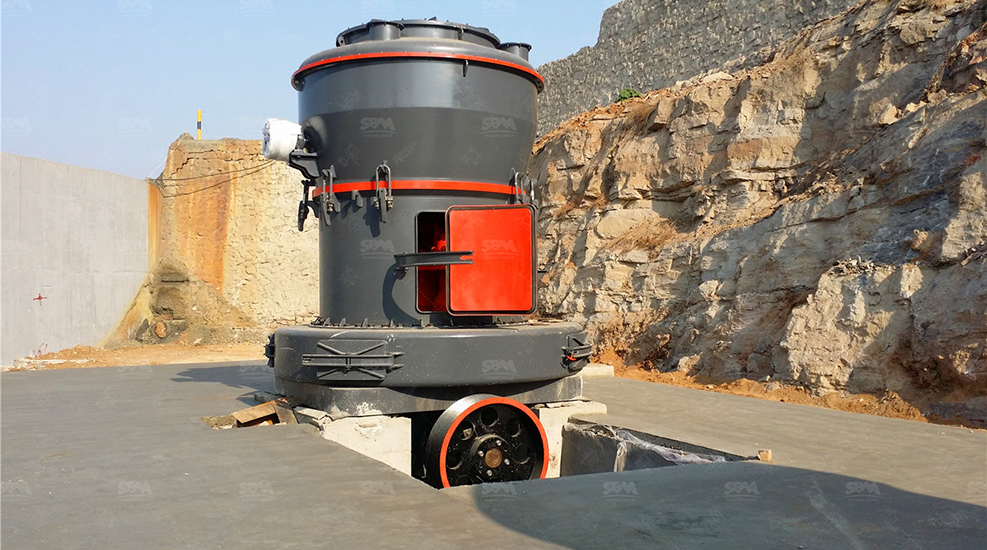
For projects requiring higher capacity output of 325 mesh basalt powder, Zenith’s MTW Trapezium Grinding Mill presents a robust alternative. Known for its multiple patents and eco-friendly design, it is particularly effective for high-volume fine powder production. Its curved air duct and internal powder concentrator ensure efficient classification suitable for the ceramic industry’s standards.
Implementing Zenith’s advanced grinding technology, specifically the LUM Ultrafine Vertical Mill, provides tangible benefits:
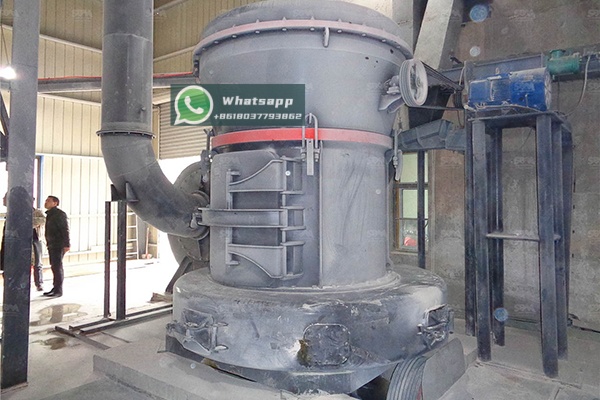
The successful integration of basalt into advanced ceramic materials in the United States relies on precision grinding. Selecting equipment that is specifically designed for hard, abrasive materials and capable of delivering consistent, fine powder is not just an operational decision but a strategic one impacting product innovation and market competitiveness. Shanghai Zenith Machinery Co., Ltd., with its specialized focus on industrial powder grinding equipment, offers technologically advanced solutions like the LUM Ultrafine Vertical Mill and the MTW Trapezium Grinding Mill. These mills provide U.S. ceramic manufacturers with the reliable, efficient, and precise grinding capability needed to transform raw basalt into a high-value additive, driving forward the next generation of ceramic products.