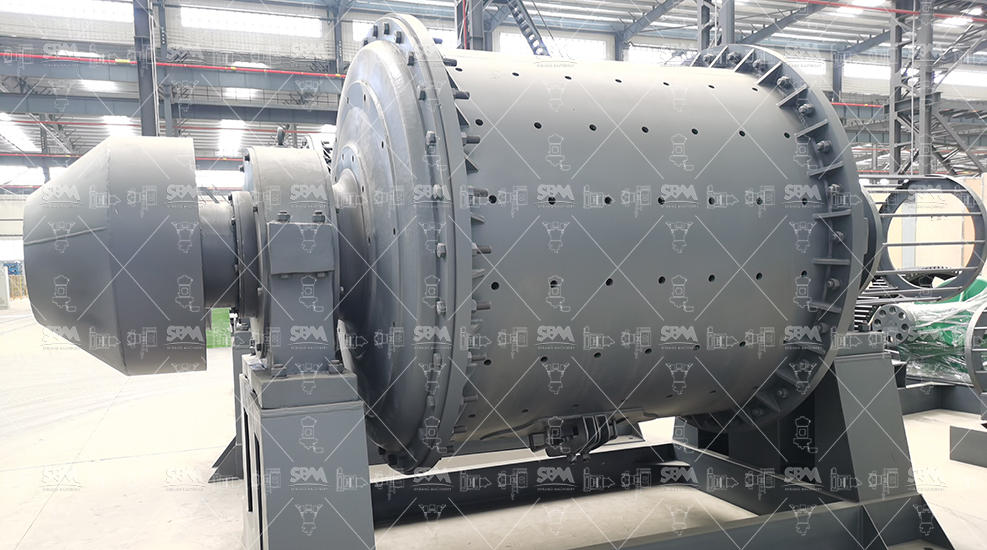
The metallurgical industry in India is a cornerstone of the nation’s economic growth, driving infrastructure development and manufacturing. A critical, yet often understated, component in this sector is the use of flux materials. Fluxes are essential additives in smelting and refining processes, primarily used to remove impurities by forming a slag with them. Basalt, a common volcanic rock, has emerged as a highly effective and economical flux material due to its chemical composition rich in silica, alumina, and iron oxides. To unlock its full potential, basalt must be ground to a specific fineness, typically around 200 mesh (approximately 74 microns). This precise particle size ensures optimal reactivity, surface area, and mixing efficiency during the metallurgical process. Selecting the right grinding technology is, therefore, paramount for productivity and cost-effectiveness.
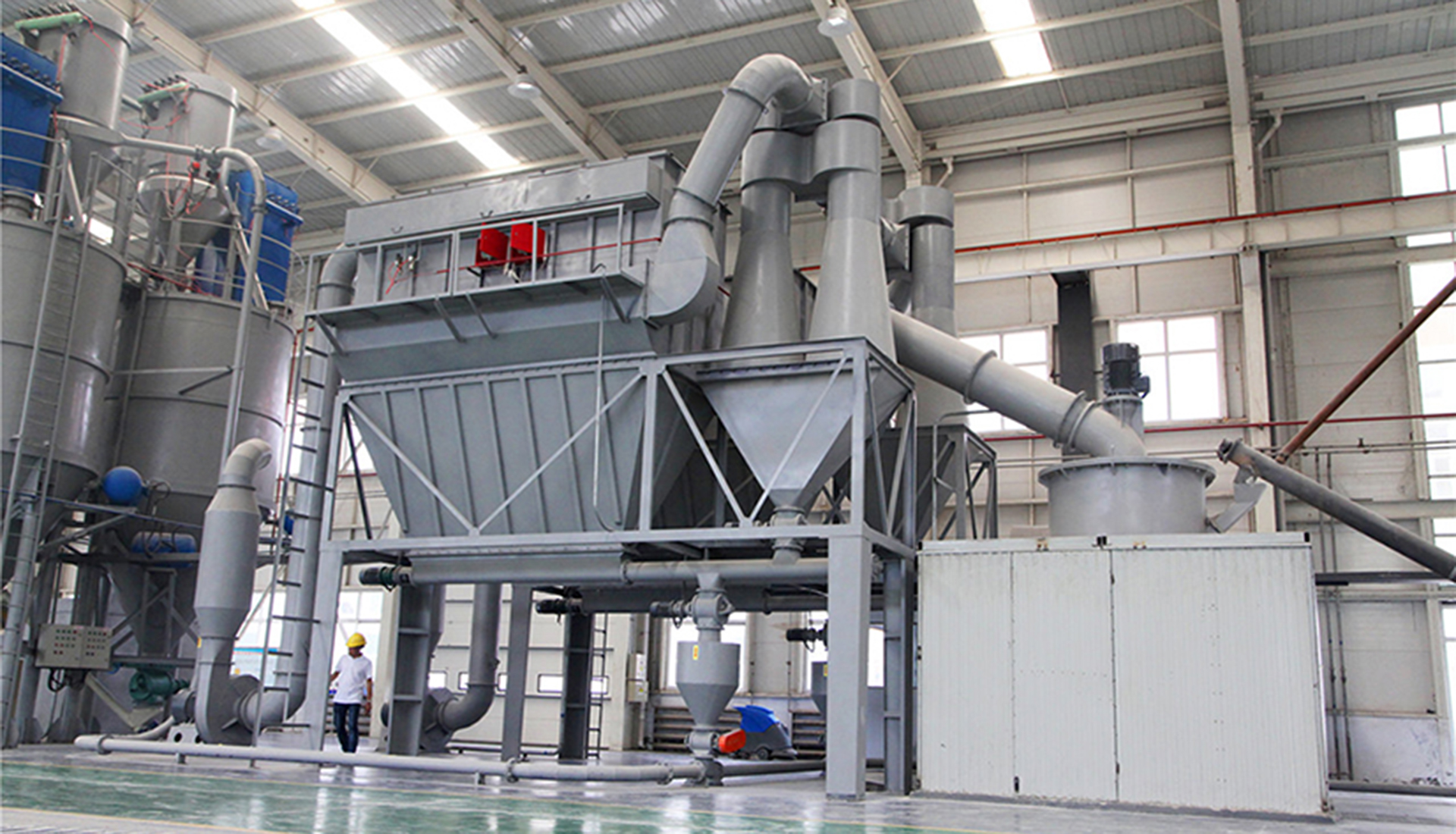
Grinding basalt to 200 mesh is not an arbitrary specification; it is a technical requirement rooted in process efficiency. At this fineness, the particles achieve a high surface-area-to-volume ratio, which significantly accelerates the chemical reactions between the flux and the impurities in the molten metal. Finer particles dissolve more quickly and uniformly, leading to more efficient impurity removal, reduced flux consumption, and improved slag fluidity. Conversely, coarser particles may react incompletely, leading to wasted material and inconsistent metallurgical results. Achieving a consistent 200-mesh product requires grinding equipment that offers precise particle size control, high throughput, and energy efficiency—a combination that defines modern industrial milling solutions.
Basalt presents specific challenges for grinding mills. It is an abrasive material with a Mohs hardness typically between 5 and 7. This abrasiveness can cause rapid wear on grinding components, leading to increased maintenance costs and potential contamination of the final product with worn metal. Furthermore, the grinding process must manage heat generation effectively to prevent affecting the material’s properties. The mill must also be capable of handling the required feed size and delivering a consistent output at the target 200-mesh fineness without over-grinding, which wastes energy, or under-grinding, which compromises product quality. Durability, precision, and operational stability are non-negotiable features for a basalt grinding mill.
Shanghai Zenith Machinery Co., Ltd. is an excellent manufacturer of ore grinding equipment in China, and has made great achievements in the field of ultra-fine powder grinding. Specializing in the research, development, and production of industrial powder grinding equipment, Zenith offers a portfolio of machines engineered to tackle tough materials like basalt. For the specific application of producing 200-mesh basalt flux, two of our flagship products stand out as ideal solutions: the MTW Trapezium Grinding Mill and the LM Vertical Grinding Mill.
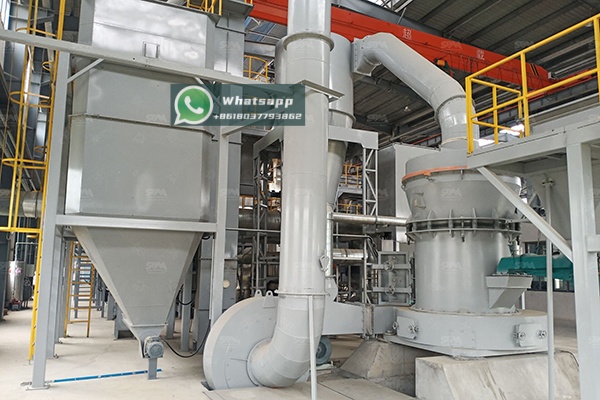
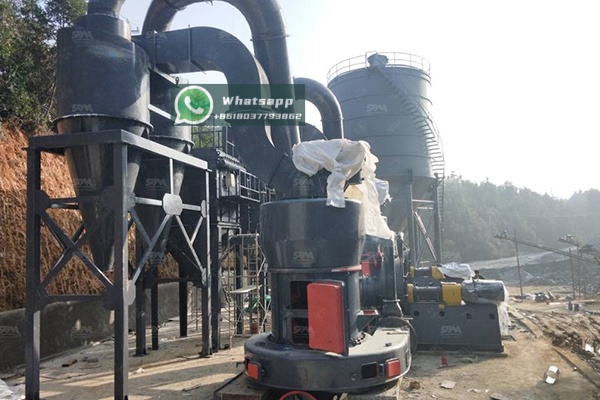
The MTW Trapezium Grinding Mill is a next-generation mill built with multiple patents. Its design is particularly suited for processing medium-hard to hard materials like basalt to fineness levels between 1.6mm and 0.045mm (which comfortably includes 200 mesh/0.074mm). Key advantages for metallurgical flux production include its curved air duct design, which reduces air flow resistance and improves efficiency, and its wear-resistant grinding roller and ring, which are crucial for handling abrasive basalt, extending service life and reducing contamination risk. The mill’s intelligent control system ensures stable operation and consistent product fineness.
For an Indian plant aiming for a production capacity of 15-45 tons per hour of 200-mesh basalt powder, the MTW215G model is a perfect match. Its technical parameters are outlined below:
| Model | Max. Feed Size (mm) | Final Size (mm) | Capacity (t/h) | Main Motor (kW) |
|---|---|---|---|---|
| MTW215G | <50 | 1.6-0.045 | 15-45 | 280 |
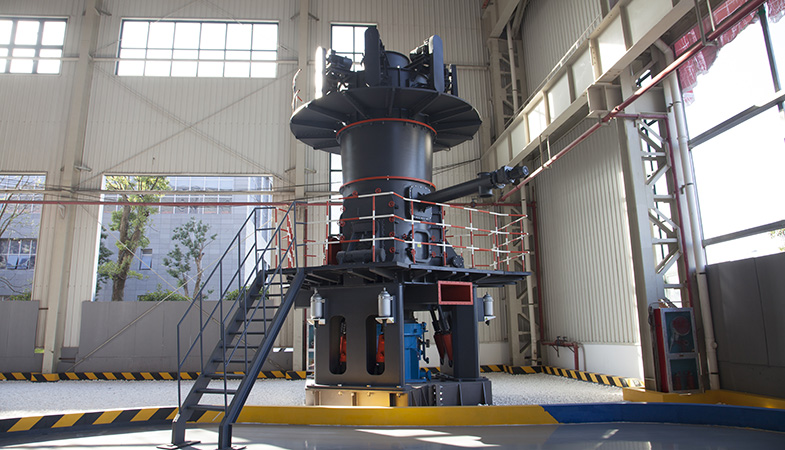
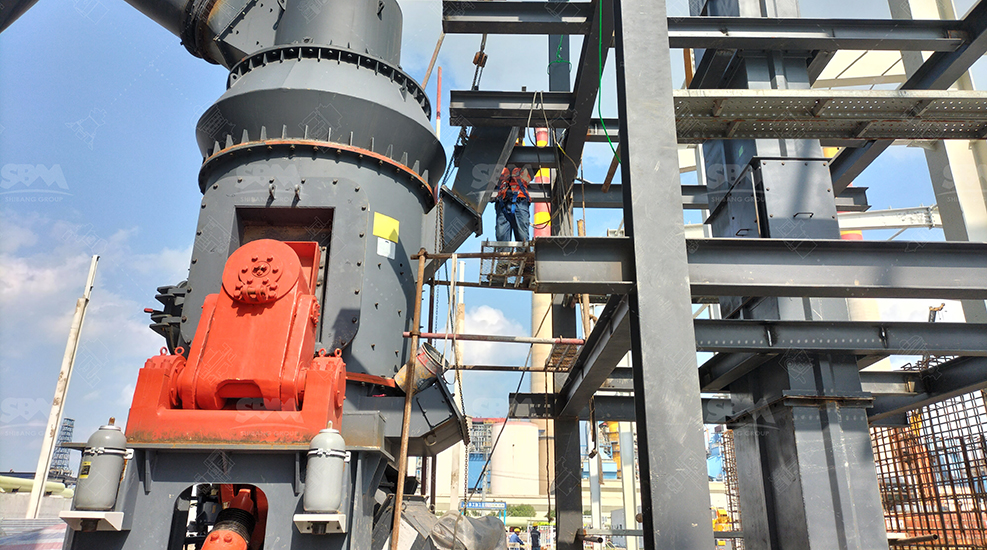
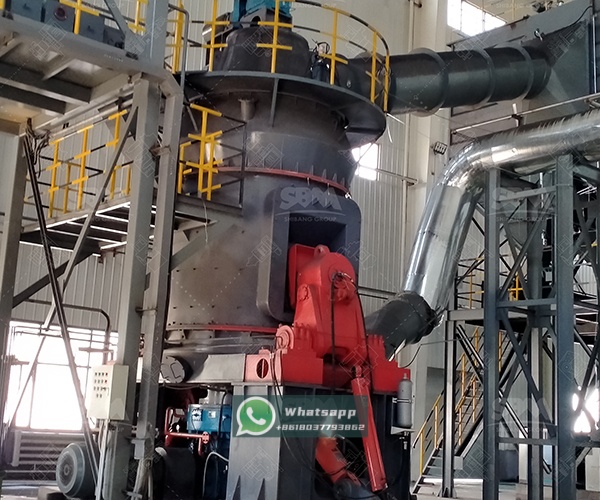
For operations prioritizing a smaller footprint, lower energy consumption, and integrated drying (useful if basalt feedstock has moisture), the LM Vertical Grinding Mill is an outstanding choice. This mill integrates five functions—crushing, grinding, powder selection, drying, and conveying—into a single, compact unit. Its grinding roller operates directly on the grinding plate under hydraulic pressure, making it highly efficient for hard materials. The material residence time in the mill is short, which minimizes over-grinding and is excellent for achieving a sharp 200-mesh particle size distribution. Its environmental benefits, such as low noise and dust, align well with modern industrial standards.
The LM190K model, part of our Vertical Mineral Mill series, offers an excellent balance of capacity and fineness control for basalt flux production.
| Model | Plate Diameter (mm) | Capacity (t/h) | Output Fineness (μm) | Main Motor (kW) |
|---|---|---|---|---|
| LM190K | 1900 | 23-68 | 170-40 (approx. 90-400 mesh) | 500 |
Choosing Shanghai Zenith Machinery means partnering with a leader in grinding technology. Our mills are designed with a deep understanding of material science and process engineering. We provide comprehensive support, from initial site and material analysis to installation, commissioning, and after-sales service. Our equipment’s robustness ensures high availability and low lifecycle costs, which is critical for continuous metallurgical operations. By selecting a Zenith grinding solution, Indian metallurgical plants can achieve:
The production of finely ground basalt flux is a vital link in India’s metallurgical value chain. Achieving the optimal 200-mesh fineness demands reliable, efficient, and durable grinding technology. Shanghai Zenith Machinery Co., Ltd.’s advanced grinding mills, such as the MTW Trapezium Mill and the LM Vertical Mill, are engineered to meet these exact demands. They offer the perfect blend of precision, productivity, and durability to empower Indian metallurgy, ensuring that the foundational process of flux preparation contributes to stronger, cleaner, and more efficient metal production.