In the industrial materials sector of Nigeria, the demand for energy-efficient and high-capacity grinding solutions continues to expand, especially in ceramics production where raw materials require precise particle size control. Petroleum coke (petcoke), a carbon-rich solid by-product from the oil refining process, has found new applications as a raw material or energy source in ceramic product manufacturing. Its cost-effectiveness and availability in Nigeria make it a favorable option for energy-intensive industries such as ceramics. However, achieving the desired fineness and stability of ground petcoke presents significant technical challenges.
Shanghai Zenith Machinery Co., Ltd., a well-known manufacturer of ore and industrial powder grinding equipment in China, has made remarkable contributions to ultra-fine grinding technology. With decades of expertise in powder manufacturing, Zenith offers solutions designed for consistent performance, energy efficiency, and superior output finesse. The company’s range of mills—including the MTW Trapezium Grinding Mill and LM Vertical Grinding Mill—are particularly suitable for the industrial needs of Nigeria’s fast-growing ceramics sector.
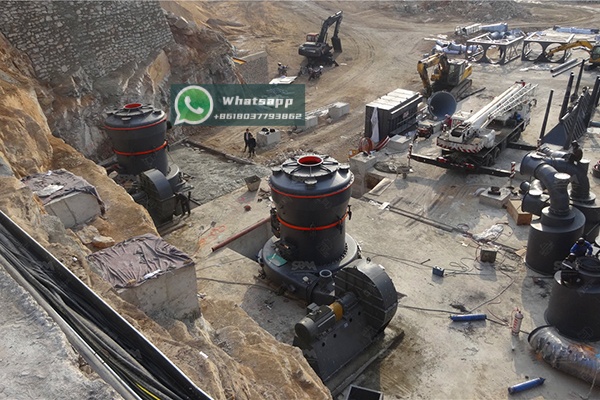
Petroleum coke is an effective source of carbon that can be utilized in both fuel and non-fuel applications. In ceramics, fine-grained petcoke can act as a pore-forming additive, influencing the sintering behavior and thermal conductivity of materials. However, the grinding process must achieve uniform particle size and consistent quality, typically within a 45–300 μm range depending on application. A throughput of 20–30 tons per hour (TPH) is often required in mid-scale ceramic operations.
To meet these demands, advanced grinding technologies that provide fine control over particle distribution, low energy consumption, and high output reliability are essential. Zenith’s grinding systems integrate multiple operational functions such as crushing, drying, classification, and material transport, ensuring seamless and efficient production.
The ceramics industry in Nigeria is undergoing automation and modernization, aiming to reduce imported raw materials and increase domestic industrialization. For a 20–30 TPH grinding line, several technical requirements must be met:
Two models from Shanghai Zenith Machinery’s extensive product range stand out as optimal solutions for petroleum coke grinding in ceramic production applications—particularly under Nigeria’s industrial operating conditions.
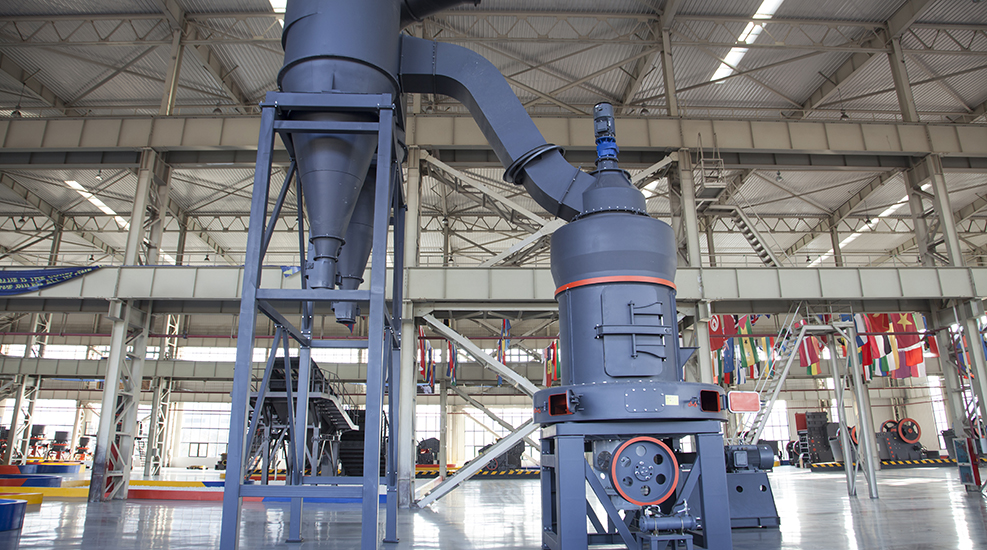
The MTW Trapezium Grinding Mill represents advanced grinding technology characterized by a compact design, high output efficiency, and environmentally conscious operation. It is widely adopted in industrial powder processing fields, including cement, ceramics, and chemical materials.
This unit integrates key features such as optimized air ducts, high-efficiency separators, and an advanced lubrication system that minimizes downtime. Its capacity range of 9.5–25 TPH (for the MTW175G model) makes it suitable for medium-scale petcoke processing lines, producing fine powder for ceramic material mixing.
| Model | Max. Feed Size (mm) | Final Size (mm) | Capacity (t/h) | Main Motor (kW) | Fan Motor (kW) |
|---|---|---|---|---|---|
| MTW138Z | <35 | 1.6–0.045 | 6–17 | 90 | 110 |
| MTW175G | <40 | 1.6–0.045 | 9.5–25 | 160 | 200 |
| MTW215G | <50 | 1.6–0.045 | 15–45 | 280 | 315 |
Among these, the MTW175G model aligns well with a 20–30 TPH requirement when combined with a supporting drying unit, allowing for a high-quality petcoke grinding process suited for ceramic production.
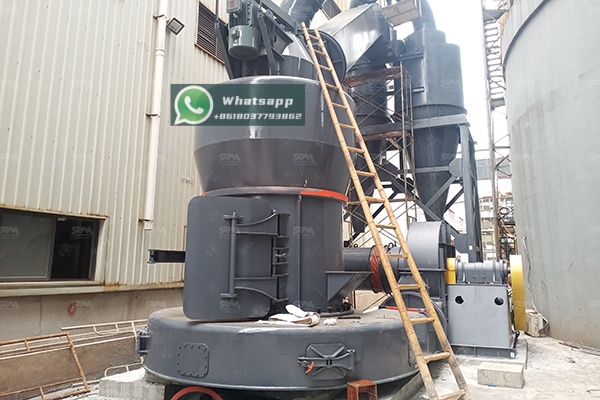
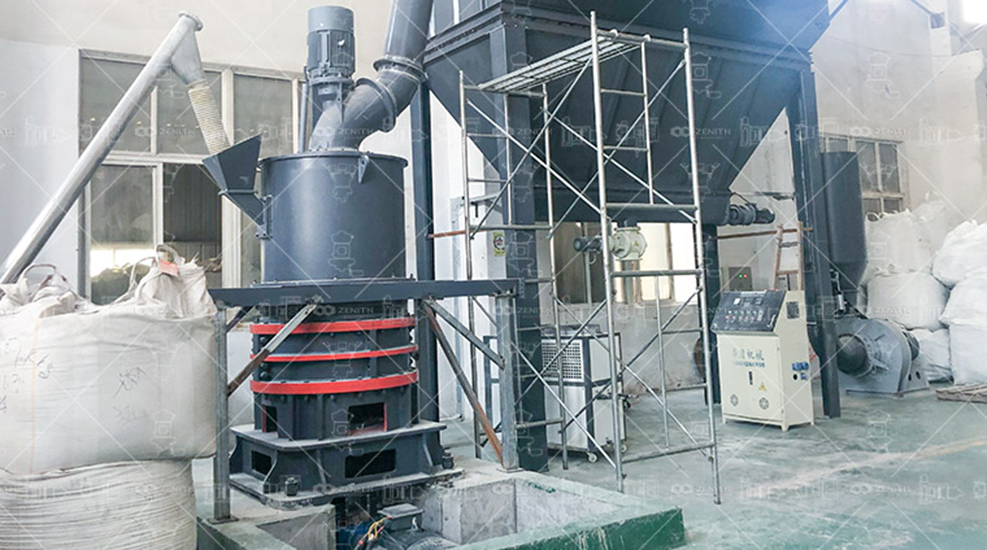
For clients seeking a more integrated and compact system, the LM Vertical Grinding Mill offers a versatile and eco-friendly solution. By combining crushing, grinding, classifying, drying, and conveying into one operation, it significantly reduces infrastructure requirements and improves energy efficiency.
The LM Vertical Mill is ideal for processing materials such as petroleum coke, limestone, clay, and slag. It provides stable product fineness with minimal vibration, making it suitable for ceramic production lines that require homogeneous feed materials.
| Model | Plate Diameter (mm) | Capacity (t/h) | Output Fineness (μm) | Max Feed Size (mm) | Main Motor (kW) |
|---|---|---|---|---|---|
| LM130K | 1300 | 10–28 | 170–40 | <38 | 200 |
| LM190K | 1900 | 23–68 | 170–40 | <45 | 500 |
| LM280K | 2800 | 50–170 | 170–45 | <50 | 1250 |
For a 20–30 TPH petcoke grinding line, the LM130K or LM190K provide the best performance-to-cost ratio. They feature automatic control systems, enabling operators to finely adjust parameters for consistent product quality and lower operating costs.
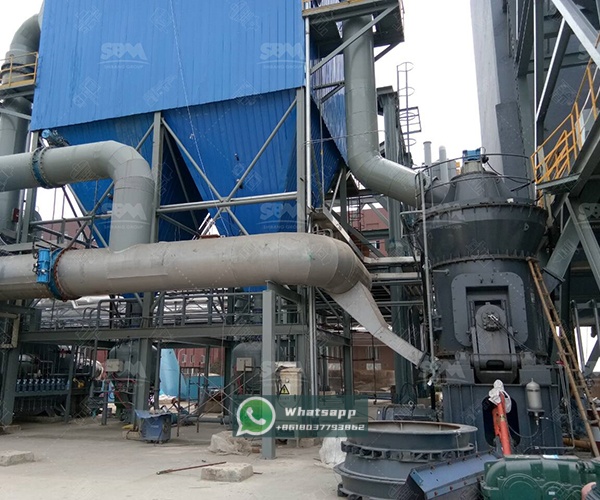
Deploying Shanghai Zenith’s advanced grinding systems provides multiple benefits for Nigerian ceramic manufacturers:
Given the diverse climatic and grid conditions across Nigeria, customized engineering solutions are often necessary. Zenith can provide local technical support and remote diagnostics to ensure stable operations. The modular design of both MTW and LM series mills facilitates easier installation in existing ceramic manufacturing facilities.
Additionally, integrating petcoke grinding systems with renewable energy sources or waste heat recovery from kilns can further enhance energy savings in ceramic plants. Such synergies align with Nigeria’s ambition to develop sustainable industrial clusters around raw material processing areas.
For Nigerian ceramic producers seeking reliable, energy-efficient, and high-capacity grinding equipment to process petroleum coke, Shanghai Zenith Machinery Co., Ltd. delivers a proven technological advantage. The company’s MTW Trapezium Grinding Mill and LM Vertical Grinding Mill represent leading solutions tailored for 20–30 TPH output, ensuring consistent fine powder quality for ceramic material applications.
Zenith continues to innovate in grinding technology, offering adaptable and sustainable solutions for industrial users globally. By integrating these machines into Nigeria’s ceramic production lines, local manufacturers can achieve world-class productivity, reduce operational costs, and maintain uniform product quality—a key step toward industrial modernization in Africa’s emerging markets.