In Zambia’s rapidly developing construction and ceramic industries, the demand for sustainable and high-quality building materials has been increasing significantly. One of the most promising areas of growth lies in the production of basalt-based ceramic tiles. Basalt, a dense and durable volcanic rock, offers superior hardness, chemical resistance, and thermal stability, making it an ideal raw material for premium-grade tile production. To efficiently convert basalt into fine powder suitable for ceramic tile production, precise and energy-efficient grinding technology is essential.
Shanghai Zenith Machinery Co., Ltd., a leading manufacturer of ore grinding equipment in China, has established a strong reputation for excellence in developing advanced solutions for industrial powder processing. With world-class R&D capability and decades of experience, Zenith’s grinding mills are widely used across mining, metallurgy, and construction materials industries. In this article, we discuss how basalt grinding mills from Shanghai Zenith Machinery can support a tile production line of 10–20 TPH capacity in Zambia.
Basalt powder acts as a critical ingredient in the ceramic glaze and tile body. When finely ground, basalt can contribute to tile hardness, color uniformity, and resistance to abrasion. Its natural mineral composition — rich in silicon, iron, and aluminum — allows for the production of dense, durable, and visually appealing tiles. For commercial tile production lines operating within a 10–20 tons per hour (TPH) range, consistent fineness and stable throughput are critical factors.
The production of basalt powder involves several key stages, including:
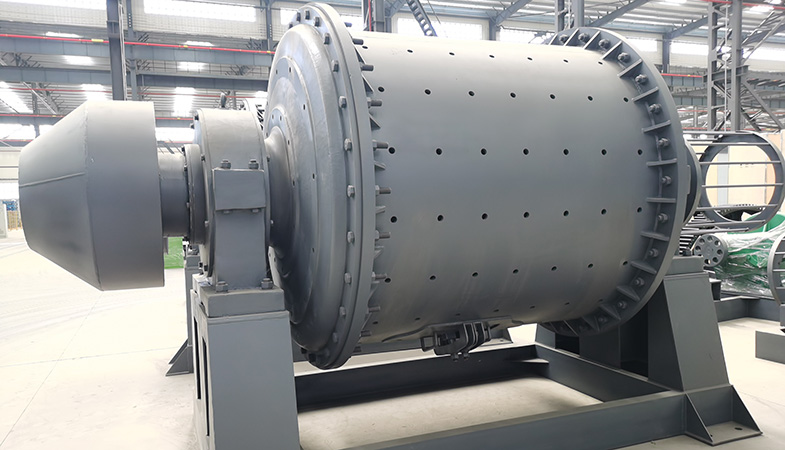
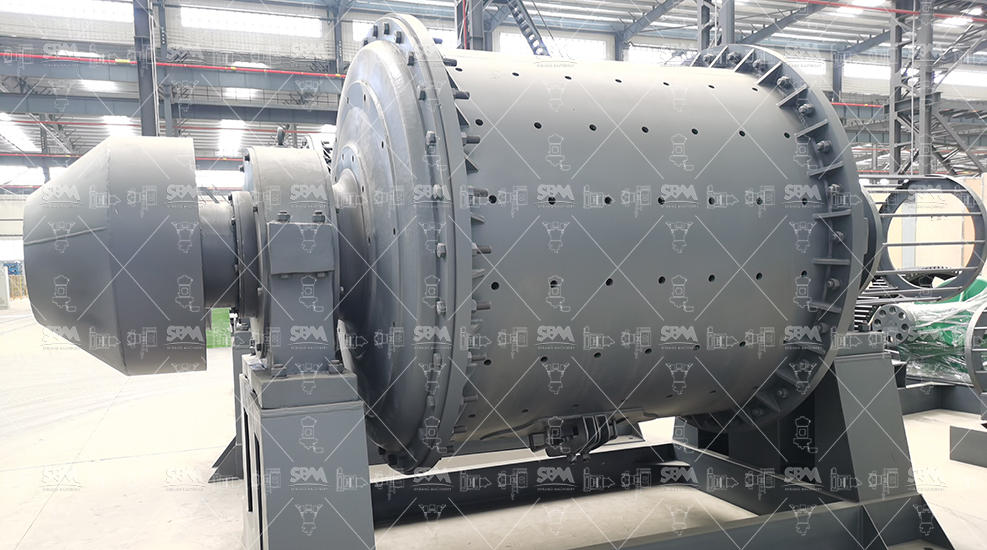
For a basalt grinding line with a production capacity of 10–20 TPH, two models from Shanghai Zenith Machinery Co., Ltd. are particularly suitable — the MTW Trapezium Grinding Mill and the LM Vertical Grinding Mill. Both machines are engineered for high output, reliability, and low energy consumption while maintaining consistent particle quality.
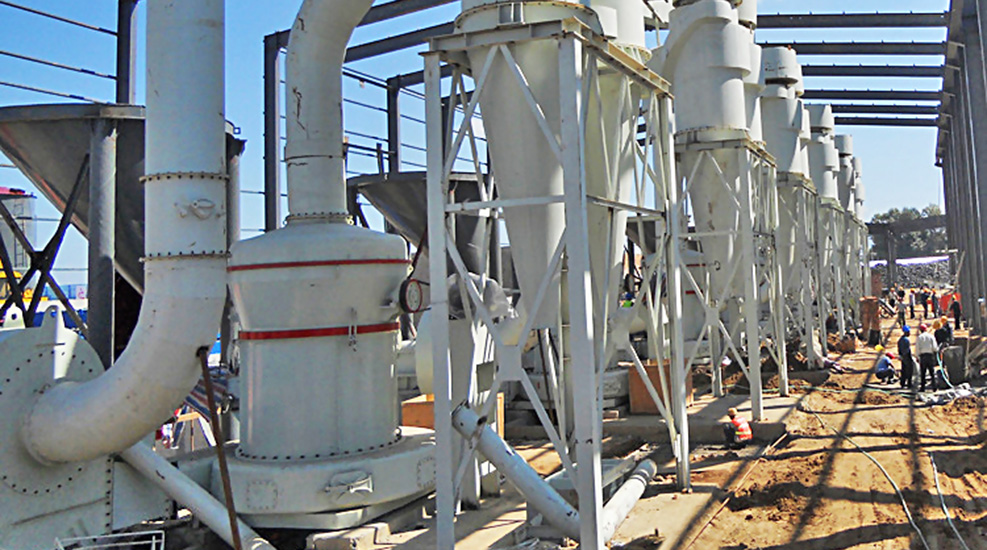
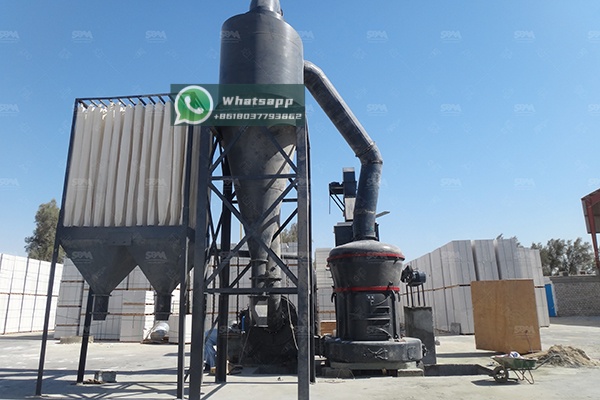
The MTW Trapezium Grinding Mill is designed with a compact structure, advanced airflow system, and efficient classifier assembly. It ensures precise control over product fineness, making it ideal for basalt powder production in tile applications. Its European technology-based design ensures stable performance, even under demanding working conditions like those in Zambian environments.
| Model | Max. Feed Size (mm) | Final Size (mm) | Capacity (t/h) | Main Motor (kW) | Fan Motor (kW) |
|---|---|---|---|---|---|
| MTW138Z | <35 | 1.6–0.045 | 6–17 | 90 | 110 |
| MTW175G | <40 | 1.6–0.045 | 9.5–25 | 160 | 200 |
For a production capacity between 10 and 20 TPH, the MTW175G model is particularly recommended. Its robust power configuration (160 kW main motor) guarantees smooth operation and uniform powder characteristics suitable for ceramic processing.
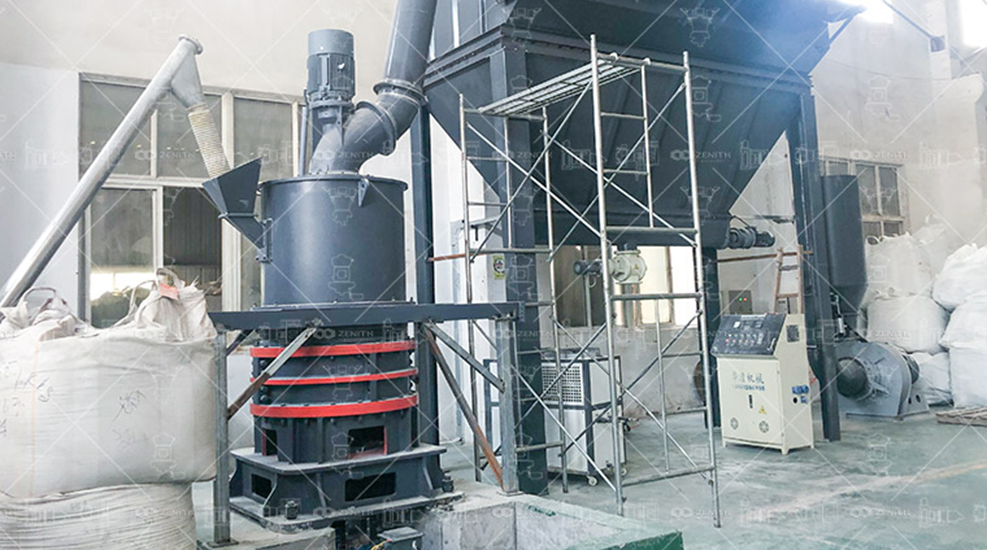
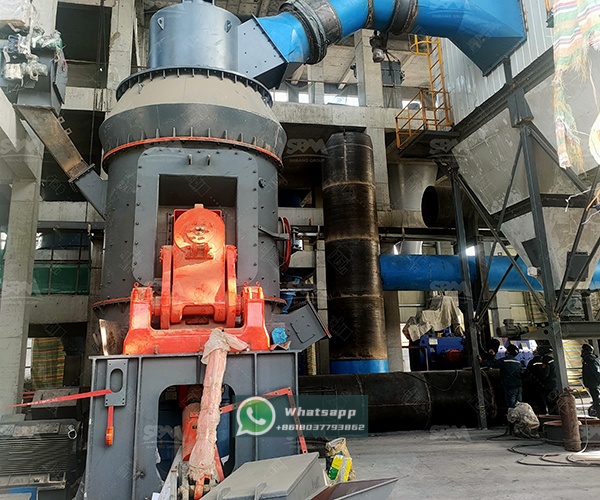
The LM Vertical Grinding Mill integrates crushing, grinding, powder selection, drying, and conveying functions into one unit. This multi-functional design minimizes installation space and reduces system complexity, making it excellent for projects in Zambia where infrastructure resources might be limited. The vertical grinding structure also ensures high drying efficiency — beneficial when processing basalt with varying moisture content.
As basalt grinding demands consistent micronization with minimal energy loss, the LM130K or LM190K model could serve perfectly for a 10–20 TPH tile powder production line.
| Model | Plate Diameter (mm) | Capacity (t/h) | Output Fineness (μm) | Max Feed Size (mm) | Main Motor (kW) |
|---|---|---|---|---|---|
| LM130K | 1300 | 10–28 | 170–40 | <38 | 200 |
| LM190K | 1900 | 23–68 | 170–40 | <45 | 500 |
Among these, the LM130K model fits ideally within the 10–20 TPH capacity range for basalt tile applications. Its integrated system simplifies installation and maintenance — key advantages for medium-scale projects in Zambia’s industrial zones.
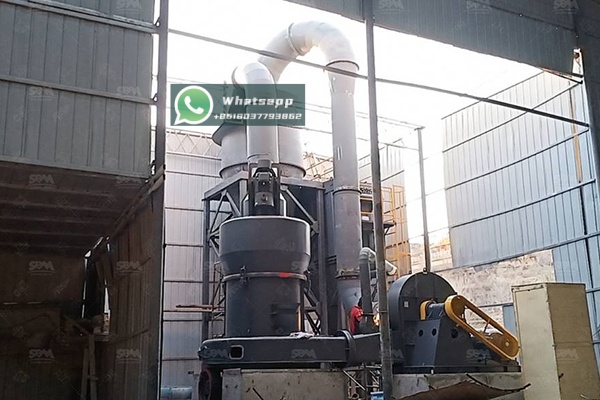
Both the MTW and LM series grinding mills incorporate advanced airflow systems and dust collectors to minimize environmental impact. In Zambia, where many production facilities strive to meet sustainable development goals, these eco-friendly features are crucial. The mills feature sealed gearboxes and pulse dust collectors that reduce noise and maintain a clean workspace. Furthermore, their energy savings of up to 30% compared to traditional mills can significantly reduce operational costs over time.
A typical basalt grinding system customized for tile production in Zambia may include:
The modular design of Zenith grinding systems allows easy scaling and maintenance. Integration with smart PLC systems can further enhance production stability and data monitoring capabilities.
Shanghai Zenith Machinery Co., Ltd. is dedicated to delivering comprehensive grinding solutions backed by technical expertise and reliable after-sales support. Key advantages include:
With robust engineering capability and a customer-first approach, Zenith provides not just machines but total production line solutions tailored for local industrial demands.
As Zambia continues to expand its tile manufacturing capacity, adopting an efficient basalt grinding solution becomes essential for competitiveness and sustainability. For a 10–20 TPH production line, both the MTW Trapezium Grinding Mill and the LM Vertical Grinding Mill from Shanghai Zenith Machinery Co., Ltd. represent optimal choices. They deliver the ideal combination of consistency, energy efficiency, and technological reliability. By integrating these systems, Zambian tile producers can achieve higher-quality basalt powders that translate into superior tile performance and cost-effective production.
Whether you are setting up a new tile plant or upgrading an existing one, contact Shanghai Zenith Machinery Co., Ltd. for professional consultation and customized solution design.