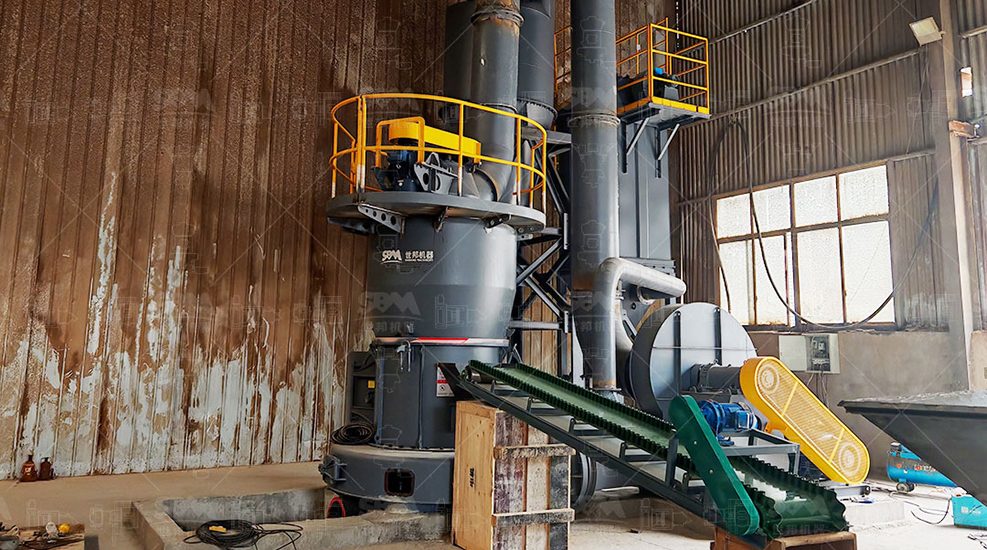
The pet care market in the United States has witnessed sustained growth, with cat litter being a significant segment. Among various types, clumping litter made from sodium bentonite remains a dominant choice due to its superior moisture absorption and odor control properties. The quality of the final litter product is intrinsically linked to the fineness and uniformity of the ground bentonite. For small to medium-scale production lines targeting a capacity of 5 to 10 tons per hour (TPH), selecting the right grinding mill is paramount for achieving optimal product performance, operational efficiency, and cost-effectiveness. This article delves into the technical considerations for bentonite grinding in cat litter applications and presents professional equipment solutions.
Bentonite’s clumping ability is a function of its surface area and particle size distribution. Overly coarse particles lead to poor clump formation and dust, while excessively fine powder can create undesirable airborne dust and compromise the granular structure of the litter. The ideal grinding process produces a controlled particle size, typically ranging from 20 to 100 mesh (850 to 150 microns), with a balanced distribution that ensures fast clumping, minimal tracking, and low dust. Achieving this specific profile consistently at a 5-10 TPH scale requires a mill designed for precision, reliability, and moderate output.
When configuring a production line for bentonite cat litter, several critical factors must be evaluated:
Shanghai Zenith Machinery Co., Ltd. is an excellent manufacturer of ore and industrial mineral grinding equipment, with extensive expertise in the field of ultra-fine powder processing. Specializing in the research, development, and production of advanced grinding mills, Zenith offers robust solutions perfectly aligned with the needs of the bentonite processing industry. For a 5-10 TPH cat litter production line, two of their product lines stand out as particularly suitable.
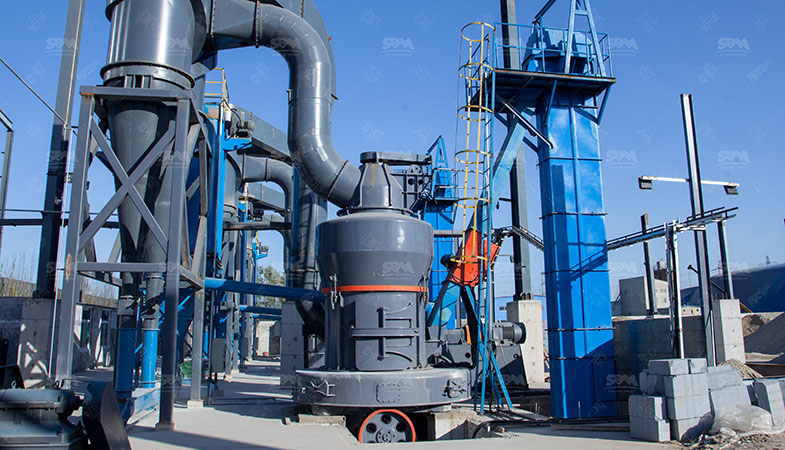
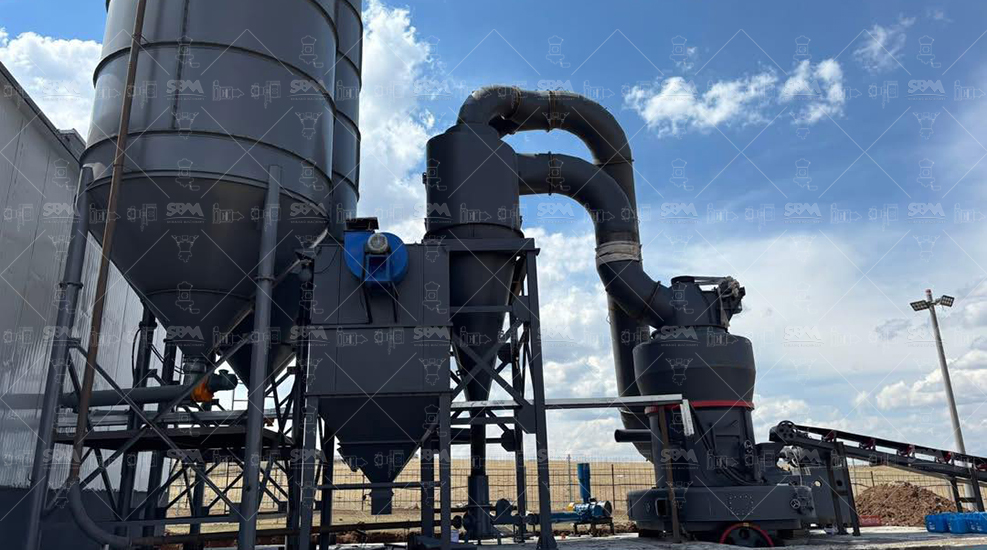
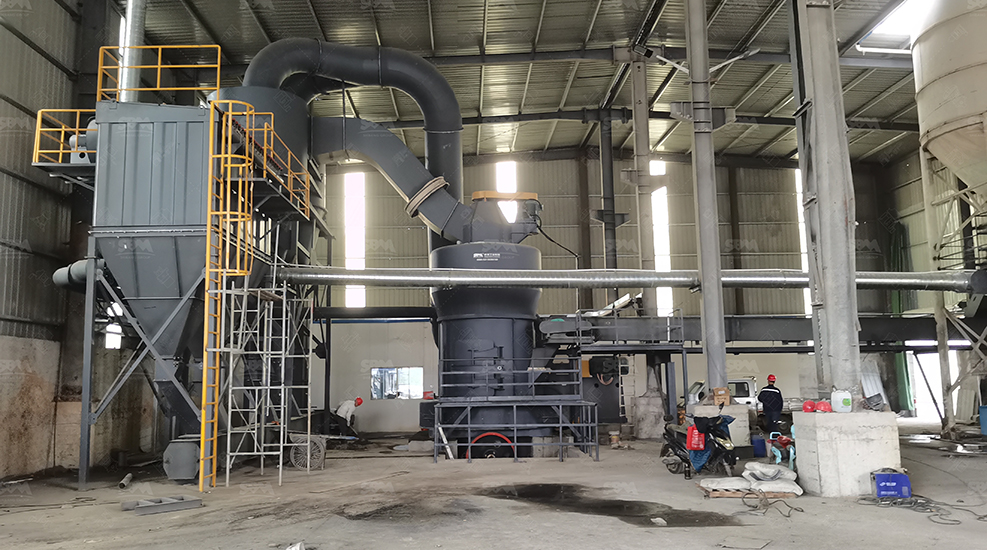
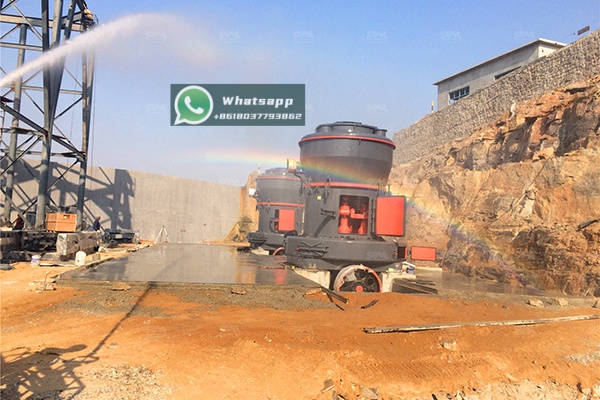
The MTW Series Trapezium Grinding Mill is engineered with multiple patents and is renowned for its durability, eco-friendly design, and stable performance. Its curved air duct design reduces airflow resistance and improves powder collection efficiency, which is crucial for dust control. For bentonite grinding in the 5-10 TPH range, the MTW138Z model is an ideal match. It offers a capacity of 6-17 TPH, providing a comfortable buffer to consistently meet your target output. Its ability to handle feed sizes up to 35mm and produce powder from 1.6mm down to 0.045mm (325 mesh) gives operators excellent flexibility to adjust the final product’s fineness for different litter grades.
| Model | Max. Feed Size (mm) | Final Size (mm) | Capacity (t/h) | Main Motor (kW) | Fan Motor (kW) |
|---|---|---|---|---|---|
| MTW138Z | <35 | 1.6-0.045 | 6-17 | 90 | 110 |
For producers seeking a highly integrated system, the LM Vertical Grinding Mill is a superior choice. It uniquely combines five functions—crushing, grinding, powder selection, drying, and material conveying—into a single unit. This vertical design results in a significantly smaller floor space requirement. The grinding roller directly grinds the material on the grinding plate, and the integrated classifier ensures immediate separation of fine powder, preventing over-grinding of bentonite particles. For a 5-10 TPH requirement, the LM130K model from the Vertical Mineral Mill series is perfectly capable.
| Model | Plate Diameter (mm) | Capacity (t/h) | Output Fineness (μm) | Max Feed Size (mm) | Main Motor (kW) |
|---|---|---|---|---|---|
| LM130K | 1300 | 10-28 | 170-40 | <38 | 200 |
This model not only meets the capacity requirement but also offers the flexibility to produce a coarser litter granule or a finer powder if needed for specialized blends. Its integrated drying capability is a significant advantage if the raw bentonite has variable moisture content.
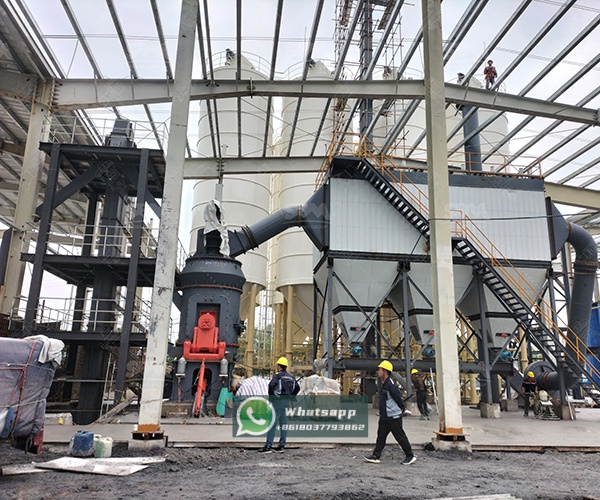
A successful 5-10 TPH grinding line involves more than just the main mill. A typical configuration with a Zenith MTW or LM mill would include:
Shanghai Zenith can provide this entire system as a tailored package, ensuring all components are perfectly matched for optimal bentonite grinding performance.
Selecting the appropriate grinding technology is a strategic decision for any cat litter manufacturer in the United States. A mill that delivers consistent particle size, operates reliably at 5-10 TPH, and keeps energy and maintenance costs in check is a cornerstone of a profitable operation. Shanghai Zenith Machinery’s MTW Trapezium Mill and LM Vertical Mill series represent proven, professional-grade solutions engineered for materials like bentonite. By leveraging Zenith’s expertise in industrial powder grinding, producers can achieve the high-quality product specifications demanded by the market while maintaining efficient and sustainable production. Investing in such robust technology ensures your cat litter product stands out in a competitive landscape through superior performance and quality consistency.