Bentonite is widely used in the oil and gas drilling industry, primarily as a drilling mud additive to control subsurface pressure, stabilize boreholes, and cool drilling tools. With growing exploration activities in Africa — particularly in Zambia — there is a tangible demand for efficient bentonite grinding mills capable of producing fine, consistent powders for drilling mud applications. This article explores the requirements and advantages of a bentonite grinding system designed for a capacity of 5–10 tons per hour (TPH), with specific focus on the equipment offered by Shanghai Zenith Machinery Co., Ltd..
Bentonite, known for its high swelling capacity and rheological properties, is a critical component in drilling mud formulations. The material’s ability to absorb water, form thixotropic gels, and increase fluid viscosity ensures smooth drilling operations. To achieve these functional properties, bentonite must be ground into fine powder — typically between 200–325 mesh. The efficiency and precision of the grinding process directly influence the quality of the final drilling fluid.
In Zambia, where mining and exploration projects continue to expand, the local market demands a reliable and cost-effective bentonite grinding solution. Zenith’s mills are perfectly suited for such applications, offering stable performance, energy efficiency, and reliable output in the 5–10 TPH range.
The grinding of bentonite involves several key stages:
This process requires reliable equipment capable of maintaining stable performance under continuous load conditions. Below we highlight two of Zenith’s best solutions for the 5–10 TPH bentonite grinding requirement.
Shanghai Zenith Machinery Co., Ltd., a leading Chinese manufacturer of industrial grinding equipment, has a proven track record in the production of high-quality mills designed for mineral processing, including bentonite, limestone, calcite, and other non-metallic minerals. For a 5–10 TPH bentonite grinding plant in Zambia, two models stand out:
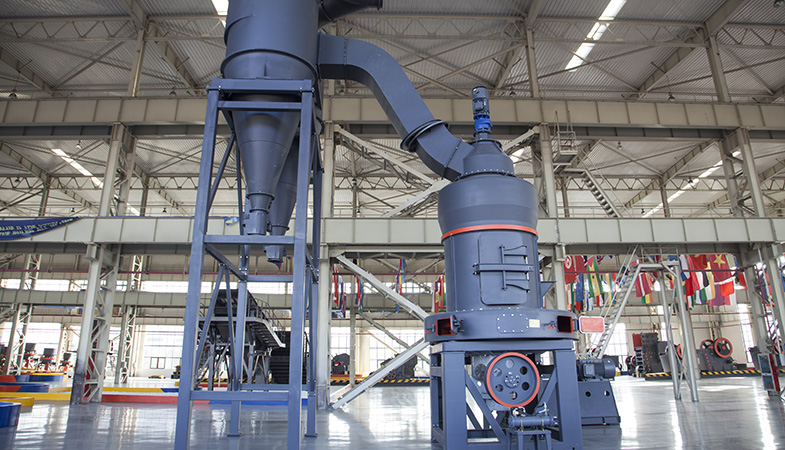
The MTW Trapezium Grinding Mill is an advanced grinding system uniquely engineered by Shanghai Zenith Machinery. It is ideal for medium-scale production of bentonite powder for drilling applications. With its intelligent design, efficient powder classifier, and reliable performance, the MTW110Z or MTW138Z models fit perfectly into a 5–10 TPH production line.
| Model | Max. Feed Size (mm) | Final Size (mm) | Capacity (t/h) | Main Motor (kW) | Fan Motor (kW) |
|---|---|---|---|---|---|
| MTW110 | <30 | 1.6–0.045 | 3–9 | 55 | 55 |
| MTW110Z | <30 | 1.6–0.045 | 3–10 | 55 | 55 |
| MTW138Z | <35 | 1.6–0.045 | 6–17 | 90 | 110 |
For a 5–10 TPH bentonite line, the MTW110Z model is particularly suitable, offering steady output and fine control of particle size distribution, vital for high-quality drilling mud.
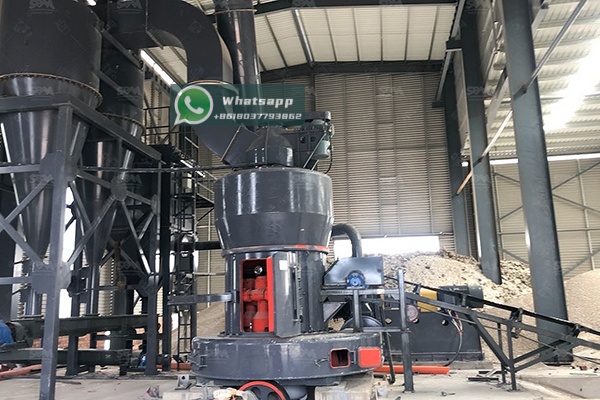
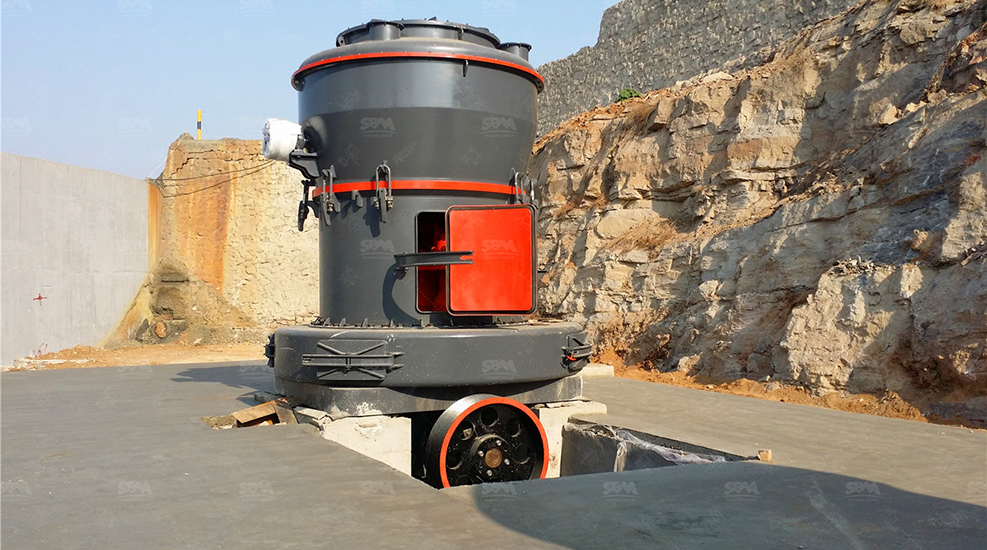
The MTM Medium-Speed Grinding Mill serves as an excellent alternative to the MTW series, especially in setups where energy savings and operational simplicity are crucial. This mill combines high productivity with low operational costs, making it an economical solution for mid-tier bentonite plants in Zambia.
| Name | Ring Roll Number (pcs) | Max. Feed Size (mm) | Output (t/h) | Main Unit Motor Power (kW) |
|---|---|---|---|---|
| MTM100 | 4 | <25 | 3–8 | 37 |
| MTM130 | 5 | <30 | 6–11 | 75 |
| MTM160 | 6 | <35 | 9–22 | 132 |
The MTM130 model is a solid fit for the 5–10 TPH bentonite grinding line. Its efficient structure ensures minimal power loss, while the optimized air-flow system delivers uniform powder fineness, essential for consistent drilling mud performance.
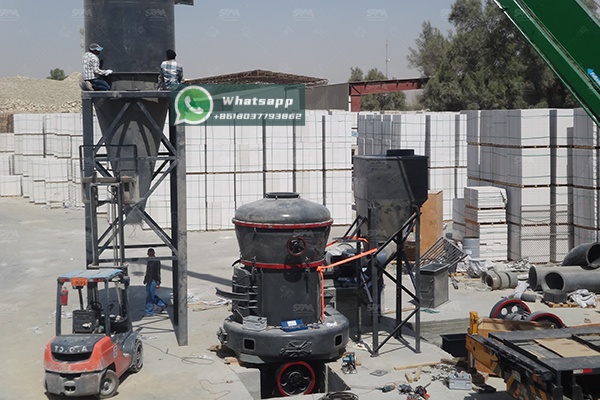
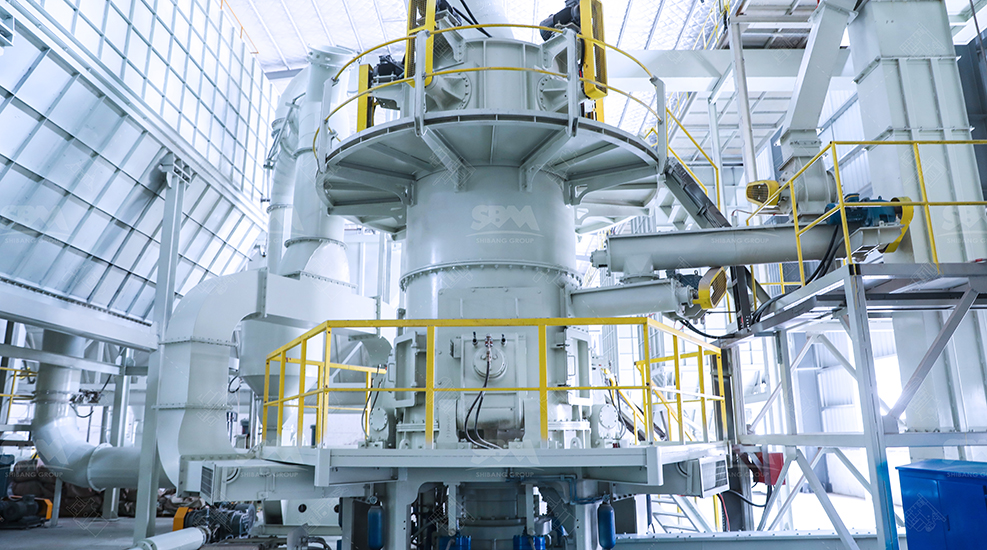
A standard 5–10 TPH bentonite grinding system can be configured as follows:
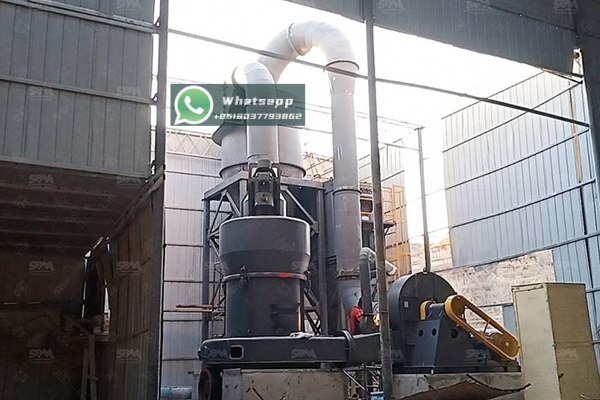
Such an integrated setup ensures the plant’s smooth operation, high efficiency, and consistent product output. The plant can easily adapt to Zambian environmental conditions and power supply standards, whether installed near mining sites or industrial zones.
Choosing a high-performance grinding solution from Shanghai Zenith Machinery not only improves production efficiency but also yields significant environmental and economic advantages:
In summary, establishing a 5–10 TPH bentonite grinding mill for drilling mud applications in Zambia represents a strong opportunity in the industrial minerals sector. With advanced technology, eco-friendly design, and proven reliability, the MTW Trapezium Grinding Mill and MTM Medium-Speed Grinding Mill from Shanghai Zenith Machinery Co., Ltd. are standout choices. They provide the precise particle size control and cost-efficiency required by modern drilling operations.
By partnering with Shanghai Zenith Machinery, Zambian operators can ensure long-term productivity, lower operational costs, and consistent product quality—solidifying their competitive edge in the regional mining supply chain.