The Turkish rubber industry is a significant and growing sector, demanding high-performance fillers to enhance product quality, durability, and cost-effectiveness. Among various mineral additives, bentonite clay, when processed to ultra-fine levels such as 800 mesh (approximately 18 microns), emerges as a superior functional filler. Its unique layered silicate structure, high surface area, and cation exchange capacity contribute to improved tensile strength, tear resistance, barrier properties, and processing characteristics in rubber compounds. However, unlocking these benefits hinges entirely on the efficiency and capability of the grinding technology employed. This article delves into the technical requirements for producing 800-mesh bentonite for rubber filler applications in Turkey and explores the optimal milling solutions.
Bentonite is not merely an inert extender; it is a functional filler. When ground to 800 mesh fineness, its platelets disperse more uniformly within the rubber matrix. This fine dispersion leads to several key advantages:
For Turkish manufacturers aiming to compete in both domestic and international markets, achieving consistent 800-mesh quality is a strategic imperative. The challenge lies in selecting a grinding mill that can handle bentonite’s sometimes variable moisture content and abrasiveness while delivering precise particle size distribution, high throughput, and energy efficiency.
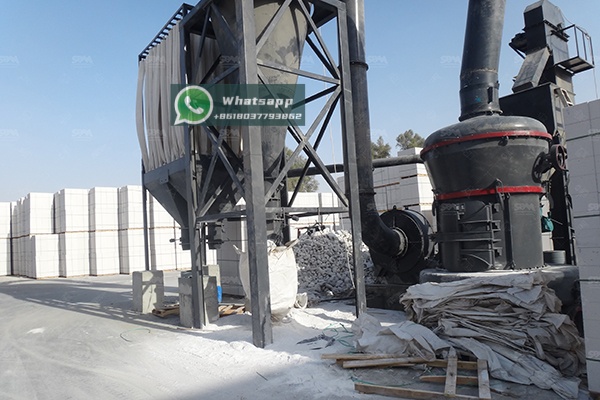
Grinding bentonite to an ultra-fine powder presents specific challenges that not all milling equipment can overcome:
Shanghai Zenith Machinery Co., Ltd., an excellent manufacturer of ore and industrial grinding equipment, has made significant achievements in the field of ultra-fine powder processing. With specialized R&D in powder grinding technology, Zenith offers robust solutions perfectly aligned with the demands of producing 800-mesh bentonite for rubber filler. Among their comprehensive product line, two mills stand out for this specific application.
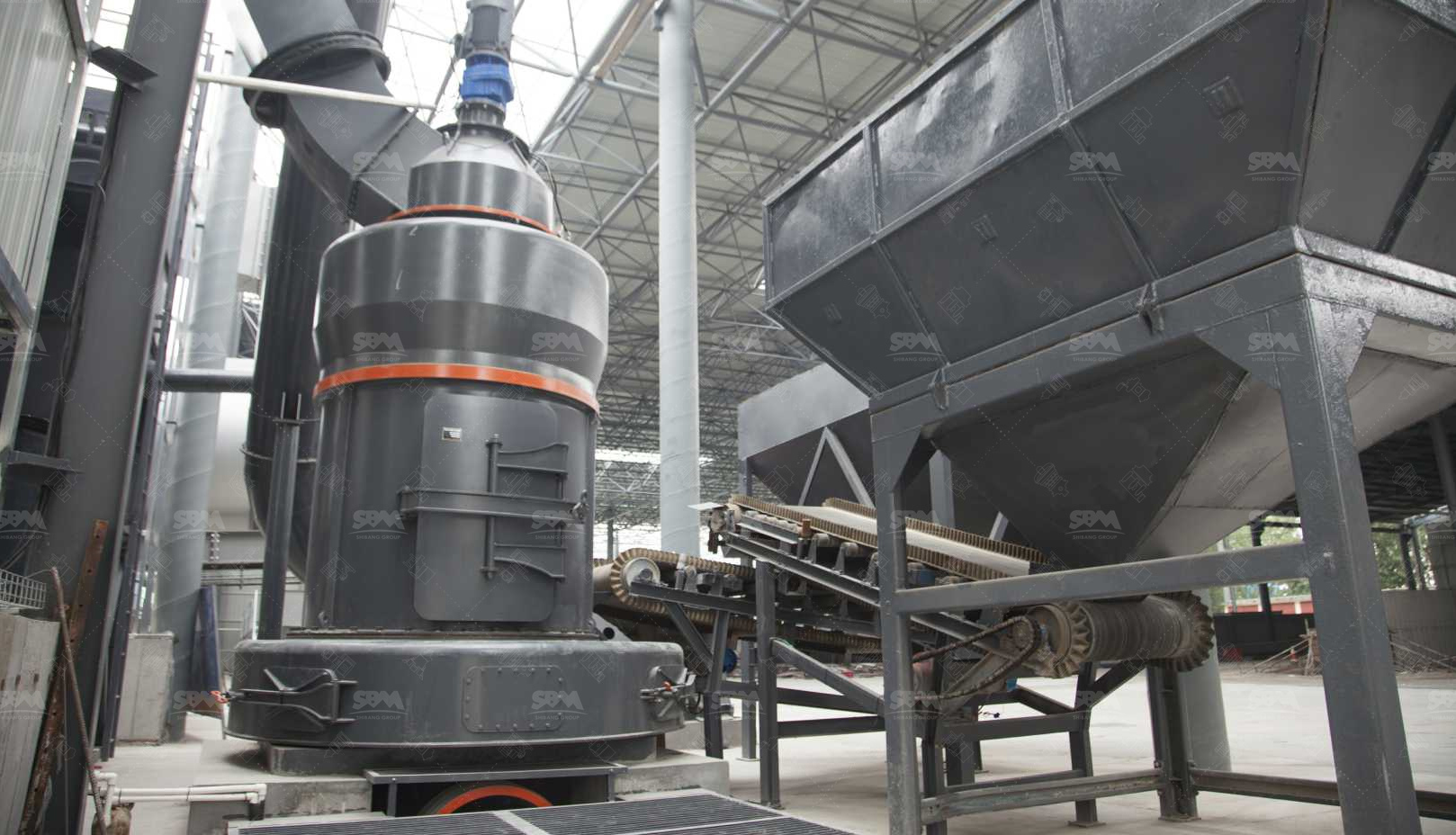
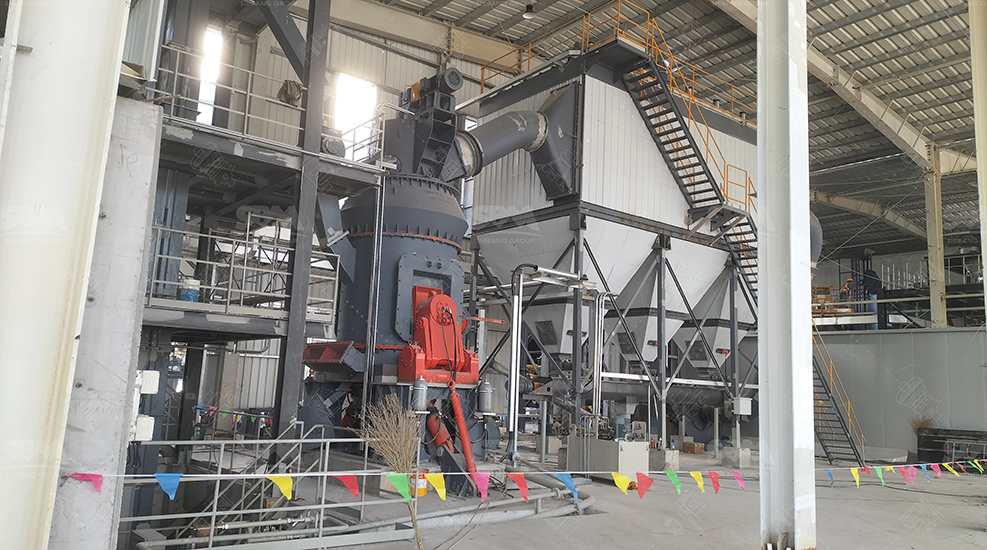
For Turkish producers seeking a state-of-the-art, all-in-one solution, the LUM Ultrafine Vertical Mill is highly recommended. It is engineered to integrate grinding, drying, classifying, and conveying into a single, compact unit. Its intelligent control system allows for precise adjustment of parameters to consistently hit the 800-mesh target. The mill’s design minimizes heat generation and is particularly effective for materials requiring simultaneous drying and fine grinding.
| Model | Main Machine Power (kW) | Capacity (t/h)* | Size Distribution D97 (μm) | Suitable for 800 Mesh? |
|---|---|---|---|---|
| LUM1525 | 220-250 | 1.6-11.5 | 5-30 | Yes (D97~18μm) |
| LUM1632 | 280-315 | 2.0-13.5 | 5-30 | Yes (D97~18μm) |
| LUM1836 | 355-400 | 2.3-15 | 5-30 | Yes (D97~18μm) |
*Capacity varies based on material hardness, moisture, and input size.
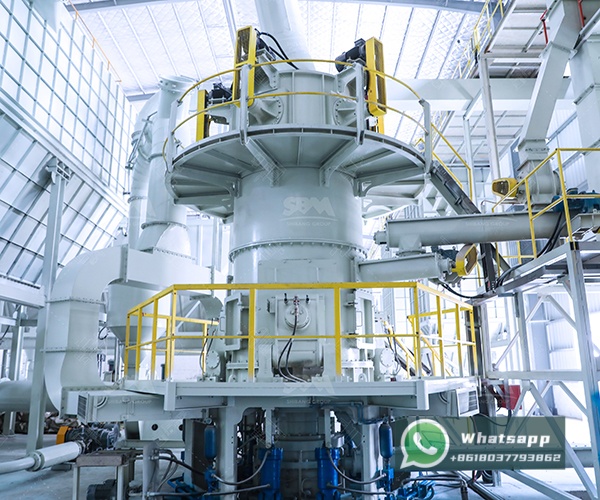
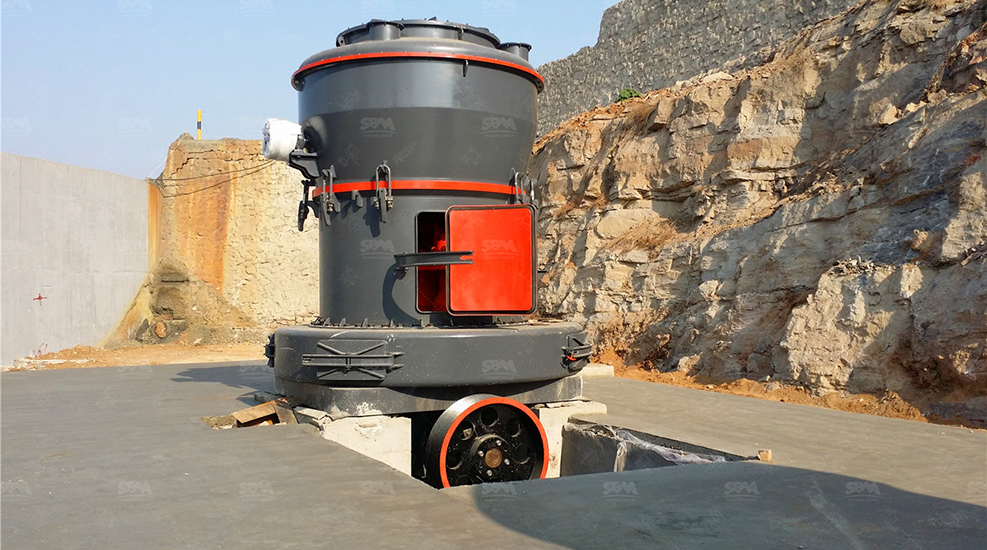
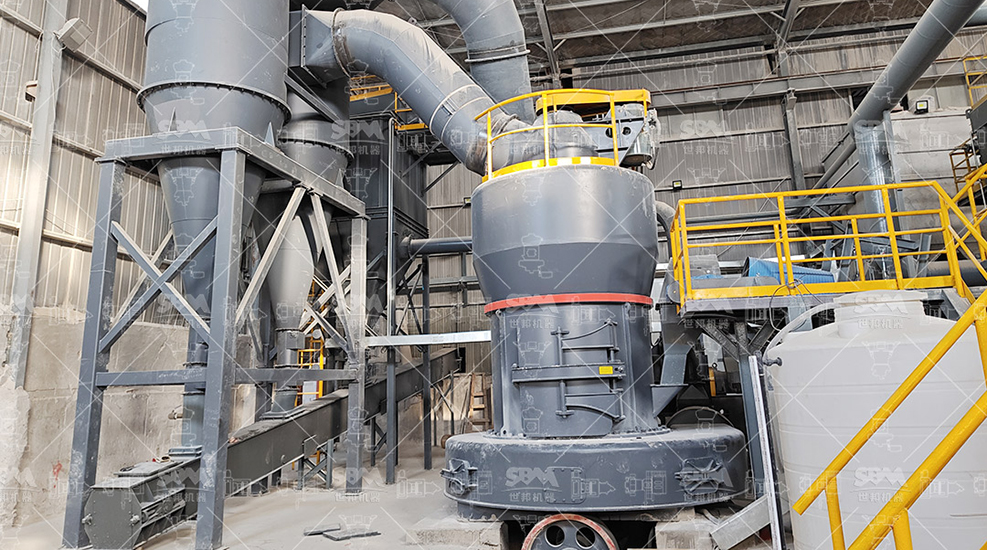
The XZM Ultrafine Grinding Mill is another flagship product from Zenith, widely recognized for superfine powder production. It is exceptionally suitable for grinding soft to medium-hard materials like bentonite with moisture content below 6%. Its advanced airflow classification system ensures precise particle size control, making it a reliable workhorse for achieving 325 to 2500 mesh fineness, comfortably encompassing the 800-mesh requirement.
| Model | Working Diameter (mm) | Max Feed Size (mm) | Final Size (mesh) | Output (kg/h)* | Main Motor Power (kW) |
|---|---|---|---|---|---|
| XZM221 | Φ800 | ≤20 | 325-2500 | 500-4500 | 75 |
| XZM268 | Φ1680 | ≤20 | 325-2500 | 5000-25000 | 315 |
*Output is highly dependent on final fineness; 800 mesh production will be in the mid-to-upper range.
Partnering with Shanghai Zenith Machinery offers distinct advantages for Turkish mineral processors and rubber filler producers:
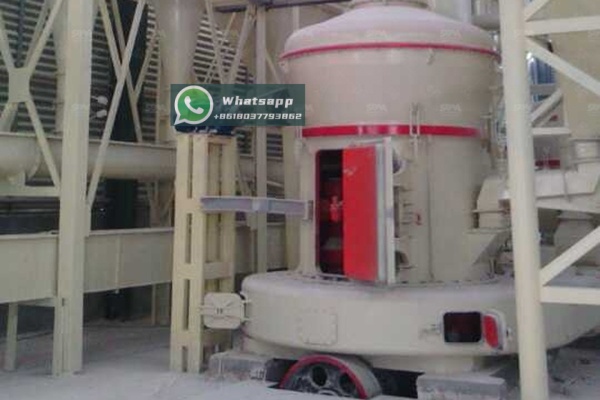
The production of high-quality, 800-mesh bentonite filler is a key value-adding process for the Turkish rubber industry. Success depends on deploying advanced, reliable, and efficient grinding technology. Shanghai Zenith Machinery’s LUM Ultrafine Vertical Mill and XZM Ultrafine Grinding Mill represent two of the most capable solutions on the market today. Their integrated design, precise classification, and energy-efficient operation make them ideal investments for producers aiming to enhance their product quality, reduce operational costs, and strengthen their competitive position in the regional and global rubber market. By choosing the right technology partner, Turkish manufacturers can fully leverage the potential of bentonite as a superior functional filler.