The rubber industry in the United States is a cornerstone of the automotive, construction, and consumer goods sectors. A key factor in enhancing the performance and cost-effectiveness of rubber products is the use of functional fillers. Among these, bentonite clay, when processed to a fine and consistent particle size such as 325 mesh (approximately 44 microns), offers significant benefits. It improves tensile strength, tear resistance, and processability while reducing material costs. The challenge, however, lies in selecting the right grinding technology to achieve this specific fineness with high efficiency, consistent quality, and operational economy. This article explores the requirements for bentonite grinding for rubber filler applications and highlights optimal milling solutions.
Producing bentonite filler for rubber is not merely about achieving a target particle size. The grinding process must meet several stringent criteria:
Several grinding technologies are employed in mineral processing, but their suitability for producing 325 mesh bentonite for rubber varies significantly.
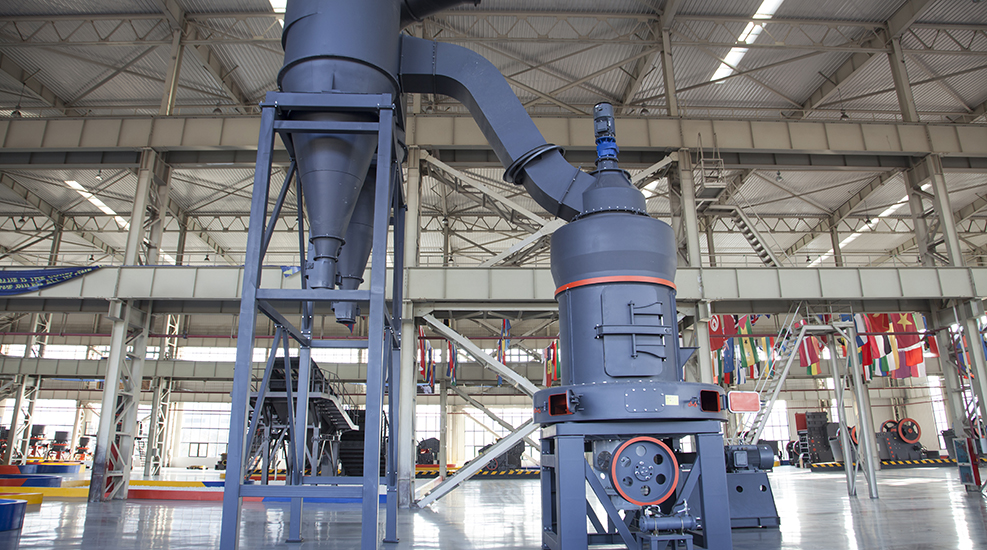
The traditional Raymond mill has been a workhorse for medium-fine grinding. It operates on the principle of roller pressure against a rotating ring. While capable of reaching 325 mesh, it often struggles with efficiency at this fineness. The classification system in older models can limit product uniformity, and the grinding process may generate more heat than is ideal for thermally sensitive materials like bentonite.
Ball mills are versatile and can produce a wide range of fineness. However, for a dedicated 325 mesh output, they are often considered overkill and inefficient. A significant portion of the energy input is wasted on noise and heat rather than effective size reduction. Furthermore, achieving a sharp top cut at 325 mesh typically requires a closed-circuit system with an external classifier, increasing the system’s footprint and complexity.
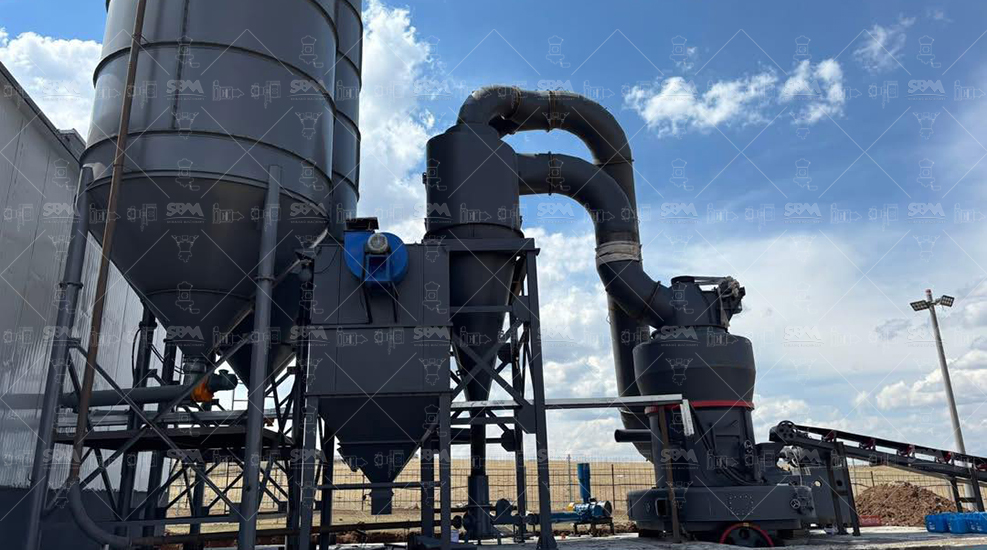
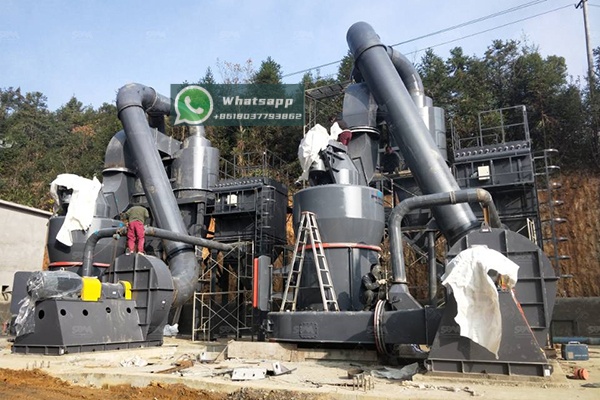
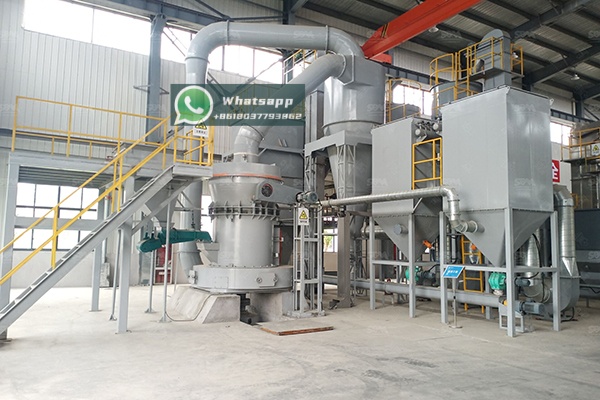
For modern, high-volume production of 325 mesh bentonite, advanced vertical roller mills and specialized ultrafine grinding mills represent the optimal choice. These systems integrate multiple functions—grinding, drying (if needed), classification, and conveying—into a single, compact unit. The material is ground between rollers and a rotating table, and an integrated high-efficiency classifier immediately separates the fines, ensuring a consistent product and preventing over-grinding. This design leads to superior energy efficiency, excellent temperature control, and exceptional product quality.
Shanghai Zenith Machinery Co., Ltd., an excellent manufacturer of ore and industrial powder grinding equipment, has made great achievements in the field of ultra-fine powder grinding. For the specific application of producing 325 mesh bentonite for rubber filler, two of their product lines stand out: the LM Vertical Grinding Mill and the XZM Ultrafine Grinding Mill.
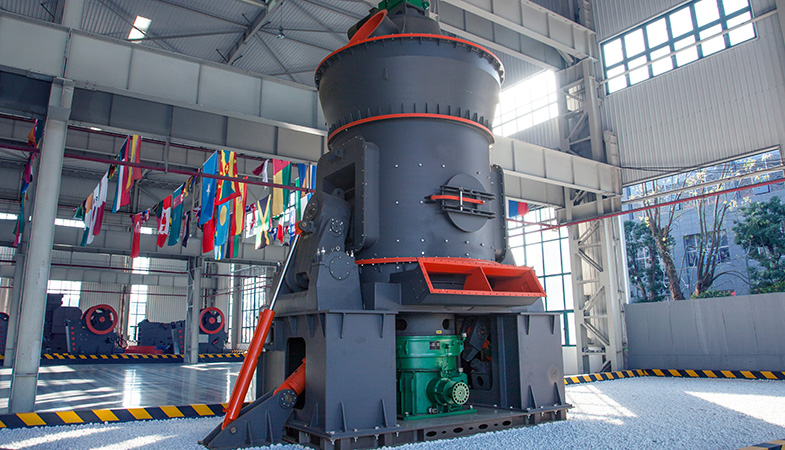
The LM Vertical Grinding Mill is particularly suited for large-capacity production. Its integrated design crushes, grinds, dries, classifies, and conveys materials in one unit. For bentonite aiming at 325 mesh, the LM Vertical Fine-powder Mill Series (LMX-GX) is the ideal model range. It is engineered to produce powder in the 325 to 600 mesh range efficiently, with excellent control over particle size distribution and minimal heat generation.
| Model | Plate Diameter (mm) | Capacity (t/h) | Output Fineness (D97) | Main Motor (kW) |
|---|---|---|---|---|
| LM130X-GX | 1300 | 4-12 | 325-600 mesh | 220 |
| LM220X-GX | 2200 | 15-30 | 325-600 mesh | 560 |
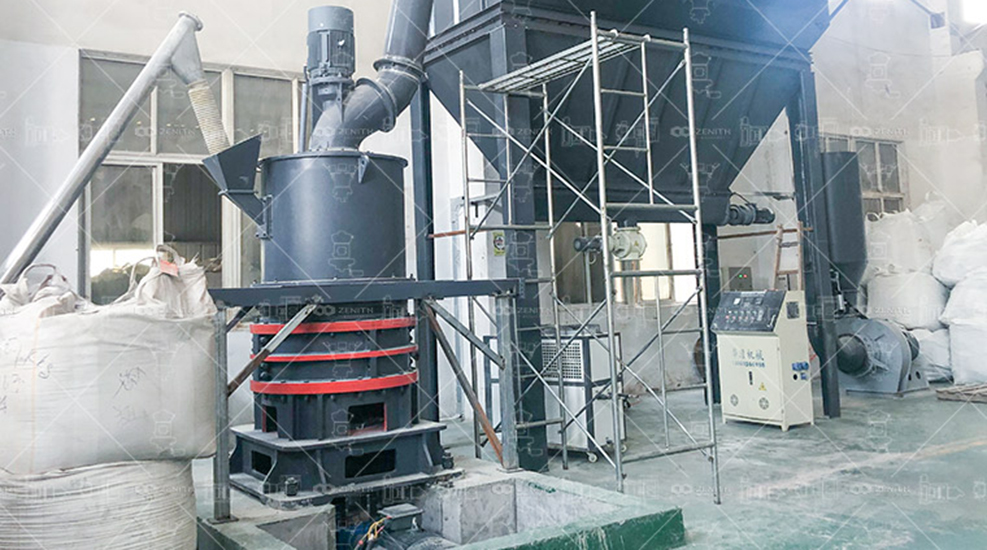
For operations requiring the utmost in fineness control or those that may also produce even finer grades, the XZM Ultrafine Grinding Mill is a premier choice. It is widely used for superfine powder production and can effortlessly achieve an output fineness between 325 and 2500 mesh. Its advanced grinding ring and roller design, coupled with a high-precision turbine classifier, ensure a narrow particle size distribution, which is perfect for high-performance rubber filler applications.
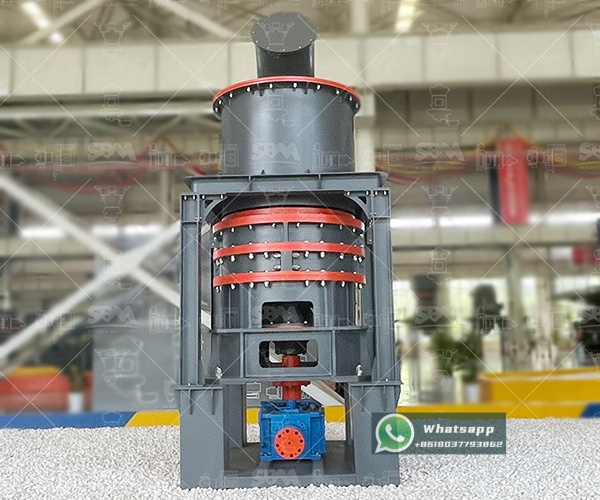
| Model | Working Diameter (mm) | Max Feed Size (mm) | Final Size (mesh) | Output (kg/h) | Main Motor Power (kW) |
|---|---|---|---|---|---|
| XZM221 | Φ800 | ≤20 | 325-2500 | 500-4500 | 75 |
| XZM268 | Φ1680 | ≤20 | 325-2500 | 5000-25000 | 315 |
For rubber compounders and bentonite processors in the United States, investing in advanced technology like Zenith’s mills translates to direct competitive advantages. The high energy efficiency reduces operational costs significantly. The production of a consistent, high-quality 325 mesh product enhances the performance of their rubber compounds, leading to better end-products. Furthermore, the robust design and automated controls minimize maintenance downtime and ensure stable, long-term production.
Zenith’s specialization in the research, development, and production of industrial powder grinding equipment means their solutions are backed by extensive expertise. They offer comprehensive support, from plant design and mill selection to installation guidance and after-sales service, ensuring a smooth project implementation for clients in the U.S. and worldwide.
The production of 325 mesh bentonite as a functional rubber filler demands a grinding solution that balances precision, efficiency, and product integrity. Moving beyond traditional milling methods, modern vertical roller mills and ultrafine grinders from specialized manufacturers like Shanghai Zenith Machinery Co., Ltd. provide the ideal technology. The LM Vertical Fine-powder Mill (LMX-GX Series) and the XZM Ultrafine Grinding Mill are engineered to meet the specific challenges of this application head-on. By delivering consistent particle size, superior energy economy, and system reliability, these mills empower U.S. rubber industry players to optimize their filler production, enhance product quality, and strengthen their market position.