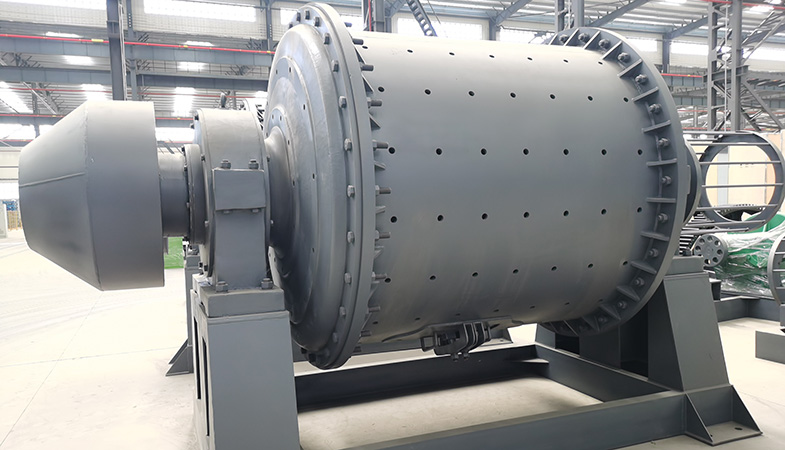
In Tanzania, as in many parts of the world, agricultural productivity and construction project stability are fundamentally linked to soil quality. Challenges such as sandy soils with poor water retention, expansive clays, and nutrient-deficient lands are prevalent. Soil improvement, or soil stabilization, is a critical practice to enhance the physical properties of soil, making it more suitable for its intended use. Among the various stabilizing agents, bentonite clay stands out for its exceptional swelling capacity, cation exchange ability, and cohesive properties. However, the efficacy of bentonite is directly proportional to its fineness and purity. This is where advanced grinding technology becomes indispensable. For projects requiring a throughput of 5 to 10 tons per hour (TPH), selecting the right bentonite grinding mill is paramount for achieving optimal soil amendment results and project economics.
Bentonite, primarily composed of montmorillonite, is a versatile material used extensively in soil amendment. In agriculture, finely ground bentonite can be applied to sandy soils to drastically improve water and nutrient retention, reducing irrigation frequency and fertilizer leaching. In construction and civil engineering, it is used to stabilize subgrades for roads, create impermeable liners for ponds and landfills, and control dust. The process involves mixing the powdered bentonite with the soil, where it hydrates, swells, and forms a gel-like structure that binds soil particles together. The finer the bentonite powder, the greater its surface area, leading to faster hydration, more uniform dispersion, and superior performance. Therefore, transforming raw bentonite lumps into a consistent, ultra-fine powder is a crucial processing step.

Designing a grinding circuit for bentonite in the 5-10 TPH range requires careful consideration of several factors beyond mere capacity:
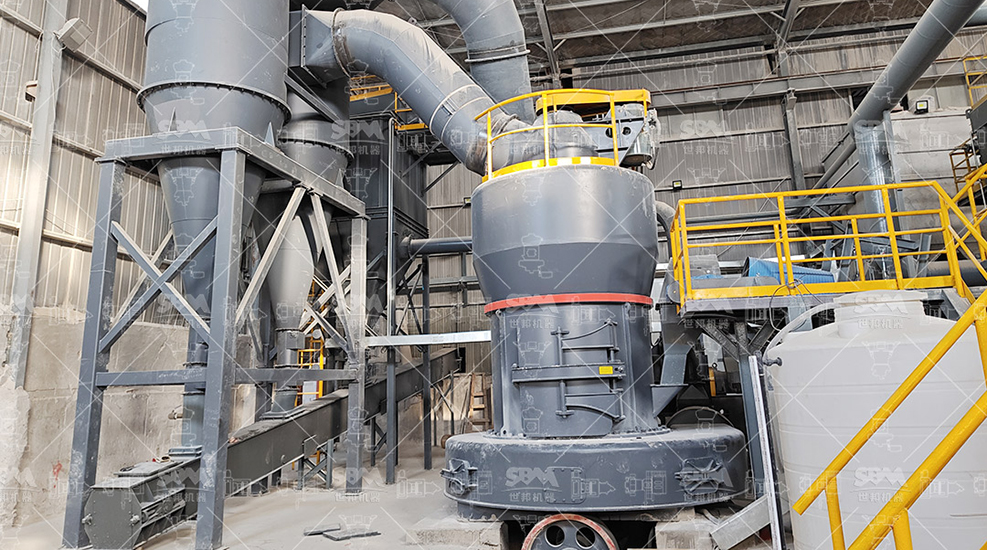
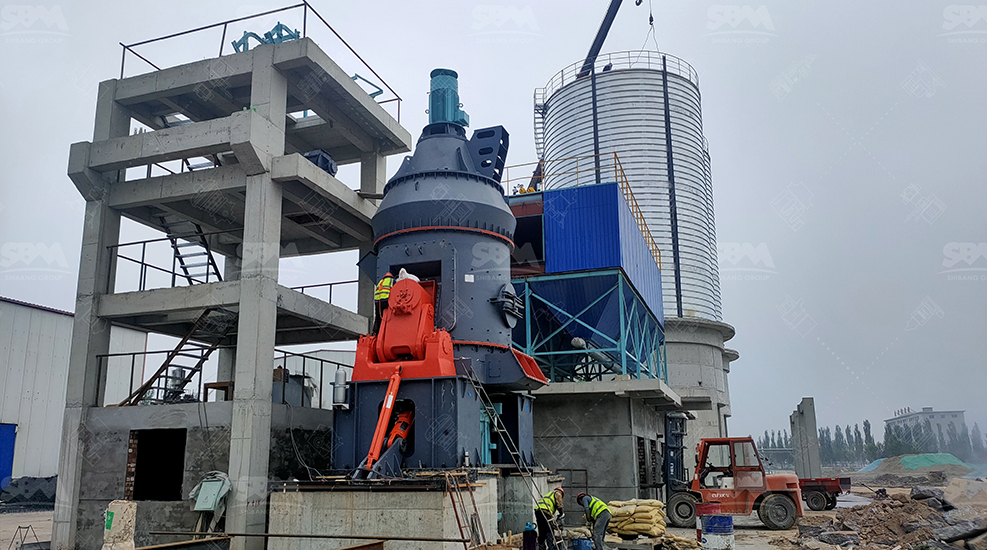
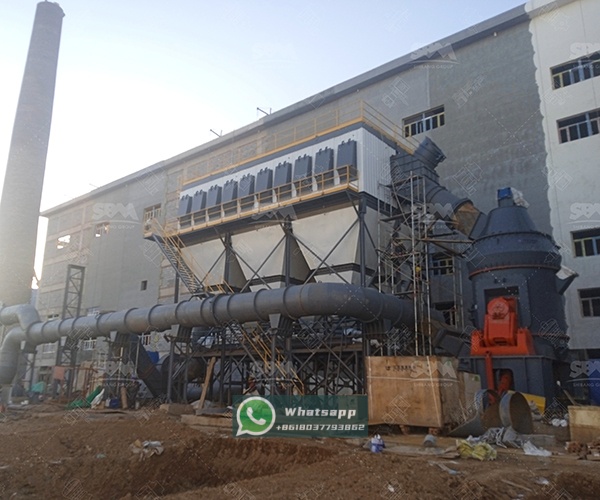
For a 5-10 TPH bentonite grinding application focused on soil improvement, Shanghai Zenith Machinery Co., Ltd., an excellent manufacturer of ore and industrial powder grinding equipment, offers an ideal solution: the LM Vertical Grinding Mill. This mill is particularly well-suited for processing moderately hard and moist materials like bentonite.
The LM Vertical Mill integrates five functions—crushing, grinding, powder selection, drying, and material conveying—into one unit. Its vertical structure occupies a small area, and the grinding roller grinds materials directly onto the grinding disc, consuming lower energy. The hot air from the inlet can dry materials with moisture content up to 15%, making it perfect for bentonite without the need for a separate dryer. For the specified capacity range, the LM130K model is a highly recommended choice.
| Model | Plate Diameter (mm) | Capacity (t/h) | Output Fineness (μm) | Max Feed Size (mm) | Main Motor (kW) |
|---|---|---|---|---|---|
| LM130K | 1300 | 10-28 | 170-40 | <38 | 200 |
As shown in the table, the LM130K comfortably covers the 5-10 TPH requirement with significant headroom for future expansion. Its ability to produce powder in the 40-170 micron range (approximately 100-400 mesh) perfectly meets the fineness needs for soil amendment. The integrated drying system handles typical bentonite moisture, simplifying the plant layout and reducing capital investment.
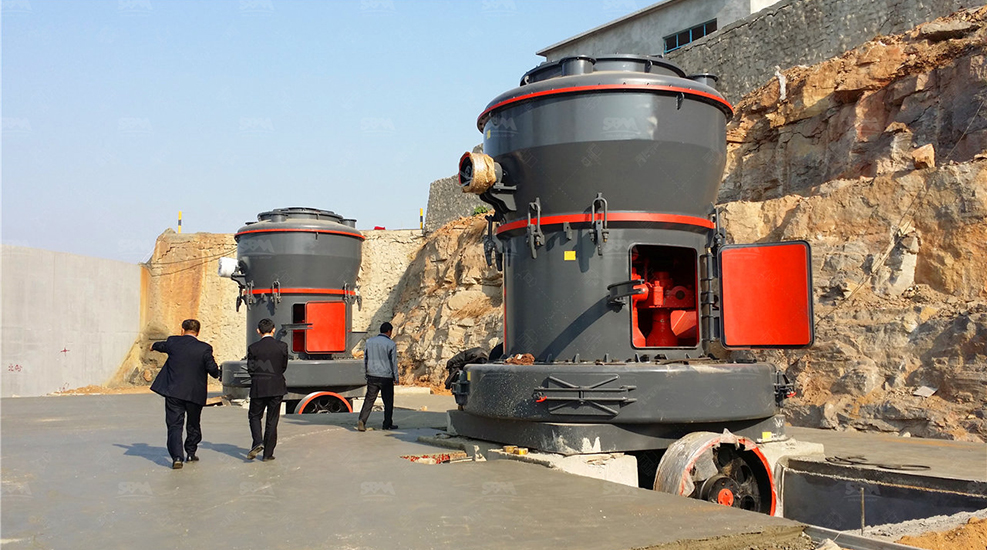
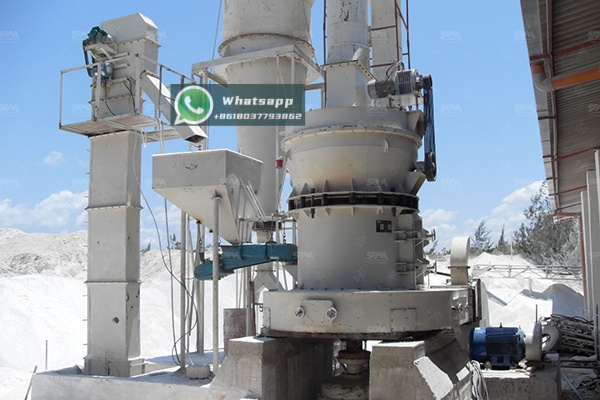
Another robust option from Shanghai Zenith’s portfolio for this application is the MTW Trapezium Grinding Mill. Known for its multiple national patents, this mill features a curved shovel blade for higher lifting capacity, an internal efficient powder separator, and an arc air channel design that reduces airflow resistance. It is an eco-friendly and intelligent grinding system. For a 5-10 TPH output, the MTW110/MTW110Z models are suitable contenders.
| Model | Max. Feed Size (mm) | Final Size (mm) | Capacity (t/h) | Main Motor (kW) |
|---|---|---|---|---|
| MTW110Z | <30 | 1.6-0.045 (approx. 10-325 mesh) | 3-10 | 55 |
The MTW series offers reliable performance, ease of maintenance, and excellent particle size distribution. Its capacity range aligns well with the project’s needs, and it can produce the fine powder required for effective soil-bentonite mixing.
A typical 5-10 TPH bentonite grinding plant for soil improvement would include a raw material feeding system (e.g., vibrating feeder), the main grinding mill (LM130K or MTW110Z), a pulse dust collector to ensure a clean environment, and a packing system or silo for product storage. The choice of Zenith’s equipment brings several economic advantages:
Investing in a dedicated bentonite grinding circuit for soil improvement projects in Tanzania is a strategic move towards sustainable agriculture and infrastructure development. A system designed for a 5-10 TPH output requires a mill that is not only capable but also efficient, reliable, and adaptable. Shanghai Zenith Machinery Co., Ltd., with its specialization in industrial powder grinding equipment, provides optimal solutions. The LM130K Vertical Grinding Mill, with its integrated drying and grinding functions, high capacity, and ideal fineness range, stands out as a top recommendation. The MTW110Z Trapezium Mill also presents a compelling, efficient alternative. By leveraging such advanced grinding technology, Tanzanian enterprises and projects can transform local bentonite resources into a high-value, performance-enhancing material, fostering soil health and supporting national development goals.