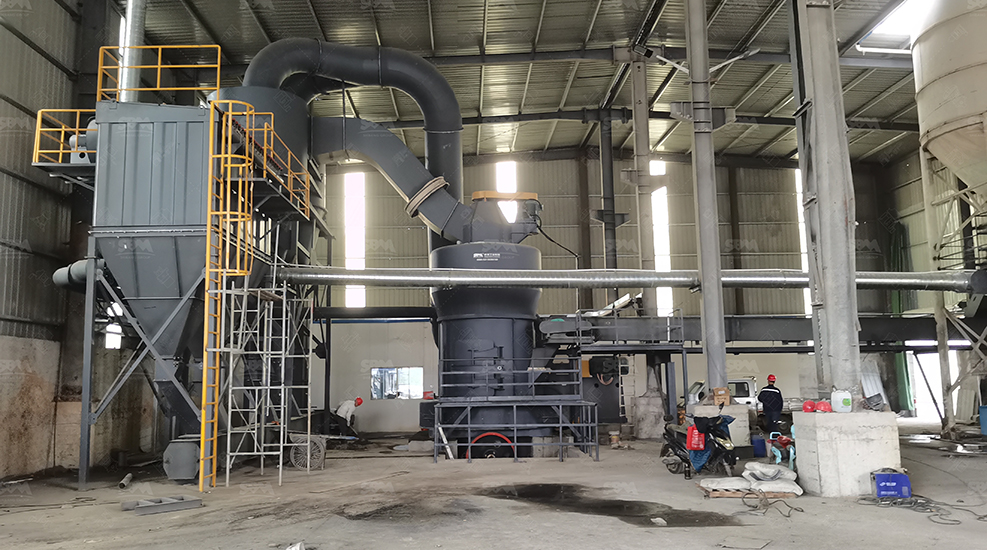
The Iraqi construction and ceramics industry has witnessed significant growth, driven by reconstruction efforts and infrastructure development. A critical component in high-quality tile manufacturing is bentonite clay, prized for its plasticity, binding properties, and contribution to the final product’s strength and dimensional stability. To achieve the optimal performance in tile bodies and glazes, bentonite must be ground to a specific fineness, typically around 80 mesh (approximately 180 microns). This requirement presents a unique set of challenges and necessitates the selection of specialized, efficient grinding equipment. This article explores the role of bentonite in tile production, the specific demands of the Iraqi market, and the technological solutions for achieving consistent 80-mesh powder.
Bentonite, a highly absorbent clay primarily composed of montmorillonite, serves multiple vital functions in tile production. As a plasticizer, it enhances the workability and formability of the ceramic body. Its high dry strength ensures green tiles maintain their shape before firing. Furthermore, bentonite acts as a suspending agent in glazes, preventing solid particles from settling and ensuring a uniform coating. The effectiveness of these properties is heavily dependent on particle size. An 80-mesh fineness represents an ideal balance: fine enough to maximize surface area and reactivity for excellent binding and plasticity, yet coarse enough to avoid introducing excessive shrinkage or cracking during the drying and firing stages. Inconsistent or inadequate grinding leads to poor tile quality, defects, and increased production waste.
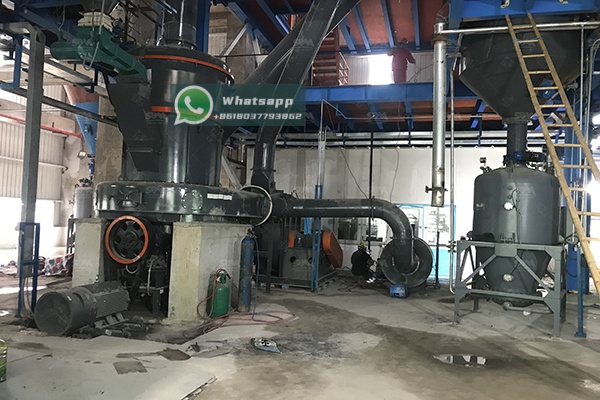
The operational environment in Iraq imposes specific requirements on industrial machinery. Bentonite grinding mills must be robust and reliable to handle potential variations in raw material moisture and hardness. Energy efficiency is paramount, given the operational cost pressures. Furthermore, the system must be designed for ease of maintenance and have a compact footprint, considering space and logistical constraints in industrial setups. The primary technical goal is to reliably produce a consistent output of 80-mesh bentonite powder with high throughput, low energy consumption per ton, and minimal over-grinding (which wastes energy and can degrade clay properties).
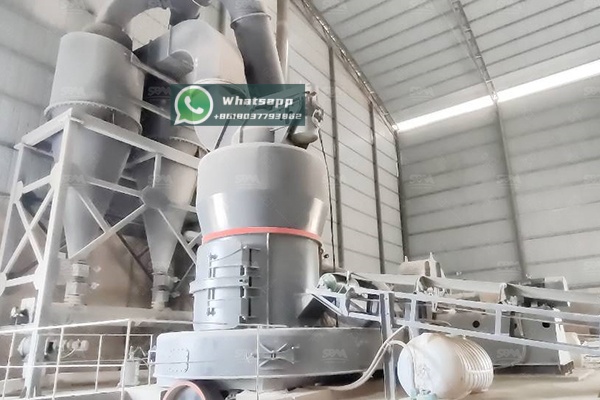
Several grinding mill types can achieve an 80-mesh product, but their suitability varies based on efficiency, cost, and product characteristics. Traditional Raymond Mills have been widely used for such medium-fineness applications. However, modern trapezium mills and vertical roller mills offer significant advantages in energy savings, drying capability (important for clay with residual moisture), and production capacity.
For the specific case of grinding bentonite to 80 mesh for tile production, mills that combine grinding, drying, and classifying functions in a single unit are particularly advantageous. They streamline the process, reduce the number of required auxiliary equipment, and offer superior control over the final particle size distribution.
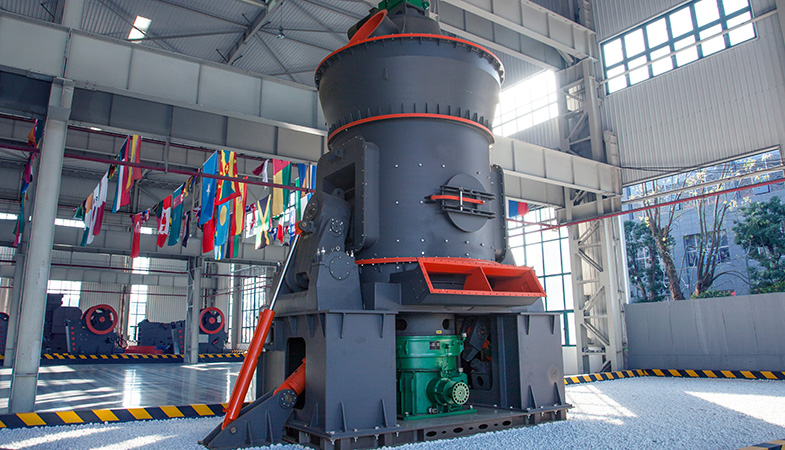
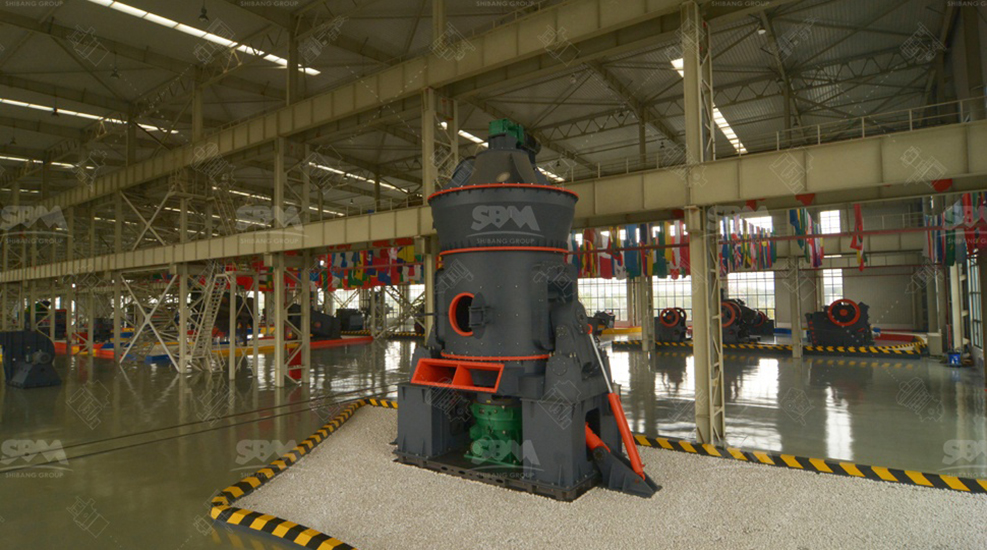
Shanghai Zenith Machinery Co., Ltd., an excellent manufacturer of ore and industrial grinding equipment, has made great achievements in the field of powder processing. For the Iraqi tile industry’s bentonite grinding needs, Zenith’s LM Vertical Grinding Mill series stands out as an optimal solution. This mill integrates five functions—crushing, grinding, powder selection, drying, and material conveying—into a single, cohesive machine.
Its vertical structure requires a smaller occupational area, a significant benefit for plant layout. The grinding roller grinds materials directly onto the grinding disc, consuming less energy. The integrated classifier allows for precise control of particle size, ensuring the 80-mesh product specification is met consistently. The hot air from the inlet can dry materials with moisture content up to 15%, making it perfectly suited for processing natural clay. For bentonite grinding to 80 mesh, the LM130K or LM190K models are typically well-matched, offering the ideal balance of capacity and fineness control.
| Model | Plate Diameter (mm) | Capacity (t/h)* | Output Fineness (μm) | Max Feed Size (mm) | Main Motor (kW) |
|---|---|---|---|---|---|
| LM130K | 1300 | 10-28 | 170-40 (~80-325 mesh) | <38 | 200 |
| LM190K | 1900 | 23-68 | 170-40 (~80-325 mesh) | <45 | 500 |
*Capacity varies based on material characteristics and final fineness.
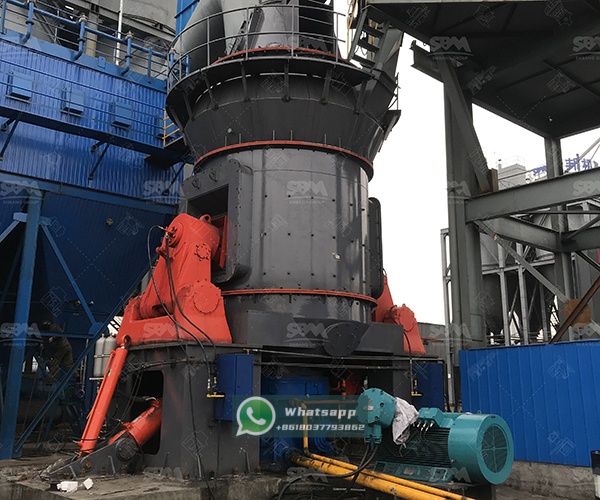
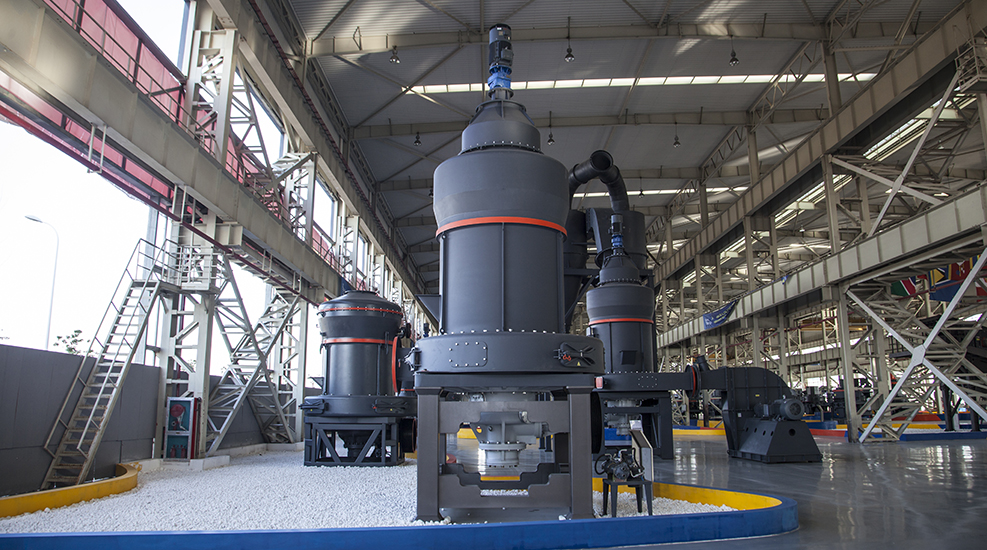
For producers with existing facilities or different specific requirements, Zenith’s MTW Trapezium Grinding Mill is another excellent choice. It features a curved shovel blade for higher grinding efficiency and a multiple sealing system for reliable, dust-free operation. Models like the MTW138Z or MTW175G are capable of producing bentonite powder in the 80-mesh range with high efficiency and lower noise levels.
For operations that require even finer grinding for specialized glaze components or ultra-fine bentonite products, the XZM Ultrafine Grinding Mill is unparalleled. It can achieve fineness from 325 to 2500 mesh, far exceeding the requirements for standard tile body bentonite but representing the cutting edge of Zenith’s technological capability for advanced ceramic applications.
The success of tile production in Iraq hinges on the quality and consistency of raw materials like bentonite. Achieving the target 80-mesh fineness reliably and efficiently is a process-critical task. Shanghai Zenith Machinery Co., Ltd., with its specialization in research, development, and production of industrial powder grinding equipment, provides tailored solutions that meet these challenges head-on. The LM Vertical Grinding Mill, with its integrated design, energy efficiency, and precise classification, is a standout recommendation for modern, high-output tile plants. By investing in such advanced grinding technology, Iraqi manufacturers can enhance their product quality, optimize production costs, and strengthen their competitive position in the regional and global construction materials market.