With the growing demand for high-quality animal feed additives, calcium carbonate has become a crucial component of livestock nutrition in Lebanon and the greater Middle East. Calcium carbonate, a naturally occurring mineral, enhances the calcium content in feed formulations, supports bone development, and improves productivity in poultry and livestock. To meet the regional demand for fine and consistent calcium carbonate powder, an efficient grinding solution is necessary. Shanghai Zenith Machinery Co., Ltd., a leading Chinese manufacturer of industrial ore grinding equipment, offers advanced calcium carbonate grinding mills designed explicitly for high-performance and reliable production in feed additive processing lines.
In this article, we explore the technical and operational benefits of selecting a calcium carbonate grinding mill with a capacity of 5–10 tons per hour (TPH) for installation in Lebanon. We will also introduce suitable equipment models from Shanghai Zenith Machinery’s extensive portfolio, highlighting performance advantages, application insights, and typical configuration recommendations for feed additive plants.
The Lebanese agricultural and livestock sectors have experienced steady modernization over the past decade. As the local poultry and dairy industries expand, the integration of balanced mineral additives in feed has become essential. Calcium carbonate’s role as a low-cost, safe, and easily digestible calcium source makes it one of the most demanded additives. Typical animal feed formulations require calcium carbonate with a particle size below 300 microns, and sometimes even finer for specialized feeds. Hence, milling precision and uniformity are vital performance indicators for grinding systems serving this market.
For small to mid-scale feed additive producers in Lebanon, a grinding capacity within the range of 5–10 TPH is ideal. This capacity scale is well-suited for sustainable operation and meets most regional consumption needs without overburdening operational budgets.
When producing calcium carbonate powder for feed additives, manufacturers must consider factors such as feed material hardness (Mohs < 3), moisture content, target fineness, energy efficiency, and operating costs. Technologies like trapezium mills, vertical mills, and ball mills have proven effective in these applications.
Shanghai Zenith Machinery Co., Ltd. has developed several grinding solutions ideal for calcium carbonate, with the MTW Trapezium Grinding Mill and LM Vertical Grinding Mill being among the most efficient for feed additive applications in the 5–10 TPH range.
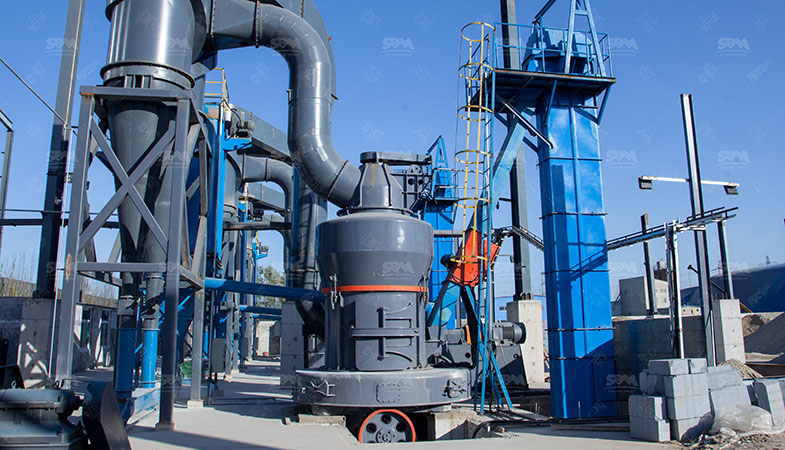
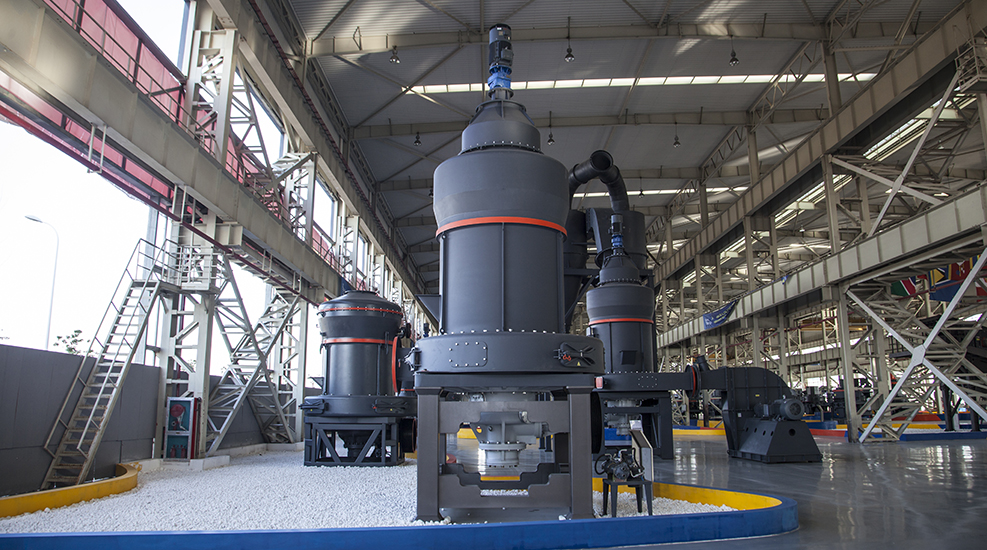
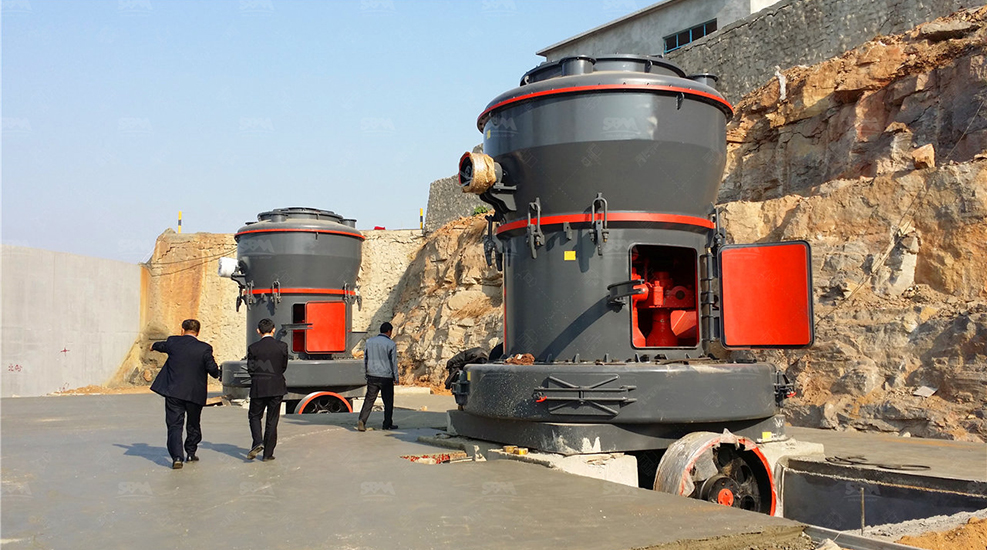
The MTW Trapezium Grinding Mill represents a new generation of grinding technology developed by Shanghai Zenith Machinery. Known for its precision performance, high wear resistance, and eco-friendly operation, it is an optimal choice for calcium carbonate grinding for feed additives.
For Lebanese operations requiring 5–10 TPH capacity, the MTW110Z or MTW138Z model perfectly fits the needs of small to medium production lines. These models ensure stable output, consistent particle sizing, and low maintenance downtime – essential characteristics for continuous feed additive production.
| Model | Max. Feed Size (mm) | Final Product Size (mm) | Capacity (t/h) | Main Motor (kW) | Fan Motor (kW) |
|---|---|---|---|---|---|
| MTW110Z | <30 | 1.6–0.045 | 3–10 | 55 | 55 |
| MTW138Z | <35 | 1.6–0.045 | 6–17 | 90 | 110 |
The MTW series incorporates an upgraded bevel gear drive system, reduces energy consumption by 15–20% compared with traditional Raymond mills, and provides precise particle classification through high-efficiency separators. For feed additives, maintaining particle size uniformity is critical to ensuring optimum digestibility and bioavailability for animals. The MTW mill’s integrated separator guarantees fine control of powder fineness, meeting industry standards for feed-grade calcium carbonate.
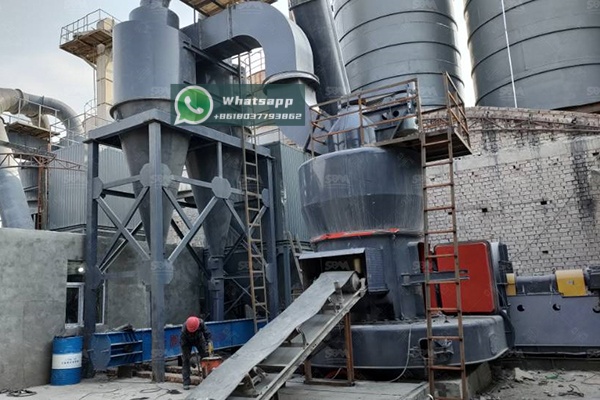
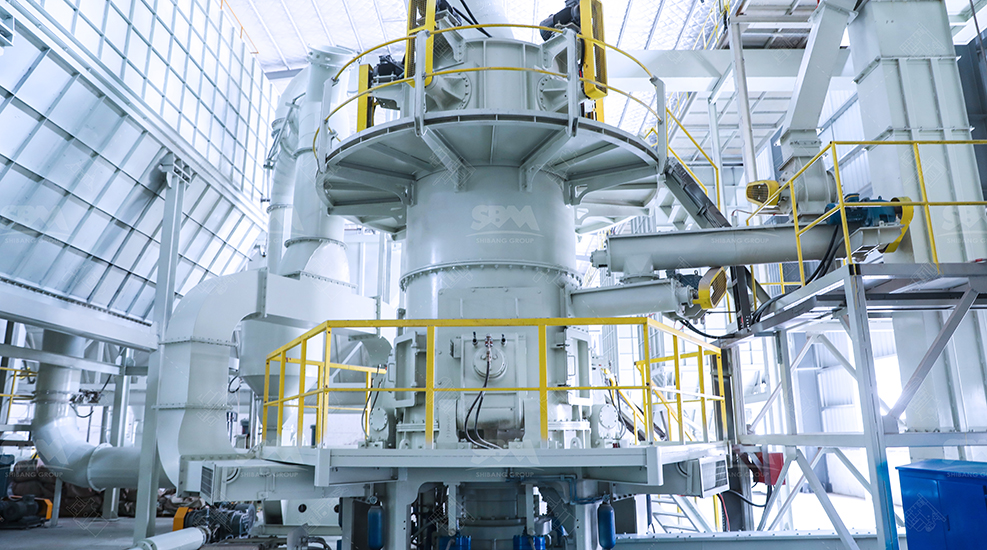
Alternatively, the LM Vertical Grinding Mill from Shanghai Zenith offers a highly integrated and energy-efficient grinding solution that combines crushing, drying, grinding, and material transport in a single system. With the ability to handle fine powder production and reduce energy loss through innovative internal circulation, the LM series is ideally suited for feed-grade calcium carbonate production in areas where energy costs or environmental controls are strict.
Among the series, the LM130K model is particularly recommended for Lebanon-based feed additive manufacturing lines targeting around 10 TPH output with final product fineness in the range of 40–170 microns. This model’s stable vertical operation, low vibration, and compact footprint make it an excellent choice for industrial parks or integrated feed additive facilities.
| Model | Plate Diameter (mm) | Capacity (t/h) | Output Fineness (μm) | Max Feed Size (mm) | Main Motor (kW) |
|---|---|---|---|---|---|
| LM130K | 1300 | 10–28 | 170–40 | <38 | 200 |
| LM190K | 1900 | 23–68 | 170–40 | <45 | 500 |
The LM Vertical Grinding Mill’s design supports moisture removal during grinding—an essential feature when processing limestone with natural humidity. It ensures that final calcium carbonate powder remains dry and free-flowing, suitable for direct packaging or integration into automated feed mixing systems.
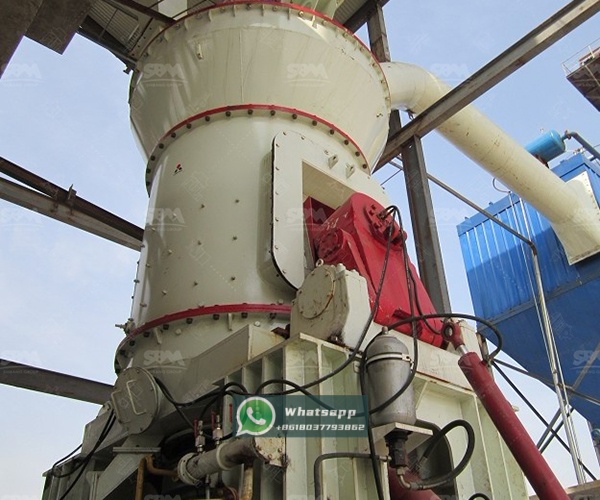
Energy costs in Lebanon have been volatile in recent years, emphasizing the need for power-efficient equipment. Both MTW and LM series mills are engineered to minimize energy consumption through optimized airflows, adjustable classifiers, and advanced motor control systems. Moreover, they comply with environmental dust and emission standards, utilizing pulse dust collectors to achieve clean and sustainable production environments.
Zenith’s grinding mills are also designed with long-lifespan components—durable grinding rollers and rings, low-vibration drive mechanisms, and easy-to-maintain internal structures—which contribute to reduced operational costs and shorter downtime during maintenance cycles.
When implementing a 5–10 TPH calcium carbonate grinding line in Lebanon, site planning should focus on minimizing vibration impact and ensuring adequate ventilation for dust collection systems. Zenith’s engineers can assist customers by providing full-cycle services, including:
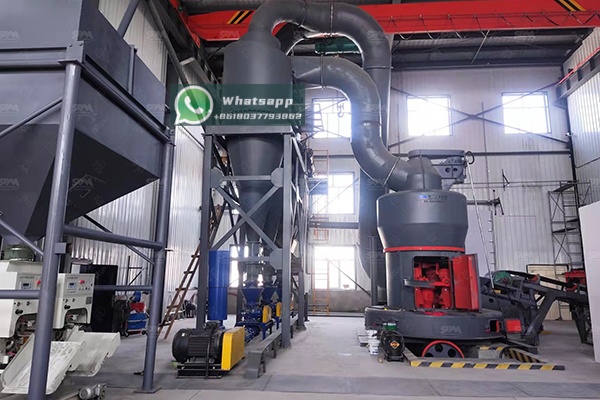
Routine maintenance is simplified through accessible roller assemblies and automatic lubrication systems, minimizing downtime and enhancing production continuity. By coupling these mills with efficient dust collection systems and digital monitoring, feed additive producers in Lebanon can achieve superior operational performance.
As a globally recognized manufacturer with decades of expertise in ore grinding, Shanghai Zenith Machinery Co., Ltd. has delivered solutions for a wide range of minerals and industrial sectors across more than 170 countries. The company’s focus on research, development, and manufacturing excellence ensures reliable performance in demanding production environments such as the animal feed additive industry.
Zenith’s combination of innovative design, intelligent automation, and localized support in regions like the Middle East provides clients with comprehensive lifecycle solutions—from initial consultation to after-installation optimization. Customers seeking efficient 5–10 TPH calcium carbonate grinding solutions can rely on Zenith’s consistent quality, technical leadership, and environmentally conscious engineering philosophy.
For Lebanon’s developing feed additive industry, selecting the right grinding mill for calcium carbonate production is a critical investment decision. Both the MTW Trapezium Grinding Mill and the LM Vertical Grinding Mill from Shanghai Zenith Machinery Co., Ltd. stand out as optimal choices for their respective advantages in efficiency, product quality, and operational stability. Whether focusing on high precision and compact layout (MTW series) or integrated multifunctional performance (LM series), manufacturers can confidently rely on Zenith’s proven technology to deliver high-quality calcium carbonate powders tailored to the nutritional needs of modern livestock industries.
With a designed output range of 5–10 TPH, these systems offer robust, sustainable, and cost-effective production solutions—empowering Lebanese feed additive producers to meet growing market demands with confidence and efficiency.