The use of calcium carbonate as a filler and coating pigment in the paper industry is a well-established practice that significantly enhances paper quality and production efficiency. As Zambia continues to develop its industrial infrastructure, particularly in the pulp and paper sectors, the demand for high-quality, locally produced calcium carbonate powder has increased remarkably. To meet this demand, the deployment of efficient, high-capacity grinding systems has become crucial.
Shanghai Zenith Machinery Co., Ltd., a leading manufacturer of ore grinding equipment in China, offers advanced grinding solutions for calcium carbonate production. With decades of research and engineering experience, Zenith has successfully developed grinding mills that integrate superior efficiency, energy savings, and environmental protection—all essential characteristics for modern production lines in Zambia aiming for sustainable industrial growth.
Calcium carbonate (CaCO₃) serves as both a filler and coating pigment in paper making. Its inclusion improves the brightness, opacity, surface smoothness, and printability of paper products. In addition, calcium carbonate reduces production costs by substituting for more expensive pulp materials, thus lowering the overall raw material expenditure.
Depending on its particle size and distribution, calcium carbonate can be produced as either Ground Calcium Carbonate (GCC) or Precipitated Calcium Carbonate (PCC). For Zambia’s paper industry, GCC is typically favored due to its cost-effectiveness and the abundance of suitable natural limestone deposits across the country. Processing this limestone into high-purity calcium carbonate powder usually requires a grinding mill that provides fine, uniform particle size with output ranges around 20–30 tons per hour (TPH).
The local availability of raw limestone makes Zambia an excellent location for establishing calcium carbonate grinding facilities. However, common challenges faced in this sector include:
To address these challenges, Shanghai Zenith Machinery Co., Ltd. offers comprehensive grinding solutions with proven reliability and efficiency in industrial operations worldwide.
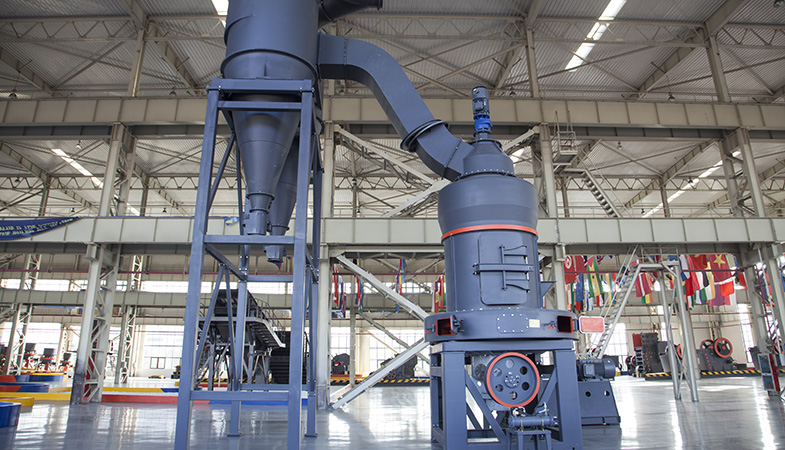
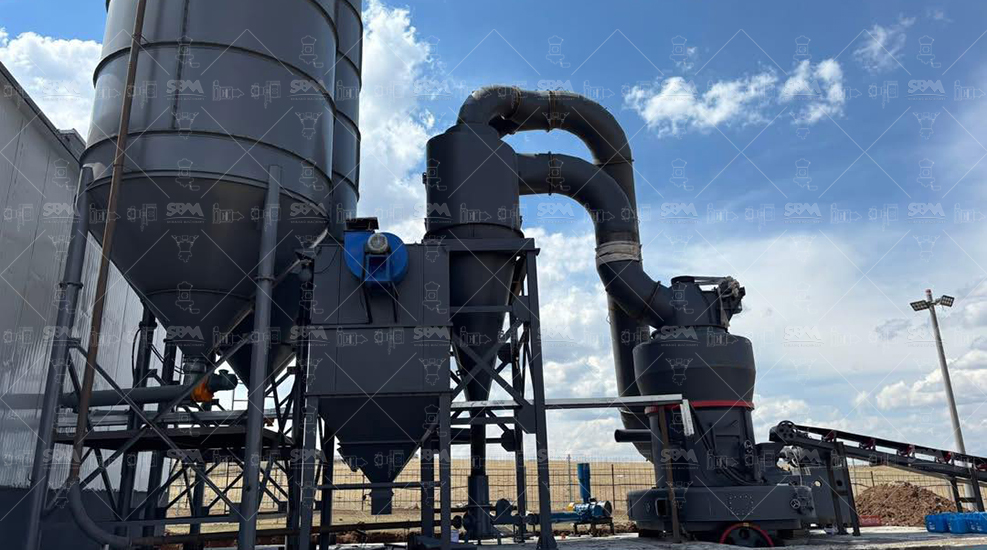
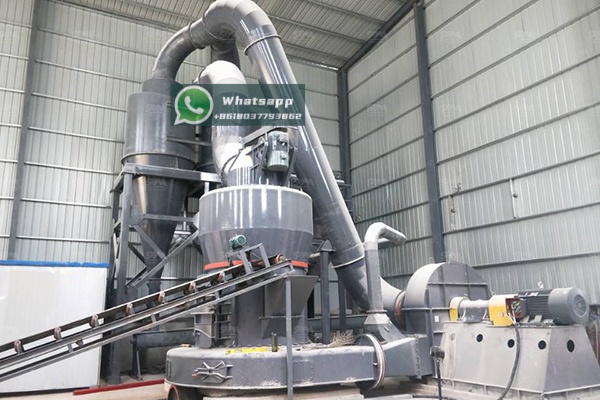
For a calcium carbonate grinding project in Zambia targeting 20–30 TPH output, one of the most suitable solutions is the Zenith MTW Trapezium Grinding Mill. This mill embodies decades of Zenith’s technological expertise in powder processing and is engineered to deliver stable, large-scale production with superior fineness control.
The MTW series integrates several innovations, including a bevel gear overall drive system, internal thin oil lubrication technology, and curved air ducts for reduced resistance. These design features maximize grinding efficiency while lowering operation and maintenance costs.
| Model | Max. Feed Size (mm) | Final Size (mm) | Capacity (t/h) | Main Motor (kW) | Fan Motor (kW) |
|---|---|---|---|---|---|
| MTW110 | <30 | 1.6–0.045 | 3–9 | 55 | 55 |
| MTW138Z | <35 | 1.6–0.045 | 6–17 | 90 | 110 |
| MTW175G | <40 | 1.6–0.045 | 9.5–25 | 160 | 200 |
| MTW215G | <50 | 1.6–0.045 | 15–45 | 280 | 315 |
For a production capacity of 20–30 TPH, the MTW175G model would be ideal. Its balanced design allows it to process feed materials efficiently at medium hardness levels typical of Zambian limestone, while maintaining consistent particle fineness crucial for paper-making applications.
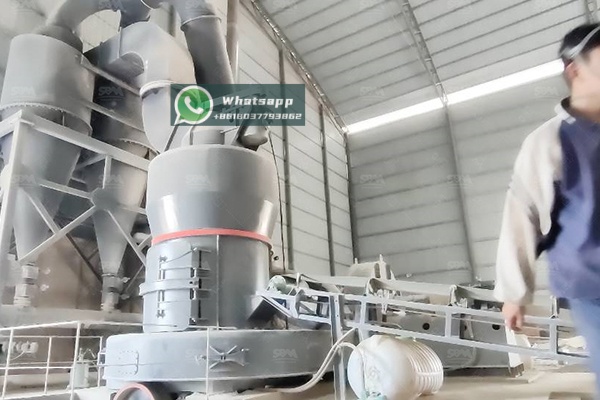
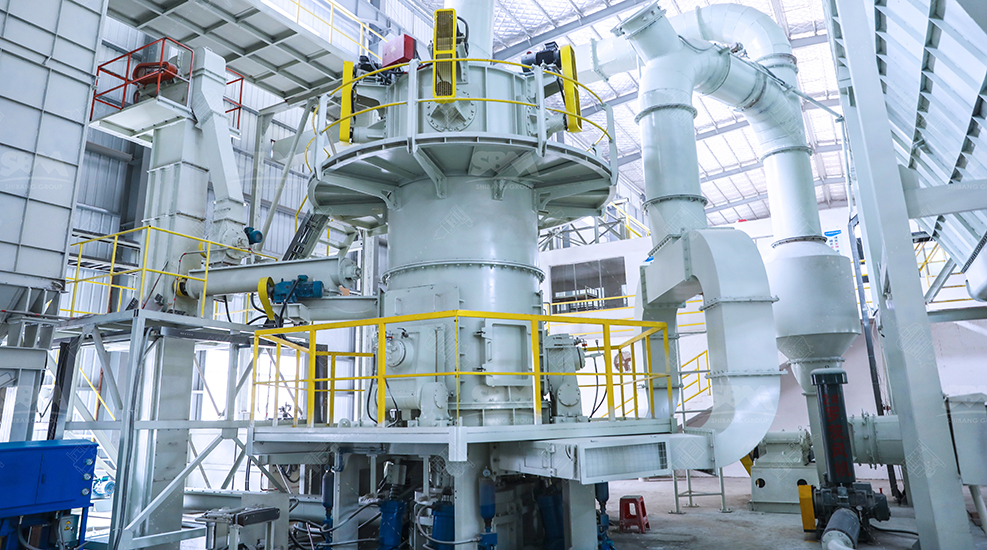
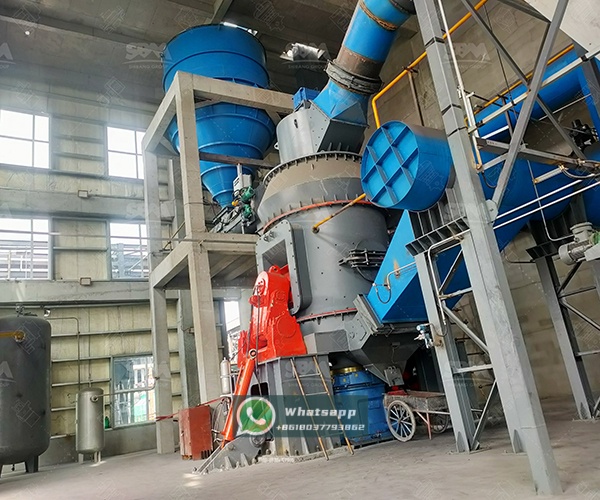
As an alternative or complementary solution, the LM Vertical Grinding Mill series from Zenith offers advanced performance for integrated operations requiring drying, grinding, and material classification in one system. It is particularly suitable for regions like Zambia where moisture levels in raw materials can fluctuate due to seasonal conditions.
| Model | Plate Diameter (mm) | Capacity (t/h) | Output Fineness (μm) | Max Feed Size (mm) | Main Motor (kW) |
|---|---|---|---|---|---|
| LM130K | 1300 | 10–28 | 170–40 | <38 | 200 |
| LM190K | 1900 | 23–68 | 170–40 | <45 | 500 |
| LM280K | 2800 | 50–170 | 170–45 | <50 | 1250 |
For a 20–30 TPH project, the LM130K is a perfect match. With its integrated system design, it reduces construction space, simplifies operation, and minimizes dust emission, aligning with sustainable mining and industrial policies in Zambia.
Implementing a Zenith grinding system for calcium carbonate production brings several measurable benefits to Zambian industrial operations:
A typical grinding system layout for a calcium carbonate plant in Zambia would include the following stages:
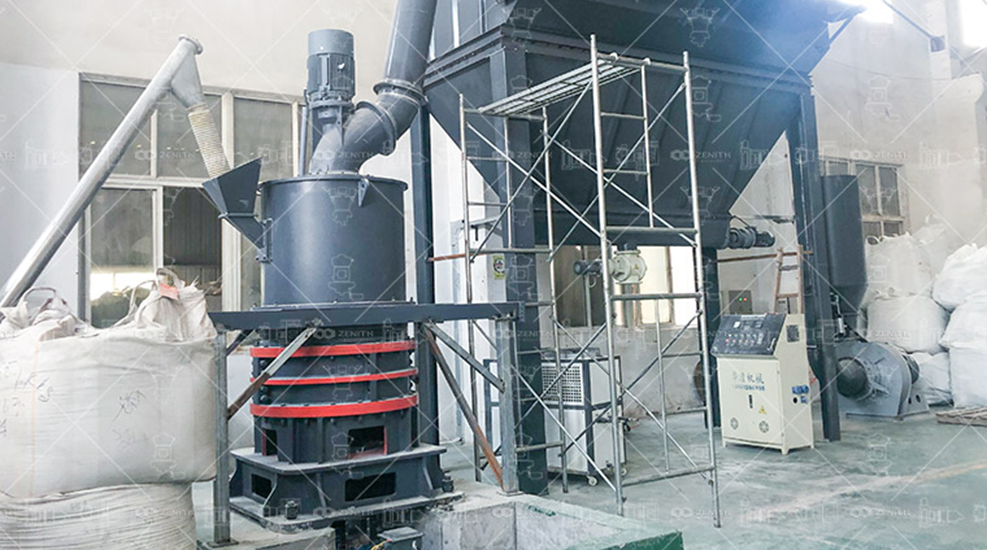
Shanghai Zenith Machinery Co., Ltd. stands at the forefront of ultra-fine grinding technology. With a comprehensive portfolio of grinding equipment—covering coarse, medium, fine, and ultrafine ranges—the company provides end-to-end solutions tailored to industrial needs. Zenith’s equipment has been exported to over 170 countries and regions, gaining recognition for its reliability and performance.
For Zambia, in particular, Zenith provides localized after-sales service and remote technical support that ensures steady plant operation with minimal downtime. Additionally, Zenith offers complete project consulting services—including site evaluation, system design, installation guidance, and commissioning—to guarantee clients receive optimal production results from day one.
With the sustained growth of Zambia’s paper manufacturing industry, the demand for fine, high-purity calcium carbonate is expected to surge. By adopting advanced grinding technologies such as the MTW Trapezium Mill or LM Vertical Grinding Mill from Shanghai Zenith Machinery Co., Ltd., paper producers can ensure consistent quality, lower production costs, and reduced environmental impact. Both these models perfectly meet the 20–30 TPH requirement, making them excellent choices for future-oriented investment in Zambia’s mineral processing and paper industries.
In conclusion, a well-designed calcium carbonate grinding system grounded in cutting-edge Zenith technology can transform Zambia’s local raw materials into high-value industrial assets, strengthening the domestic supply chain and contributing to sustainable economic development.