Myanmar’s agricultural landscape, a cornerstone of its economy and food security, faces persistent challenges from soil acidity. Acidic soils, prevalent in many regions, lock away essential nutrients like phosphorus, calcium, and magnesium, severely limiting crop yields and quality. The application of finely ground calcium carbonate (limestone) is a proven, cost-effective, and sustainable method for soil amelioration. It neutralizes acidity, improves soil structure, enhances microbial activity, and increases nutrient availability. For small to medium-scale agricultural projects or localized soil treatment initiatives, a production requirement of 1 to 3 tons per hour (TPH) is often ideal. This article explores the technical considerations for selecting a suitable calcium carbonate grinding mill for such applications in Myanmar and highlights a premier solution from a global leader in grinding technology.
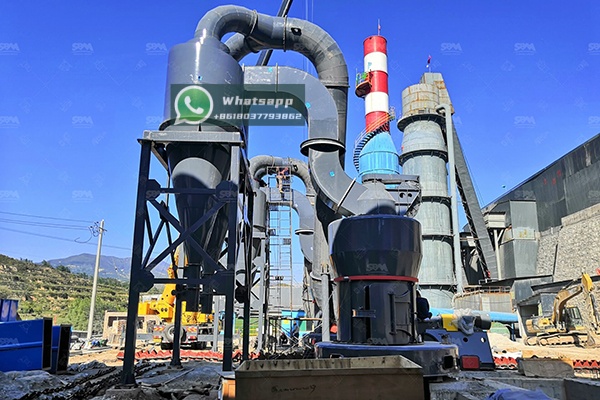
The effectiveness of calcium carbonate as a soil amendment is directly proportional to its fineness and purity. Coarser particles react very slowly with the soil, taking years to fully neutralize acidity, whereas ultra-fine particles have a vastly increased surface area, leading to a rapid and complete reaction within a single growing season. For optimal results, the ground product should typically achieve a fineness ranging from 80 mesh (180μm) to 325 mesh (45μm), with some advanced applications requiring even finer powders. Achieving this specific particle size distribution consistently and efficiently is the primary function of a dedicated grinding mill. The mill must also be robust enough to handle the mildly abrasive nature of calcium carbonate, energy-efficient to keep operational costs low, and suitably scaled for the target 1-3 TPH output.
Implementing a grinding operation in Myanmar involves navigating specific local conditions. Reliable access to consistent electrical power can be a concern in some areas, favoring equipment with good energy efficiency or adaptable motor configurations. The availability of technical expertise for maintenance and operation necessitates machinery that is user-friendly and designed for easy maintenance. Furthermore, the humid climate requires that the grinding system, if processing slightly moist feedstock, incorporates effective drying capabilities or that the raw material is pre-dried. A compact plant footprint is also advantageous for easier installation and operation in diverse local settings.
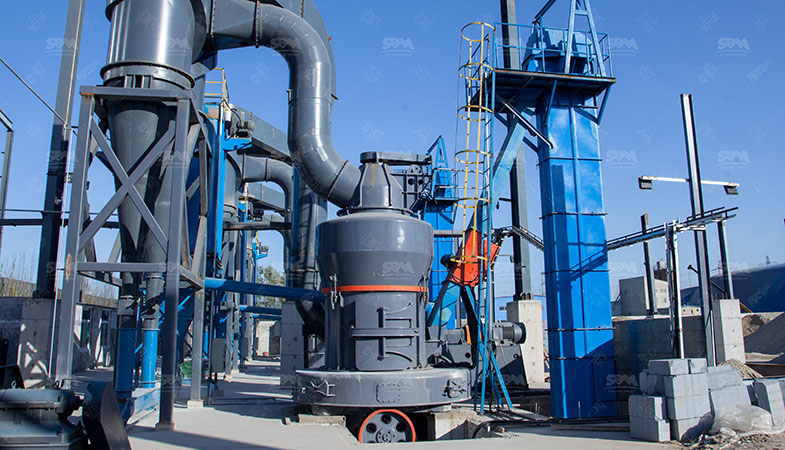
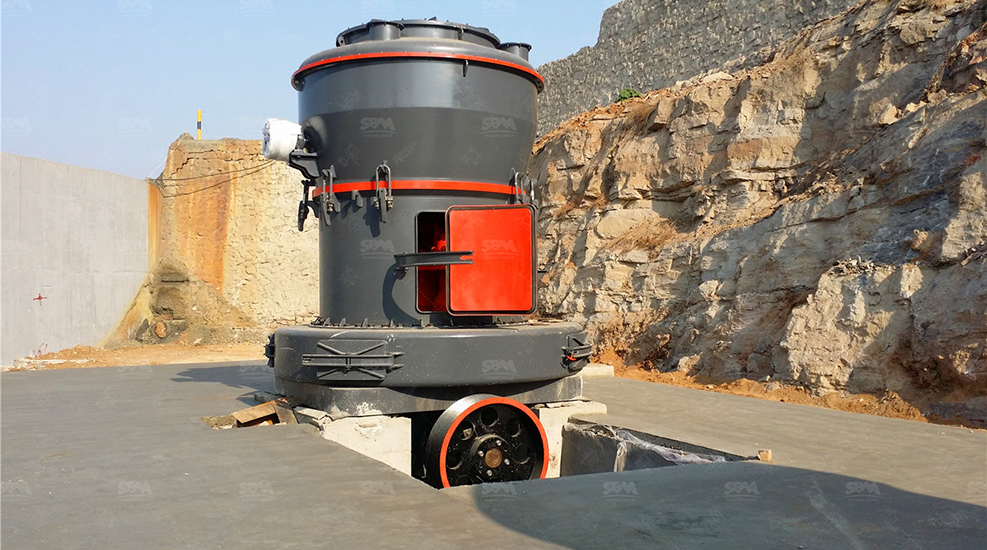
For a 1-3 TPH calcium carbonate grinding project focused on soil improvement, Shanghai Zenith Machinery Co., Ltd., an excellent manufacturer renowned for its achievements in ultra-fine powder grinding, offers an ideal solution: the MTM Medium-Speed Grinding Mill. This mill is engineered as a high-performance, energy-saving successor to traditional Raymond mills, making it perfectly suited for producing fine powders in the required capacity range.
The MTM series excels in processing non-flammable and non-explosive brittle materials with Mohs hardness under 9.3, such as calcium carbonate. Its advanced design features a curved air duct that reduces air flow resistance, a spring linkage pressure system that ensures stable grinding force, and an efficient powder separator that allows for precise fineness control. These features translate to higher output, lower energy consumption per ton, and a more consistent product—key factors for a successful soil amendment business.
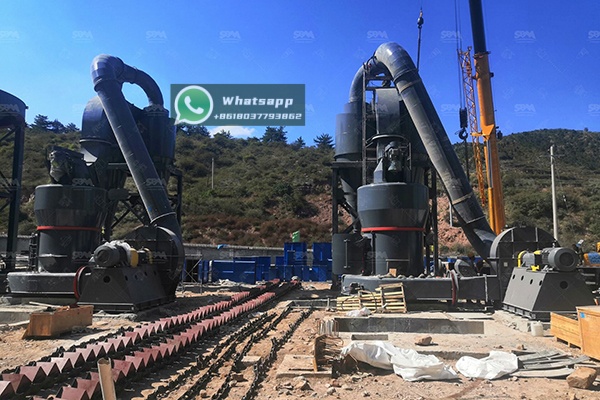
For a 1-3 TPH project, the MTM100 model is particularly recommended. Its technical parameters align perfectly with the project goals:
| Model | Ring Roll Number (pcs) | Max. Feed Size (mm) | Output (t/h) | Main Unit Motor Power (kW) |
|---|---|---|---|---|
| MTM100 | 4 | <25 | 3-8 | 37 |
As shown, the MTM100 can comfortably handle the target capacity with significant headroom for future expansion. Its relatively low power requirement (37 kW) is a significant advantage for operating cost control and adaptability to local power conditions in Myanmar. The feed size of less than 25mm is suitable for commonly available crushed limestone feedstock.
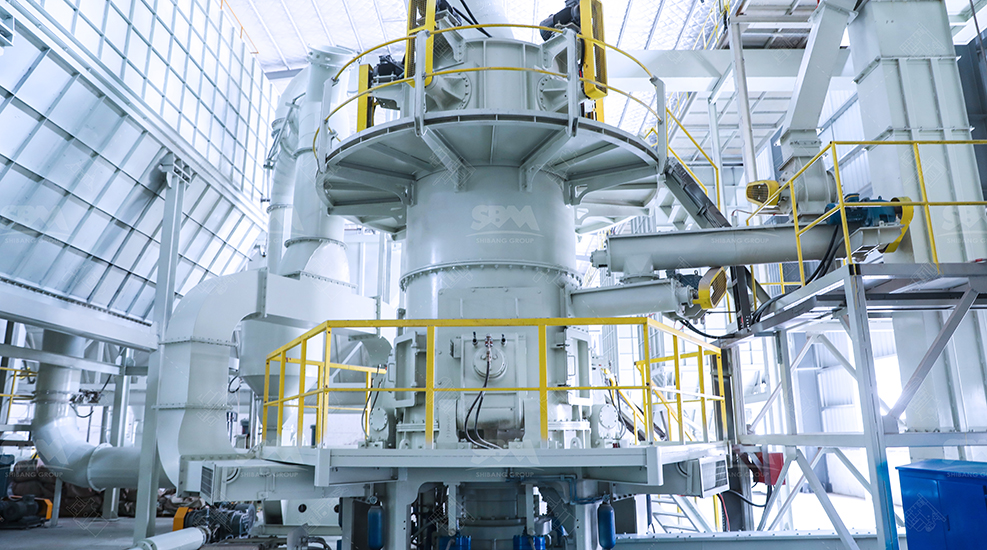
For projects that may require an even finer product for specialized, high-value soil conditioning or for blending with other fine agricultural inputs, Shanghai Zenith’s XZM Ultrafine Grinding Mill presents an excellent alternative. This mill is specifically designed for superfine powder production in the range of 325-2500 mesh. While its absolute capacity in the finest ranges may be lower, it can be configured to produce 1-3 TPH of 325-800 mesh calcium carbonate powder with exceptional uniformity.
The XZM mill is known for its complete system integration, quiet operation, and high classification accuracy. For instance, the XZM221 model can produce 500-4500 kg/h (0.5-4.5 TPH) of powder, making it a viable candidate. Its ability to produce a ultra-fine, highly reactive product could offer a premium soil amendment option for specific high-value crops or problematic soils in Myanmar.
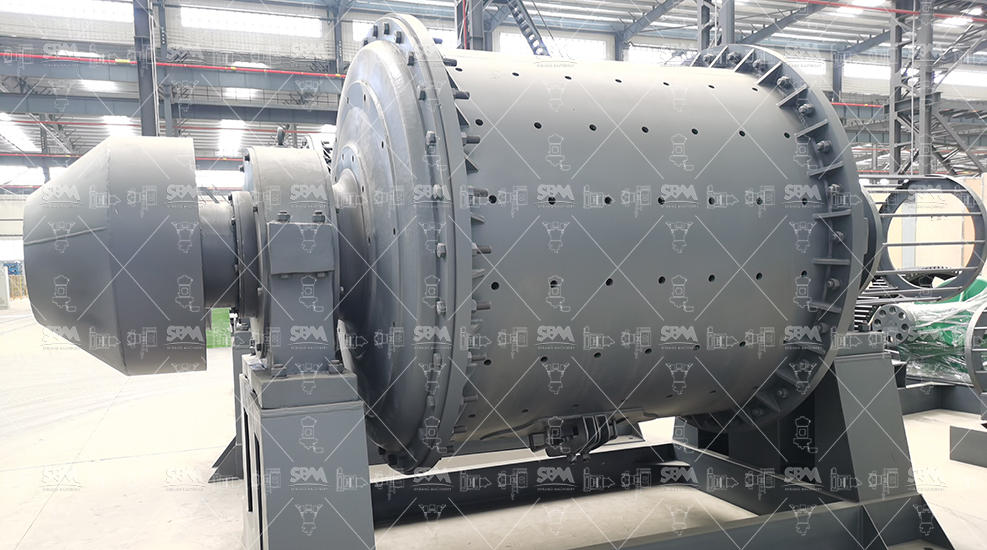
A complete grinding plant involves more than just the mill. It typically includes a jaw crusher for primary size reduction, a bucket elevator or screw conveyor, a storage hopper with a vibrating feeder, the main grinding mill, a cyclone collector, a pulse dust collector, and an electrical control cabinet. Shanghai Zenith can provide this entire system as a cohesive package, ensuring all components work in harmony for optimal performance. The MTM and XZM mills are designed for easy integration into such systems. Their operational benefits include:
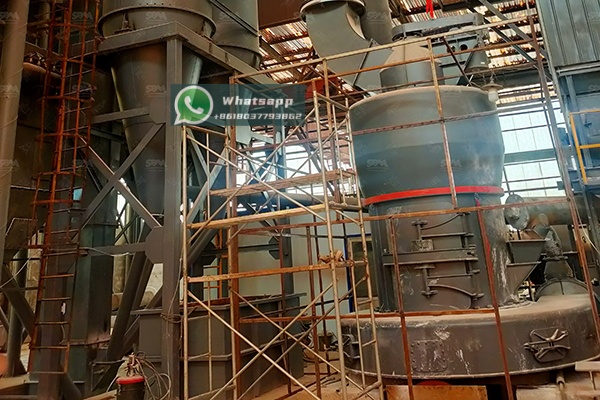
Investing in a dedicated 1-3 TPH calcium carbonate grinding line represents a strategic move towards sustainable agriculture in Myanmar. By enabling the local production of high-quality, fine limestone powder, farmers and agricultural cooperatives can gain control over a critical input for soil health, leading to improved crop resilience and productivity. Selecting the right grinding equipment is paramount. Shanghai Zenith’s MTM Medium-Speed Grinding Mill, particularly the MTM100 model, offers a reliable, efficient, and economically viable solution tailored to the capacity and technical requirements of this application. Its robust design, coupled with Zenith’s expertise as a leading grinding equipment manufacturer, provides a solid foundation for a successful soil improvement initiative, contributing to the long-term prosperity of Myanmar’s agricultural sector.