Soil stabilization and improvement are critical challenges in many developing regions, including the vast archipelago of Indonesia. With diverse soil conditions ranging from soft, expansive clays to loose, sandy substrates, infrastructure development and agricultural productivity often face significant hurdles. A proven and increasingly popular solution is the use of cementitious materials, particularly finely ground cement clinker, to enhance soil properties. This article delves into the technical process of using cement clinker for soil improvement, with a specific focus on the grinding technology required to achieve the optimal 200-mesh (approximately 75 microns) fineness for maximum reactivity and effectiveness in the Indonesian context.
Cement clinker, the nodular intermediate product from the cement kiln, is rich in calcium silicates (C3S, C2S). When finely ground and mixed with soil and water, it undergoes hydration reactions similar to those in concrete. These reactions produce calcium silicate hydrate (C-S-H) gel and calcium hydroxide, which bind soil particles together, reduce plasticity, increase strength, and improve durability against water ingress. The key to unlocking this potential lies in the particle size of the clinker. A fineness of 200 mesh ensures a high specific surface area, leading to rapid and complete hydration. This results in faster setting times, higher early strength gains, and more efficient use of binder material—a crucial factor for cost-effective large-scale projects in road sub-base stabilization, foundation treatment, and erosion control.
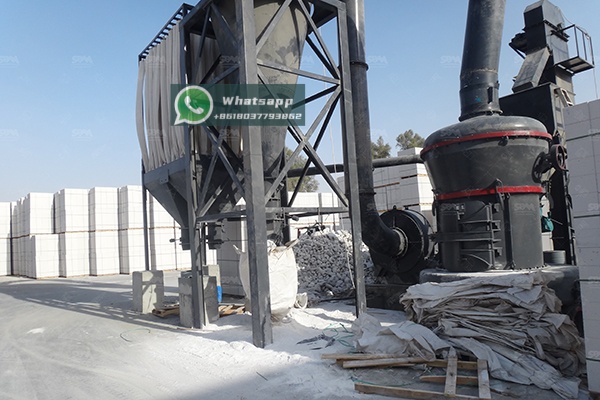
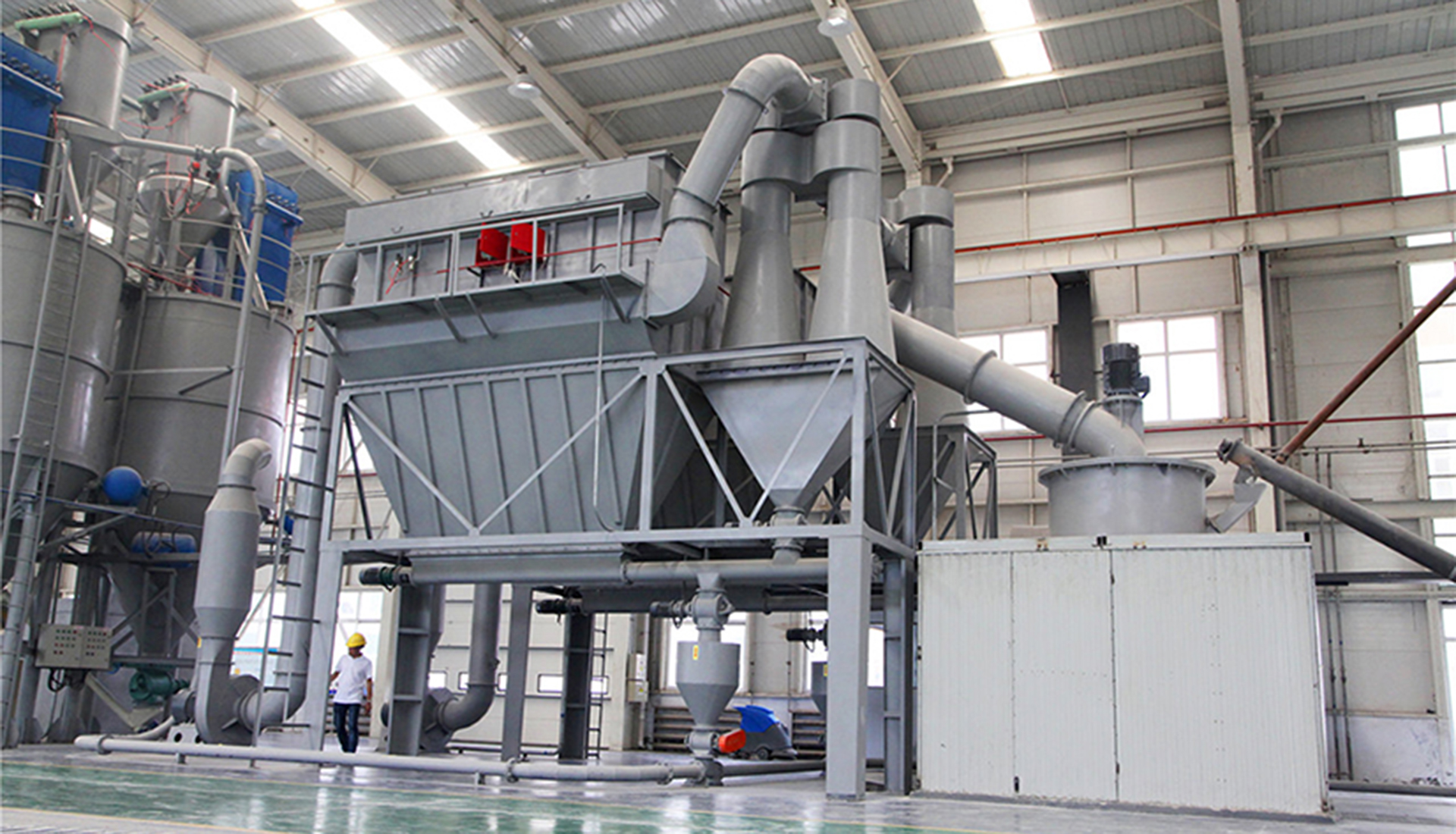
Producing a consistent, high-volume output of 200-mesh cement clinker powder demands robust and efficient grinding technology. Traditional ball mills, while reliable, can be energy-intensive and may struggle with precise particle size control in the desired fine range. Modern grinding solutions offer superior efficiency, lower energy consumption per ton, and advanced classification systems to ensure the target fineness is met without over-grinding.
For soil improvement applications, the ideal grinding system must handle the abrasive nature of clinker, offer easy adjustability of product fineness, and be capable of operating in various climatic conditions typical of Indonesia. Furthermore, considerations for plant footprint, dust collection, and overall operational costs are paramount.
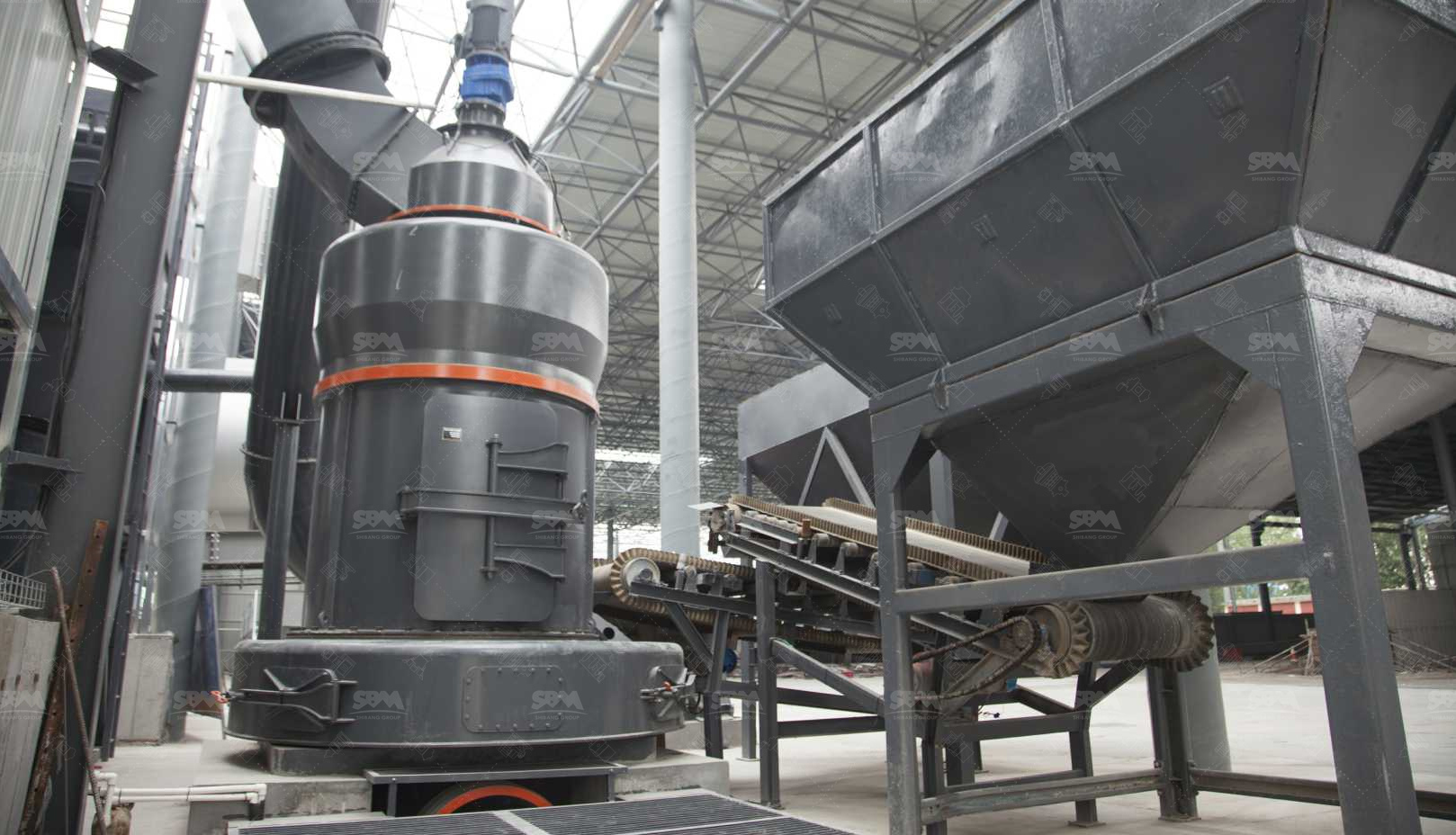
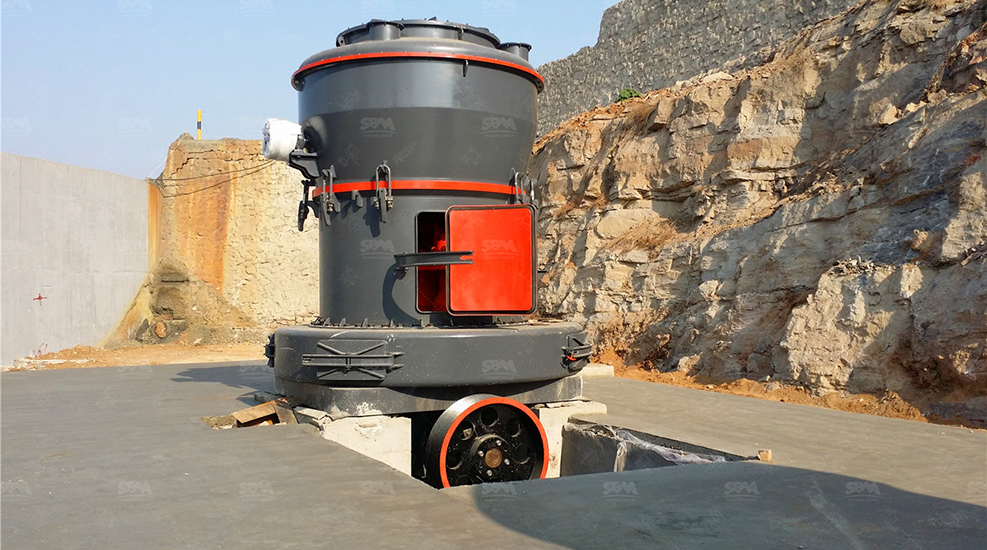
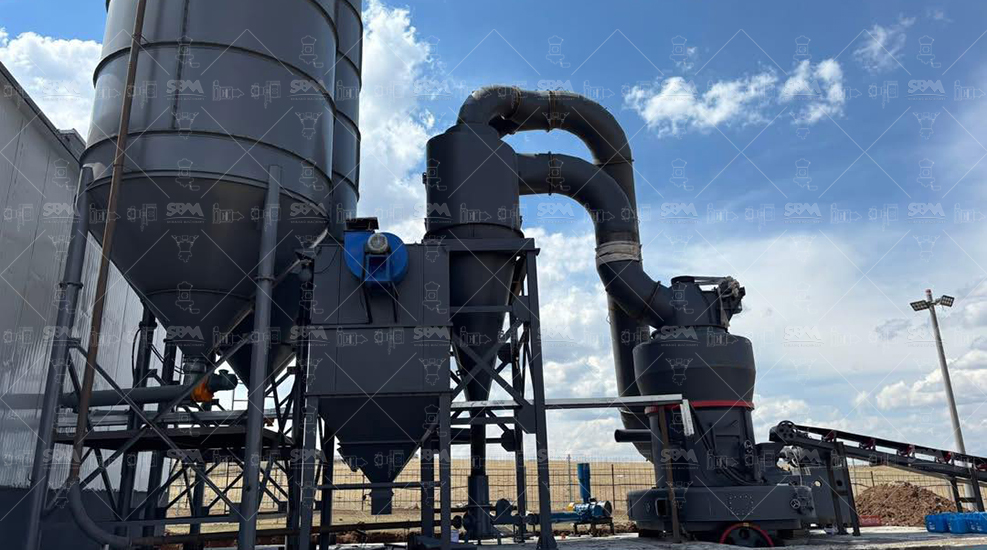
For projects requiring high capacity and consistent production of 200-mesh cement clinker powder, the LM Vertical Grinding Mill from Shanghai Zenith Machinery stands out as an exemplary choice. As a leading manufacturer of ore and industrial grinding equipment, Zenith’s LM series integrates crushing, grinding, powder selection, drying, and conveying into a single, compact unit. This integration is particularly advantageous for soil improvement projects, which may be set up in remote or temporary locations.
The LM Vertical Mill’s grinding roller directly grinds material on the grinding plate with low energy consumption. Its built-in high-efficiency classifier ensures precise control over particle size, effortlessly achieving and maintaining the 200-mesh target. The mill’s dry grinding process is ideal for clinker and its ability to handle feed moisture simplifies the overall process flow.
Key technical parameters for models suitable for a mid-to-large scale soil improvement project in Indonesia are as follows:
| Model | Plate Diameter (mm) | Capacity (t/h)* | Output Fineness (μm) | Max Feed Size (mm) | Main Motor (kW) |
|---|---|---|---|---|---|
| LM130K | 1300 | 10-28 | 170-40 (approx. 80-400 mesh) | <38 | 200 |
| LM190K | 1900 | 23-68 | 170-40 (approx. 80-400 mesh) | <45 | 500 |
*Capacity can vary based on material hardness and required fineness.
The LM190K model, for instance, offers an excellent balance of output (23-68 t/h) and power efficiency, making it perfectly suited for regional soil stabilization hubs supplying multiple projects.

For research applications or specialized projects where even finer particle sizes (beyond 200 mesh) are investigated for enhanced reactivity, Zenith’s XZM Ultrafine Grinding Mill presents a compelling option. This mill is engineered specifically for producing superfine powders in the range of 325-2500 mesh. While its absolute capacity for hard materials like clinker may be lower than the LM series, its precision for ultra-fine grinding is unmatched.
Its vibration-free, stable operation and high-efficiency turbine classifier make it a reliable tool for developing advanced soil amendment blends. The ability to precisely control fineness allows engineers to study the optimal particle size distribution for different soil types found across Indonesia.
Successful deployment of a clinker grinding mill for soil improvement in Indonesia involves several key steps:
The environmental and economic benefits are significant: reduced need for quarrying and transporting natural aggregates, utilization of local soils, and the creation of more durable infrastructure.
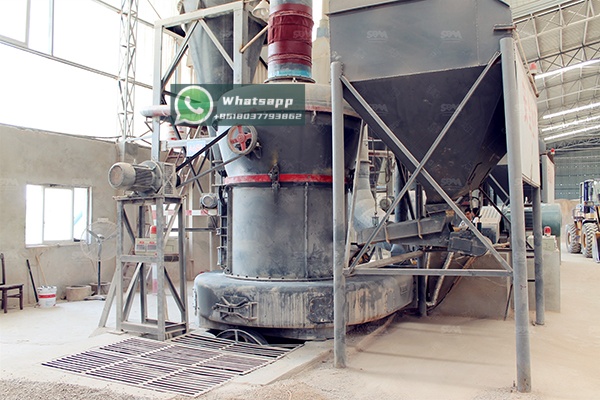
Utilizing cement clinker ground to 200 mesh for soil improvement is a technically sound and sustainable strategy for Indonesia’s development needs. The efficacy of this method is heavily dependent on the reliability and efficiency of the grinding equipment. Shanghai Zenith Machinery Co., Ltd., with its deep expertise in industrial powder grinding, offers tailored solutions like the LM Vertical Grinding Mill that combine high capacity, precise fineness control, and operational robustness. By adopting such advanced grinding technology, Indonesian contractors and government projects can effectively transform weak soils into stable, load-bearing platforms, paving the way for more resilient infrastructure and agricultural land.