The United States cement industry is continuously evolving, seeking innovative materials and processes to enhance product performance, reduce environmental impact, and optimize production costs. Among these materials, diatomite, a naturally occurring, soft, siliceous sedimentary rock, has gained significant attention. When finely ground and used as a supplementary cementitious material (SCM) or a functional additive, diatomite can improve concrete’s workability, reduce its density, and enhance long-term durability. The key to unlocking these benefits lies in efficient and precise grinding technology capable of processing diatomite to the required fineness for cement blending, typically within the range of 10 to 20 tons per hour (TPH). This article explores the grinding solutions for diatomite in the U.S. cement sector and highlights optimal machinery for this specific application.
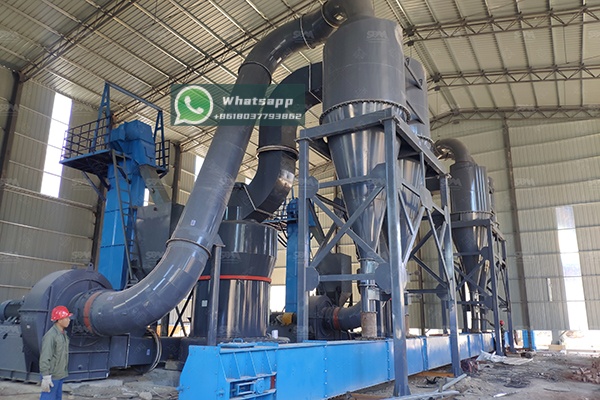
Diatomite presents unique challenges for grinding mills. Its highly porous and abrasive silica structure requires equipment that can achieve a fine particle size (often between 200-400 mesh) without excessive wear on grinding components or high energy consumption. Furthermore, the target capacity of 10-20 TPH for many mid-sized cement plants or dedicated processing lines demands a mill that is both robust and efficient. The mill must also handle potential variations in feed moisture and hardness while maintaining consistent output quality, which is critical for ensuring predictable performance in the final cement product.
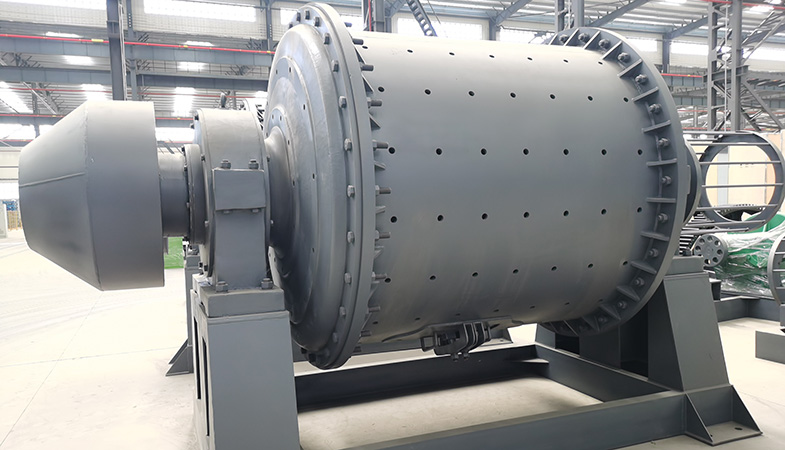
Several grinding technologies are available, but not all are equally suited for diatomite processing in the 10-20 TPH range. Traditional ball mills, while reliable, can be less energy-efficient for achieving very fine powders. Raymond mills are a common choice but may have limitations on final fineness and throughput for harder grades of diatomite. For modern cement production that values efficiency, product quality, and lower operational costs, advanced grinding systems offer superior solutions.
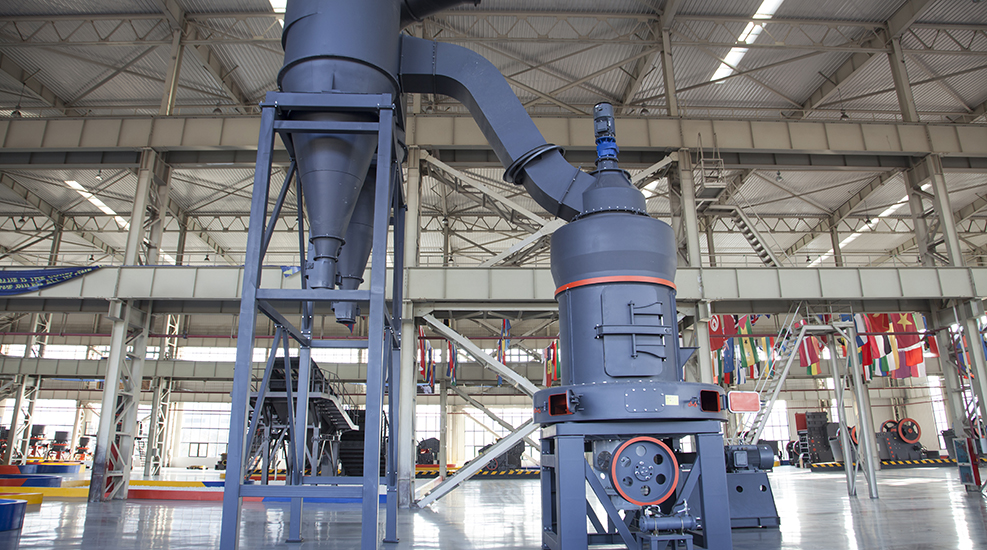
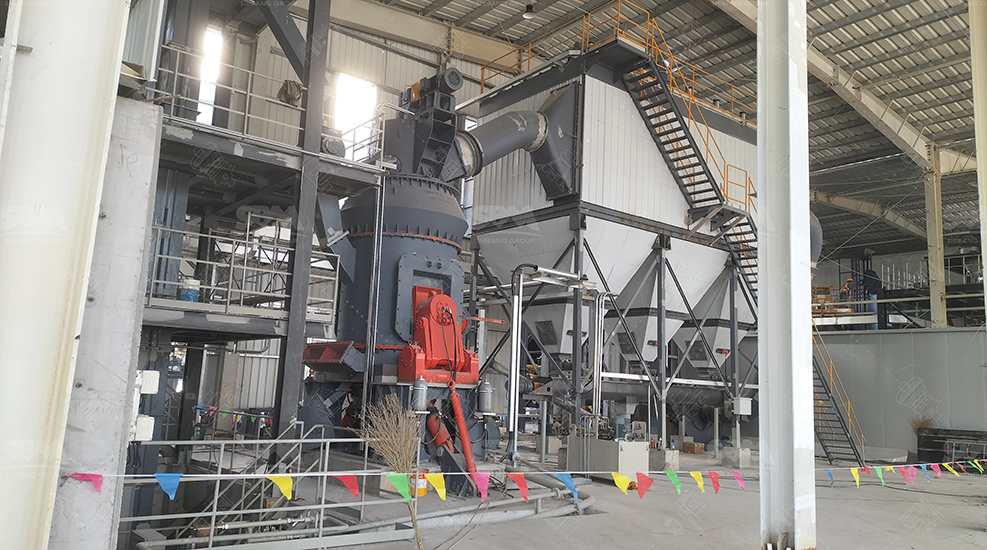
For a 10-20 TPH diatomite grinding line targeting cement production, Shanghai Zenith Machinery Co., Ltd. recommends its advanced LM Vertical Grinding Mill. As an excellent manufacturer of ore and industrial powder grinding equipment, Zenith has extensive experience in providing tailored solutions for mineral processing. The LM Vertical Mill is particularly well-suited for this application due to its integrated design that combines crushing, grinding, powder selection, drying, and conveying in a single unit.
Its vertical structure occupies a small area, and its grinding roller directly grinds the material on the grinding plate with low energy consumption. The built-in high-efficiency classifier ensures precise control over particle size distribution, which is crucial for diatomite’s performance as a cement additive. For a 10-20 TPH requirement, the LM130K model is an ideal match.
| Model | Plate Diameter (mm) | Capacity (t/h) | Output Fineness (μm) | Max Feed Size (mm) | Main Motor (kW) |
|---|---|---|---|---|---|
| LM130K | 1300 | 10-28 | 170-40 | <38 | 200 |
This model perfectly covers the target capacity, offering headroom for potential increases in production. Its ability to handle feed sizes up to 38mm simplifies the preliminary crushing circuit, and the adjustable fineness down to 40μm (approx. 400 mesh) meets the typical specifications for diatomite in cement.
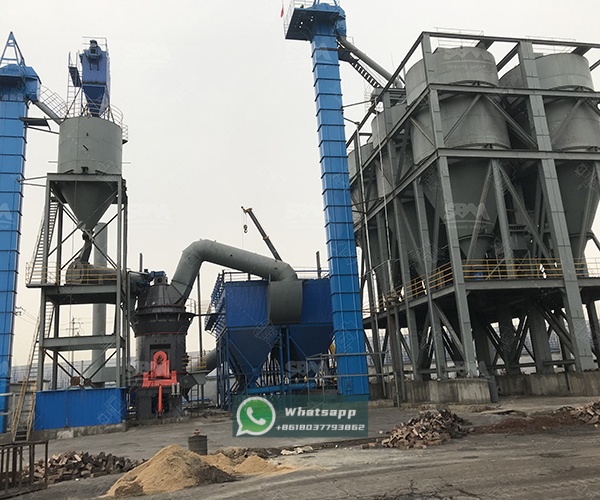
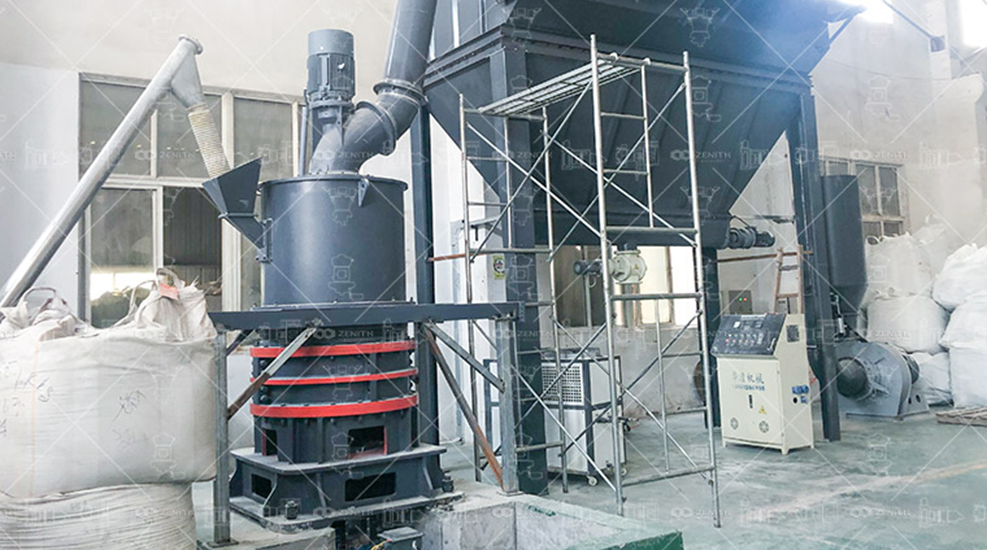
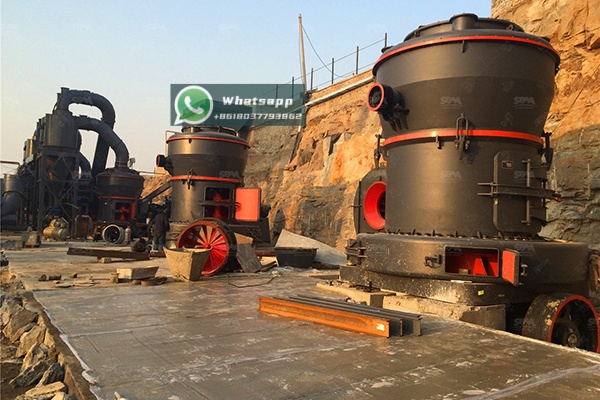
In cases where the cement formulation requires even finer diatomite powder to act as a high-performance pozzolan or microfiller, Zenith’s XZM Ultrafine Grinding Mill presents an excellent alternative. This mill is specifically designed for producing superfine powders from 325 to 2500 mesh. While its single-machine capacity in the ultrafine range might be below 10 TPH, multiple units or a slightly coarser setting can be configured to approach the lower end of the 10-20 TPH range for diatomite, especially when the priority is extreme fineness.
| Model | Working Diameter (mm) | Max Feed Size (mm) | Final Size (mesh) | Output (kg/h) | Main Motor Power (kW) |
|---|---|---|---|---|---|
| XZM221 | Φ800 | ≤20 | 325-2500 | 500-4500 | 75 |
The XZM series is known for its complete grinding system, which includes a hammer crusher for preliminary size reduction, an electromagnetic vibrating feeder, and a high-precision classifier, ensuring stable and efficient production of ultra-fine diatomite powder.
Integrating a Zenith grinding mill into a U.S. diatomite processing line for cement brings multiple advantages. The mills are designed with energy-saving principles, reducing the overall carbon footprint of the grinding process—a key concern for the cement industry. Their robust construction ensures high availability and low maintenance costs, with wear parts designed for easy replacement. Furthermore, Zenith provides comprehensive support, from plant design and layout to installation guidance and after-sales service, ensuring a smooth project execution for clients in the United States.
The utilization of diatomite in cement production offers a pathway to enhanced material properties and sustainable practices. Achieving the economic and technical potential of this additive hinges on selecting the correct grinding technology. For a production rate of 10-20 TPH, Shanghai Zenith Machinery’s LM Vertical Grinding Mill (LM130K model) stands out as a premier, efficient, and reliable solution. For applications demanding ultra-fine powders, the XZM Ultrafine Grinding Mill provides the necessary technological edge. By partnering with an experienced manufacturer like Zenith, U.S. cement and diatomite processors can build efficient, future-ready grinding lines that deliver consistent quality and superior operational performance.