Tanzania is endowed with significant deposits of high-quality diatomite, a naturally occurring, soft, siliceous sedimentary rock. This versatile material, composed of the fossilized remains of diatoms, is gaining prominence in the industrial sector, particularly in the production of functional coatings. Diatomite-based coatings offer exceptional benefits such as improved matting, enhanced durability, increased porosity for breathability, and superior thermal and acoustic insulation properties. To unlock these benefits for the local and export markets, efficient processing is paramount. The key lies in transforming raw diatomite into a fine, consistent powder suitable for high-grade coating formulations. This article explores the critical role of specialized grinding mills in achieving a production target of 1-3 tons per hour (TPH) for Tanzania’s burgeoning coating industry.
Grinding diatomite for coating production is not a simple task. The material’s unique properties—including its low hardness, high abrasiveness due to silica content, and porous, fragile structure—present specific challenges. Inefficient grinding can lead to several issues:
Therefore, selecting the right grinding technology is crucial to preserve diatomite’s functional properties while achieving the desired fineness (typically ranging from 200 to 1250 mesh for coatings) and a stable output of 1-3 TPH.
For a medium-scale production line targeting 1-3 TPH, the grinding mill must offer precision, efficiency, and reliability. While several mill types exist, vertical roller mills and advanced trapezium mills stand out for this specific application.
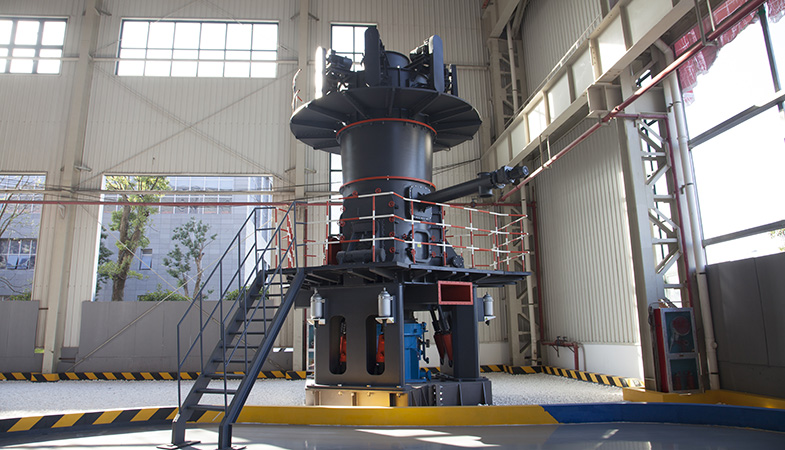
Vertical Roller Mills (VRM) are highly recommended for their integrated drying-grinding-classifying system. Diatomite often contains surface moisture, and VRMs can efficiently dry and grind in a single step, streamlining the process. Their principle involves grinding the material between a rotating table and rollers, with an integrated classifier ensuring that only particles of the required fineness leave the mill. This results in a narrow PSD, high energy efficiency, and lower wear rates compared to some traditional systems.
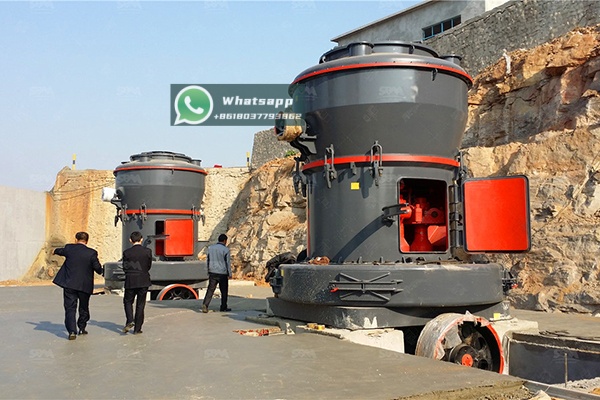
Advanced Trapezium Mills represent an evolution of the classic Raymond mill. They are particularly suitable for processing non-metallic minerals like diatomite to a fine powder. Their curved grinding roller and shovel design ensure a high grinding efficiency and longer lifespan of wearing parts. These mills often feature multiple classifiers for precise fineness control, making them ideal for producing diatomite powder for various coating grades.
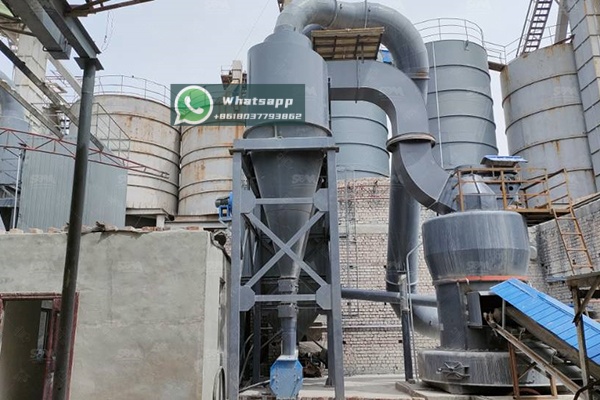
As a leading manufacturer in the field of industrial grinding, Shanghai Zenith Machinery Co., Ltd. offers robust and technologically advanced solutions perfectly suited for Tanzania’s diatomite processing needs. For a 1-3 TPH coating-grade diatomite production line, we highly recommend the following equipment:
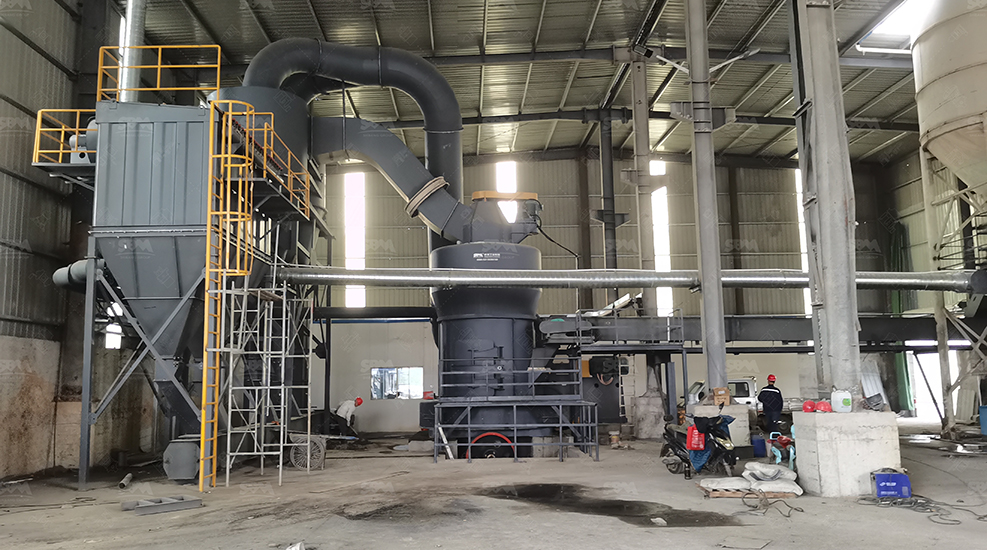
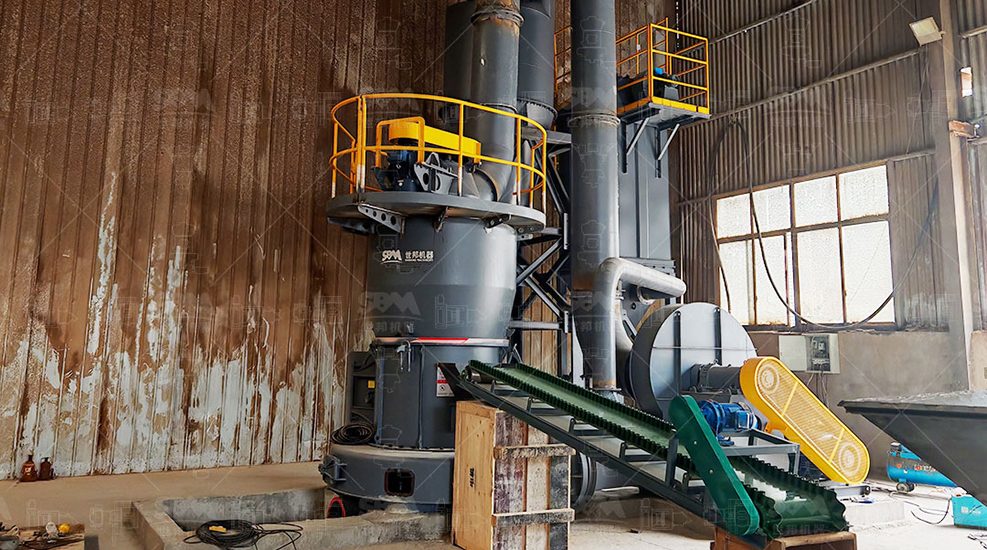
The Zenith MTW Series Trapezium Mill is engineered with multiple national patents. It features a bevel gear overall drive, internal thin-oil lubrication system, and curved air duct. These innovations make it exceptionally reliable, energy-saving, and environmentally friendly. For diatomite grinding, its efficient powder separator ensures precise fineness control from 1.6mm to 0.045mm (325-1250 mesh), which is critical for coating applications. The compact design and stable operation make it an excellent choice for medium-capacity plants.
| Model | Max. Feed Size (mm) | Final Product Size (mm) | Capacity (t/h) | Main Motor Power (kW) |
|---|---|---|---|---|
| MTW110 | <30 | 1.6-0.045 | 3-9 | 55 |
The MTW110 model is ideally matched for a 1-3 TPH target, offering headroom for future expansion while operating efficiently at the desired output range.
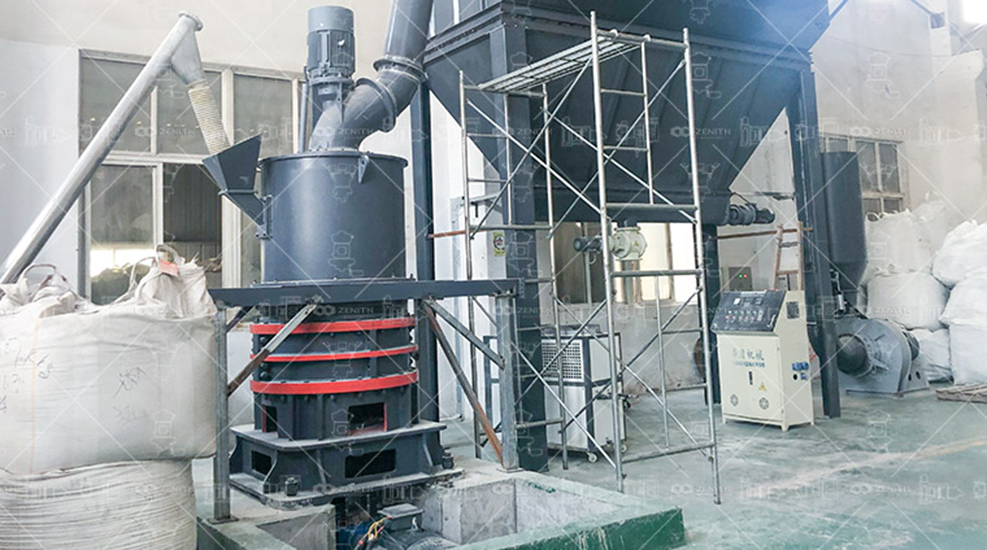
For coating producers aiming at the highest quality, ultra-fine diatomite powder (above 800 mesh), the Zenith XZM Ultrafine Grinding Mill is the optimal solution. It is specifically designed for superfine powder production. Its unique grinding chamber design and high-efficiency classifier allow it to achieve an impressive fineness range of 325-2500 mesh. This mill is perfect for producing high-value, functional diatomite fillers that impart special properties to advanced coating systems.
| Model | Max Feed Size (mm) | Final Product Size (mesh) | Output (kg/h) | Main Motor Power (kW) |
|---|---|---|---|---|
| XZM221 | ≤20 | 325-2500 | 500-4500 | 75 |
The XZM221 model, with an output of 0.5-4.5 TPH, aligns perfectly with the project’s capacity requirements and can deliver the ultra-fine product demanded by premium coating manufacturers.
Establishing a successful 1-3 TPH grinding plant involves more than just selecting the right mill. A holistic approach is necessary:
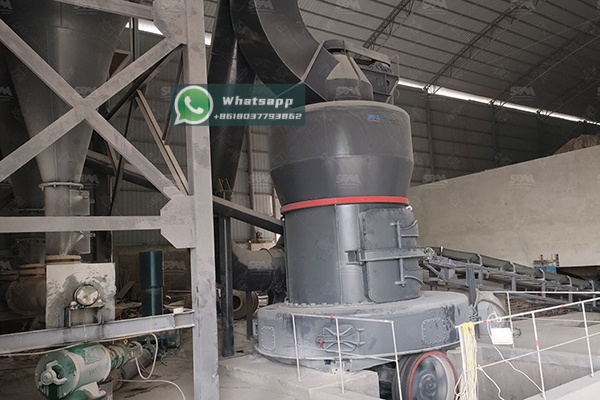
The development of a local diatomite processing industry for coating production presents a significant economic opportunity for Tanzania. Achieving a consistent, high-quality output of 1-3 TPH hinges on deploying the correct grinding technology. Equipment such as the Zenith MTW Trapezium Mill and the XZM Ultrafine Grinding Mill are engineered to meet the specific challenges of diatomite processing, offering the perfect blend of precision, efficiency, and reliability. By investing in these advanced grinding solutions, Tanzanian entrepreneurs can produce world-class diatomite powders, add substantial value to a local resource, and competitively supply both domestic and international coating markets.