Indonesia, with its vast agricultural lands and diverse soil conditions, faces significant challenges in soil fertility and structure. Soil degradation, acidity, and poor water retention are persistent issues that threaten sustainable crop production. In this context, the application of natural soil amendments has gained considerable traction. Among these, diatomite, a siliceous sedimentary rock composed of fossilized diatoms, stands out for its remarkable properties. To unlock its full potential for soil improvement, efficient processing through specialized grinding equipment is paramount. This article explores the role of diatomite in Indonesian agriculture and presents an optimal grinding solution for a production capacity of 20-30 tons per hour (TPH).
Diatomite offers a multi-faceted solution for soil enhancement. Its highly porous structure acts as a superb soil conditioner, improving aeration and drainage in heavy clay soils while simultaneously enhancing water and nutrient retention in sandy soils. This is crucial for regions in Indonesia experiencing irregular rainfall patterns. Furthermore, diatomite is rich in silica, a beneficial element that strengthens plant cell walls, improving resistance to pests, diseases, and environmental stress. It can also help buffer soil pH and reduce the toxicity of heavy metals. For these benefits to be effectively delivered to the field, raw diatomite must be processed into a fine, uniform powder with a specific particle size distribution, maximizing its surface area and reactivity.
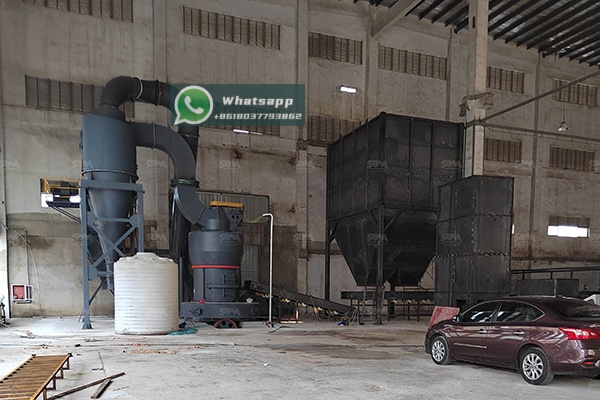
Processing diatomite requires careful consideration. It is a relatively soft but abrasive material. The primary goal for soil amendment applications is to produce a fine powder, typically ranging from 100 to 325 mesh, without compromising the unique porous structure of the diatom particles. The grinding process must be efficient, controllable, and energy-conscious. For a medium-scale operation targeting 20-30 TPH output, the grinding mill must offer:
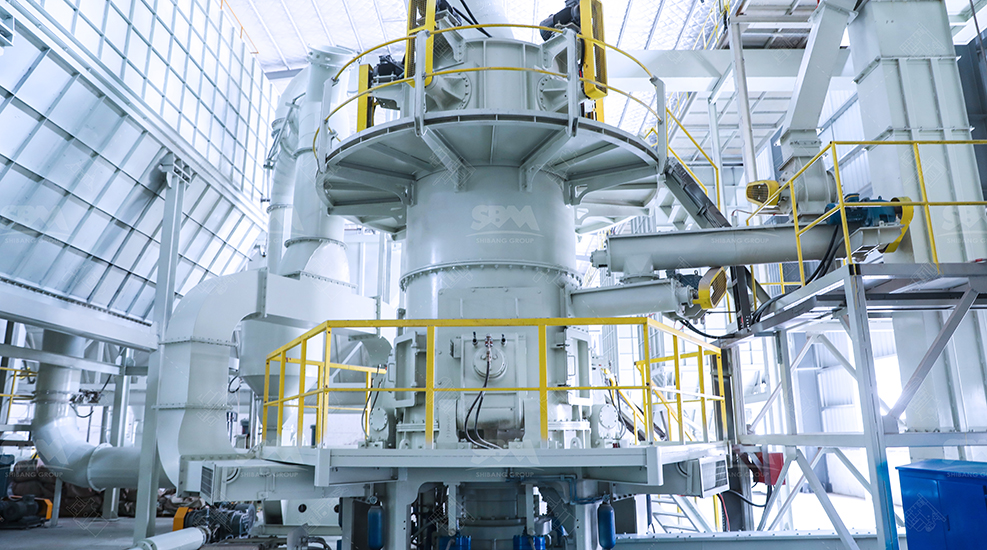
For this specific application, Shanghai Zenith Machinery Co., Ltd., an excellent manufacturer of ore and industrial powder grinding equipment, recommends its advanced LM Vertical Grinding Mill. This mill is particularly well-suited for processing non-metallic minerals like diatomite for several reasons. It integrates five functions—crushing, grinding, powder selection, drying, and material conveying—into a single, compact unit. This integrated design is ideal for producing the required fine powder for soil amendments while potentially handling the drying process if the raw material is not fully dry.
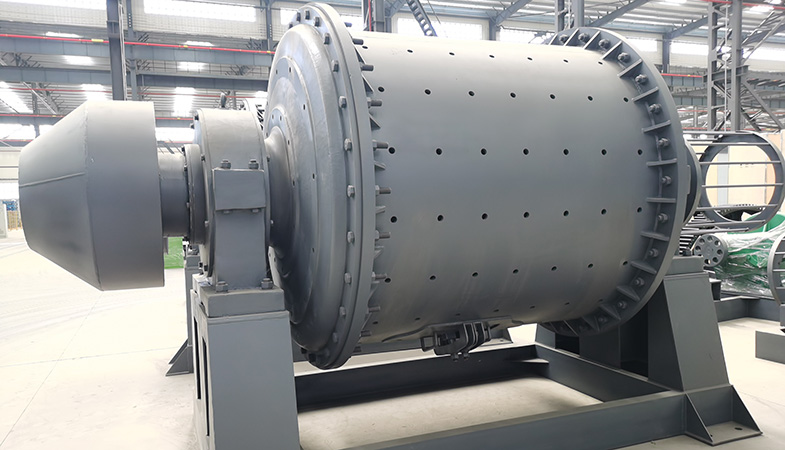
The LM Vertical Mill operates with a lower noise level and smaller footprint compared to traditional ball mills. Its grinding roller and plate are made from high-quality, wear-resistant materials, ensuring longevity when processing abrasive diatomite. Most importantly, it offers excellent energy efficiency and precise control over the final product’s fineness through an advanced internal classifier.
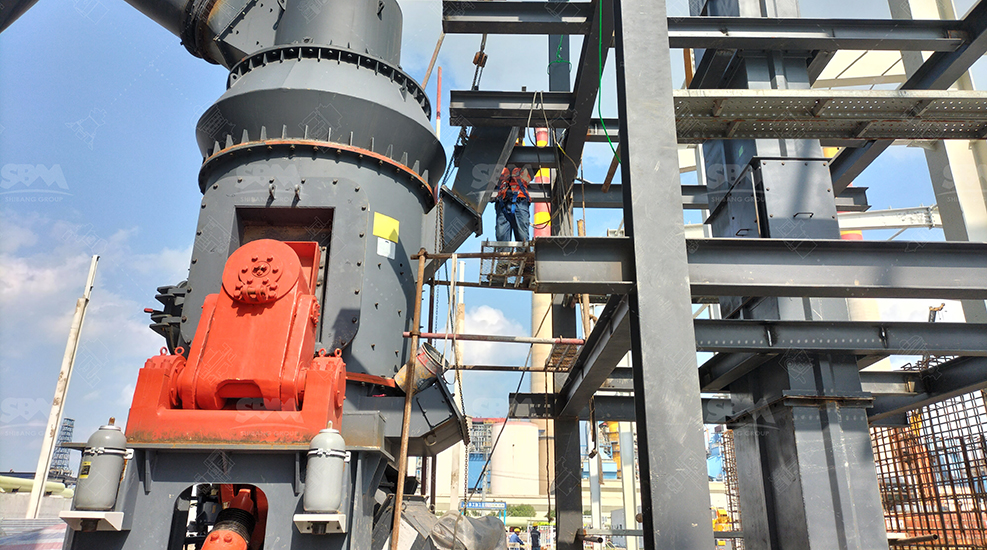
For a 20-30 TPH diatomite grinding project in Indonesia, the LM190K model from Zenith’s Vertical Mineral Mill series is an ideal match. Its technical parameters align perfectly with the project requirements:
| Model | Plate Diameter (mm) | Capacity (t/h) | Output Fineness (μm) | Max Feed Size (mm) | Main Motor (kW) |
|---|---|---|---|---|---|
| LM190K | 1900 | 23-68 | 170-40 (~80-325 mesh) | <45 | 500 |
As shown, the LM190K’s capacity range comfortably encompasses the 20-30 TPH target, with room for potential expansion. Its ability to produce powder as fine as 40 microns (approximately 325 mesh) meets the agronomic requirements for soil improvement. The robust construction ensures reliable operation in industrial settings.
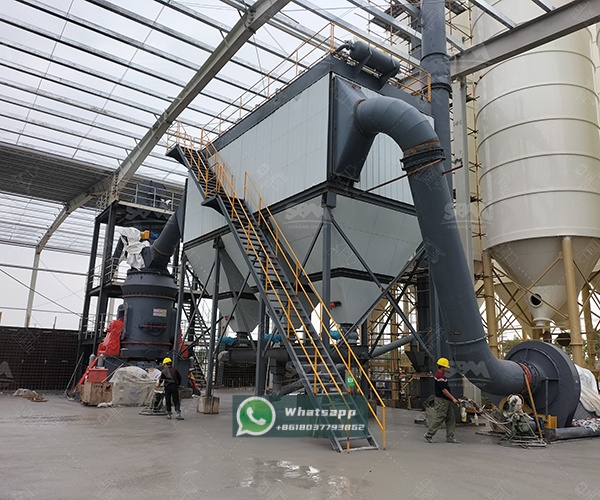
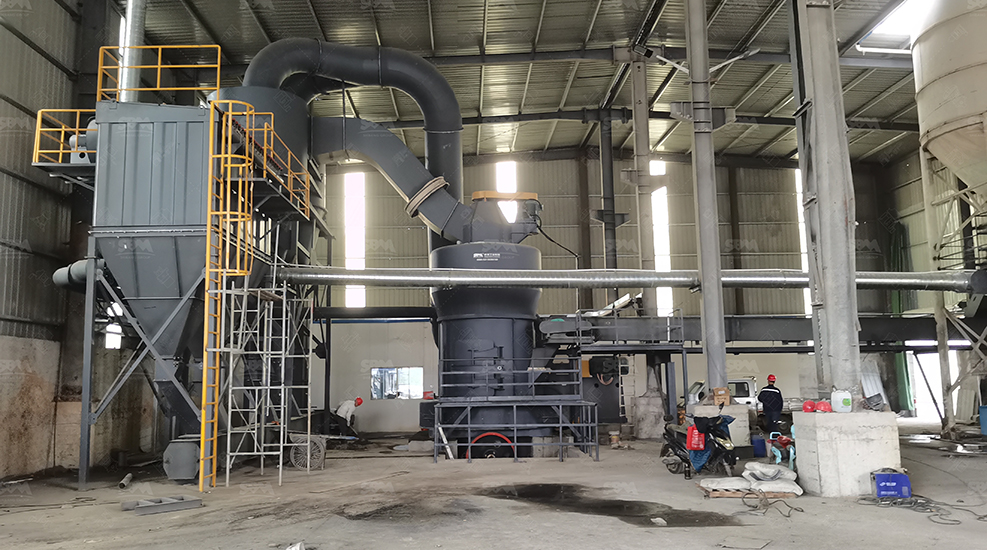
Another excellent option from Zenith’s portfolio is the MTW Trapezium Grinding Mill. Known for its multiple national patents, curved air duct, and high-efficiency impeller powder selector, the MTW series is also a top contender for non-metallic mineral grinding. It offers high grinding efficiency, a long service life, and an eco-friendly design with excellent dust collection. For the same 20-30 TPH output, the MTW175G model would be a suitable choice, offering a capacity of 9.5-25 TPH. For more assured coverage of the upper end of the requirement, the MTW215G model (15-45 TPH) provides a perfect fit with greater power and capacity headroom.
Implementing a Zenith grinding mill for a diatomite processing plant in Indonesia would involve a systematic approach: raw diatomite feeding, primary crushing (if necessary), grinding in the LM Vertical Mill or MTW Trapezium Mill, powder collection via a pulse dust collector, and packaging. The resulting diatomite powder can then be bagged and distributed to agricultural cooperatives or directly applied to farms.
The benefits are substantial. Locally processed, high-quality diatomite amendments can lead to improved crop yields, reduced dependency on chemical fertilizers, enhanced soil resilience against erosion, and better water management. From an economic perspective, the project creates local employment and adds value to a domestic natural resource. The efficiency and reliability of Zenith’s grinding equipment ensure low operational costs and a stable supply of amendment material.
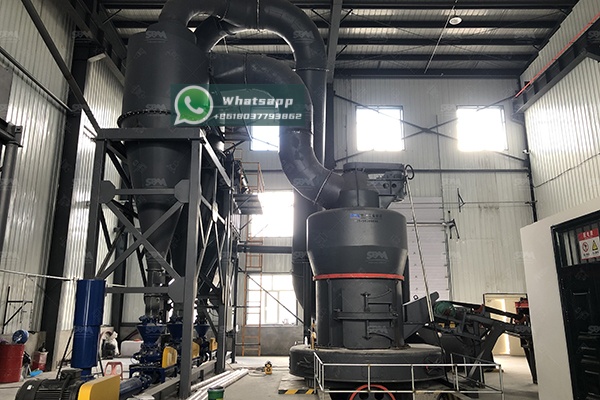
The utilization of diatomite presents a promising, natural pathway for soil improvement across Indonesia’s agricultural sector. The key to harnessing its benefits lies in efficient and reliable processing technology. For a production target of 20-30 tons per hour, Shanghai Zenith Machinery’s LM190K Vertical Grinding Mill stands out as a premier, integrated solution, offering the perfect balance of capacity, fineness control, energy efficiency, and durability. As a leader in powder grinding technology, Zenith provides not just equipment but a complete, sustainable solution to support Indonesia’s agricultural productivity and soil health for years to come.