The tile industry in the United Arab Emirates (UAE) is a cornerstone of its booming construction and interior design sectors, demanding materials that combine aesthetic appeal with functional performance. Diatomite, a naturally occurring, soft, siliceous sedimentary rock, has emerged as a critical additive in tile production. Its unique properties—including high porosity, low density, thermal insulation, and sound absorption—enhance the durability, weight, and firing characteristics of ceramic and porcelain tiles. To unlock these benefits, diatomite must be processed into a fine, consistent powder. This is where the selection of an efficient and reliable grinding mill becomes paramount for plants targeting a production rate of 10 to 20 tons per hour (TPH).
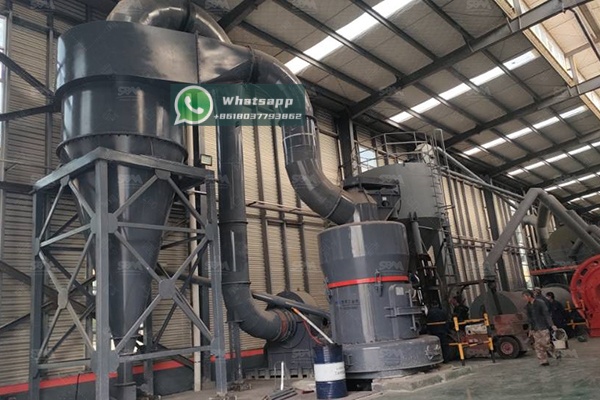
Raw diatomite ore is typically mined in large chunks or slabs. For integration into tile body mixes or glazes, it must be reduced to a fine powder with a specific particle size distribution. The target fineness for tile applications usually ranges from 200 to 800 mesh (approximately 75 to 10 microns). Achieving this consistently at an industrial scale of 10-20 TPH requires equipment that offers precise control over particle size, high throughput, energy efficiency, and low maintenance downtime. Furthermore, the abrasive nature of silica in diatomite demands wear-resistant grinding components to ensure operational longevity.
Several grinding technologies are available, but not all are equally suited for diatomite processing at this capacity. Traditional Raymond Mills or Ball Mills may struggle with efficiency or fineness control at this scale. The ideal solution should integrate drying (if the raw material has moisture), grinding, classification, and conveying in a streamlined system.
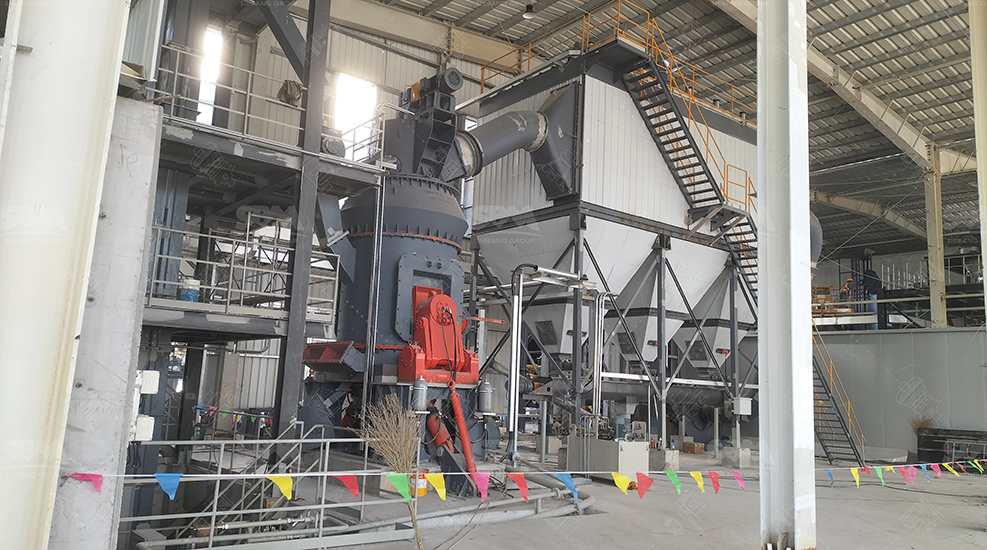
For a 10-20 TPH diatomite grinding line in the UAE, two advanced mill types stand out: the Vertical Grinding Mill and the Ultrafine Vertical Mill. These systems are designed for non-metallic minerals like diatomite, offering superior efficiency, lower energy consumption per ton, and the ability to produce a precisely controlled product.
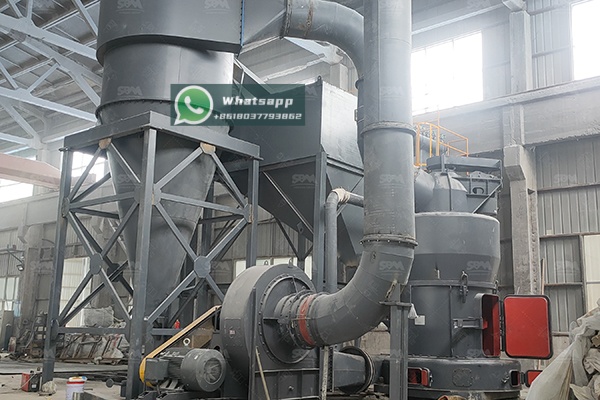
Shanghai Zenith Machinery Co., Ltd., a leading manufacturer of ore and industrial powder grinding equipment from China, provides cutting-edge solutions perfectly aligned with the needs of the UAE tile industry. With extensive experience in ultra-fine powder processing, Zenith’s equipment is engineered for performance, durability, and intelligence.
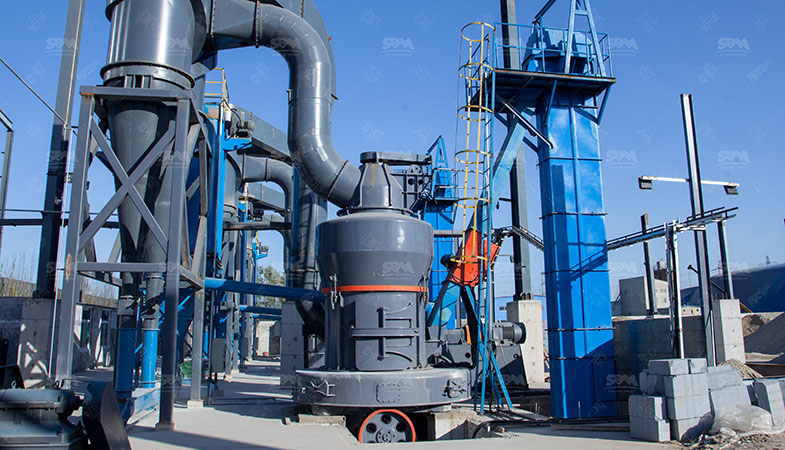
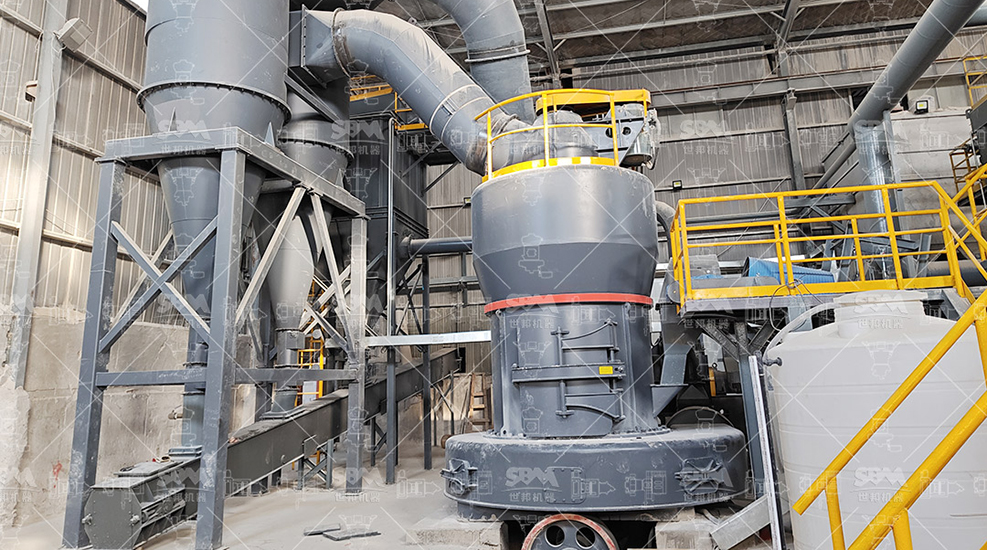
For a robust 10-20 TPH diatomite grinding operation, the LM Vertical Grinding Mill is an exemplary choice. Its integrated design combines crushing, grinding, powder selection, drying, and material conveying into one compact unit. This is particularly advantageous for diatomite, which may require slight drying during grinding. The mill’s ability to handle feed sizes up to 50mm and produce powder in the range of 170-40 microns (approx. 80-400 mesh) makes it ideal for tile production. Its small footprint and eco-friendly operation are additional benefits for modern industrial plants.
For a 10-20 TPH requirement, the LM130K model is highly suitable. Its technical parameters are as follows:
| Model | Plate Diameter (mm) | Capacity (t/h) | Output Fineness (μm) | Max Feed Size (mm) | Main Motor (kW) |
|---|---|---|---|---|---|
| LM130K | 1300 | 10-28 | 170-40 | <38 | 200 |
As shown, the LM130K’s capacity range comfortably encompasses the 10-20 TPH target, ensuring operational flexibility and headroom for peak demand. Its efficient grinding principle ensures lower energy consumption compared to traditional ball mills, directly reducing production costs for tile manufacturers.
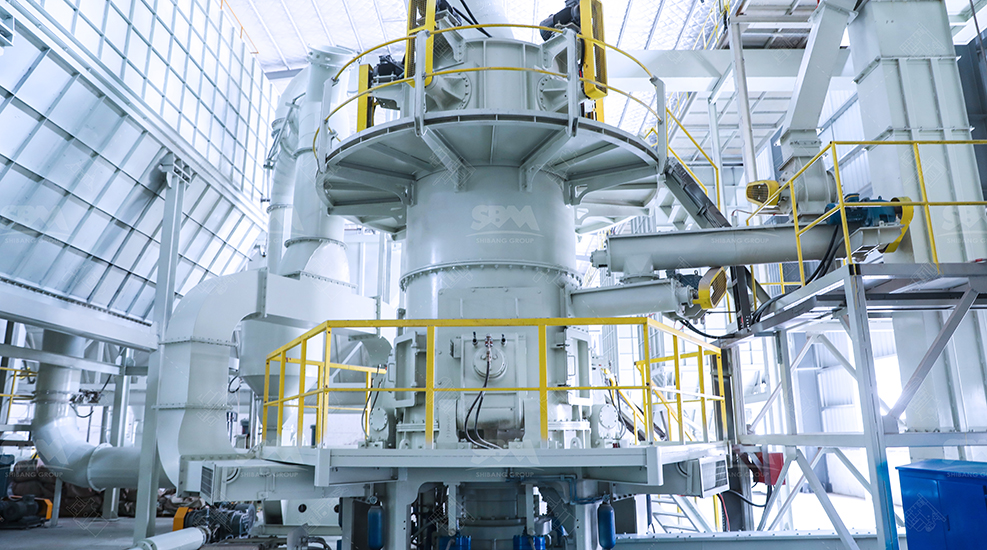
For tile producers seeking to incorporate very fine diatomite powder (e.g., for high-end glaze formulations or special-effect tiles), the LUM Ultrafine Vertical Mill is the superior technology. It represents the pinnacle of Zenith’s grinding innovation, integrating ultra-fine grinding, precise classification, and drying. It is designed to produce products with a high content of end-fines, with particle size distribution (D97) adjustable between 5-30 microns (approx. 600-2500 mesh).
The LUM1125 model is a perfect fit for high-value, fine-powder production within the target throughput. Its key parameters include:
| Model | Main Machine Power (kW) | Capacity (t/h) | Size Distribution D97 (μm) |
|---|---|---|---|
| LUM1125 | 112-132 | 0.5-4.5 | 5-30 |
While its base capacity is below 10 TPH, multiple units or a larger model like the LUM1436 can be configured for higher throughput of ultra-fine product. Its intelligent control system allows for stable operation and easy maintenance, ensuring consistent powder quality critical for premium tile batches.
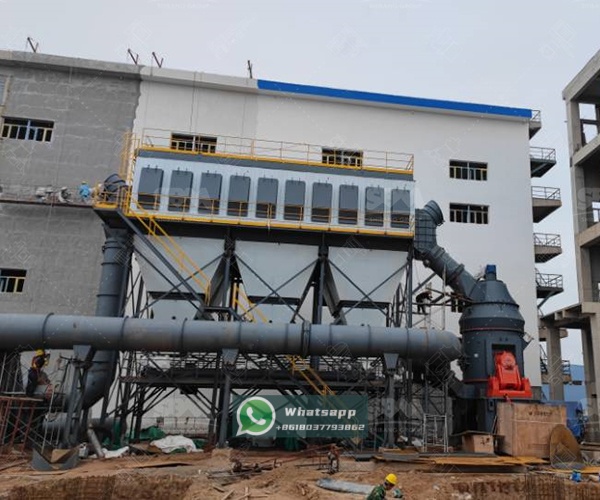
Implementing a Zenith grinding solution involves more than just the mill. A complete system includes jaw crusher for primary size reduction, bucket elevator, vibrating feeder, the main grinding mill (LM or LUM series), pulse dust collector, and packing machine. This turnkey system ensures seamless, dust-free operation.
The benefits for a UAE-based tile factory are substantial:
The competitiveness of the UAE’s tile industry hinges on adopting advanced manufacturing technologies. Processing key additives like diatomite with efficiency and precision is a critical step. Shanghai Zenith Machinery’s grinding mills, particularly the LM Vertical Grinding Mill for standard applications and the LUM Ultrafine Vertical Mill for specialized needs, provide reliable, high-performance solutions tailored for 10-20 TPH production lines. By investing in such technology, tile manufacturers can enhance product quality, optimize production costs, and strengthen their position in both local and global markets.