Kenya’s foundry industry has been expanding steadily, driven by infrastructure development, automotive manufacturing, and agricultural machinery production. A critical raw material in metal casting is high-quality sand, which forms the mold into which molten metal is poured. While silica sand has traditionally been the standard, dolomite (CaMg(CO₃)₂) is emerging as a cost-effective and performance-enhancing alternative for certain casting applications. Dolomite-based casting sand offers superior refractoriness, lower thermal expansion, and better slag resistance, making it particularly suitable for steel and iron castings. However, the raw dolomite must be processed into a precise particle size distribution—typically between 0.1 mm and 1.0 mm—to meet foundry specifications. This article focuses on selecting the right dolomite grinding mill for a production capacity of 1 to 3 tons per hour (tph) in Kenya, taking into account local energy costs, maintenance requirements, and the need for consistent product quality.
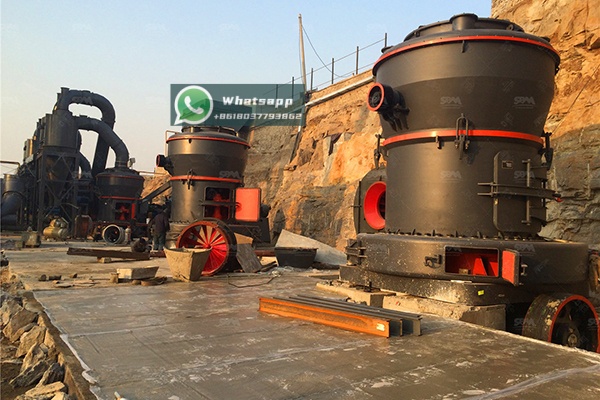
Dolomite is a double carbonate of calcium and magnesium, with a Mohs hardness of 3.5–4. It decomposes at around 700–800°C, forming CaO and MgO, which contribute to its high refractory value. When used as a molding sand, dolomite exhibits several advantages:
However, raw dolomite must be crushed, dried, and ground to a tight particle size distribution. For casting sand, the target fineness is usually between 20 mesh (0.85 mm) and 100 mesh (0.15 mm), with minimal fines below 200 mesh. This requires a grinding mill that can produce a narrow particle size range while operating at a moderate capacity of 1–3 tph.
When designing a dolomite grinding plant for casting sand in Kenya, several factors must be considered:
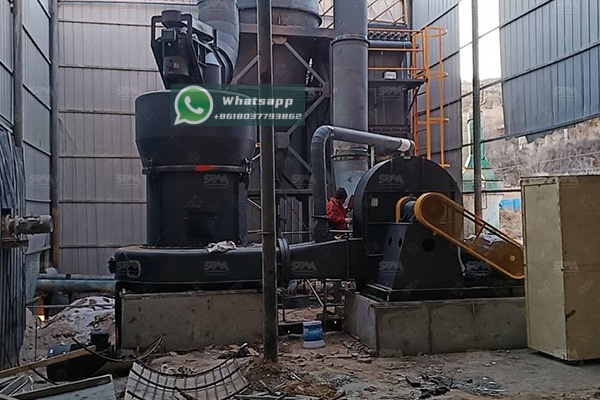
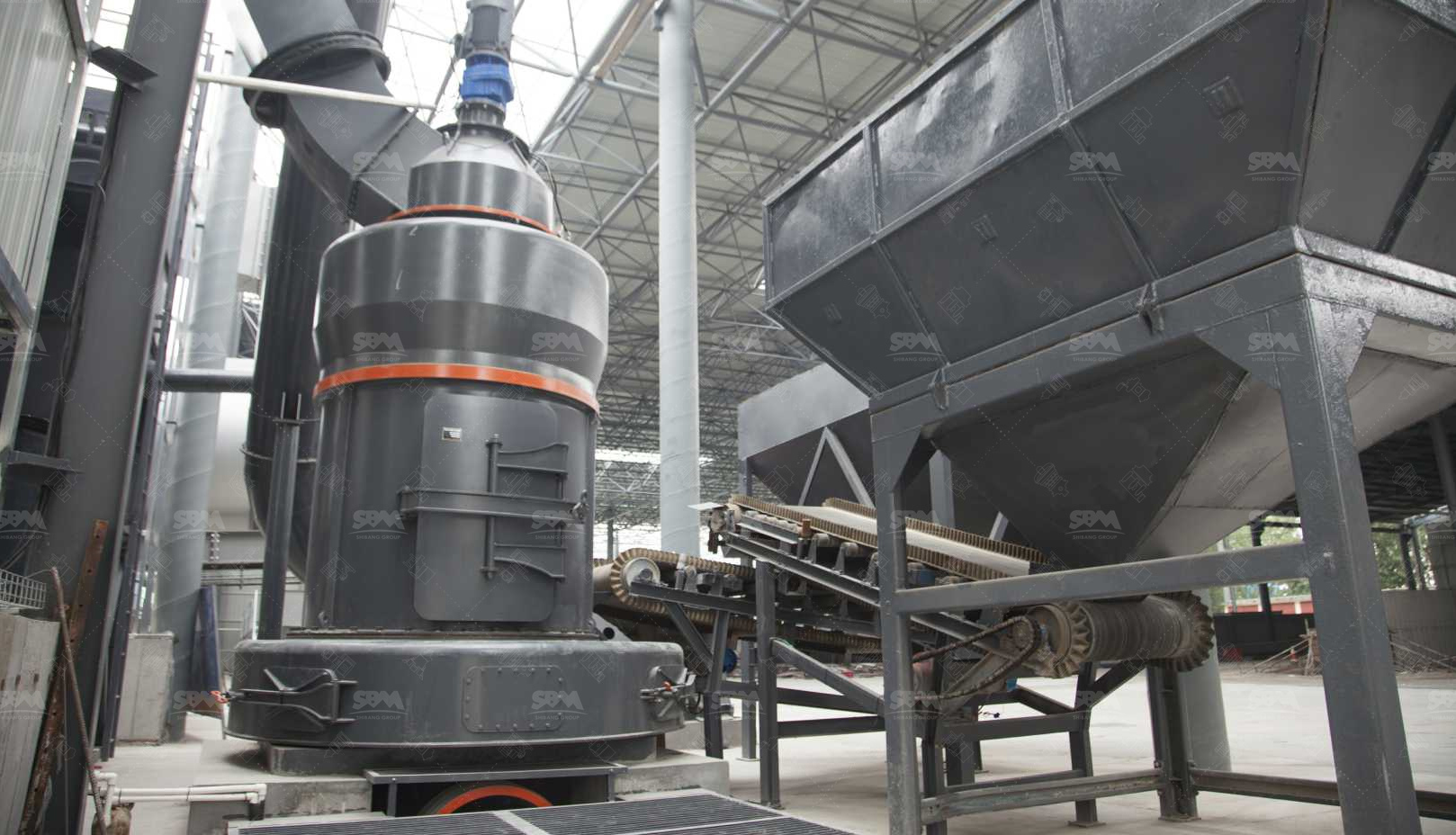
Shanghai Zenith Machinery Co., Ltd. is a world-class manufacturer of ore grinding equipment with decades of experience in ultra-fine powder processing. For the specific application of dolomite casting sand at 1–3 tph, we recommend two proven solutions: the YGM9517 Raymond Mill and the YGM8314 Raymond Mill. Both models are robust, easy to operate, and widely used in East Africa for mineral processing. Below are their technical parameters:
| Model | Roller Quantity (pcs) | Max Feed Size (mm) | Discharging Size (mm) | Capacity (t/h) | Main Motor Power (kW) |
|---|---|---|---|---|---|
| YGM9517 | 4 | 25 | 1.6 – 0.045 | 2.1 – 8 | 55 |
| YGM8314 | 3 | 20 | 1.6 – 0.045 | 1.2 – 4.6 | 37 |
Both mills utilize the proven pendulum grinding principle, where the grinding roller swings outward under centrifugal force and presses against the grinding ring. The ground material is classified by a high-efficiency classifier that ensures a uniform particle size distribution. For a target capacity of 1–3 tph, the YGM8314 is the most economical choice, as it can comfortably produce 1.2–4.6 t/h, while the YGM9517 offers greater headroom for future expansion. Additionally, these mills can be equipped with a hot air drying system to handle moisture up to 6%.
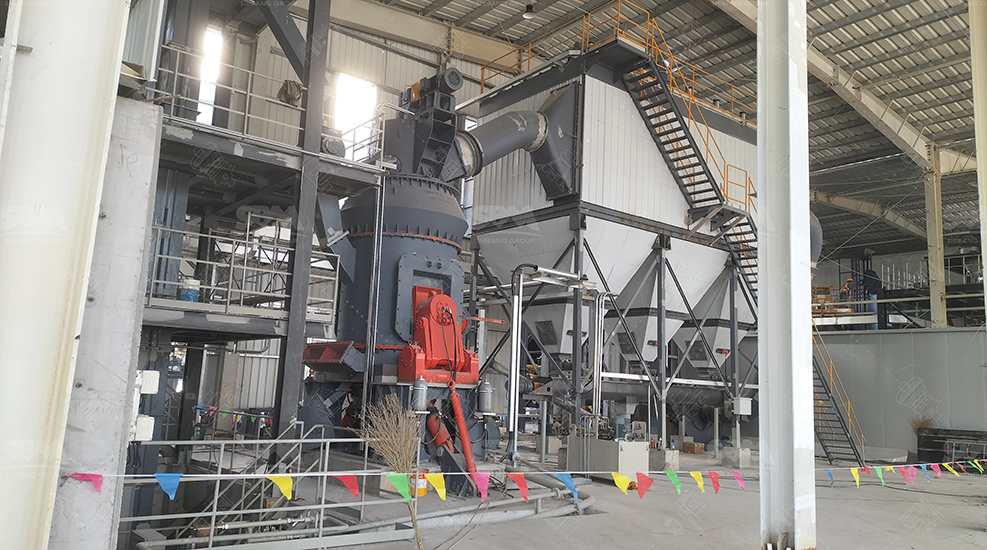
If the customer requires a more advanced grinding solution with automated control and lower energy consumption, the MTM100 Medium-Speed Grinding Mill is an excellent alternative. It features an upgraded structure with a separate classifier drive and a more efficient grinding roller assembly. Its output ranges from 3 to 8 t/h, which covers the upper end of the 1–3 tph range with excellent fineness control.
| Ring Roll Number (pcs) | Max Feed Size (mm) | Output (t/h) | Main Unit Motor Power (kW) |
|---|---|---|---|
| 4 | 25 | 3 – 8 | 37 |
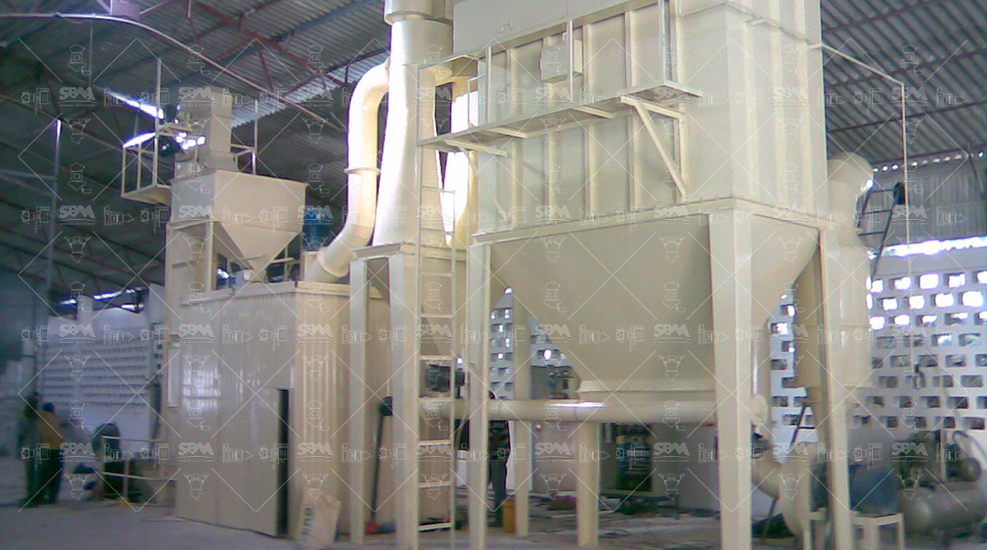
All three models are available with turnkey solutions including crusher, bucket elevator, feeder, bag dust collector, and control panel, ensuring a complete grinding plant tailored to the customer’s site.
Zenith is not just a supplier; we are a partner in your mineral processing success. Our advantages include:
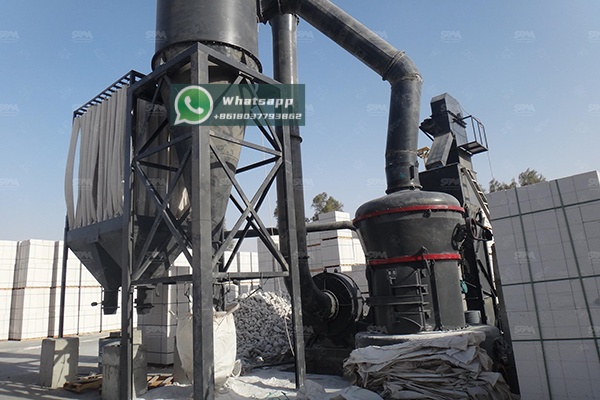
In early 2023, a medium-sized foundry in Mombasa approached Zenith for a solution to produce 2 tph of dolomite casting sand. The raw material came from a quarry in Makueni County, with an average moisture of 3.5%. After site assessment, Zenith recommended the YGM8314 Raymond Mill equipped with a twin-cyclone collector and a pulse jet dust collector. The plant was commissioned in March 2023 and has been running smoothly, producing sand with an AFS grain fineness number of 55 (typical for gray iron castings). The customer reported a 15% reduction in mold cost compared to imported silica sand, and the magnesium oxide in the dolomite actually improved the surface finish of the castings. The entire investment was recovered within 14 months.
Kenya’s growing foundry sector stands to benefit significantly from locally processed dolomite casting sand. With the right grinding mill—such as the YGM8314 or YGM9517 Raymond Mills from Shanghai Zenith—producers can achieve consistent quality at a capacity of 1–3 tph. Zenith’s commitment to reliability, energy efficiency, and local support makes it the ideal partner for this application. For inquiries or a customized quotation, please contact our Nairobi office or visit our website.