With the rapid growth of the ceramic industry in North Africa, particularly Algeria, the demand for reliable and efficient grinding technology for mineral materials continues to rise. Dolomite, one of the critical raw materials used in ceramic production, must be ground into fine and uniform particles to enhance glaze quality, reduce porosity, and improve mechanical strength in finished ceramic products. For a production scale of 10–20 tons per hour (TPH), selecting a high-performance dolomite grinding mill is essential.
Shanghai Zenith Machinery Co., Ltd., a leading manufacturer of mineral grinding equipment in China, has been providing advanced industrial milling solutions for over two decades. Our machines are widely recognized for their stable performance, high efficiency, and sustainability. In this article, we will focus on the use of dolomite grinding mills for ceramic materials in Algeria, highlighting optimized technologies and recommending suitable models from our product line.
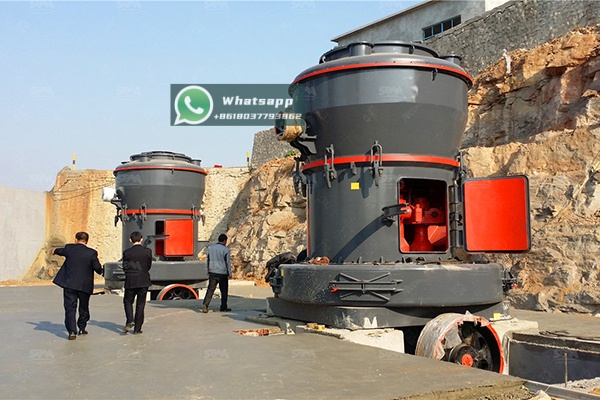
Dolomite, a double carbonate of calcium and magnesium, is a vital mineral in ceramics manufacturing. When properly processed, dolomite serves several purposes:
To achieve these properties, dolomite must be finely ground into powders with a particle size typically below 45 microns. Consistent particle distribution ensures homogeneous mixing with clay and feldspar, directly impacting the final product’s aesthetic and structural performance.
In ceramic applications, achieving the right balance between fineness, capacity, and energy efficiency is crucial. A 10–20 TPH system in Algeria must meet specific industrial requirements, such as:
To meet these challenges, Shanghai Zenith offers a range of grinding mills with various configurations suitable for different production scales.
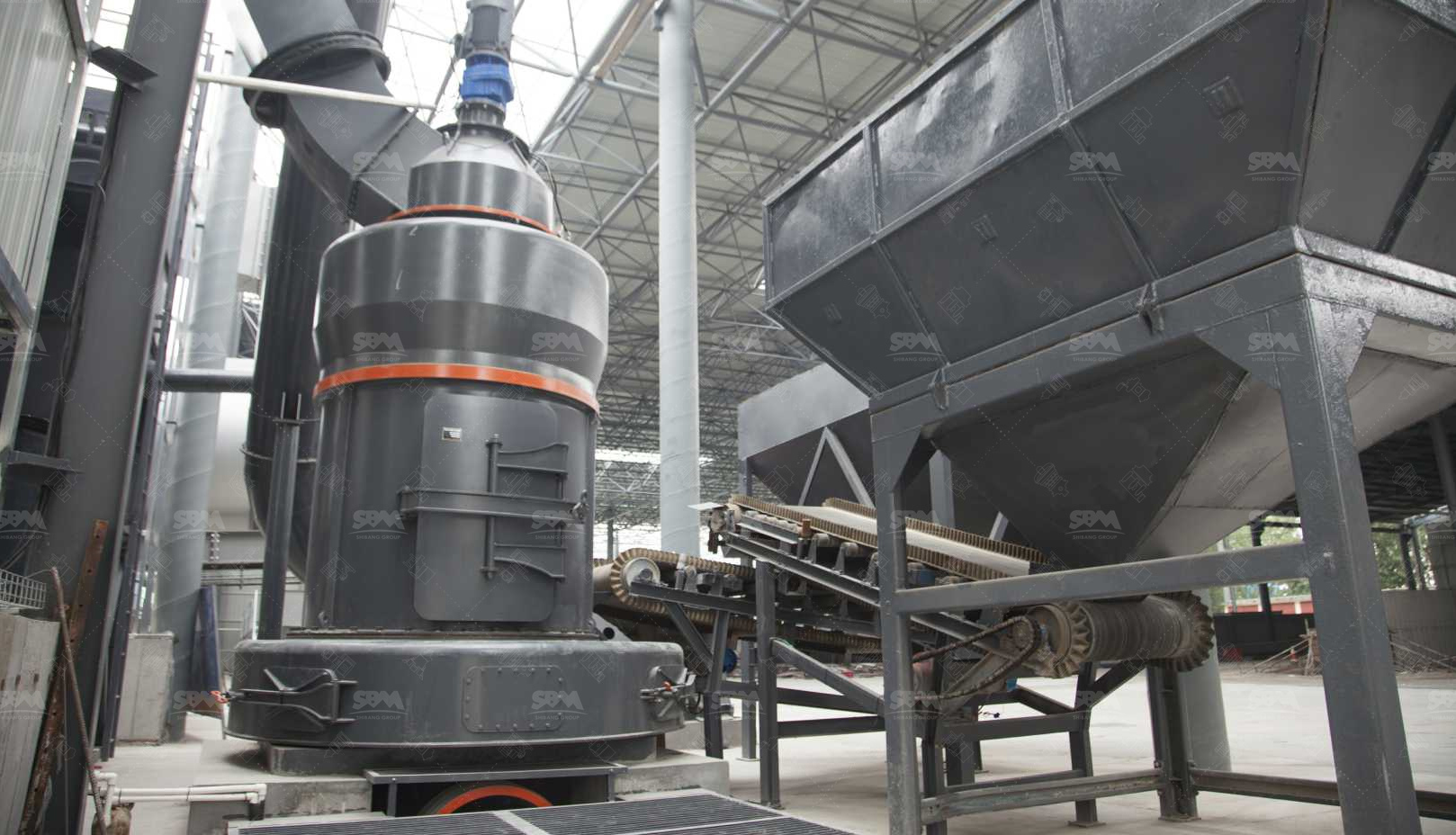
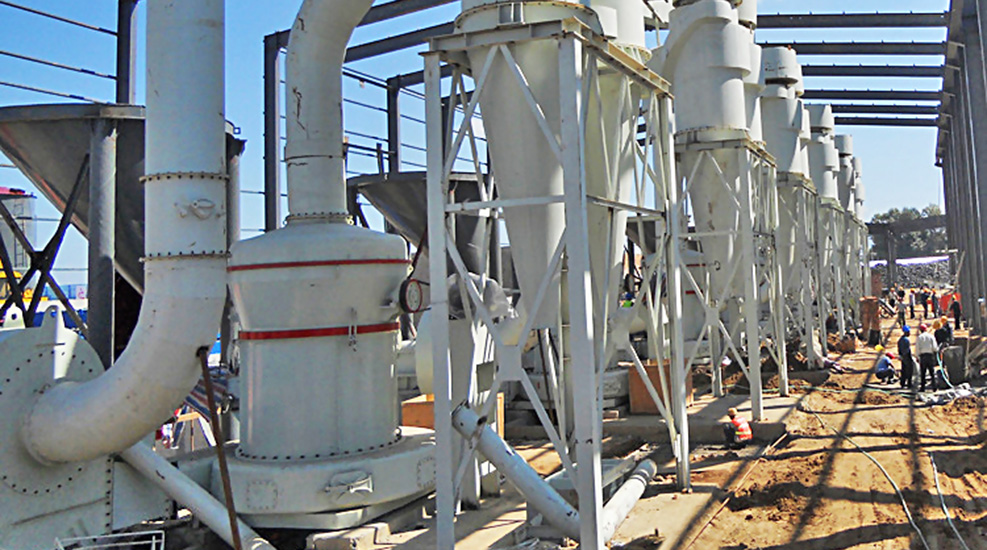
Based on process analysis and past project experiences in Algeria and surrounding regions, two models are particularly suitable for dolomite grinding in ceramic production lines with a 10–20 TPH capacity:
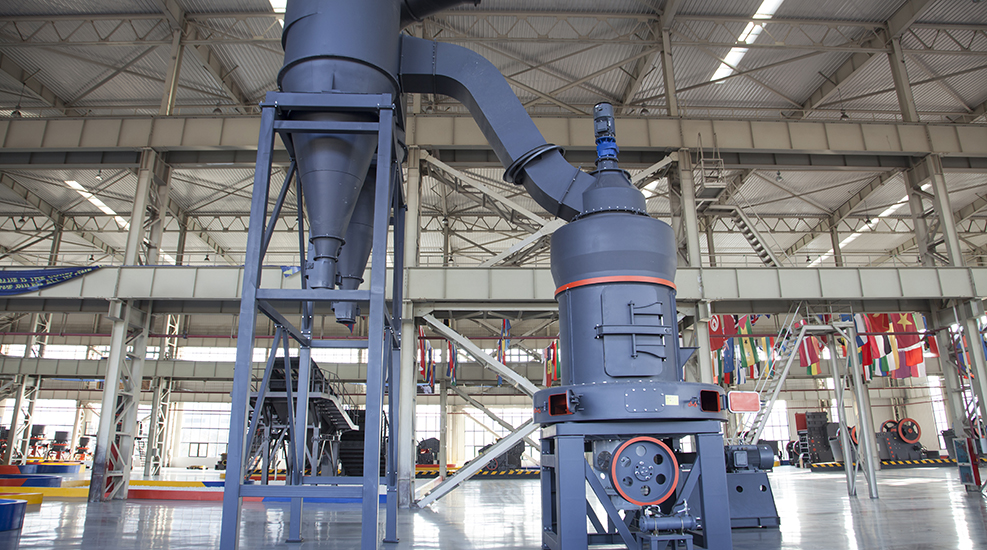
The MTW Trapezium Mill combines a compact structure with high productivity and refined control over output size. It’s designed with European technology and provides flexibility for handling dolomite, limestone, kaolin, and other minerals used in ceramic raw material preparation. The air-driven classifier ensures precise control of particle size, minimizing excessive fineness loss and maximizing energy savings.
Key advantages:
| Model | Max. Feed Size (mm) | Final Size (mm) | Capacity (t/h) | Main Motor (kW) |
|---|---|---|---|---|
| MTW138Z | <35 | 1.6–0.045 | 6–17 | 90 |
| MTW175G | <40 | 1.6–0.045 | 9.5–25 | 160 |
For a production range of 10–20 TPH, the MTW138Z is the recommended model. It offers stable output, precise control of fineness, and durability suitable for Algerian plant conditions.
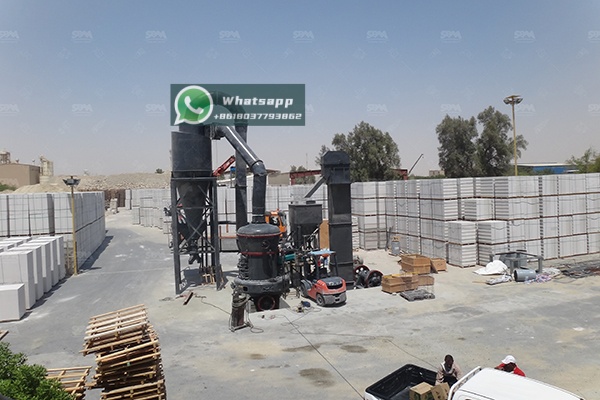
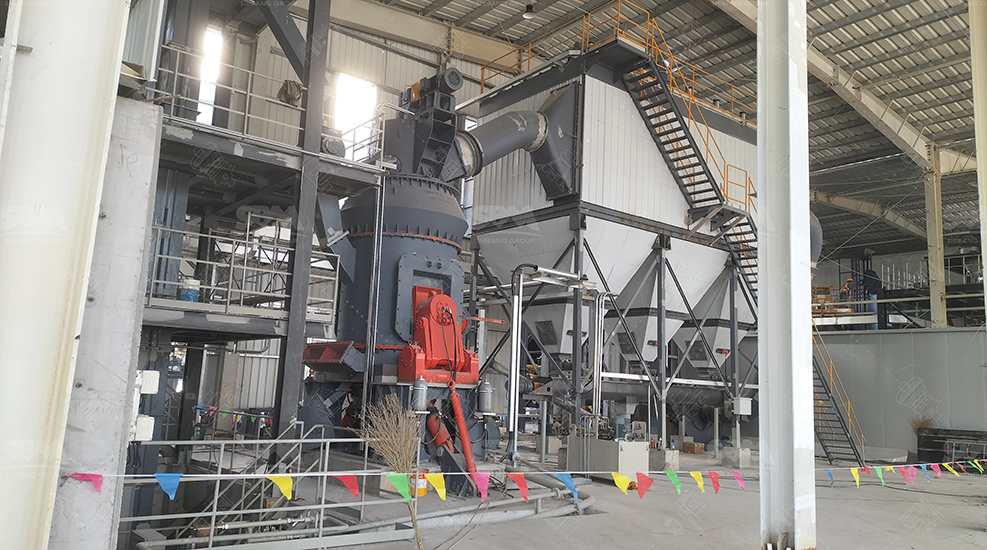
The LM Vertical Grinding Mill is designed for comprehensive functions—grinding, drying, and classifying—within one machine. Its vertical design saves over 50% of floor space compared to traditional installations. For dolomite processing in Algeria, where raw material moisture may vary, the integrated hot air supply ensures consistent drying and grinding without additional equipment.
Key features include:
| Model | Plate Diameter (mm) | Capacity (t/h) | Output Fineness (μm) | Main Motor (kW) |
|---|---|---|---|---|
| LM130K | 1300 | 10–28 | 170–40 | 200 |
| LM190K | 1900 | 23–68 | 170–40 | 500 |
For a ceramic manufacturing process targeting a consistent 10–20 TPH capacity, the LM130K model offers an optimized balance of productivity, energy consumption, and output quality. It is capable of producing fine dolomite powders ideal for glazes, tiles, and porcelain.
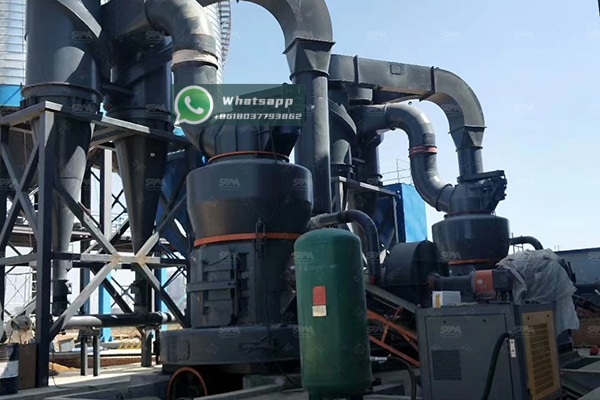
An efficient 10–20 TPH dolomite grinding system typically consists of the following components:
Shanghai Zenith engineers design flexible layouts adapted to the plant site, with an emphasis on energy recovery, reduced downtime, and intelligent automation.
By adopting Zenith’s advanced grinding solutions, ceramic producers in Algeria can expect:
As Algeria’s ceramic industry continues its modernization, adopting efficient and reliable dolomite grinding technology will be essential for competitiveness. Shanghai Zenith Machinery Co., Ltd. offers tailored solutions such as the MTW Trapezium Grinding Mill and the LM Vertical Grinding Mill, both ideal for achieving the desired 10–20 TPH output with optimal energy efficiency and product quality. With an experienced engineering team and proven global installations, Zenith remains a trusted partner for mineral processing and powder production industries worldwide.
For further consultation, technical support, and customized plant design for dolomite grinding in Algeria, please contact Shanghai Zenith Machinery Co., Ltd.—a leader in innovative grinding technologies for ceramic materials and beyond.