Indonesia is one of the largest coal producers and consumers in Southeast Asia. Coal-fired power plants, captive power plants, and industrial boilers are widely used across Java, Sumatra, Kalimantan, Sulawesi, and other islands. As environmental regulations become stricter, flue gas desulfurization (FGD) has become a critical part of power and industrial projects. Dolomite is an attractive sorbent because it contains both calcium and magnesium, and it is available from many local deposits in Indonesia. For small and medium FGD systems, a dolomite grinding plant with a capacity of 1-3 tonnes per hour (TPH) is a practical size. The key challenge is to produce the right particle size distribution with stable output, low energy consumption, and reliable operation in a tropical environment. Shanghai Zenith Machinery Co., Ltd., an excellent manufacturer of ore grinding equipment in China, offers proven mills for this application. This article discusses dolomite desulfurization, project requirements in Indonesia, and recommended grinding equipment from Zenith.
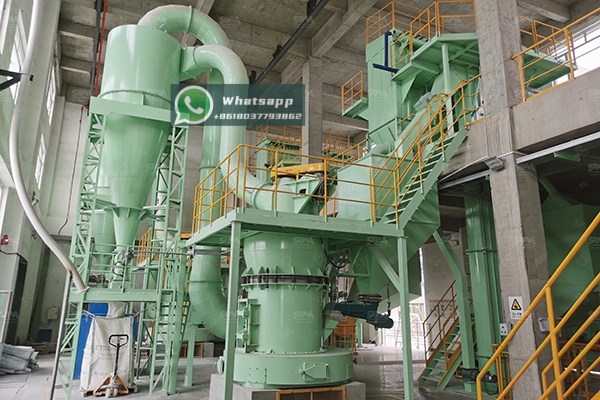
Dolomite is a carbonate mineral composed mainly of calcium magnesium carbonate, CaMg(CO3)2. In combustion systems, especially circulating fluidized bed (CFB) boilers and dry or semi-dry FGD processes, dolomite is injected as a sorbent. When heated, dolomite calcines to calcium oxide (CaO) and magnesium oxide (MgO). These active oxides react with sulfur dioxide (SO2) and sulfur trioxide (SO3) to form calcium sulfate, magnesium sulfate, and related compounds. This reaction reduces acidic gas emissions and helps meet environmental limits. Compared with pure limestone, dolomite can offer additional magnesium reactivity, better kinetics in some systems, and potentially lower operating cost when local dolomite is available. Indonesia has abundant dolomite resources in several regions, making local supply feasible. However, the performance of dolomite in desulfurization depends strongly on particle fineness, particle size distribution, surface area, moisture, and chemical purity. If the powder is too coarse, the reaction rate drops and sorbent utilization falls. If the powder is too fine, grinding energy, dust, and material handling costs increase. For typical dry FGD and CFB applications, a product fineness between 200 mesh and 325 mesh, or approximately 75 microns to 45 microns, is often targeted. Some advanced systems may require D97 below 45 microns. Therefore, selecting the right grinding mill is essential for a 1-3 TPH dolomite desulfurization project.
A 1-3 TPH dolomite grinding plant may appear small, but it still requires careful engineering. The main requirements include stable capacity, controllable final fineness, low power consumption, easy maintenance, compact layout, and effective dust collection. Indonesian dolomite feed can vary in hardness, silica content, and moisture. In tropical coastal or inland areas, high humidity may cause material sticking, clogging, and reduced efficiency. If the raw dolomite contains more than 6-8 percent moisture, drying may be needed. If the feed size is larger than the mill inlet, a small jaw crusher or hammer crusher should be used before grinding. The grinding circuit usually includes a hopper, feeder, crusher, elevator, grinding mill, classifier, cyclone, pulse bag filter, fan, and discharge system. For a 1-3 TPH plant, the equipment should be robust yet economical. It should also be easy to operate with local labor and simple to maintain with locally available spare parts. Power supply in Indonesia can be 380 V or 400 V at 50 Hz, and motors and electrical components must be selected accordingly. Environmental compliance is another priority: the grinding area should be enclosed, and the dust collector should keep emissions within local standards. Finally, because many Indonesian sites are remote, the mill should be designed for container transport and quick installation.
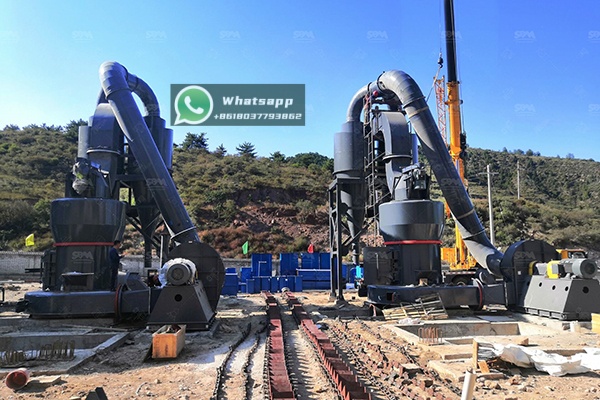
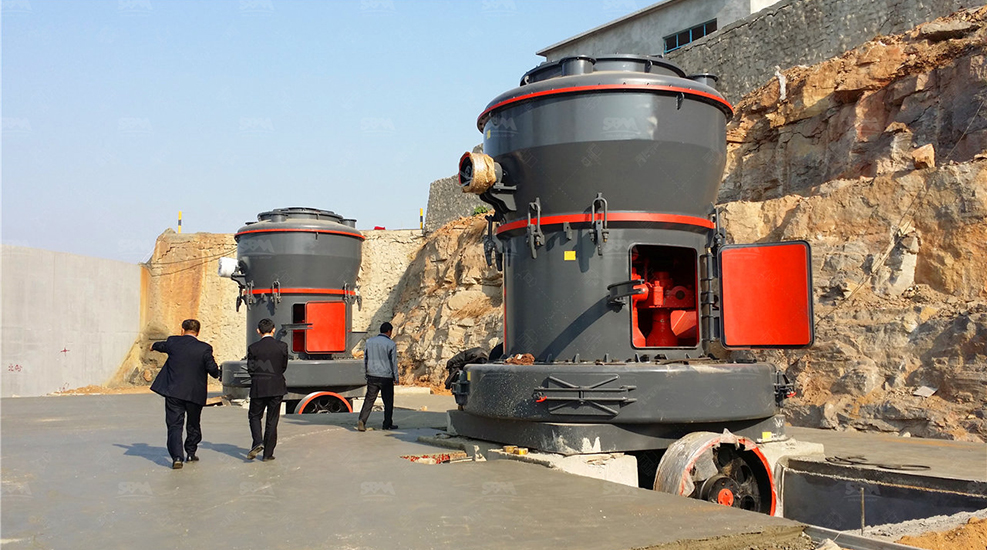
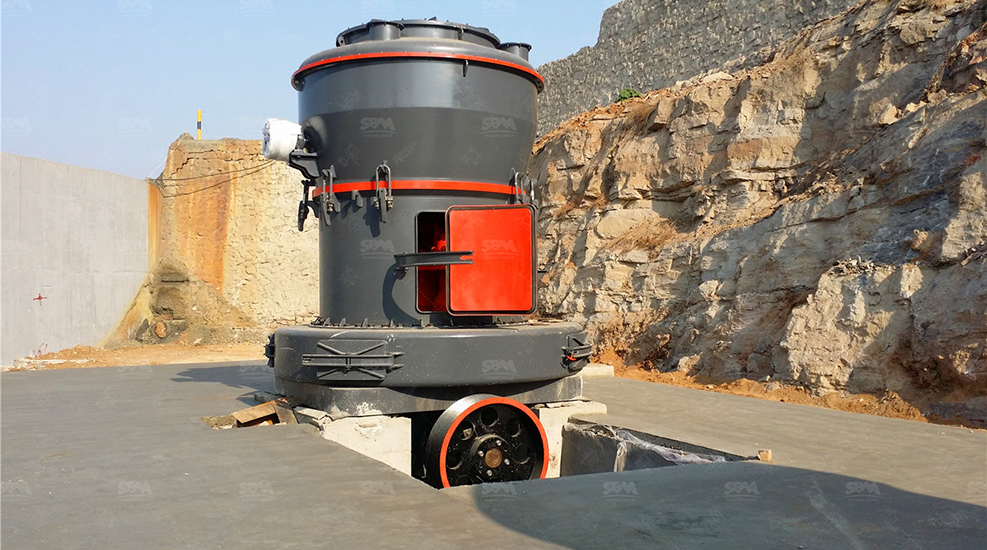
For a 1-3 TPH dolomite desulfurization project, Shanghai Zenith recommends two practical options: the YGM8314 Raymond Mill and the XZM221 Ultrafine Grinding Mill. The YGM8314 is the primary recommendation for standard 200-325 mesh dolomite powder. Its capacity range is 1.2-4.6 TPH, which matches the target output very well. It uses a proven Raymond mill structure with high grinding efficiency, lower energy consumption, and good economic return. It is suitable for continuous production and can be adjusted to produce the fineness required by CFB or dry FGD systems. The XZM221 is recommended when the project requires finer powder, such as 325 mesh to 2500 mesh, or when a higher proportion of ultrafine particles is needed to improve desulfurization reactivity. Its output range is 500-4500 kg per hour, which also covers 1-3 TPH. It is widely used for superfine powder production of soft and medium-hard materials with moisture below 6 percent. If the project may expand beyond 3 TPH in the future, Zenith can also supply the MTW110 Trapezium Grinding Mill, which offers 3-9 TPH and a final size down to 0.045 mm. The tables below list the technical parameters of the recommended products.
| Model | Roller Quantity (pcs) | Max. Feed Size (mm) | Discharging Size | Capacity (t/h) |
|---|---|---|---|---|
| YGM8314 | 3 | 20 | 1.6-0.045 mm | 1.2-4.6 |
| YGM9517 | 4 | 25 | 1.6-0.045 mm | 2.1-8 |
| YGM4121 | 5 | 30 | 1.6-0.045 mm | 5-11 |
The YGM8314 is especially suitable for 1-3 TPH because it can operate comfortably within its capacity range. It can produce a final product down to 0.045 mm, which corresponds to about 325 mesh. This makes it suitable for many desulfurization systems. The mill is known for energy saving and environmental protection, and it offers high grinding efficiency with lower energy consumption. With proper adjustment of the classifier, the operator can balance fineness and output according to the FGD requirements.
| Model | Working diameter (mm) | Max feed size (mm) | Final size (mesh) | Output (kg/h) | Main motor power (kW) |
|---|---|---|---|---|---|
| XZM221 | Φ800 | ≤20 | 325-2500 | 500-4500 | 75 |
| XZM268 | Φ1680 | ≤20 | 325-2500 | 5000-25000 | 315 |
The XZM221 covers the 1-3 TPH range and can deliver very fine dolomite powder. It is a good choice when the desulfurization process demands a high surface area or when the same plant also produces ultrafine dolomite for other applications. However, for standard dry FGD and CFB dolomite injection, the YGM8314 is often more economical and easier to maintain. The final choice should be based on the required particle size distribution, the chemical composition of the dolomite, the moisture content, the available power, and the budget.
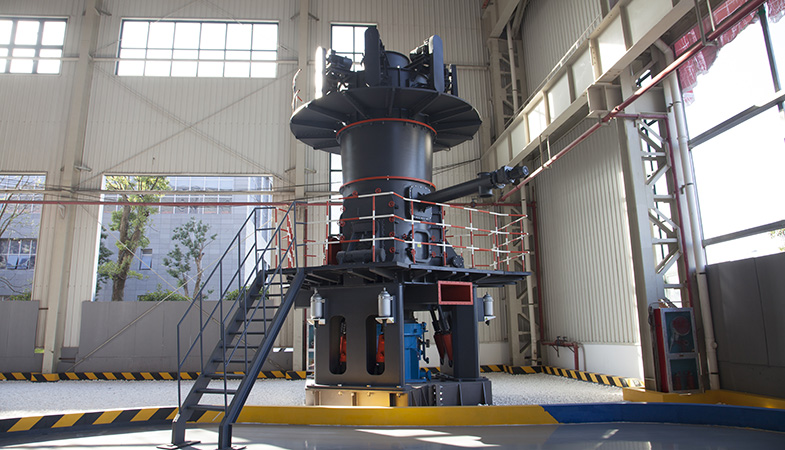
When selecting a mill for 1-3 TPH dolomite desulfurization, capacity is only one factor. The target fineness is equally important. If the specification is 200 mesh or 250 mesh, the YGM8314 Raymond Mill can meet the requirement with lower investment and simpler operation. If the specification is 325 mesh or finer, both YGM8314 and XZM221 can be considered, but XZM221 is more specialized for ultrafine products. Energy consumption should also be compared. Ultrafine grinding generally consumes more power per tonne, while Raymond milling is more efficient for medium-fine powders. Maintenance should be considered as well. Raymond mills have a long history in mineral processing and are familiar to many operators. XZM ultrafine mills use advanced classification and can produce very fine powders, but they may require more careful operation and maintenance. In Indonesia, local support and spare parts availability are important. Shanghai Zenith can provide complete technical support, including process design, equipment selection, layout drawings, installation guidance, and operator training. For projects that may grow in the future, the MTW110 Trapezium Grinding Mill is a good upgrade option because it can produce 3-9 TPH with a final size of 1.6-0.045 mm. Its main motor is 55 kW and fan motor is 55 kW, making it a compact and efficient solution for larger capacity.
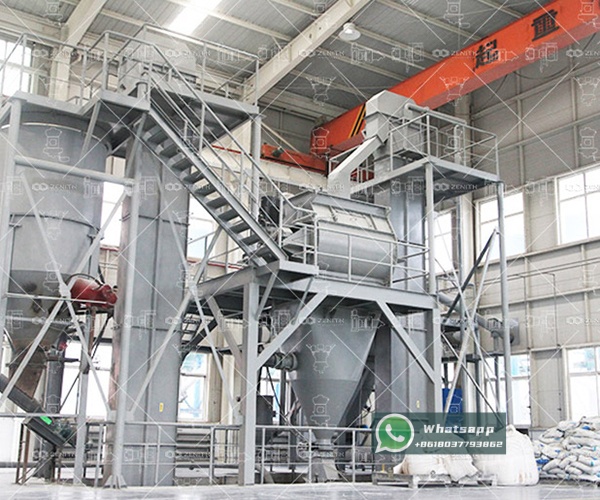
A typical 1-3 TPH dolomite grinding line from Zenith can be configured as follows. Raw dolomite is fed by a loader or hopper into a small jaw crusher or hammer crusher to reduce the material to below 20-30 mm. The crushed material is lifted by a bucket elevator to a storage hopper and then fed evenly into the grinding mill by a vibrating feeder or belt feeder. Inside the mill, the material is ground between rollers and a ring. An air blower transports the ground powder to a classifier. The classifier separates coarse particles and returns them for regrinding, while fine powder enters a cyclone collector and then a pulse bag filter. The finished dolomite powder is discharged through an airlock and sent to a screw conveyor or storage silo. The whole system should be enclosed, and the bag filter should be sized to handle the airflow and dust load. A control panel can monitor the main motor, fan, feeder, and classifier. For Indonesian sites with high humidity, a hot air generator or drying system may be added if the raw dolomite moisture is too high. The layout should allow easy access for maintenance and replacement of wear parts. The foundation should be designed according to local seismic conditions and soil properties.
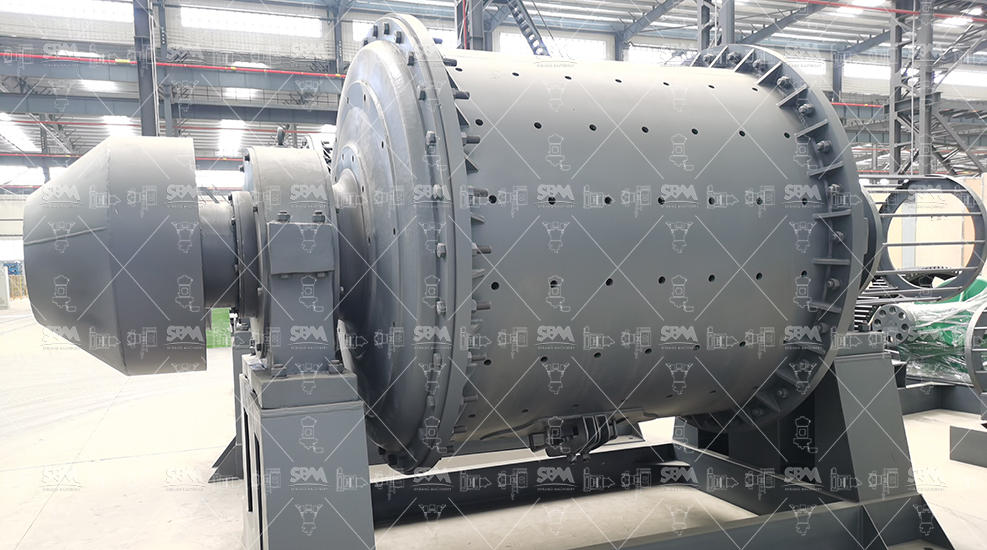
Shanghai Zenith Machinery Co., Ltd. is an excellent manufacturer of ore grinding equipment in China and has made great achievements in the field of ultra-fine powder grinding. The company specializes in research, development, and production of industrial powder grinding equipment and related devices. Its main products include the MTW Trapezium Grinding Mill, Ball Mill, MTM Medium-Speed Grinding Mill, Raymond Mill, LM Vertical Grinding Mill, LUM Ultrafine Vertical Mill, XZM Ultrafine Grinding Mill, and Hammer Mill. For dolomite desulfurization in Indonesia, Zenith can provide not only the grinding mill but also complete process solutions. The company can help customers test material, select the correct model, design the flow sheet, and support installation and commissioning. With a focus on energy saving, environmental protection, and reliable performance, Zenith equipment is suitable for small and medium powder plants as well as larger industrial projects. Customers can visit Zenith factories and see running equipment before making a final decision.
Dolomite grinding is a key step in flue gas desulfurization. For a 1-3 TPH project in Indonesia, the YGM8314 Raymond Mill is an excellent primary choice because its capacity, fineness range, and operating cost match the application. If finer powder is required, the XZM221 Ultrafine Grinding Mill provides a reliable alternative. For future expansion, the MTW110 Trapezium Grinding Mill can increase capacity to 3-9 TPH. By choosing the right mill, designing a proper dust collection system, and working with an experienced manufacturer such as Shanghai Zenith Machinery Co., Ltd., Indonesian plant operators can achieve stable dolomite powder production, efficient desulfurization, and long-term profitability.