Ethiopia’s burgeoning industrial sector, particularly in metallurgy and construction, has created a significant demand for high-quality mineral fluxes. Dolomite, a calcium magnesium carbonate mineral (CaMg(CO3)2), plays a pivotal role as a fluxing agent in steelmaking and ferroalloy production. Its primary function is to remove impurities, control slag viscosity, and protect refractory linings. For optimal performance in these processes, dolomite must be ground to a specific fineness, typically around 80 mesh (approximately 180 microns). Achieving this precise particle size consistently and efficiently requires advanced grinding technology tailored to the material’s properties and local operational conditions.
Dolomite presents a moderate hardness (3.5-4 on the Mohs scale) and can be abrasive. The goal of producing an 80-mesh product involves a careful balance: the powder must be fine enough to react quickly in the furnace but not so fine that it causes excessive dust loss or poses handling problems. Traditional grinding methods often struggle with energy inefficiency, inconsistent particle size distribution, and high maintenance costs, especially when dealing with the variable quality of raw dolomite sourced from different Ethiopian quarries.
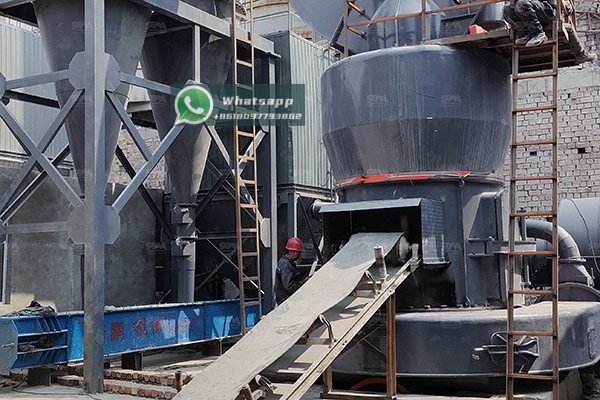
For metallurgical flux production, the grinding system must be robust, reliable, and capable of delivering a controlled top-size with minimal oversize particles. Key selection criteria include:
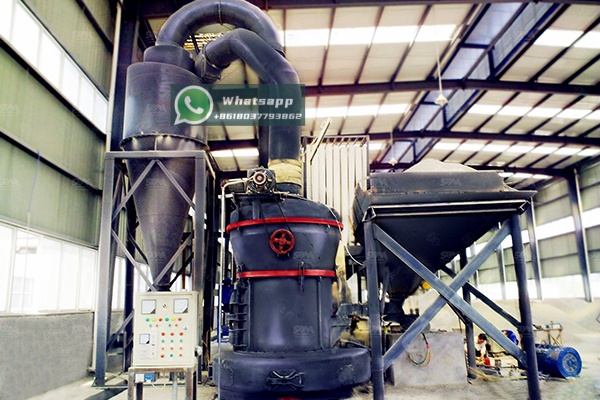
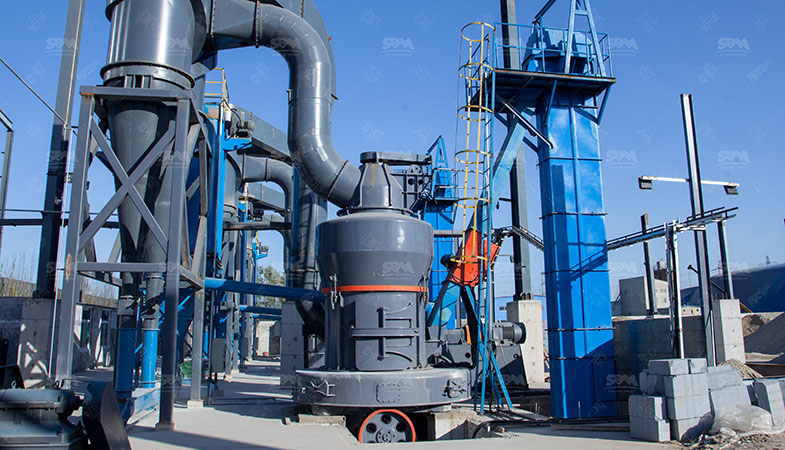
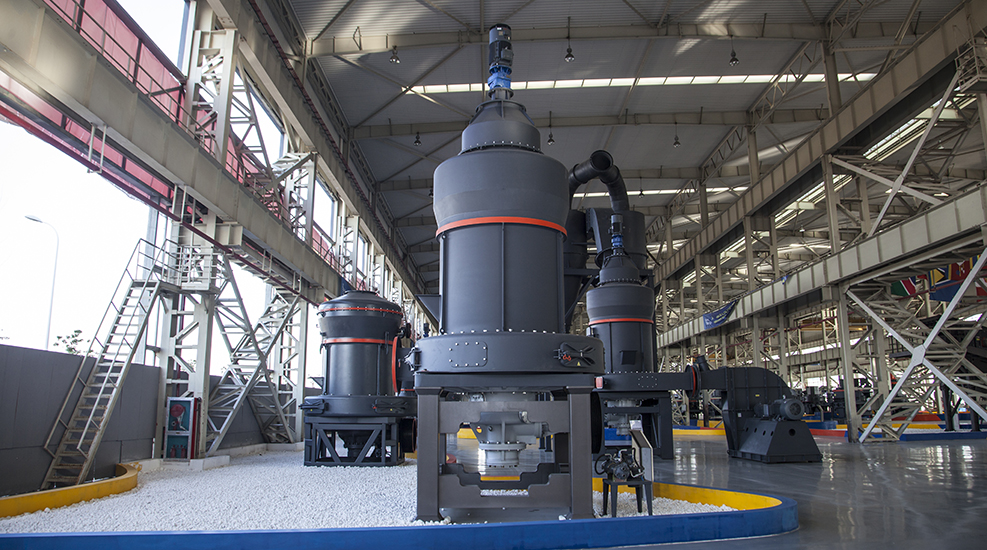
For the specific application of grinding dolomite to 80 mesh for metallurgical flux in Ethiopia, Shanghai Zenith Machinery Co., Ltd. recommends its advanced MTW Trapezium Grinding Mill. This mill is an excellent choice due to its multiple patented technologies, which offer superior grinding efficiency, precise classification, and eco-friendly operation. Its curved air duct design reduces flow resistance, while the internal efficient powder separator ensures a sharp cut and consistent product fineness—exactly what is needed for a stable 80-mesh output.
The technical parameters of the MTW series, particularly suitable for medium to large-scale flux production plants, are as follows:
| Model | Max. Feed Size (mm) | Final Size (mm) | Capacity (t/h) | Main Motor (kW) |
|---|---|---|---|---|
| MTW138Z | <35 | 1.6-0.045 | 6-17 | 90 |
| MTW175G | <40 | 1.6-0.045 | 9.5-25 | 160 |
| MTW215G | <50 | 1.6-0.045 | 15-45 | 280 |
Note: The final size range of 1.6-0.045mm comfortably encompasses the 80 mesh (0.18mm) target. The capacity range allows for flexible plant design.
For projects that may require producing a portion of ultra-fine dolomite powder for specialized applications alongside the standard flux, Zenith’s XZM Ultrafine Grinding Mill is a perfect complementary solution. It can achieve fineness from 325 to 2500 mesh, demonstrating Zenith’s expertise in ultra-fine powder technology.
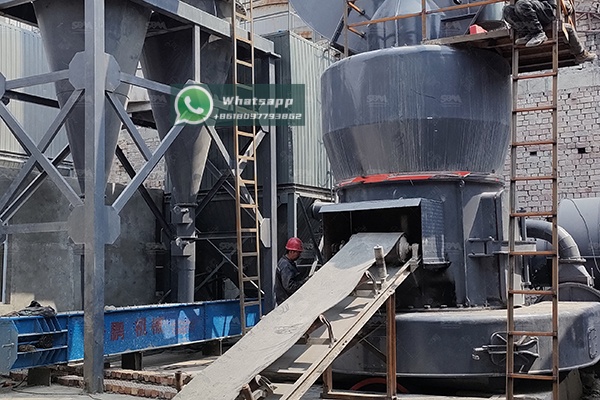
Implementing Zenith’s MTW Mill for dolomite grinding offers tangible benefits:
The production of high-quality dolomite flux is a key support activity for Ethiopia’s growing steel and metal industry. Selecting the correct grinding technology is not merely an equipment purchase but a strategic investment in process reliability and product quality. Shanghai Zenith Machinery Co., Ltd., with its extensive experience and proven product line—exemplified by the efficient MTW Trapezium Grinding Mill—is positioned to be a valuable partner in this endeavor. By providing technology that delivers precise 80-mesh dolomite powder efficiently and reliably, Zenith contributes to strengthening the foundation of Ethiopia’s industrial metallurgy sector.