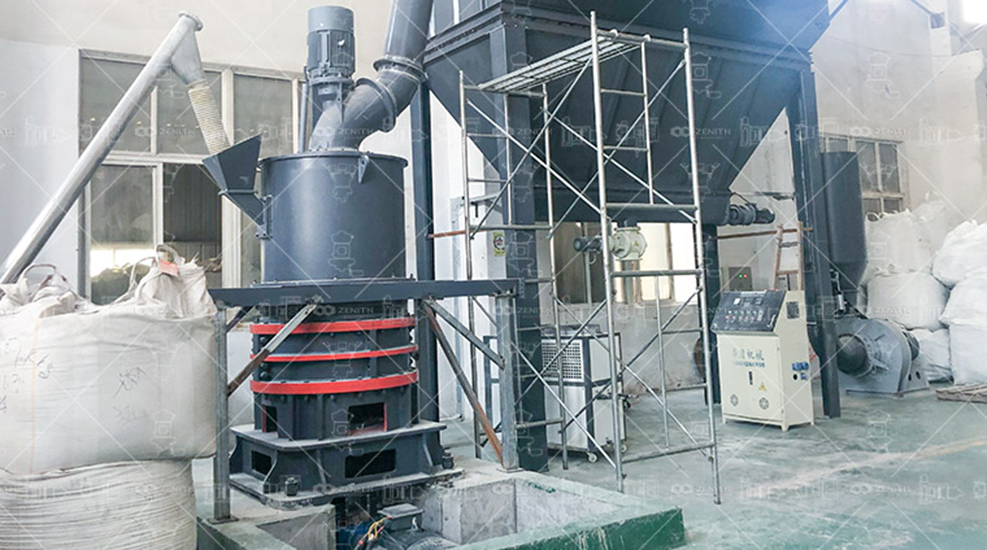
The United States water treatment industry faces ever-increasing challenges, from removing heavy metals and neutralizing acidic mine drainage to adjusting pH levels in municipal and industrial wastewater. In this critical landscape, the selection of effective, efficient, and reliable treatment agents is paramount. Dolomite, a calcium magnesium carbonate mineral (CaMg(CO3)2), has emerged as a highly valued material for its dual-neutralization capacity and adsorption properties. However, its efficacy is intrinsically linked to its particle size. Achieving an ultra-fine powder, specifically at the 1000 mesh (approximately 13 microns) fineness level, dramatically increases its surface area, reactivity, and dissolution rate, making it a superior agent for advanced water purification processes.
Traditional crushed dolomite has limitations in reaction speed and completeness. When ground to 1000 mesh, dolomite undergoes a transformative enhancement in its functional characteristics:
Producing a consistent, high-volume output of 1000 mesh dolomite powder is a significant technological endeavor. It requires grinding equipment capable of delivering immense mechanical energy with precise classification control. Key challenges include:
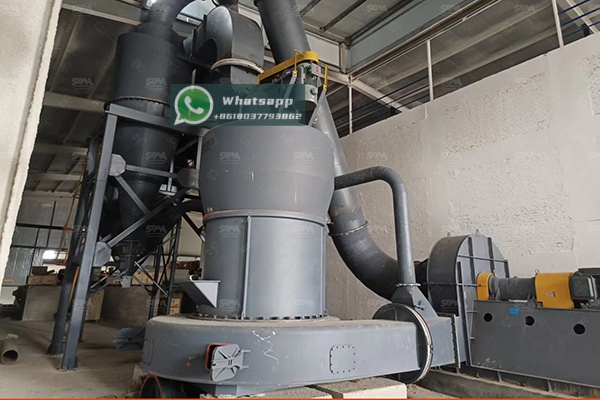
Not all grinding mills are engineered to meet the rigorous demands of producing 1000 mesh mineral powder efficiently. For dolomite processing in the U.S. water treatment sector, the technology must balance output, fineness, energy efficiency, and operational stability.
While traditional Raymond Mills or Ball Mills can handle coarse to medium-fine grinding, they often fall short in the ultra-fine range (<25 microns) regarding energy efficiency and precise top-size cut. Advanced vertical roller mills and specialized ultra-fine grinding mills represent the state-of-the-art solution.
Shanghai Zenith Machinery Co., Ltd., an excellent manufacturer of ore grinding equipment, has made significant achievements in the field of ultra-fine powder grinding. Specializing in the research, development, and production of industrial powder grinding equipment, Zenith offers robust solutions tailored for high-finesse applications like water treatment dolomite.
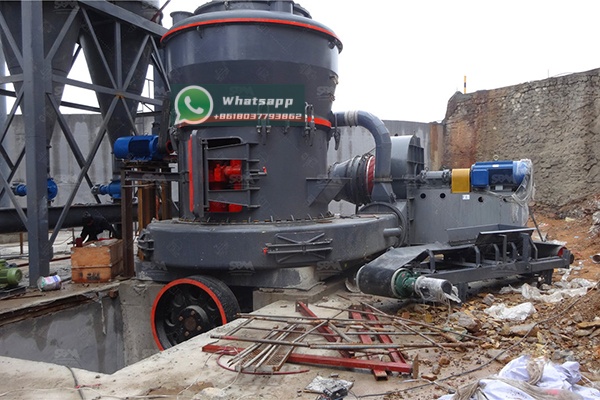
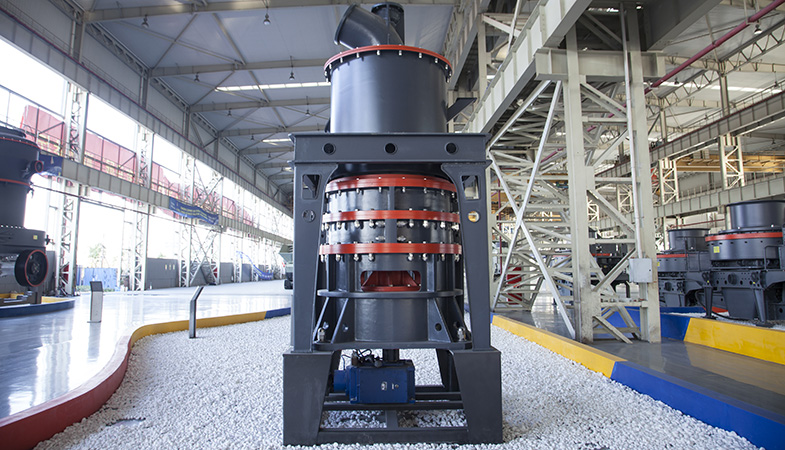
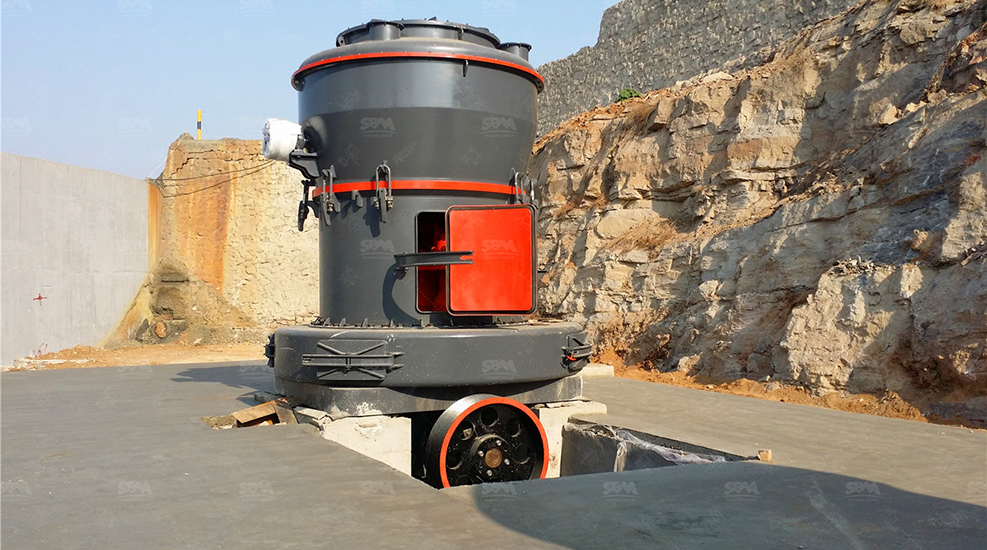
For producing 1000 mesh (D97 ≤ 13μm) dolomite powder, Zenith’s LUM Ultrafine Vertical Mill is an exemplary choice. This mill integrates grinding, drying, classifying, and conveying into a single, compact unit. Its design focuses on producing a high content of end-fines with a narrow particle size distribution, which is critical for consistent water treatment performance.
Key Advantages for Dolomite Grinding:
| Model | Main Machine Power (kW) | Capacity (t/h)* | Size Distribution D97 (μm) |
|---|---|---|---|
| LUM1525 | 220-250 | 1.6-11.5 | 5-30 |
| LUM1632 | 280-315 | 2.0-13.5 | 5-30 |
| LUM1836 | 355-400 | 2.3-15 | 5-30 |
*Note: Actual capacity for producing 1000 mesh dolomite will depend on material hardness, moisture, and system configuration.
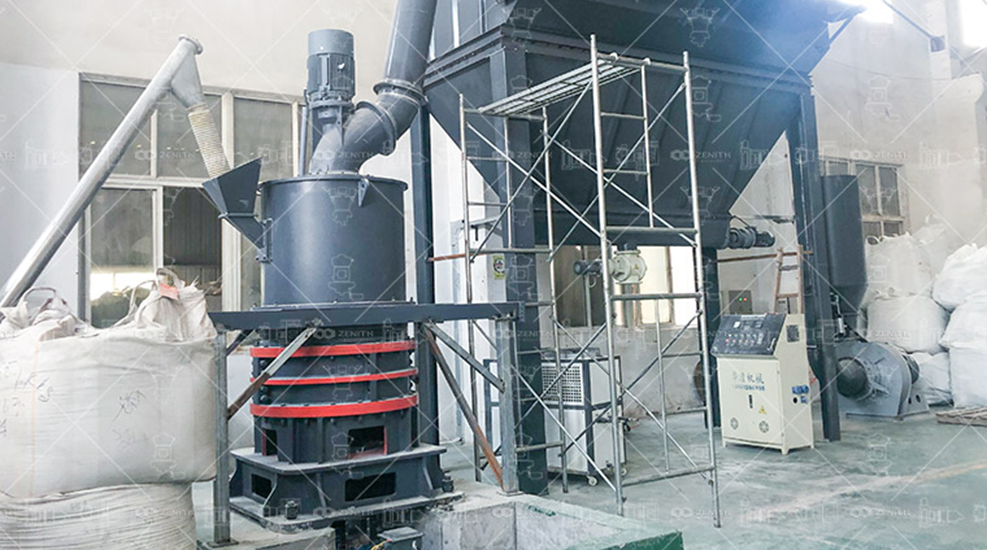
For projects with specific layout or capacity requirements, Zenith’s XZM Ultrafine Grinding Mill is another proven technology. It is widely used for superfine powder production and is particularly suitable for grinding materials with moisture content below 6%. Its strength lies in its ability to reliably achieve a fineness range from 325 to 2500 mesh.
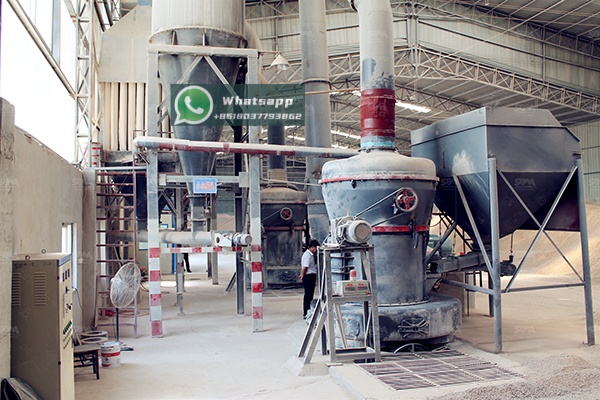
Implementing a Zenith grinding system for dolomite in the U.S. involves a streamlined workflow:
The use of domestically sourced dolomite, processed locally with efficient Zenith equipment, aligns with the trends of sustainability and supply chain resilience in the U.S. industrial sector.
The demand for high-purity, ultra-fine dolomite powder in the U.S. water treatment industry is set to grow. Meeting this demand requires partnering with a technology provider that possesses deep expertise in ultra-fine grinding. Shanghai Zenith Machinery Co., Ltd., with its advanced portfolio including the LUM Ultrafine Vertical Mill and XZM Ultrafine Grinding Mill, offers reliable, efficient, and turnkey solutions. By enabling the production of 1000 mesh dolomite, Zenith’s technology empowers water treatment facilities to achieve higher treatment standards, operational cost savings, and compliance with stringent environmental regulations, ultimately contributing to cleaner water resources across the United States.