Feldspar is a group of rock-forming tectosilicate minerals that includes orthoclase, albite and anorthite. It is valued in the plastics industry for its hardness, chemical resistance and low oil absorption. When ground into a fine powder, feldspar can be added to polymer matrices to reduce manufacturing cost, improve dimensional stability, increase surface hardness and enhance electrical insulation. In Syria, where reconstruction and local manufacturing are priorities, the availability of an efficient feldspar grinding mill for plastic filler production represents a real opportunity for mineral processors and plastic compounders.
The target fineness for many plastic filler applications in the Syrian market is 80 mesh, which corresponds to a particle diameter of approximately 180 microns. Although 80 mesh is not an ultra-fine grade, it is the standard specification for fillers used in cable compounds, PVC profiles, plastic crates, artificial marble and certain resin casting systems. The key is not only to reach this particle size, but to do so with a narrow particle size distribution, low oversize content and consistent production capacity. This is exactly the task for which Shanghai Zenith Machinery Co., Ltd. supplies robust and energy-efficient grinding mills.
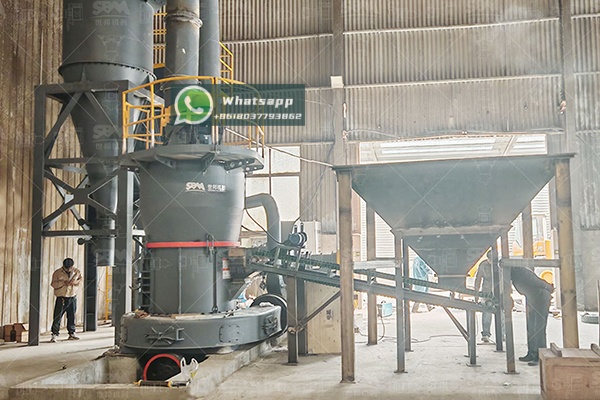
Feldspar has a Mohs hardness of 6 to 6.5, which is higher than limestone, dolomite and many common fillers. It also contains minerals that can be abrasive to grinding components. Therefore, the grinding mill must use wear-resistant materials, a stable grinding mechanism and a reliable classifier. If the mill produces too many oversize particles, the filler will cause surface defects in plastic products and may damage downstream extruder screens. If the mill creates too much minus-200-mesh material, the product may require additional classification or may not meet the buyer’s particle size specification. A dedicated grinding mill with an adjustable classifier speed is the best answer.
In Syria, power shortages and high energy costs make efficiency another critical factor. An oversized ball mill can consume unnecessary electricity, while an undersized Raymond mill will reduce throughput and increase maintenance. Shanghai Zenith offers a range of solutions that allow operators to choose the machine that precisely matches their required capacity, from small pilot plants to industrial lines processing many tons per hour.
Shanghai Zenith Machinery Co., Ltd. is an excellent manufacturer of ore grinding equipment in China. The company specializes in the research, development and production of industrial powder grinding equipment, including MTW Trapezium Grinding Mill, Raymond Mill, Ball Mill, LM Vertical Grinding Mill and LUM Ultrafine Vertical Mill. For the specific application of feldspar grinding for plastic filler in Syria at 80 mesh, two machines are especially suitable: the MTW Trapezium Grinding Mill and the YGM Raymond Mill.
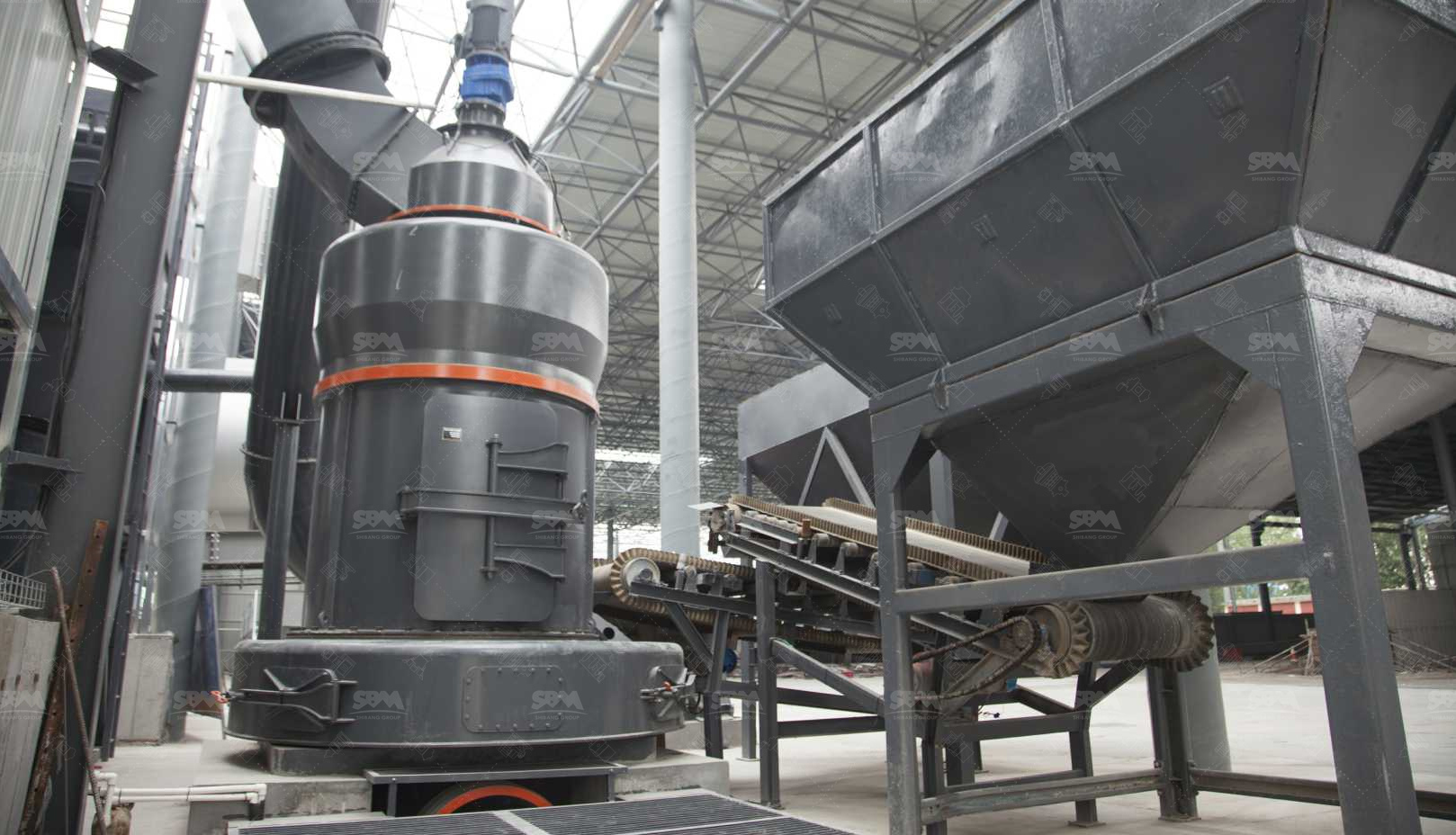
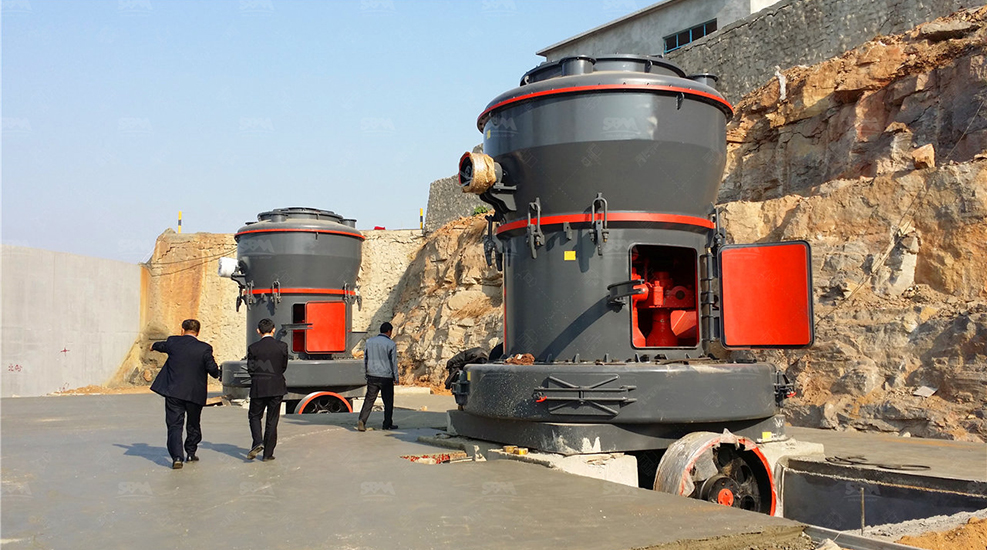
The MTW Trapezium Grinding Mill is a multi-patented grinding machine with a compact structure, long service life and eco-friendly design. It is suitable for processing materials with a maximum feed size of up to 50 mm and can produce a final powder with a fineness ranging from 1.6 mm down to 0.045 mm. For the Syrian plastic filler project, the MTW110 and MTW138Z models are the most practical choices. They are equipped with an internal air classifier that enables the operator to adjust the output fineness with high precision. This is especially important for 80-mesh filler, because the target particle size is coarse enough to require a careful balance between classifier speed and airflow.
The MTW mill uses a bevel-gear transmission, a curved air duct and a damping device to reduce vibration. The grinding roller and grinding ring are manufactured from high-alloy wear-resistant materials, which is essential when processing abrasive feldspar. The negative-pressure system minimizes dust escape and makes the machine suitable for installation in urban or environmentally sensitive areas. In addition, the machine has a small footprint compared with a ball mill of similar capacity, which is an advantage for existing Syrian plastic factories where space is limited.
Table 1. Technical parameters of MTW Trapezium Grinding Mill for feldspar 80-mesh plastic filler production
| Model | Max. Feed Size (mm) | Final Size (mm) | Capacity (t/h) | Main Motor (kW) | Fan Motor (kW) |
|---|---|---|---|---|---|
| MTW110 | <30 | 1.6-0.045 | 3-9 | 55 | 55 |
| MTW138Z | <35 | 1.6-0.045 | 6-17 | 90 | 110 |
In practice, when the target product is 80 mesh, the MTW mill can operate at a relatively high capacity because the product is coarser than typical 200-mesh filler. The actual throughput will depend on the moisture content of the feldspar feed, the hardness of the ore and the required particle size distribution. For most Syrian feldspar deposits, a feed size below 30 mm and moisture below 6% are recommended for stable operation.
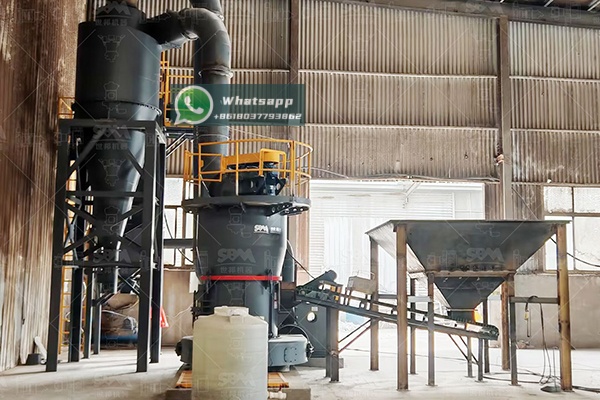
For investors who need a smaller-capacity plant or want to minimize initial capital cost, Shanghai Zenith’s Raymond Mill is a proven alternative. The YGM series is beneficial for energy saving and environmental protection, with high grinding efficiency and low energy consumption. The YGM9517 model is particularly suitable for medium-scale feldspar powder production. It has four grinding rollers, a maximum feed size of 25 mm and a final product size between 1.6 mm and 0.045 mm. At an 80-mesh setting, the YGM9517 can achieve a throughput of several tons per hour while maintaining good uniformity.
The Raymond Mill has a simple structure and is easy to operate. It is less expensive than a vertical mill or an MTW mill, and its spare parts are widely available. For a Syrian plastics company that wants to manufacture its own filler rather than buying imported powder, this machine offers a fast return on investment. However, for very abrasive feldspar, the grinding roller and ring should be periodically inspected and replaced. Zenith can supply original wear parts to keep the mill running.
Table 2. Technical parameters of YGM Raymond Mill for feldspar filler production
| Model | Roller Quantity (pcs) | Max. Feed Size (mm) | Discharging Size (mm) | Capacity (t/h) |
|---|---|---|---|---|
| YGM9517 | 4 | <25 | 1.6-0.045 | 2.1-8 |
| YGM4121 | 5 | <30 | 1.6-0.045 | 5-11 |
When choosing between the MTW and the Raymond mill, the decision is mainly based on capacity, energy cost and budget. The MTW mill has a higher initial investment but lower energy consumption per ton and better classification accuracy. The Raymond mill has a lower cost and simpler operation, but its capacity is generally lower for the same footprint. For an 80-mesh feldspar grinding plant in Syria, either machine can meet the specification if it is selected and configured according to the plant’s production target.
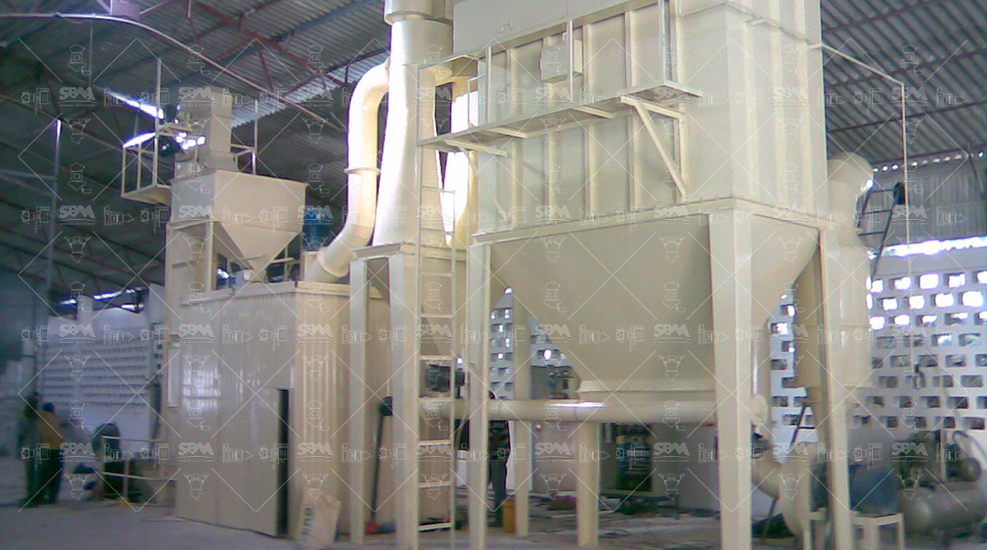
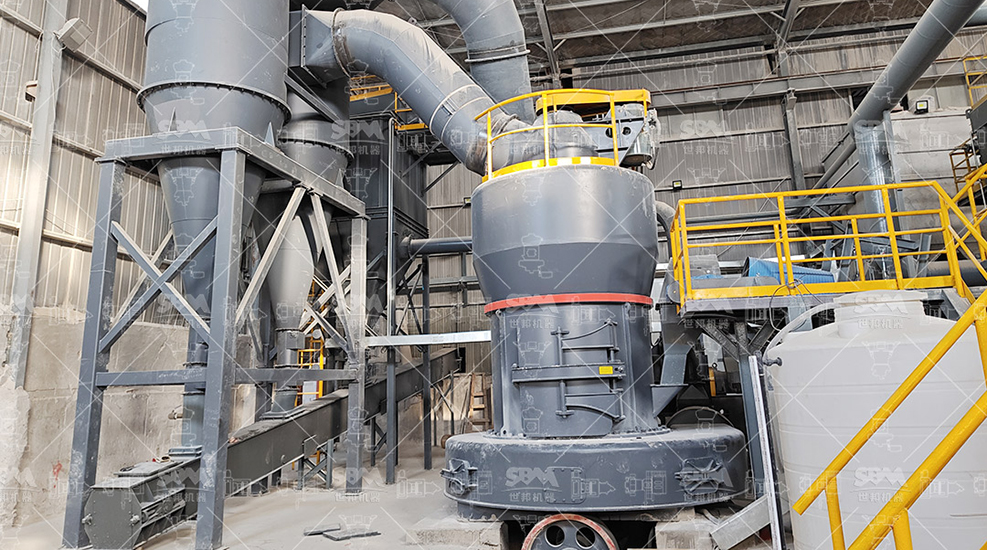
An efficient feldspar grinding plant in Syria should include a primary jaw crusher, a bucket elevator, a storage silo, the main grinding mill, a cyclone collector, a bag filter, an induced draft fan and a control panel. Feldspar rocks are first crushed to a size smaller than the mill’s maximum feed size, usually below 30 mm. A vibrating feeder then transports the material into the grinding chamber at a controlled rate. The mill rotates and grinds the feldspar between the roller and the ring. The air entering the machine carries the ground powder upward to the classifier. The classifier rejects oversize particles and returns them to the grinding zone. The qualified fine powder enters the cyclone and bag filter, where it is collected and sent to the packing system.
For 80-mesh production, the classifier speed is lower than that required for 325-mesh powder. The airflow must also be adjusted so that the coarse particles are not carried out too quickly. Zenith’s control system allows the operator to change these parameters remotely, ensuring stable quality. The whole plant can be installed with a dust collection efficiency above 99%, which is important for the health of workers and for compliance with Syrian environmental regulations.
The quality of feldspar filler for plastics is judged by several parameters. The oversize residue at 80 mesh must be controlled, and the particle size distribution should be consistent from batch to batch. The color should be white or near-white to avoid changing the shade of plastic products. The moisture content should be below 0.5% for most thermoplastics. The powder should not contain foreign particles such as iron scale from the grinding process. A magnetic separator can be installed before the mill and at the outlet to reduce iron contamination. This is especially important for cable and film applications, where metal impurities can cause dielectric failure or film breakage.
Feldspar also offers a unique combination of hardness and chemical inertness. In plastic floor tiles, feldspar powder improves scratch resistance. In PVC window profiles, it improves dimensional stability and reduces shrinkage. In plastic crates and pallets, it increases rigidity without making the product too brittle. These benefits explain why Syrian plastic converters are increasingly interested in local feldspar powder instead of imported calcium carbonate or talc.
Syria’s plastics industry is gradually recovering, and local mineral fillers are becoming more important to reduce import dependency. Feldspar deposits are present in several Syrian regions, and companies in Damascus, Aleppo, Homs and Tartous can benefit from a local grinding facility. Shipping feldspar powder over long distances is costly because the material is heavy and relatively low in unit value. By installing a grinding mill near the quarry or near the plastic-processing cluster, the company can drastically reduce logistics costs.
Before purchasing a mill, the buyer should arrange a representative sample of the local feldspar for testing. Zenith can offer recommendations on process parameters and mill selection after the ore properties are known. The test should include mineral composition, hardness, moisture and the target particle size distribution. This avoids the common mistake of choosing a mill based only on capacity tables without considering grindability.
Power supply in Syria can be variable. Zenith can configure the grinding plant with energy-saving motors, variable frequency drives and a control system that automatically adjusts the feed rate. The MTW mill’s large air volume and efficient classification allow the same product to be produced with less grinding power than many older-technology mills. This is a significant advantage when electricity is expensive or intermittent.
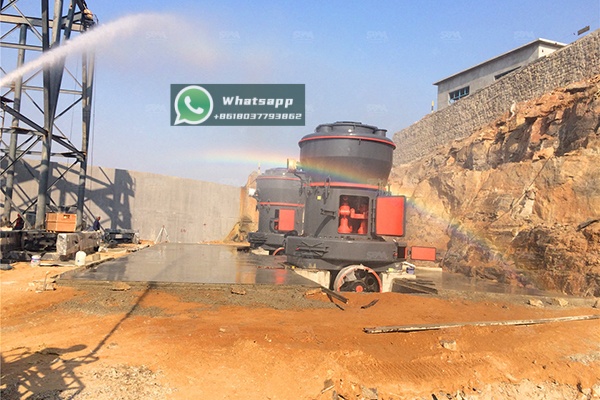
Shanghai Zenith can provide complete assembly drawings, spare parts lists and online commissioning support. For larger projects, Zenith engineers can supervise installation and train local operators. The MTW and Raymond mills are both designed for continuous industrial operation. Daily maintenance includes checking the lubrication system, inspecting the grinding rollers and rings, cleaning the air intake filter and verifying the classifier blade wear. With proper maintenance, the equipment can operate for more than a decade, even when grinding abrasive feldspar.
Zenith also offers complete grinding plant solutions, including primary crushers, feeders, bucket elevators, air blowers, dust collectors and control cabinets. This allows the Syrian investor to work with a single supplier for the entire project. A complete, integrated system is easier to install, operate and maintain than a combination of machines from different manufacturers. It also ensures that the 80-mesh final product meets the exact requirements of the plastic filler market.
Producing 80-mesh feldspar powder for plastic filler in Syria is a technically straightforward application when the right grinding mill is selected. The MTW Trapezium Grinding Mill and the YGM Raymond Mill from Shanghai Zenith Machinery Co., Ltd. are both capable of delivering the required fineness, capacity and consistency. The MTW mill is the preferred choice for larger plants that value energy efficiency, accurate classification and low operating cost. The Raymond mill remains an excellent low-investment option for smaller producers.
Syria has a growing demand for local mineral fillers as the plastics sector rebuilds and expands. Investing in a reliable grinding mill not only improves the quality of plastic products, but also creates jobs, reduces imports and strengthens the national industrial base. By working with an experienced manufacturer such as Shanghai Zenith, Syrian companies can obtain proven equipment, professional engineering support and spare parts availability for years to come. For any new feldspar grinding project targeting 80-mesh plastic filler, the MTW110 or YGM9517 should be at the top of the list for evaluation.