Feldspar is one of the most abundant rock-forming minerals on Earth. It is widely used in ceramics, glass, and as a functional filler in paints, plastics, and rubber. In the rubber industry, finely ground feldspar is becoming an important alternative to conventional fillers because it improves dimensional stability, hardness, and chemical resistance while lowering the cost of compounds. For Canadian rubber processors, producing a consistent 325 mesh feldspar filler requires a grinding mill that combines high efficiency, precise classification, and reliable operation in demanding environments.
Rubber fillers are added to modify mechanical properties, improve processing behavior, or reduce the amount of high-priced polymer. Feldspar is a natural anhydrous aluminosilicate containing potassium, sodium, and calcium. It is chemically stable, hard, and readily wetted by rubber matrixes. When properly milled, feldspar powder can provide excellent abrasion resistance, low coefficient of thermal expansion, and good electrical insulation. These properties are especially appreciated in rubber products such as automotive sealing profiles, electrical insulation compounds, industrial flooring, and footwear soles.
The performance of feldspar filler is strongly influenced by particle size and distribution. In Canadian rubber manufacturing, a common specification is 325 mesh. This means that at least 97% of the powder passes through a standard 325-mesh sieve, which has openings of 44 microns. Some high-end rubber formulations require an even narrower distribution, often from 3 to 30 microns, to maximize reinforcing effects without increasing viscosity excessively. The grinding mill must therefore be equipped with a high-performance classifier to cut off coarse particles and maintain a stable particle size distribution (PSD).
Feldspar has a Mohs hardness of 6 to 6.5 and is brittle. It is not difficult to grind, but it can cause wear to mills if not handled with rigid, wear-resistant components. Additionally, the mineral may contain moisture that has to be fully evaporated before packing. A successful feldspar grinding plant normally includes a jaw crusher for primary size reduction, a bucket elevator, a surge hopper, a grinding mill, a bag filter, and a packing system. The mill’s classifier selects particles that have reached the required fineness, while oversized particles are returned to the grinding chamber for another pass.
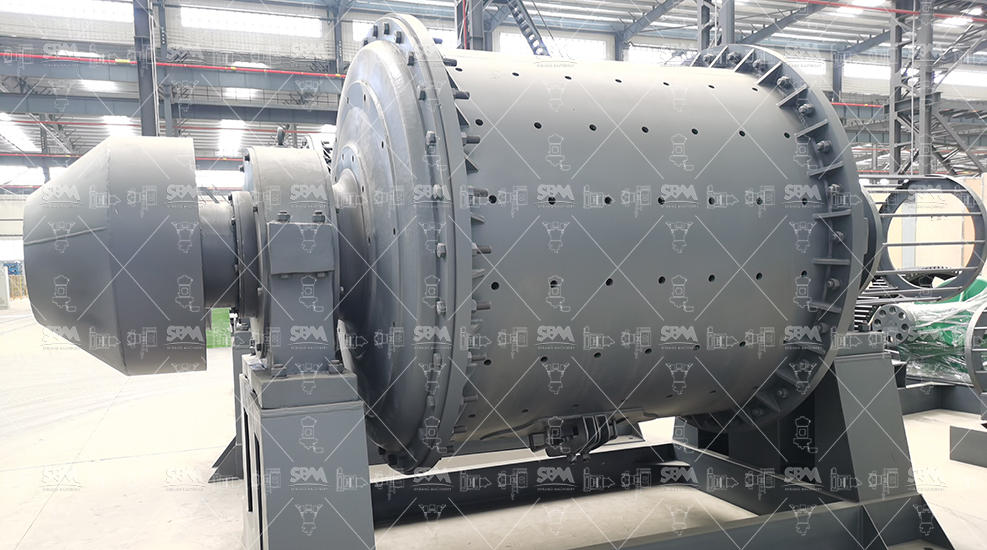
Shanghai Zenith Machinery Co., Ltd. is an excellent manufacturer of ore grinding equipment in China and has made great achievements in the field of ultra-fine powder grinding. The company specializes in the research, development, and production of industrial powder grinding equipment and related devices. Its main products include MTW Trapezium Grinding Mills, Ball Mills, MTM Medium-Speed Grinding Mills, Raymond Mills, LM Vertical Grinding Mills, LUM Ultrafine Vertical Mills, XZM Ultrafine Grinding Mills, and Hammer Mills. For feldspar filler production in Canada, Zenith’s mills offer a balanced combination of throughput, fineness, energy efficiency, and environmental protection.
Depending on the desired capacity and the required degree of fineness, Zenith recommends two categories of grinding mills for feldspar rubber filler applications.
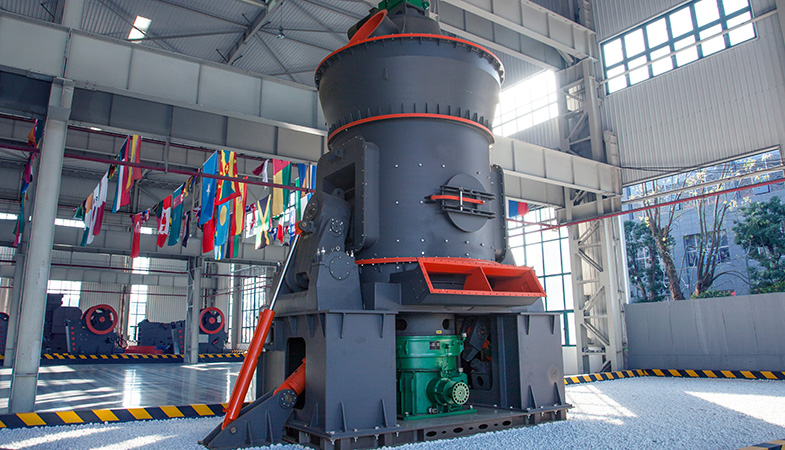
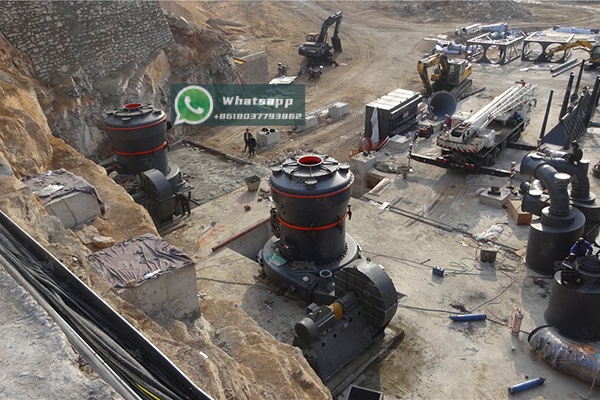
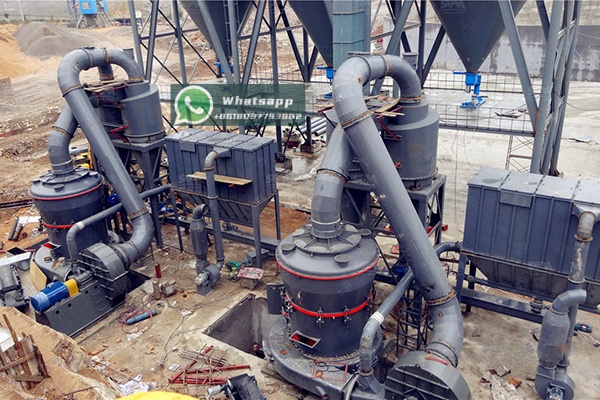
The MTW Trapezium Grinding Mill is a multi-patented device with a compact structure and long service life. It is ideal for processing feldspar with a feed size of up to 50 mm and can produce a final powder from 1.6 mm down to 0.045 mm, which corresponds to approximately 325 mesh. Because of its excellent sealing performance, the MTW mill is clean and eco-friendly, making it suitable for facilities in Canada with strict environmental regulations. The built-in classifier is adjusted through a variable-speed drive, enabling operators to set the exact 325 mesh target with reduced energy consumption.
For a mid-to-large feldspar filler project, the MTW175G offers a broad operating window. It has a main motor of 160 kW and a fan motor of 200 kW, and it can produce up to 25 t/h depending on the fineness and grindability. The mill’s internal grading rotor ensures that oversized particles do not contaminate the product. With a small footprint and easy maintenance access, the MTW series is a reliable workhorse for continuous rubber-filler production.
| Model | Max. Feed Size (mm) | Final Size (mm) | Capacity (t/h) | Main Motor (kW) | Fan Motor (kW) |
|---|---|---|---|---|---|
| MTW110 | <30 | 1.6-0.045 | 3-9 | 55 | 55 |
| MTW138 | <35 | 1.6-0.045 | 6-17 | 90 | 110 |
| MTW175G | <40 | 1.6-0.045 | 9.5-25 | 160 | 200 |
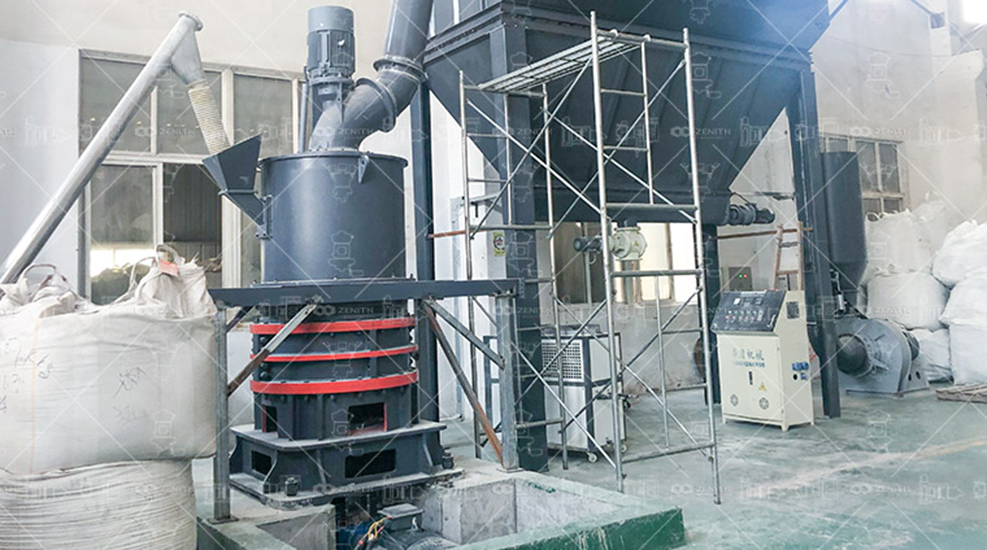
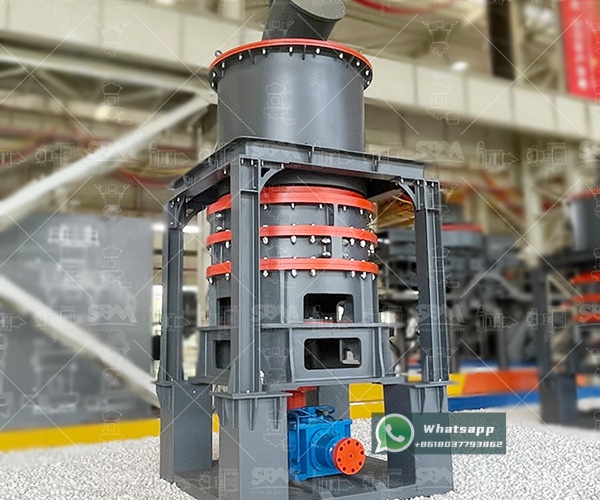
When the filler application demands maximum fineness and a precisely controlled particle size distribution, the XZM Ultrafine Grinding Mill is the preferred solution. XZM series mills are widely used for superfine powder production and can achieve an output fineness from 325 to 2500 mesh. They are especially effective for grinding feldspar with a moisture content of less than 6%. The mill uses an advanced classifier system and an auto-control panel that allow operators to adjust the fineness while the machine is running. Although the absolute capacity is lower than that of the MTW series, the XZM mill delivers the high product quality required for premium rubber goods.
The XZM268 model has a working diameter of 1680 mm and a main motor power of 315 kW. Its output ranges from 5000 to 25000 kg/h, or 5 to 25 t/h, at 325-2500 mesh. For many Canadian rubber filler lines, the XZM268 will produce stable, high-purity feldspar powder that meets and exceeds the 325 mesh standard.
| Model | Working Diameter (mm) | Max. Feed Size (mm) | Final Size (mesh) | Output (kg/h) | Main Motor Power (kW) |
|---|---|---|---|---|---|
| XZM221 | Φ800 | <20 | 325-2500 | 500-4500 | 75 |
| XZM268 | Φ1680 | <20 | 325-2500 | 5000-25000 | 315 |
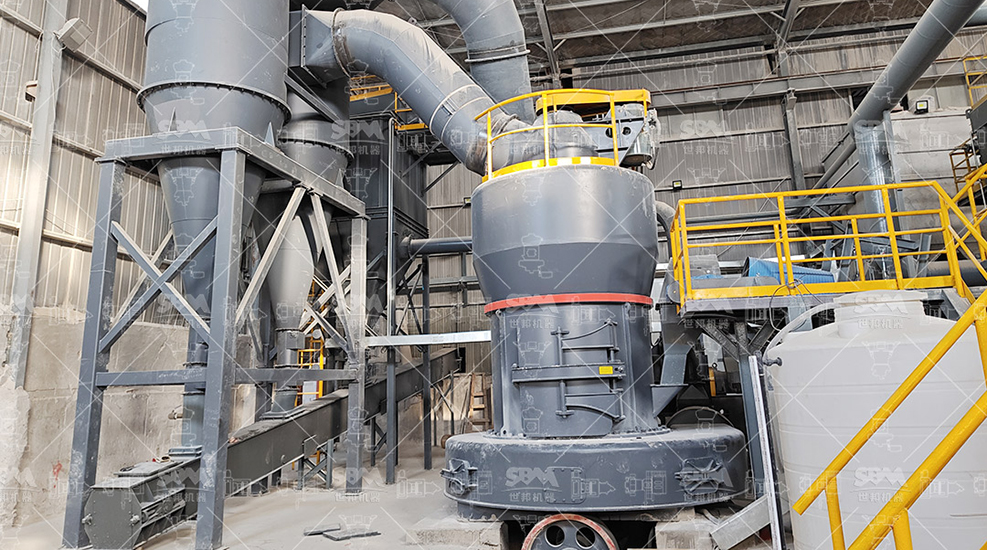
A complete grinding system with Zenith equipment can handle the entire process from crushed ore to packed bags. First, the raw feldspar is crushed by a jaw crusher or a hammer mill to a feed size below 30 mm. Then a bucket elevator conveys the material to a storage hopper. A vibrating feeder meters the feldspar into the grinding mill. Inside the mill, grinding rollers and a rotating classifier work together to produce the desired 325 mesh powder. The finished product is collected by cyclones and bag filters, while exhaust gases are cleaned before being released. This closed-circuit plant design reduces product loss, noise, and dust emissions.
Canadian projects demand reliable equipment that can operate 24 hours a day, seven days a week in cold weather. Zenith grinding mills are built with heavy-duty cast steel bases, high-pressure lubrication systems, and wear-resistant grinding rollers. The company provides complete technical documentation, PLC control systems, and optional anti-condensation heating for outdoor installations in winter. Furthermore, Zenith’s global service network means spare parts and technical support are available for long-term operation.
For a feldspar grinding mill for rubber filler in Canada at 325 mesh, Shanghai Zenith Machinery offers two excellent choices. The MTW Trapezium Grinding Mill provides high capacity and excellent product yield for continuous industrial operations. The XZM Ultrafine Grinding Mill delivers ultra-fine, precisely classified powder for stringent rubber-grade filler requirements. Both are backed by Zenith’s technology, experience, and commitment to eco-friendly production. By selecting the right mill and designing a complete grinding line around it, Canadian rubber manufacturers can obtain low-cost, high-quality feldspar filler with consistent 325 mesh particle size.