The demand for high-quality ceramic materials in the United States has been steadily increasing as industries such as construction, electronics, and household goods continue to expand. One of the crucial processes in ceramic production is grinding — the transformation of raw materials like granite, feldspar, and kaolin into fine powders with consistent particle size distribution. To achieve high efficiency and precision, granite grinding mills are extensively used. This article explores the use of granite grinding mills for processing ceramic materials in the 10–20 tons per hour (TPH) range, highlights technological innovations, and introduces reliable solutions from Shanghai Zenith Machinery Co., Ltd., a globally reputable manufacturer of industrial grinding equipment.
Granite, though not the main ceramic ingredient itself, plays a pivotal role in determining the mechanical strength and thermal resistance of ceramic formulations. During grinding, granite and other mineral components are reduced from large chunks into fine particles—typically ranging from 40 microns down to sub-micron levels. Achieving controlled fineness ensures homogeneity in the ceramic mix and enhances the surface smoothness and density of the final product.
In industrial-scale production in the U.S., a grinding capacity of 10–20 TPH is commonly required for mid-to-large ceramic plants. Equipment designed for such production scales must not only deliver the desired fineness but also maintain stable operations, low wear rates, and energy efficiency.
An efficient granite grinding mill for ceramic materials should feature:
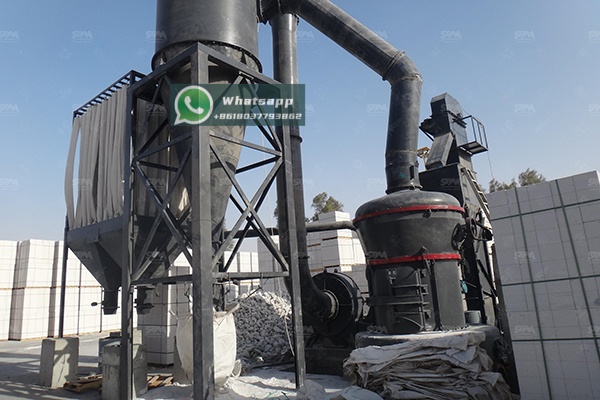
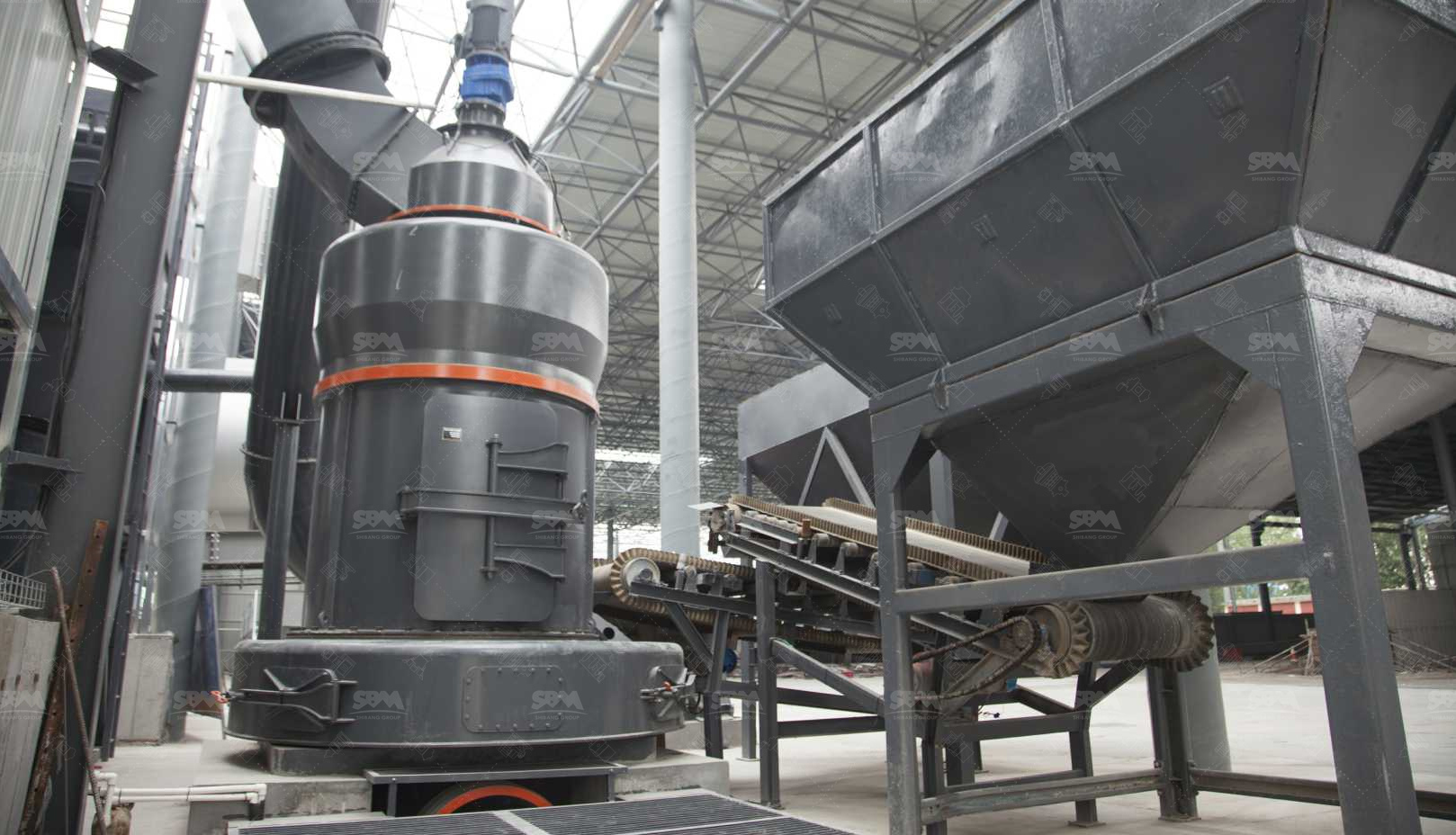
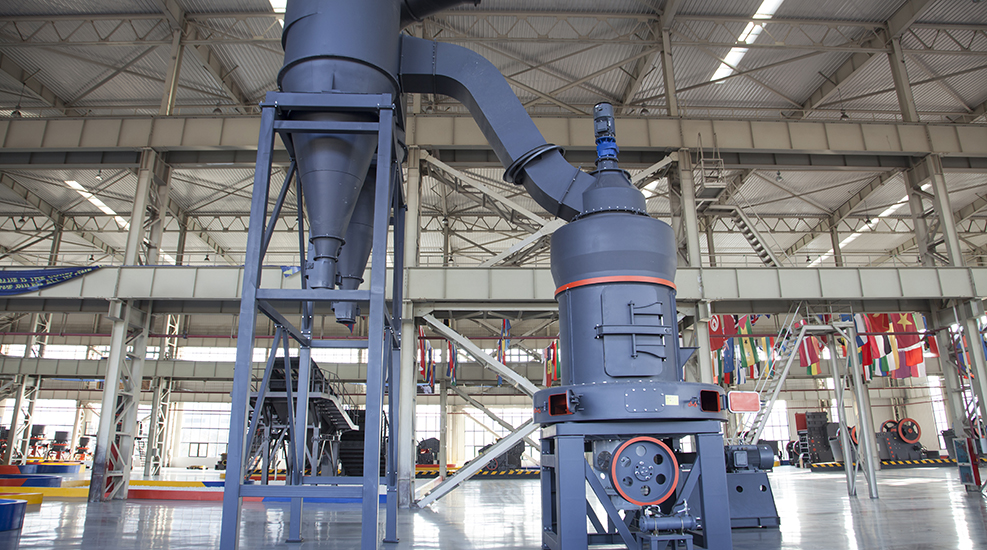
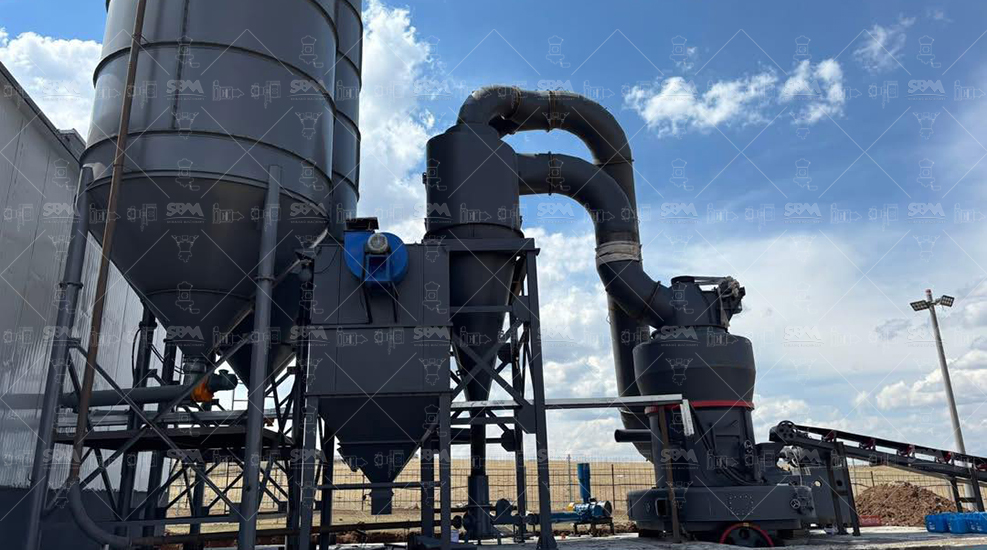
For ceramic manufacturers seeking a capacity range of 10–20 TPH, we strongly recommend the MTW Trapezium Grinding Mill from Shanghai Zenith Machinery Co., Ltd. This model series is engineered for medium to large-scale industrial grinding and offers superior performance in terms of reliability, output precision, and energy efficiency.
The MTW Trapezium Mill incorporates advanced European grinding technology, featuring optimized blade designs, adjustable spring pressure, and a trapezoidal cross-section of the grinding roller, ensuring adequate compression and shear for granite and similar materials.
| Model | Max. Feed Size (mm) | Final Size (mm) | Capacity (t/h) | Main Motor (kW) | Fan Motor (kW) |
|---|---|---|---|---|---|
| MTW138Z | <35 | 1.6–0.045 | 6–17 | 90 | 110 |
| MTW175G | <40 | 1.6–0.045 | 9.5–25 | 160 | 200 |
As seen above, the MTW175G model stands out as a perfect choice for granite grinding at 10–20 TPH in ceramic material production, ensuring stable operation and fine product uniformity.
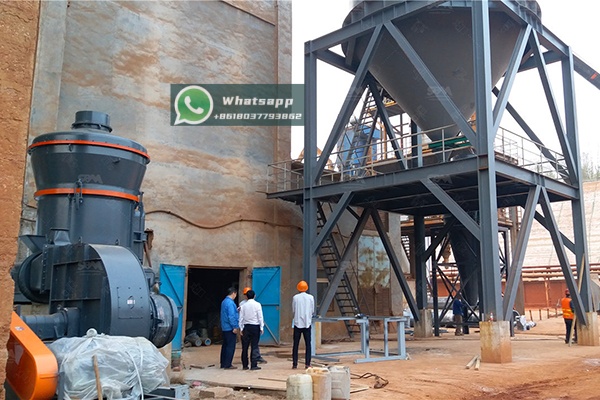
For integrated operations requiring drying, grinding, and classification within a compact footprint, the LM Vertical Grinding Mill offers another robust alternative. This equipment combines multiple production stages, reduces system energy consumption by 30–40%, and is especially suitable for mineral-based ceramic feedstocks with moderate moisture content.
| Model | Plate Diameter (mm) | Capacity (t/h) | Output Fineness (μm) | Main Motor (kW) |
|---|---|---|---|---|
| LM130K | 1300 | 10–28 | 170–40 | 200 |
| LM190K | 1900 | 23–68 | 170–40 | 500 |
The LM130K model provides an ideal configuration for 10–20 TPH throughput, guaranteeing efficient processing of granite and other ceramic minerals, while its integrated design minimizes material losses and operational downtime.
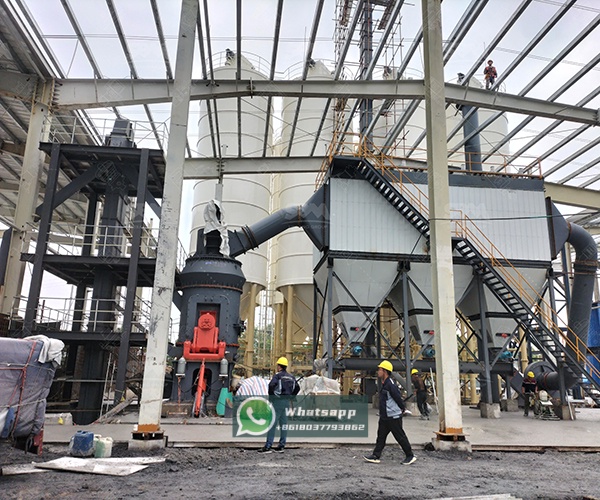
When implemented within U.S. ceramic production lines, Zenith’s grinding solutions provide a series of operational and economic benefits:
Consider a ceramic tile manufacturer based in the U.S. Midwest that produces both floor and decorative tiles. The company introduced the MTW175G Trapezium Grinding Mill to replace its aging Raymond mills. The upgrade improved grinding precision and production stability, while reducing energy consumption by approximately 25%. As a result, it achieved annual cost savings of over $80,000 and improved yield by 15% due to finer control of particle distribution.
Additionally, the company reported notable improvements in glaze consistency, firing efficiency, and mechanical strength of finished tiles thanks to the optimized particle sizes achieved through the MTW series mill.
Choosing the right grinding mill depends on multiple criteria, such as feed material hardness, moisture content, plant capacity requirements, available floor space, and energy budgets. For U.S. ceramic producers aiming for 10–20 TPH production, we recommend the following decision matrix:
Both solutions are proven to deliver reliable, cost-effective, and environmentally sustainable grinding performance in industrial applications.
Shanghai Zenith Machinery Co., Ltd. is a globally recognized manufacturer based in China, with specialization in research, development, and production of industrial powder grinding equipment and associated machinery. The company has achieved remarkable success in the field of ultra-fine powder grinding, serving customers in mining, cement, ceramics, and chemical engineering industries worldwide. Its product portfolio includes the MTW Trapezium Grinding Mill, LM Vertical Grinding Mill, XZM Ultrafine Grinding Mill, LUM Ultrafine Vertical Mill, and more, each designed to meet the diverse demands of modern manufacturing environments.
The production of ceramic materials from granite and related minerals demands efficient, stable, and precise grinding technology. For U.S. manufacturers targeting a capacity of 10–20 TPH, Shanghai Zenith Machinery Co., Ltd. provides two robust solutions—the MTW Trapezium Grinding Mill and the LM Vertical Grinding Mill. These systems not only guarantee consistent quality and energy efficiency but also offer long-term operational benefits aligning with modern sustainability standards. By integrating these advanced grinding technologies, ceramic producers can enhance product performance, reduce operational costs, and strengthen their competitiveness in the global market.