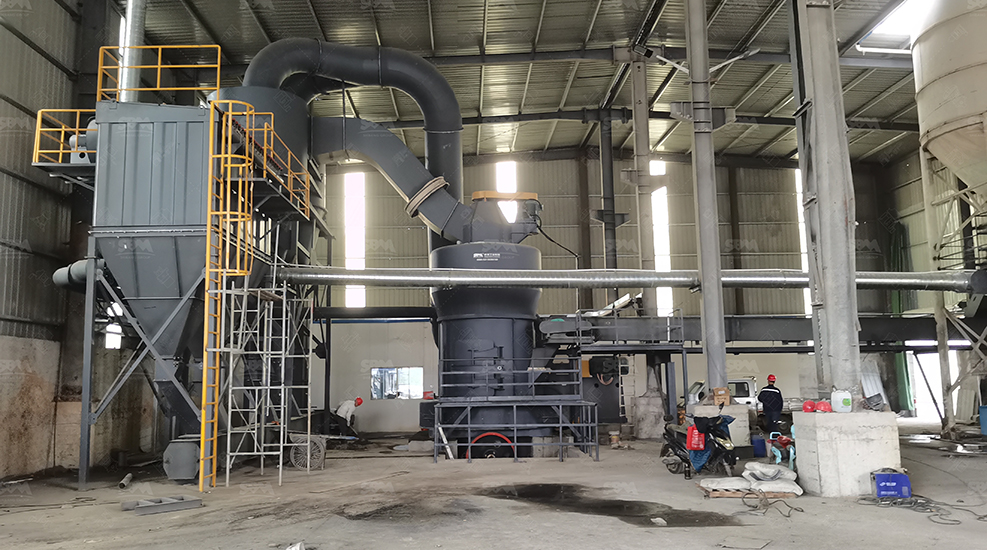
The ceramic tile industry in Bangladesh has experienced remarkable growth, driven by rapid urbanization and infrastructure development. A critical factor in producing high-quality, durable, and aesthetically pleasing tiles is the raw material preparation, specifically the grinding of granite into fine powder. Achieving a consistent and ultra-fine fineness, such as 600 mesh (approximately 25 microns), is paramount for enhancing tile strength, gloss, and color uniformity. This article explores the technical requirements for granite grinding in tile production and highlights advanced milling solutions that can meet Bangladesh’s specific industrial demands.
Granite, a hard and abrasive igneous rock, is a key component in many ceramic tile bodies. Its fine grinding offers several advantages:
For Bangladeshi manufacturers, investing in the right grinding technology is not just about fineness; it’s about achieving it reliably, energy-efficiently, and with minimal downtime in a competitive market.
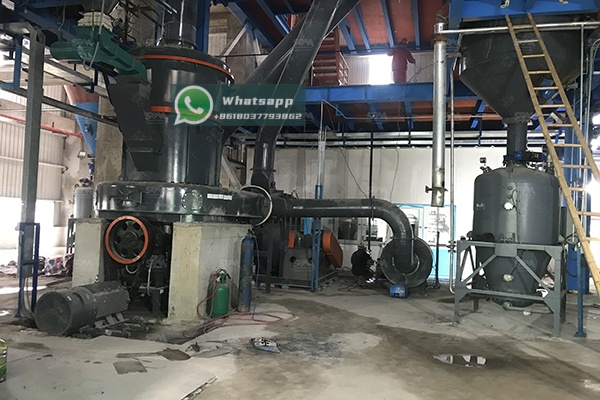
Grinding granite to 600 mesh presents distinct challenges due to its hardness (6-7 on the Mohs scale) and abrasive nature. Traditional grinding mills may suffer from:
Therefore, the ideal mill must combine robust construction, high grinding efficiency, advanced classification, and effective heat dissipation.
Shanghai Zenith Machinery Co., Ltd., an excellent manufacturer of ore grinding equipment, has made great achievements in the field of ultra-fine powder grinding. Specializing in the research, development, and production of industrial powder grinding equipment, Zenith offers several models perfectly suited for the demanding task of producing 600-mesh granite powder for tiles.
While several mills can handle fine grinding, two standout technologies from Zenith’s portfolio are particularly recommended for this application: the XZM Ultrafine Grinding Mill and the LUM Ultrafine Vertical Mill.
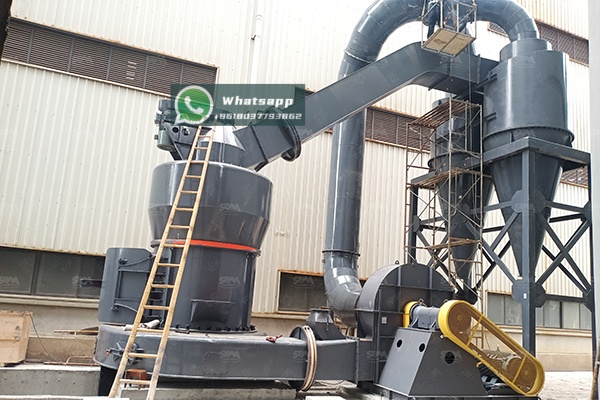
The XZM Ultrafine Grinding Mill is a leading choice for superfine powder production. Its design is ideal for medium-hard materials like granite and is engineered to achieve fineness between 325-2500 mesh, comfortably encompassing the 600-mesh target.
Key Advantages for Granite Grinding:
Below are the technical parameters for a high-capacity model suitable for industrial tile production lines:
| Model | Working Diameter (mm) | Max Feed Size (mm) | Final Size (Mesh) | Output (kg/h) | Main Motor Power (kW) |
|---|---|---|---|---|---|
| XZM268 | Φ1680 | ≤20 | 325-2500 | 5000-25000 | 315 |
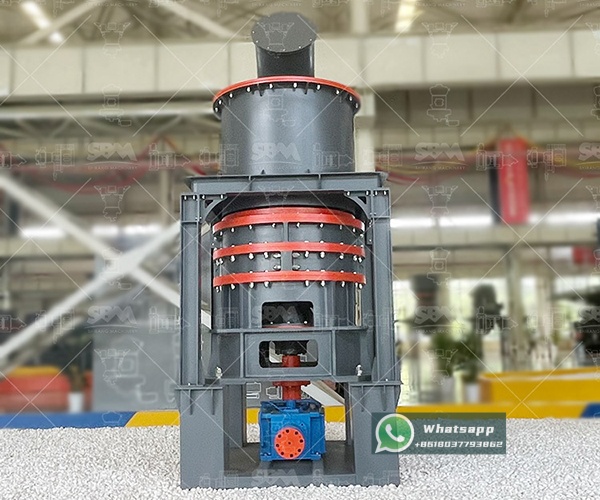
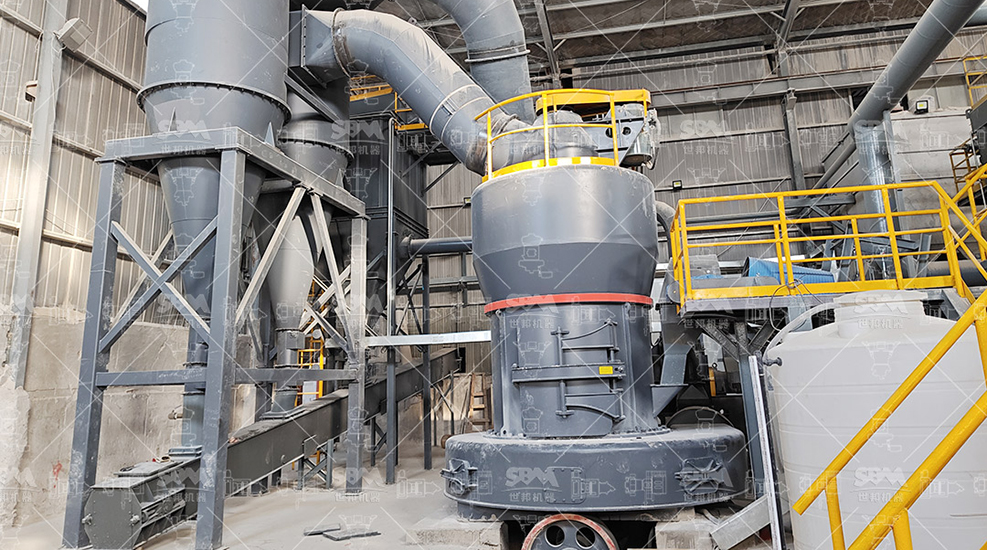
For manufacturers seeking the latest in vertical grinding technology with superior automation and drying capability, the LUM Ultrafine Vertical Mill is an exceptional choice. It integrates grinding, drying, classifying, and transportation into a single, space-saving machine.
Key Advantages for Granite Grinding:
| Model | Main Machine Power (kW) | Capacity (t/h) | Size Distribution D97 (μm)* |
|---|---|---|---|
| LUM1632 | 280-315 | 2.0-13.5 | 5-30 (approx. 600-2500 mesh) |
*A D97 of ~25 microns corresponds to 600 mesh.
The pursuit of 600-mesh granite powder is a technical cornerstone for elevating Bangladesh’s tile production quality to international standards. Selecting the appropriate grinding mill—one that balances precision, durability, energy economy, and operational simplicity—is a critical strategic decision.
Shanghai Zenith Machinery Co., Ltd., with its proven expertise and comprehensive product range—including the high-performance XZM and LUM series mills—provides reliable, cutting-edge solutions tailored to the granite processing needs of the Bangladeshi ceramic industry. By adopting such advanced grinding technology, manufacturers can ensure superior tile quality, optimize production costs, and strengthen their competitive position in both domestic and global markets.