Gypsum (calcium sulfate dihydrate, CaSO₄·2H₂O) is a critical additive in water-based drilling muds used in oil and gas exploration, especially in Vietnam’s rapidly growing energy sector. When ground to a fine powder (typically 100–200 mesh), gypsum acts as a shale stabilizer, a calcium ion source, and a filtration control agent. It helps prevent clay swelling, improves mud rheology, and maintains borehole stability in reactive formations. The demand for high-quality gypsum powder in Vietnam has surged with the expansion of offshore and onshore drilling projects, particularly in the Cuu Long and Nam Con Son basins.
For drilling mud applications, a consistent output of 3–5 tons per hour (tph) with a particle size of 0.045–0.1 mm is commonly required. Choosing the right grinding mill is essential to achieve both productivity and cost-efficiency. Shanghai Zenith Machinery Co., Ltd., a leading Chinese manufacturer of ore grinding equipment, offers several solutions tailored to this specific capacity range. This article examines the technical considerations for gypsum grinding in Vietnam and presents two recommended mill models that meet the 3-5 tph target.
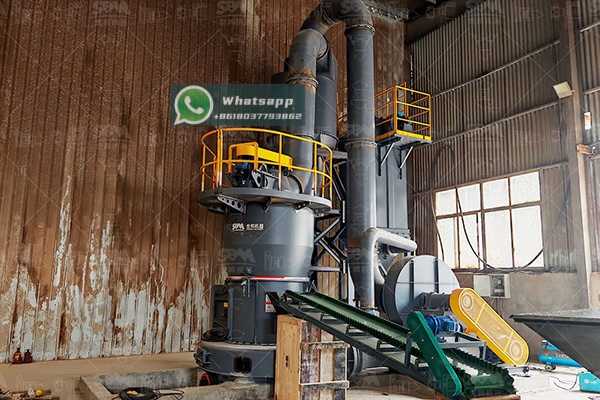
Gypsum used in drilling mud must meet strict purity standards (>85% CaSO₄·2H₂O) and have a controlled moisture content (<6%) to avoid clumping. The grinding process should produce a uniform powder with minimal fines (excessively fine particles can cause mud viscosity issues) and no oversized granules. Key properties include:
Vietnam’s gypsum reserves are mainly located in the northern provinces (e.g., Ha Giang, Lao Cai) and imported from Thailand and Laos. The grinding mills must handle feed sizes up to 30–50 mm and be robust enough to process materials with a Mohs hardness of 2–3.
For a target capacity of 3–5 tph with medium fineness, the following mill types are suitable: trapezium mills, medium-speed mills, and ball mills. However, ball mills are often less energy-efficient for this capacity range and produce broader particle size distributions. Trapezium and medium-speed mills offer better control and lower specific power consumption.
After evaluating Zenith’s product portfolio, two models stand out:
Both mills feature advanced grinding principles, low maintenance, and a compact footprint — critical for space-constrained drilling mud plants.
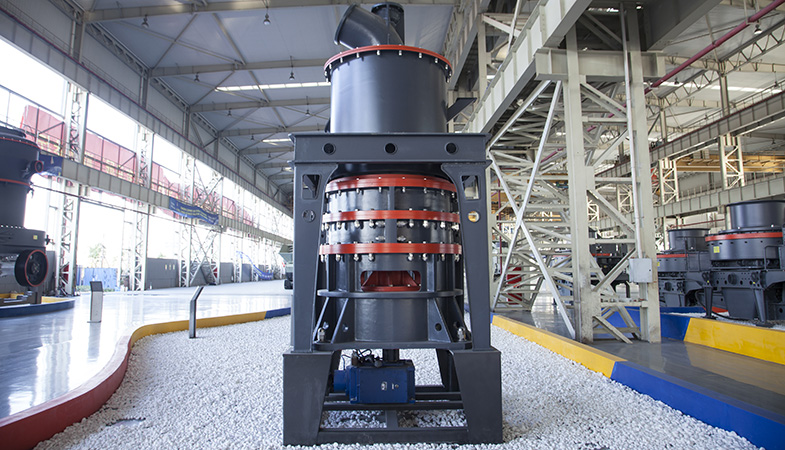
The MTW110 is a patented trapezium mill that incorporates multi-zone grinding, an intelligent control system, and a environmentally friendly design. Its curved shovel and tapered roller ensure efficient material turbulence and uniform grinding. For gypsum with a feed size <30 mm, it consistently delivers 3–9 t/h at a fineness of 1.6–0.045 mm (10–325 mesh). The mill is equipped with a high-efficiency classifier that can adjust fineness without stopping the machine.
| Model | Max. Feed Size (mm) | Final Size (mm) | Capacity (t/h) | Main Motor (kW) | Fan Motor (kW) |
|---|---|---|---|---|---|
| MTW110 | <30 | 1.6 – 0.045 | 3 – 9 | 55 | 55 |
| MTW110Z | <30 | 1.6 – 0.045 | 3 – 10 | 55 | 55 |
The MTW110 can be operated in a closed-circuit system with a cyclone collector and bag filter to meet Vietnamese environmental standards. Its self-lubricating bearing system reduces downtime, and the split shovel design simplifies maintenance in humid tropical climates.
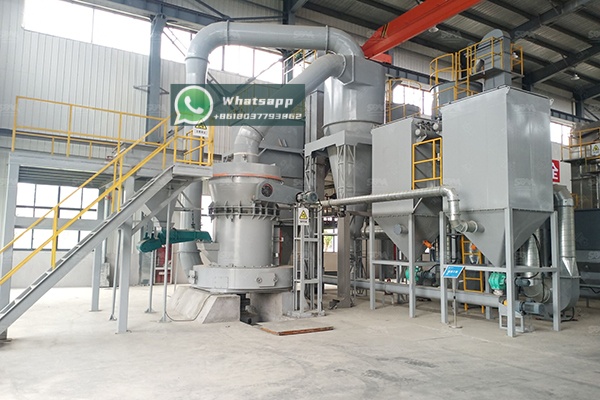
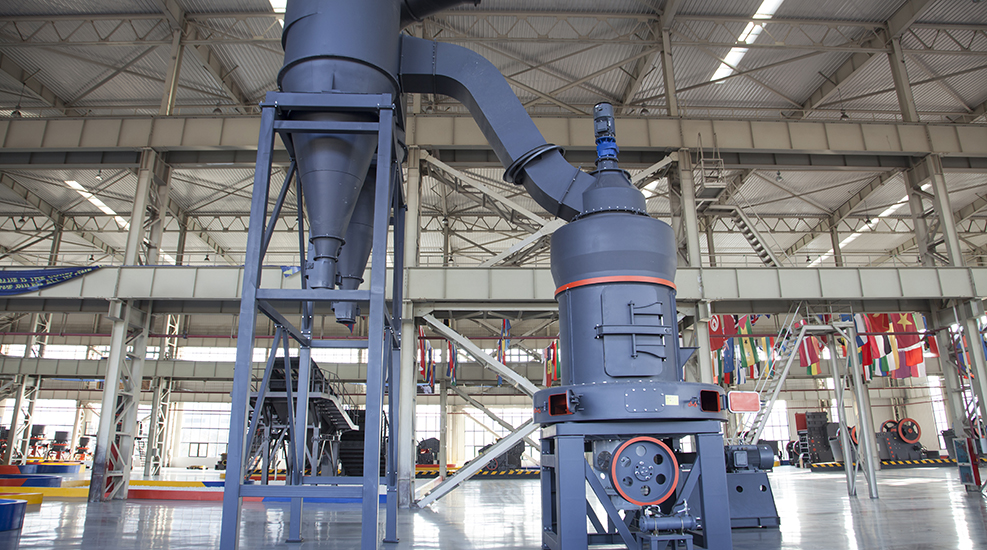
For customers who prefer a traditional medium-speed mill with proven reliability, the MTM100 is an excellent option. It uses multiple grinding rings and rollers to achieve high grinding efficiency. With a feed size up to 25 mm, it produces 3–8 t/h of gypsum powder at 0.045–1.6 mm fineness. The MTM series is widely used in Vietnam for limestone, barite, and gypsum grinding due to its rugged construction and lower initial investment.
| Name & Model | Ring Roll Number (pcs) | Max. Feed Size (mm) | Output (t/h) | Main Unit Motor Power (kW) |
|---|---|---|---|---|
| MTM100 | 4 | <25 | 3 – 8 | 37 |
The MTM100 features a digital display control panel and a star-shaped gear reducer for smooth transmission. Its air circulation system reduces energy consumption by 15–20% compared to traditional Raymond mills. For customers targeting exactly 3–5 tph, the MTM100 can be fine-tuned by adjusting the classifier speed and feed rate.
Both mills are capable of meeting the 3–5 tph requirement, but they differ in several aspects:
For a typical mud plant in Hanoi or Vung Tau, we recommend the MTW110 as the first choice due to its higher capacity margin (3–9 t/h) and lower operating cost. The MTM100 is a cost-effective backup for budget-conscious projects.
Vietnam’s tropical climate (high humidity, temperature 25–35°C) demands that the mill be equipped with humidity-resistant electrical components and proper sealing. Zenith offers customized solutions including:
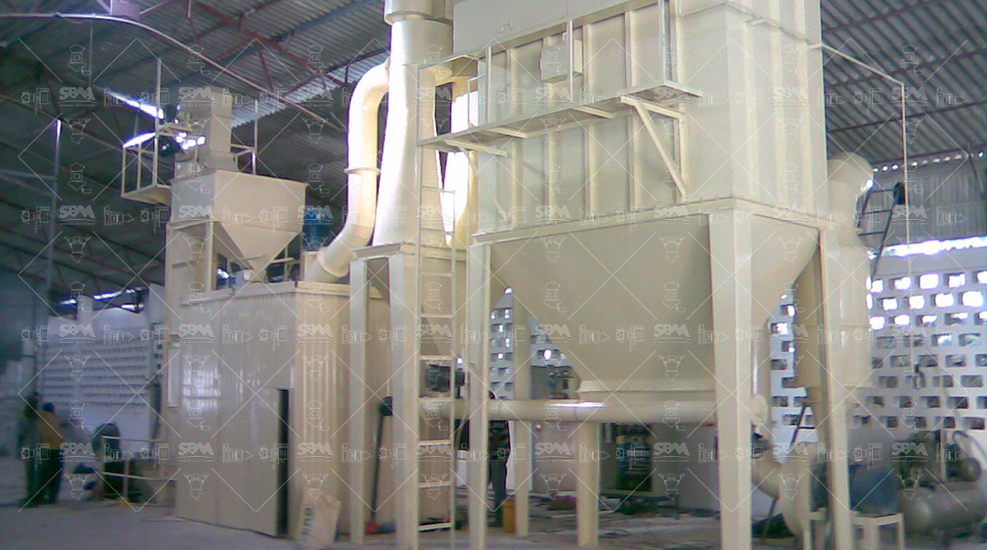
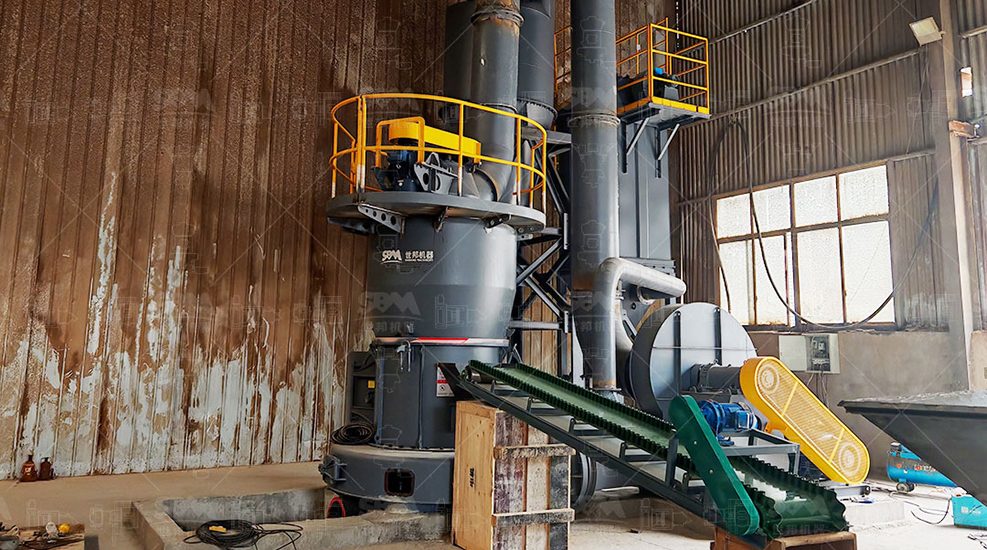
Before installation, customers should ensure a stable power supply (380V/50Hz) and adequate foundation vibration isolation. A typical layout includes a jaw crusher for primary crushing (if feed >50 mm), a bucket elevator, the mill, a cyclone collector, and a pulse bag filter. The final gypsum powder can be directly pneumatically conveyed to the mud mixing tank.
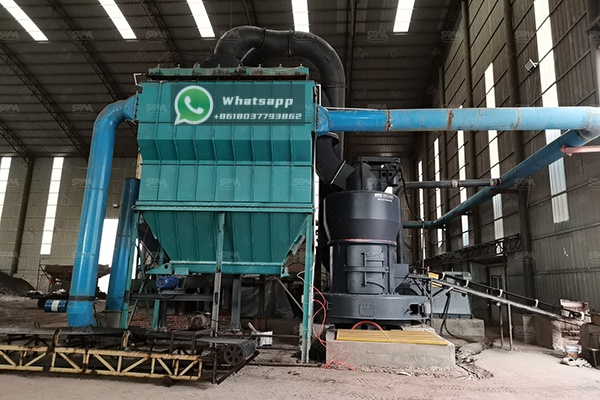
Vietnam’s drilling mud market requires reliable gypsum grinding solutions that balance capacity, fineness, and operating cost. The MTW110 Trapezium Mill and MTM100 Medium-Speed Mill from Shanghai Zenith Machinery are both proven to deliver 3–5 tph of high-quality gypsum powder. With more than 30 years of experience in powder processing, Zenith offers complete after-sales support, including installation, commissioning, and training. For Vietnamese customers seeking to optimize their mud plant performance, these mills represent a sound investment that will enhance borehole stability and reduce non-productive time.
For detailed quotations or a process design visit, please contact Shanghai Zenith Machinery’s Vietnam representative office.