The plastics industry in Kenya, and across East Africa, is experiencing significant growth. A key factor in enhancing the quality and reducing the cost of plastic products is the use of functional fillers. Gypsum, a naturally abundant and cost-effective mineral in the region, has emerged as an excellent filler material. When processed to a fine, consistent powder—specifically around 200 mesh (approximately 75 microns)—it can improve dimensional stability, surface finish, and mechanical properties of plastics while significantly lowering raw material costs. This article explores the critical role of specialized grinding technology in producing high-quality gypsum filler for Kenya’s plastic sector.
For gypsum to act as an effective filler in plastic matrices, its particle size distribution is paramount. A target fineness of 200 mesh ensures several key benefits:
Processing raw gypsum to this specification requires precision grinding equipment capable of handling the material’s moderate hardness and ensuring consistent output without overheating, which can affect the gypsum’s chemical composition.
Local processors face unique challenges:
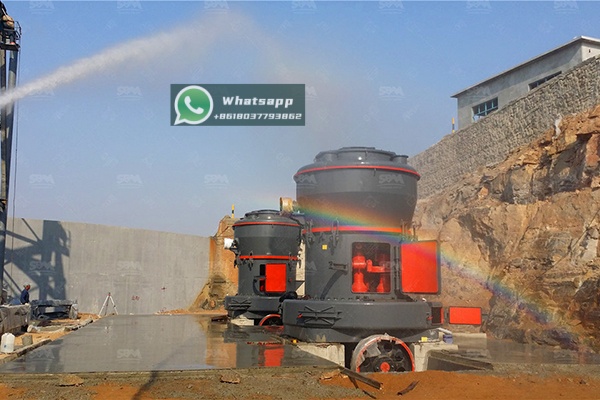
Not all grinding mills are suited for producing 200-mesh filler-grade gypsum. Traditional Raymond mills may struggle with efficiency and fineness control at this range, while basic hammer mills are unsuitable for achieving the required uniformity. The industry trend is moving towards more advanced, integrated milling systems that offer superior particle size distribution, energy efficiency, and operational intelligence.
For Kenyan entrepreneurs and established processors aiming to produce high-quality gypsum filler, Shanghai Zenith Machinery Co., Ltd. offers an ideal solution. As an excellent manufacturer with great achievements in ultra-fine powder grinding, Zenith specializes in research, development, and production of industrial grinding equipment. Their LM Vertical Grinding Mill series is particularly well-suited for this application.
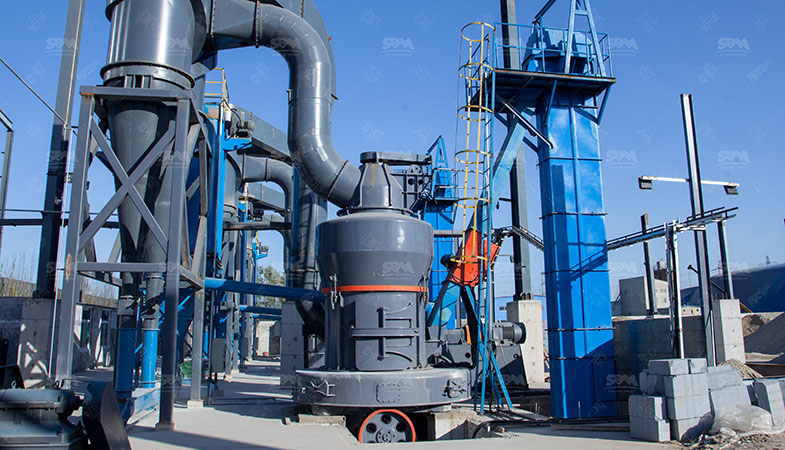
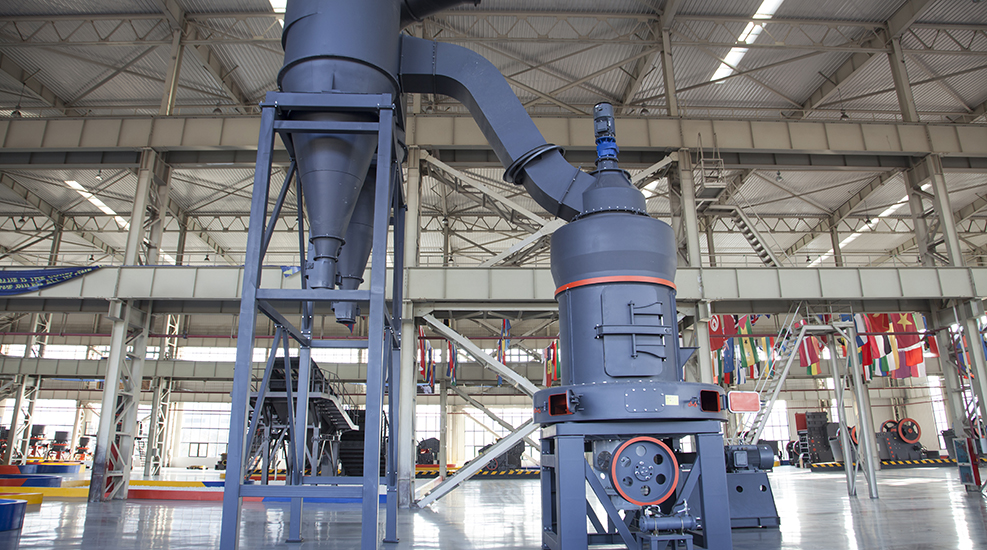
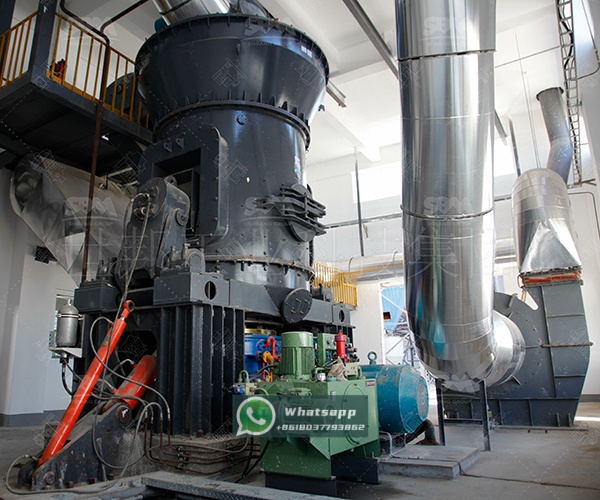
The LM Vertical Mill integrates crushing, grinding, powder selection, drying, and conveying into one complete unit. This integrated design is perfect for gypsum, as it can handle material with certain moisture content and precisely classify the powder to the desired 200-mesh cut-off. Its compact footprint, low noise, and high grinding efficiency make it an excellent choice for modern production facilities in Kenya.
For a typical gypsum filler production line targeting 200 mesh and an output of 15-30 tons per hour, the LM220X-GX Vertical Fine-powder Mill is a highly recommended model:
| Model | Plate Diameter (mm) | Capacity (t/h) | Output Fineness (D97) | Max Feed Size (mm) | Main Motor (kW) |
|---|---|---|---|---|---|
| LM220X-GX | 2200 | 15-30 | 325-600 mesh | <45 | 560 |
This model reliably produces powder in the 325-600 mesh range, easily encompassing the 200-mesh (approx. 75-micron) target. Its intelligent control system ensures stable operation and consistent product quality, which is vital for supplying plastic manufacturers with a uniform raw material.
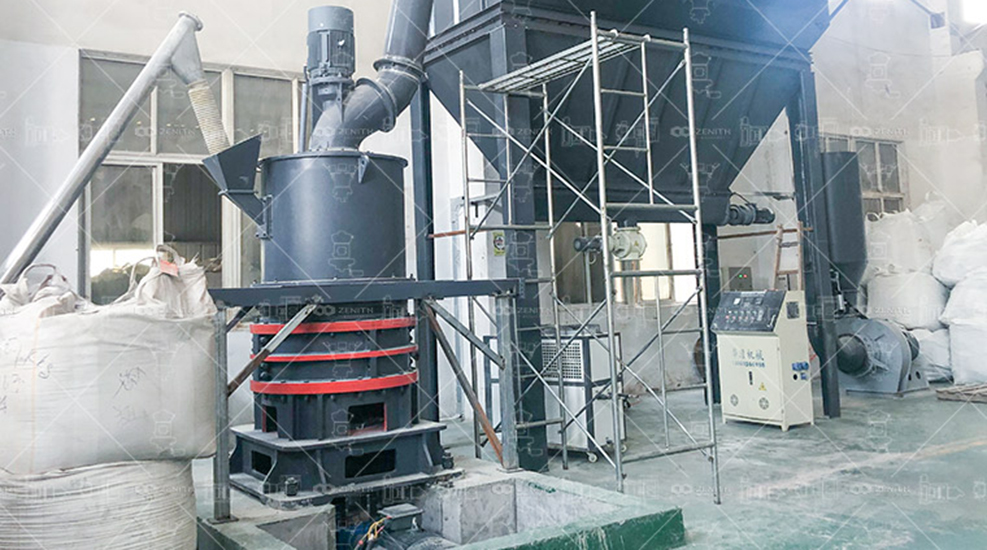
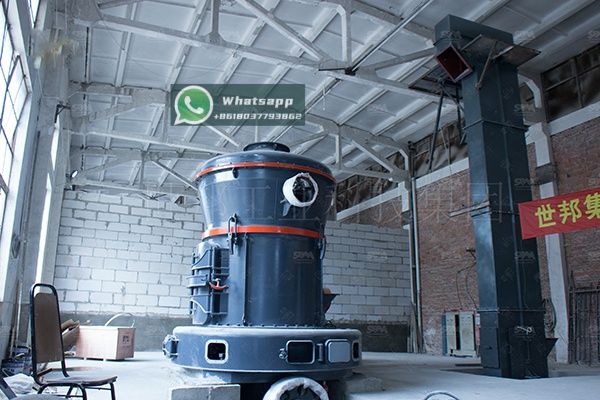
For operations that require even finer tuning or may wish to produce a range of filler products (e.g., from 200 mesh to 800 mesh for specialty plastics), Zenith’s XZM Ultrafine Grinding Mill is another outstanding option. It is renowned for producing superfine powder from 325 to 2500 mesh and is highly effective for medium-hard materials like gypsum.
The XZM series offers remarkable flexibility. For a robust production setup, the XZM268 model provides high capacity and excellent fineness control:
| Model | Working Diameter (mm) | Max Feed Size (mm) | Final Size (mesh) | Output (kg/h) | Main Motor Power (kW) |
|---|---|---|---|---|---|
| XZM268 | Φ1680 | ≤20 | 325-2500 | 5000-25000 | 315 |
This mill’s advanced classification system guarantees a sharp particle size distribution, meaning a high percentage of the product will be exactly within the desired 200-mesh specification, with minimal oversize or undersize particles. This precision directly translates to higher performance of the final plastic product.
Investing in advanced grinding technology from a reputable supplier like Shanghai Zenith is not merely an equipment purchase; it’s an investment in building a competitive, sustainable supply chain within Kenya. By producing consistent, high-quality gypsum filler locally, processors can:
The demand for high-quality plastic fillers in Kenya presents a significant opportunity. Meeting the specific 200-mesh requirement for gypsum filler is a technical challenge that can be reliably overcome with the right milling equipment. Shanghai Zenith Machinery’s LM Vertical Grinding Mill and XZM Ultrafine Grinding Mill series offer tailored, efficient, and technologically advanced solutions. Their integrated design, energy efficiency, and precise classification capabilities make them the ideal partners for Kenyan businesses aiming to establish or upgrade their gypsum processing operations, ultimately contributing to a stronger and more self-sufficient industrial base in the region.