Turkey is one of the world’s leading producers of ceramic tiles, wall tiles, sanitaryware and porcelain tableware. These industries require highly consistent mineral powders, and kaolin is among the most important raw materials. Kaolin imparts whiteness, plasticity, drying strength and thermal stability to ceramic bodies. It is also used in engobes and glazes to adjust casting rheology and fired surface quality. Many Turkish ceramic producers and mineral processors therefore seek a reliable kaolin grinding mill for ceramic materials. The target of 600 mesh, approximately 23 micrometers, has become a common production specification for high-end ceramic batches.
Shanghai Zenith Machinery Co., Ltd. is well known in the international market as an excellent manufacturer of ore grinding equipment and has made significant progress in ultra-fine powder grinding solutions. The company designs, tests and manufactures industrial mills, air classifiers, dust collectors, conveying equipment and complete process systems. When Turkish ceramic plants set a 600-mesh kaolin milling project, the choice of grinding mill determines throughput, product grain size distribution, energy cost and final ceramic quality.
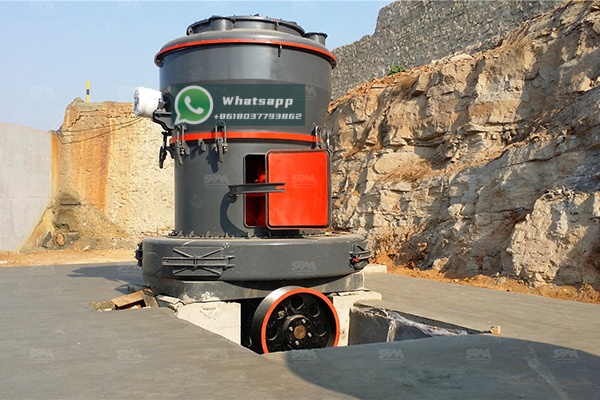
In mineral processing terminology, mesh size describes the number of openings per linear inch in a screen. A 600-mesh sieve has a nominal opening of about 23 micrometers. Kaolin processed to 600 mesh means that the vast majority of particles will pass through that screen. In ceramic production, fineness affects green strength, compaction behavior and surface finish. Coarse quartz grains or aggregated kaolinite particles may lead to defects such as pinholes, poor gloss or low mechanical strength. A milling system that produces a narrow particle distribution is a major competitive advantage.
Modern ceramic materials engineers use not only sieve residue but also D50 and D97 values. If a mill can control the classifier speed and air flow, production of 600-mesh kaolin becomes more stable. A good classifier can remove oversize particles, return them to the grinding zone, and ensure that the final powder has a minimum amount of coarse tail. In Turkey, ceramic factories often schedule continuous production, so the grinding mill must provide consistent performance over long operating periods.
1. Consistent fineness. The mill must produce powder continuously at the required 600-mesh specification. 2. Lower operating cost. Kaolin milling consumes electric energy, so grinding efficiency and classification efficiency matter. 3. Low contamination. Ceramic products are color sensitive; grinding equipment must limit iron contamination. 4. High availability. Turkish ceramic plants operate with heavy production schedules; downtime affects kiln supply and product delivery. 5. Drying ability. Some kaolin feed has residual moisture; an integrated vertical mill can use hot gas for simultaneous drying and conveying.
Raw kaolin from different deposits varies in moisture, silica content and abrasiveness. Therefore, a grinding solution should be selected after careful evaluation of raw-material grindability and desired powder particle-size distribution. This is particularly important when the final application is a ceramic body, glaze or engobe.
Shanghai Zenith Machinery Co., Ltd. focuses on the research, development and production of industrial powder grinding equipment and related auxiliary devices. Its product portfolio includes MTW trapezium grinding mill, MTM medium-speed grinding mill, LM vertical grinding mill, LUM ultrafine vertical grinding mill, XZM ultrafine grinding mill, Raymond mill, hammer mill and ball mill. With many patents in mechanical design and powder classification, Zenith can offer suitable machines from coarse crushing to 2500-mesh ultra-fine powder.
For a 600-mesh Turkish kaolin application, traditional Raymond mills can work, but modern vertical mills often deliver better energy efficiency, lower maintenance and more exact classification. Zenith’s grinding laboratory can test representative kaolin samples before recommending a final model. This is especially useful because kaolin from different deposits in Anatolia and imported sources can have different hardness, moisture and contamination levels.
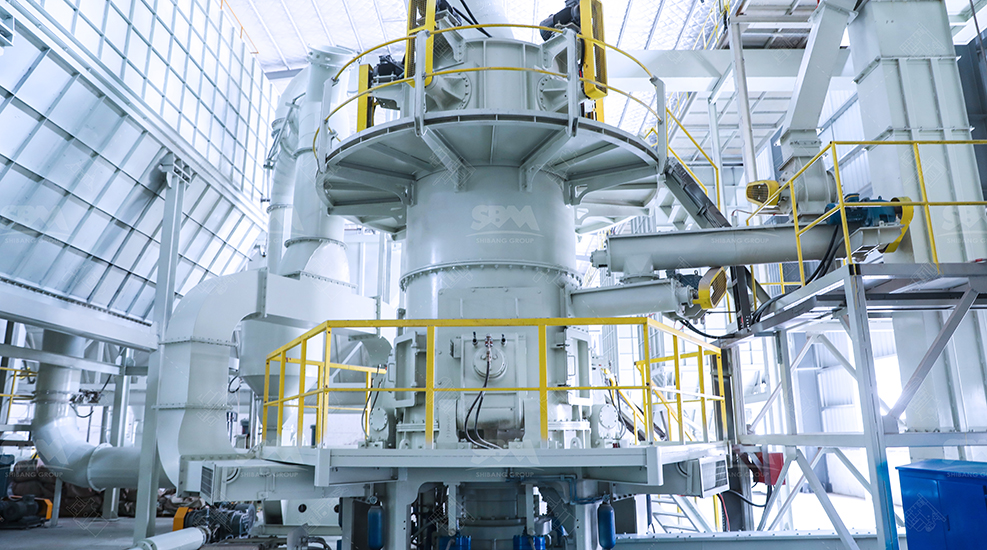
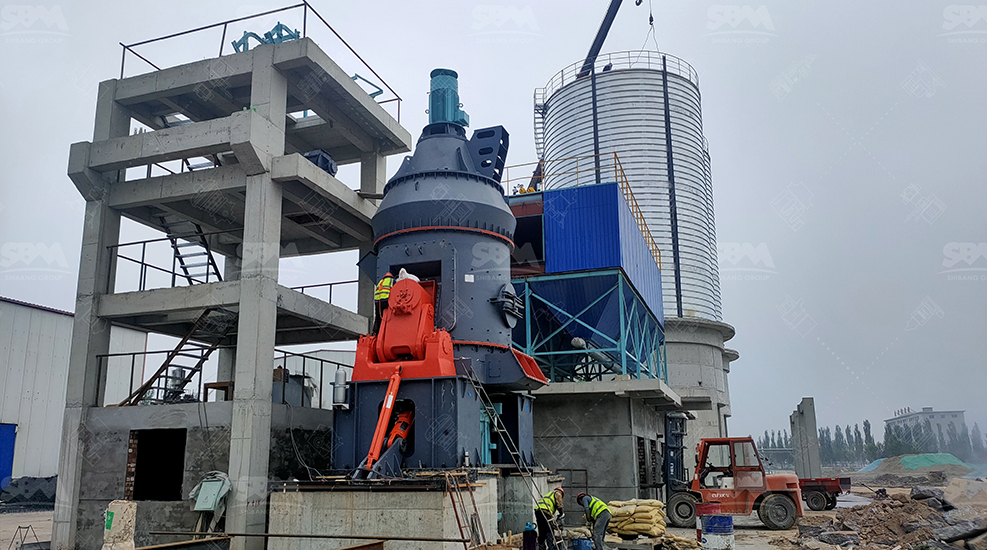
The LM vertical grinding mill is one of Zenith’s advanced machines. It integrates crushing, grinding, drying, powder selection and material conveying. For ceramic-grade kaolin, the fine-powder series is especially useful because it can be adjusted to 325-600 mesh. This range matches the specification commonly requested in Turkish ceramic filler and body production.
For a medium-scale Turkish plant producing 4-12 t/h of 600-mesh kaolin, the LM130X-GX is an ideal choice. When a larger mineral processing plant must supply 15-30 t/h of ceramic kaolin with D97 fineness of 325-600 mesh, the LM220X-GX provides higher output without losing particle-size control.
| Model | Plate Diameter (mm) | Capacity (t/h) | Output Fineness (D97) | Main Motor (kW) |
|---|---|---|---|---|
| LM130X-GX | 1300 | 4-12 | 325-600 mesh | 220 |
| LM220X-GX | 2200 | 15-30 | 325-600 mesh | 560 |
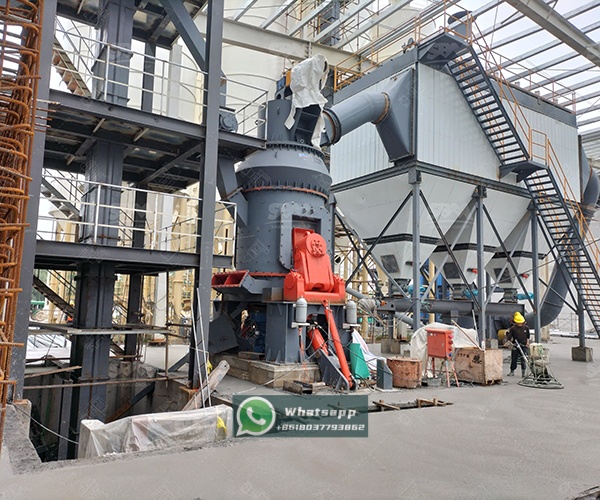
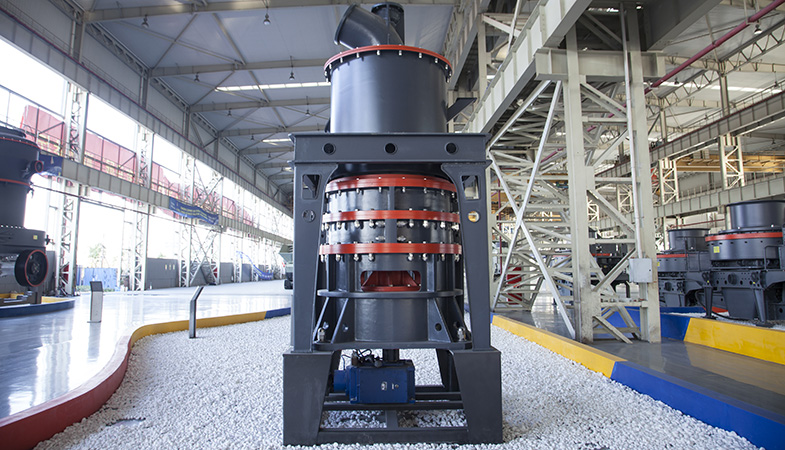
Some ceramic glaze and engobe formulations require not only a 600-mesh top size but also a high percentage of very fine particles. In this case, the LUM Ultrafine Vertical Mill is recommended. LUM integrates grinding, drying, classifying and transportation while occupying minimal floor space. It is designed to produce products with a high content of end-fines and features intelligent control for easier maintenance.
If the Turkish customer plans to produce both standard 600-mesh ceramic kaolin and ultra-fine high-value kaolin for premium glazes, a LUM mill can provide greater flexibility. Its internal dynamic classifier can be adjusted to achieve a very fine endpoint, often down to a D97 between 5 and 30 micrometers. This makes the LUM series a very strong candidate for ceramic manufacturers that want to reduce imported fine kaolin by producing more grades in their own plant.
| Model | Main Machine Power (kW) | Capacity (t/h) | Size Distribution D97 (μm) |
|---|---|---|---|
| LUM1525 | 220-250 | 1.6-11.5 | 5-30 |
| LUM1632 | 280-315 | 2.0-13.5 | 5-30 |
| LUM1836 | 355-400 | 2.3-15 | 5-30 |
Both the LM and LUM series can be built with advanced feedback control systems. For a pure 600-mesh ceramic body powder with high throughput, the LM fine-powder vertical mill is often the first choice. For applications where the customer also requires D97 values below 20 micrometers or where the product must satisfy stricter top-size limits in glaze systems, the LUM series is a wise addition.
A complete kaolin grinding plant in Turkey can be arranged in the following way. Run-of-mine kaolin is first reduced by a jaw crusher or hammer mill to a size suitable for the vertical mill feed. After crushing, the material is conveyed to a buffer silo. A vibrating feeder delivers it at a controlled rate into the grinding mill. Inside the LM or LUM vertical mill, grinding rollers press the kaolin against the rotating grinding table. Hot air generated by a furnace lifts fine particles into the dynamic classifier. Coarse particles fall back to the table for further grinding, while fine particles enter the bag filter and are collected as finished 600-mesh kaolin powder.
For ceramic applications, product purity and moisture stability are important. The system can be designed with a bag filter, dust recycling and negative-pressure operation to prevent leakage. The finished powder can then be conveyed to a silo for bagging or bulk powder transportation. Zenith’s engineers can also integrate a magnetic separator if the raw kaolin contains magnetic iron impurities.
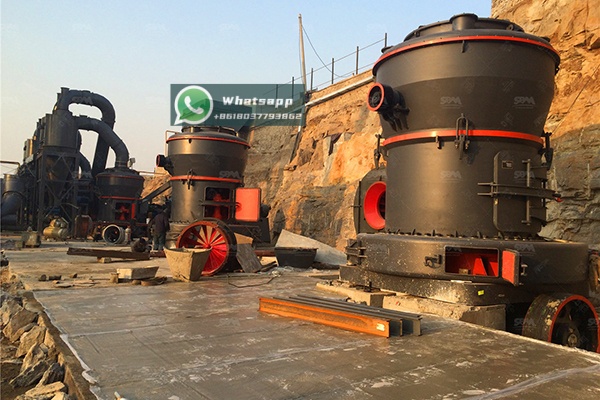
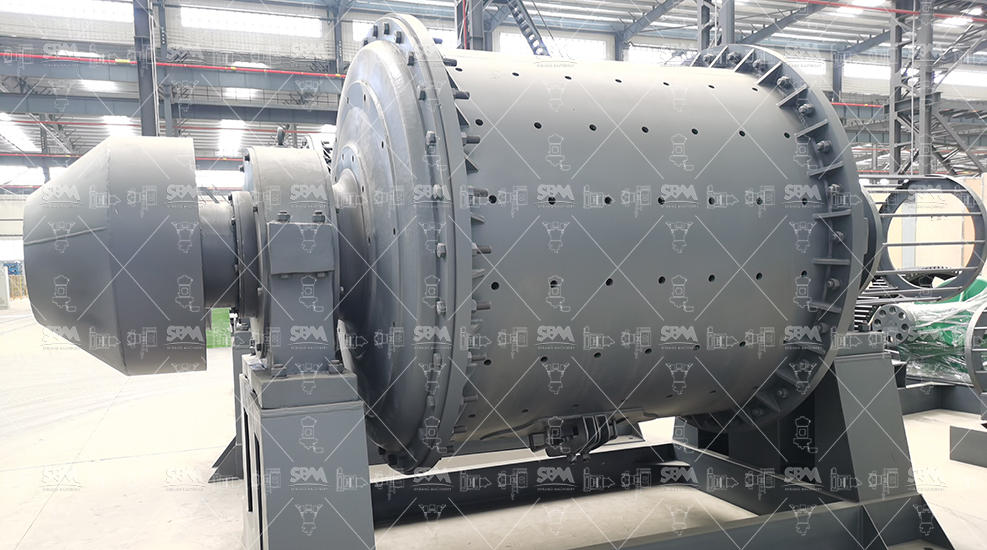
Energy costs are an important factor in Turkey’s ceramic sector. Compared with conventional ball mills, the LM vertical mill system normally offers improvements in specific energy consumption and floor-space utilization. Because the mill combines drying, grinding, classification and conveying in one unit, the overall plant is simpler and easier to operate.
Turkey also experiences strong seasonal demand from construction and renovation markets. Ceramic producers must meet tight delivery schedules. A grinding mill with stable operation and easy maintenance protects the downstream production chain. Zenith supports international projects with equipment selection, layout design, installation guidance, commissioning and staff training. Spare parts can be planned together with local maintenance teams so the Turkish plant can reduce unexpected stoppages.
In addition to LM and LUM vertical mills, Zenith also supplies MTW trapezium mills, MTM medium-speed mills, Raymond mills, XZM ultrafine mills and auxiliary crushers. If existing facilities are already using older equipment, Zenith can advise whether it is more economical to upgrade the main grinding machine or to build a new dedicated 600-mesh kaolin production line.
Choosing a kaolin grinding mill for ceramic materials in Turkey is a technical process. The target of 600 mesh affects particle-size distribution, ceramic processing behavior, product whiteness and final quality. Shanghai Zenith Machinery Co., Ltd. offers proven grinding technologies that can help Turkish kaolin processors and ceramic manufacturers achieve this target reliably.
The LM vertical fine-powder mill and the LUM ultrafine vertical mill are two excellent choices from Zenith’s broad product range. The LM130X-GX and LM220X-GX can deliver a D97 fineness of 325-600 mesh at capacities that match commercial ceramic-grade kaolin projects. The LUM1525, LUM1632 and LUM1836 provide additional flexibility for finer D97 values and premium glaze applications. By selecting the correct grinding and classification equipment, Turkish producers can improve production efficiency, reduce energy cost and manufacture high-quality 600-mesh kaolin powder for the demanding ceramic market.