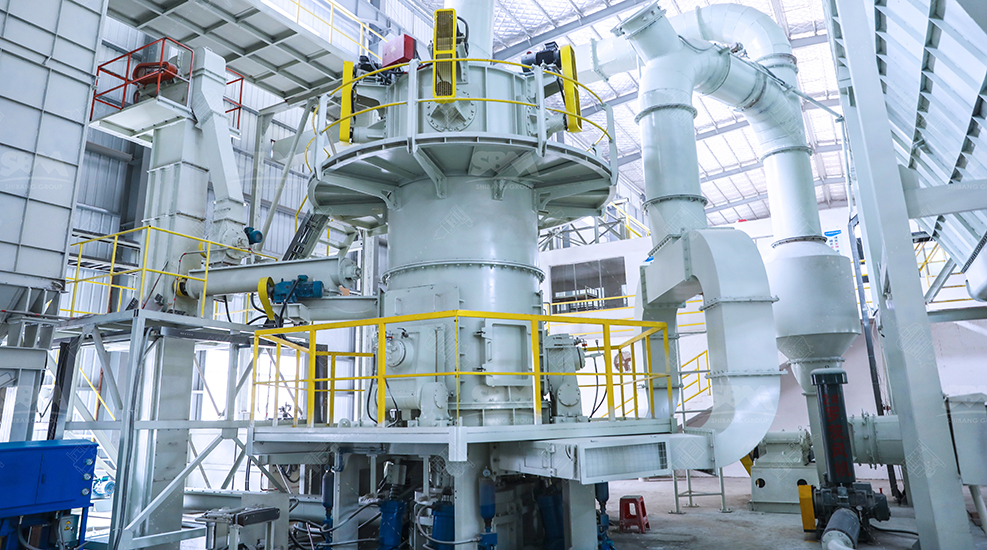
The United Arab Emirates’ ceramic and building materials sector is a cornerstone of its dynamic construction and manufacturing landscape. A key raw material in this industry is limestone, prized for its whiteness, chemical stability, and role as a flux in ceramic bodies and glazes. To achieve optimal performance in the final product—enhancing strength, reducing firing temperature, and improving surface finish—the limestone must be ground to a precise and consistent fineness. The 80 mesh (approximately 177 microns) specification is particularly crucial for many ceramic applications, balancing reactivity, suspension properties, and economic efficiency. This article explores the technical requirements for grinding limestone to 80 mesh in the UAE and presents advanced milling solutions to meet these demanding industrial needs.
Grinding limestone for high-quality ceramic production is not a simple task of size reduction. It involves a set of interconnected challenges that directly impact product quality and operational cost.
Merely achieving an average of 80 mesh is insufficient. A narrow particle size distribution is vital. Excessive coarse particles (>100 mesh) can cause defects like pinholes or black coring in fired ceramics, while an overload of ultra-fines (<200 mesh) can increase water demand in slurries, leading to shrinkage and cracking. The ideal mill must offer excellent classification efficiency to produce a tightly controlled product.
Ceramic formulations are sensitive to iron and other metallic contaminants. Contamination introduced during the grinding process can discolor whiteware bodies and glazes, leading to significant product rejection. Therefore, grinding systems must be designed with wear-resistant, low-contamination materials in the grinding chamber and employ efficient sealing to prevent external dust ingress.
The UAE’s hot and arid climate presents unique challenges. While limestone typically has low moisture, the grinding process generates heat. Efficient heat dissipation and, if necessary, integrated drying capabilities are essential to prevent moisture absorption from the air and ensure stable, free-flowing powder. Energy consumption is also a major operational cost factor, making high-efficiency, low-power consumption mills highly desirable.
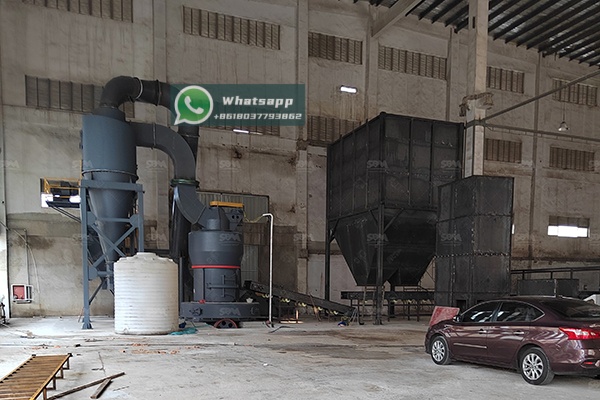
Selecting the right grinding technology is paramount. While traditional Raymond mills or ball mills can achieve 80 mesh, modern grinding systems offer superior control, efficiency, and integration. For the specific task of producing 80-mesh limestone powder for ceramics, two types of mills stand out: the advanced pendulum mill and the highly efficient vertical roller mill.
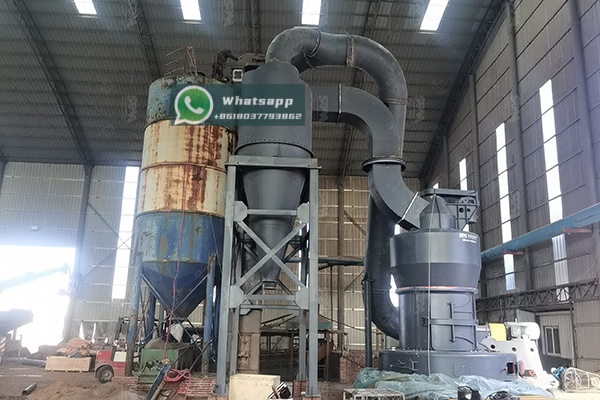
For producers seeking a perfect balance between high capacity, exceptional product quality, and operational intelligence, the MTW Series European Trapezium Grinding Mill from Shanghai Zenith Machinery is an outstanding choice. This mill is engineered with multiple national patents and represents a generational leap over traditional designs.
Its bevel gear overall drive ensures smooth, quiet, and efficient power transmission. The curved air duct design minimizes flow resistance, enhancing system efficiency. Most importantly for ceramic production, the MTW mill features an internal high-efficiency, cage-type powder separator. This allows for precise adjustment of the final product fineness—crucial for hitting the exact 80 mesh target—and ensures a sharp particle cut for a consistent distribution. Its compact structure and positive pressure dust-proof device make it an environmentally friendly solution, keeping the powder pure and the workspace clean.
Below are the technical parameters for key models suitable for medium to large-scale limestone processing in the UAE:
| Model | Max. Feed Size (mm) | Final Size (mm) | Capacity (t/h) | Main Motor (kW) |
|---|---|---|---|---|
| MTW138Z | <35 | 1.6-0.045 (approx. 10-325 mesh) | 6-17 | 90 |
| MTW175G | <40 | 1.6-0.045 | 9.5-25 | 160 |
| MTW215G | <50 | 1.6-0.045 | 15-45 | 280 |
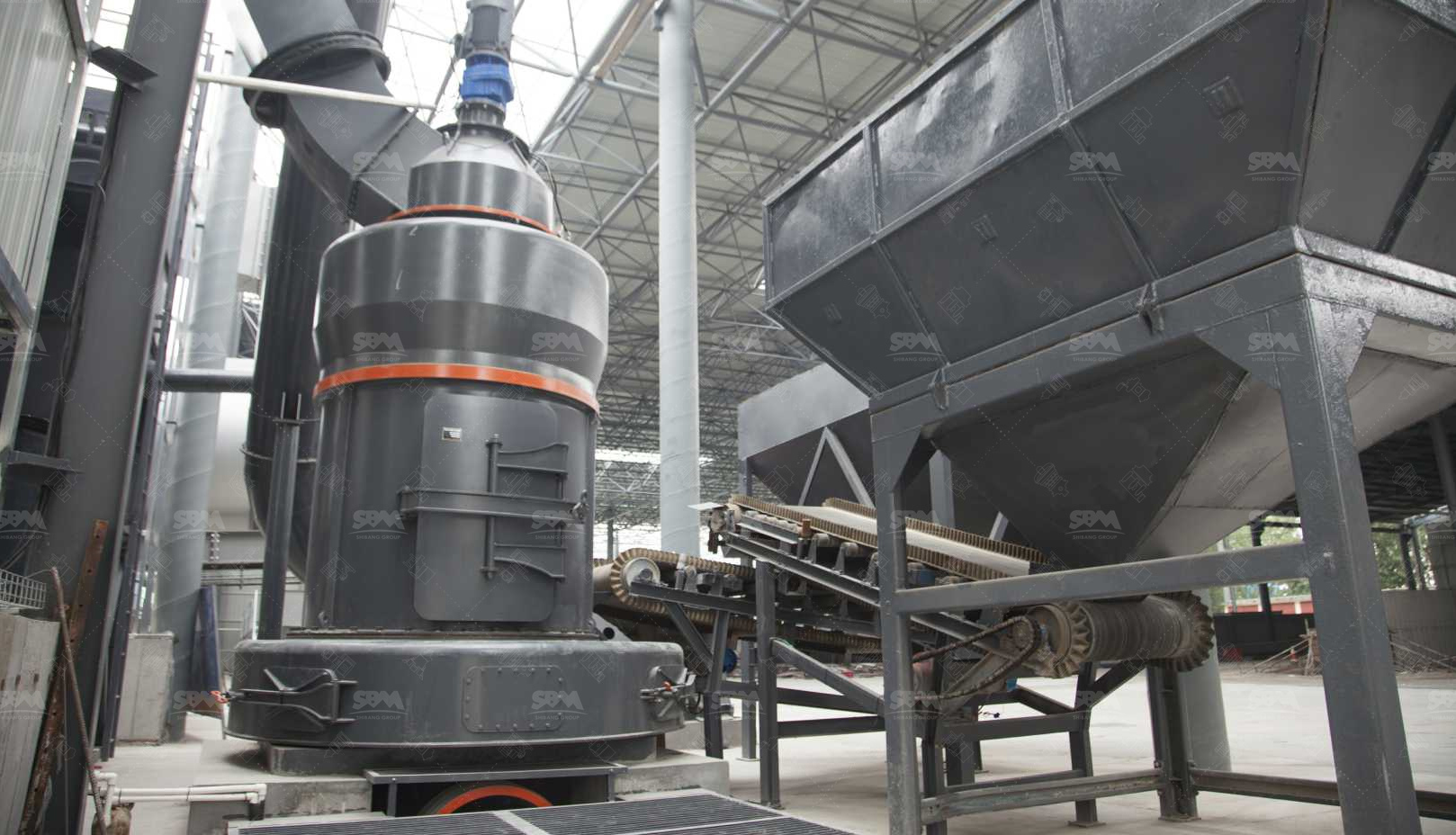
For projects prioritizing minimal floor space, integrated drying-grinding-classifying processes, and lowest possible energy consumption per ton of product, the LM Vertical Grinding Mill is the industry benchmark. Shanghai Zenith’s LM series integrates crushing, grinding, powder selection, drying, and conveying into one unit, offering a remarkably small footprint—a significant advantage in industrial zones.
The material bed grinding principle between the roller and the grinding table is inherently energy-efficient. Hot air from the inlet can dry moisture in the feed material, a feature that, while less critical for dry UAE limestone, ensures process stability. The mill’s high-efficiency classifier ensures precise top-size control, making 80 mesh production reliable and adjustable. Its low noise and full negative pressure operation guarantee a dust-free environment, protecting product purity.
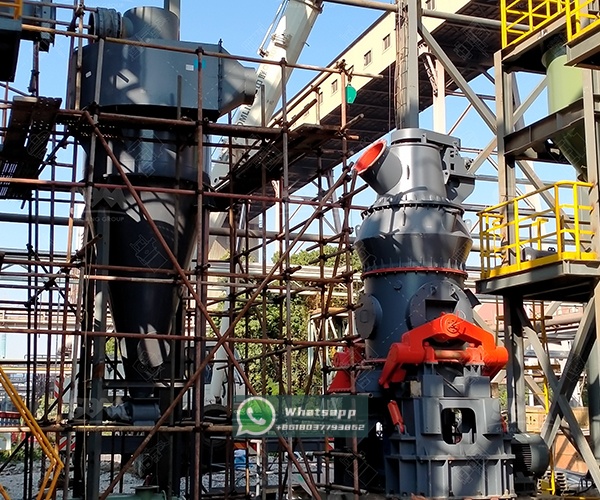
For limestone grinding to 80 mesh, the following LM Vertical Grinding Mill model is highly recommended:
| Model | Plate Diameter (mm) | Capacity (t/h) | Output Fineness (μm) | Main Motor (kW) |
|---|---|---|---|---|
| LM190K | 1900 | 23-68 | 170-40 (approx. 80-400 mesh) | 500 |
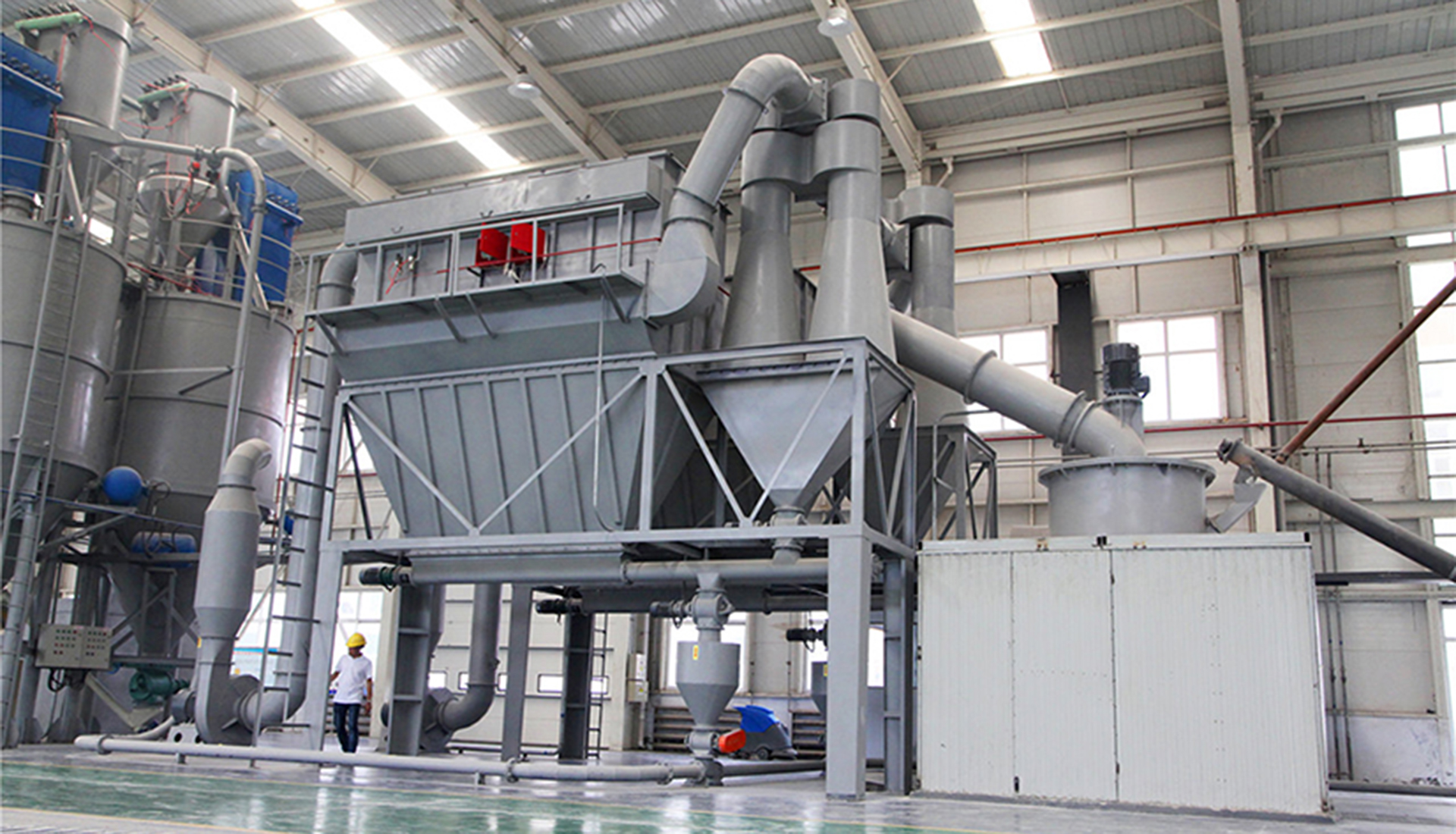
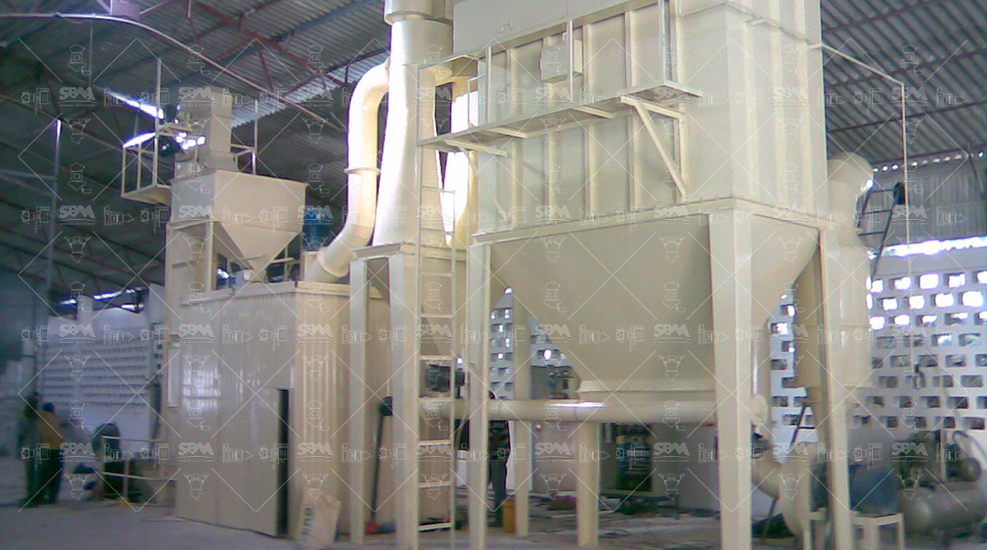
Shanghai Zenith Machinery Co., Ltd. is a leading Chinese manufacturer with a global reputation for excellence in ore and industrial mineral grinding equipment. Our specialization in the research, development, and production of powder grinding systems ensures that every mill is backed by deep engineering expertise. We understand that a grinding plant is a long-term investment, and we provide comprehensive support from initial material testing and layout design to installation, commissioning, and after-sales service. Our equipment, like the MTW and LM series, is designed for durability, ease of maintenance, and intelligent operation, reducing your total cost of ownership and ensuring a consistent supply of high-quality 80 mesh limestone powder for your ceramic production lines in Dubai, Abu Dhabi, Sharjah, and beyond.
The production of high-quality ceramic materials in the UAE hinges on the precise processing of raw materials like limestone. Achieving a consistent 80 mesh powder requires a grinding solution that delivers precision, purity, and efficiency. Modern mills like the MTW European Trapezium Grinding Mill and the LM Vertical Grinding Mill from Shanghai Zenith Machinery are engineered to meet these exact needs. By investing in the right technology, UAE-based ceramic manufacturers can enhance their product quality, optimize production costs, and strengthen their competitive position in both regional and global markets.