The coating industry in the United States is a sophisticated and demanding sector, requiring raw materials of exceptional purity and fineness. Limestone, or calcium carbonate (CaCO3), is a cornerstone filler and extender in paints, coatings, and sealants. It enhances properties such as opacity, durability, weather resistance, and gloss control while reducing formulation costs. The key to unlocking these benefits lies in the grinding process. Producing a consistent, ultra-fine powder with a precise particle size distribution (PSD) is paramount. For small to medium-scale production lines or specialized coating manufacturers, a reliable grinding solution with an output of 1 to 3 tons per hour (TPH) represents an optimal balance between capacity, quality, and operational efficiency.
Grinding limestone for coating applications is not merely about size reduction; it’s about precision engineering of the powder’s characteristics. The target fineness typically ranges from 200 mesh (74 μm) for architectural paints to 600 mesh (23 μm) or even finer (D97 < 10 μm) for high-end industrial and automotive coatings. Achieving this within a 1-3 TPH range presents specific challenges:
Several grinding technologies are available, but not all are equally suited for high-quality coating-grade limestone production.
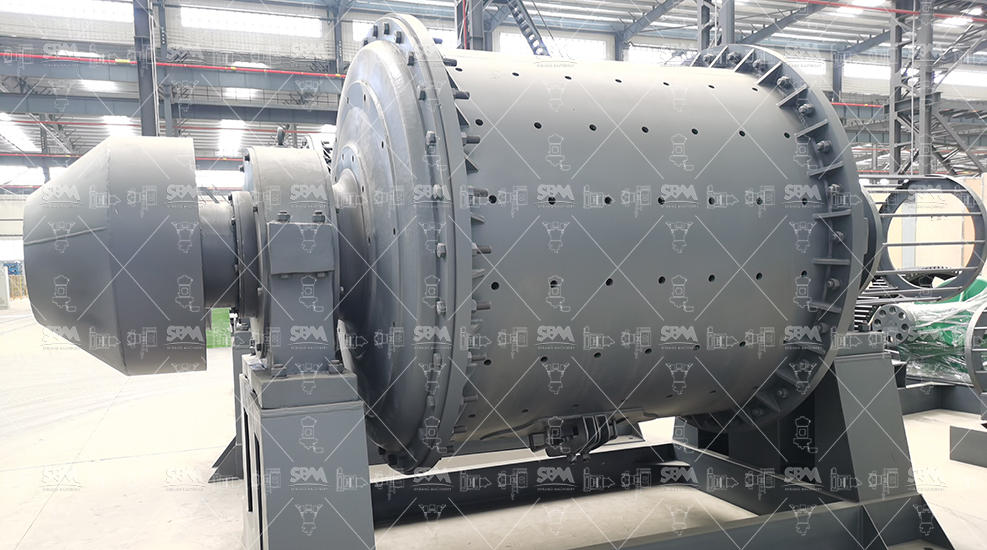
While versatile, ball mills are often less energy-efficient for producing very fine powders. They can lead to wider PSDs and require external classification systems, increasing the overall footprint and complexity for a 1-3 TPH setup.
A proven technology for medium-fine grinding. Modern Raymond mills are more efficient and can be a good fit for producing powders in the 200-400 mesh range for coatings. They offer relatively simple operation and maintenance.
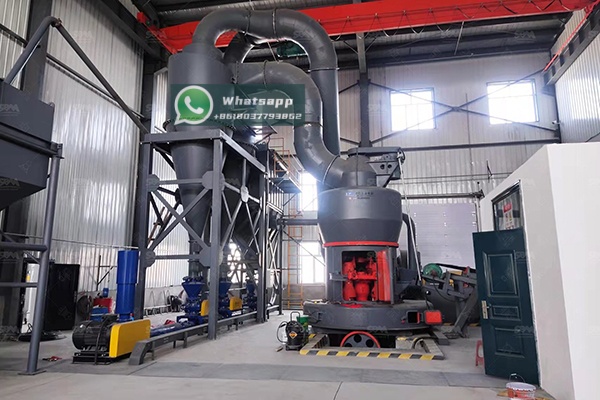
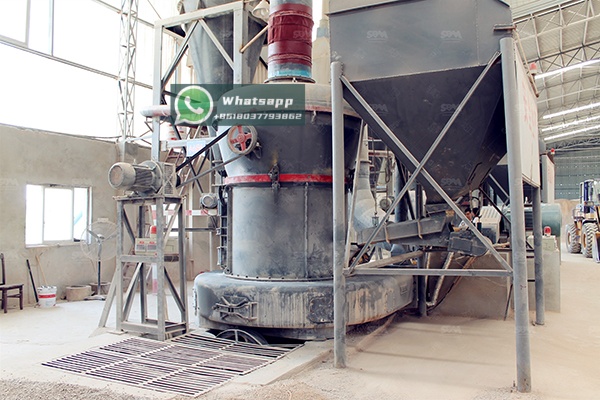
This technology has become a industry standard for efficient grinding. By utilizing a bed of material between rollers and a rotating table, VRMs offer significant advantages in energy savings (30-50% less than ball mills), excellent drying capability (if raw material is moist), and integrated classification. Their compact vertical design saves valuable floor space.
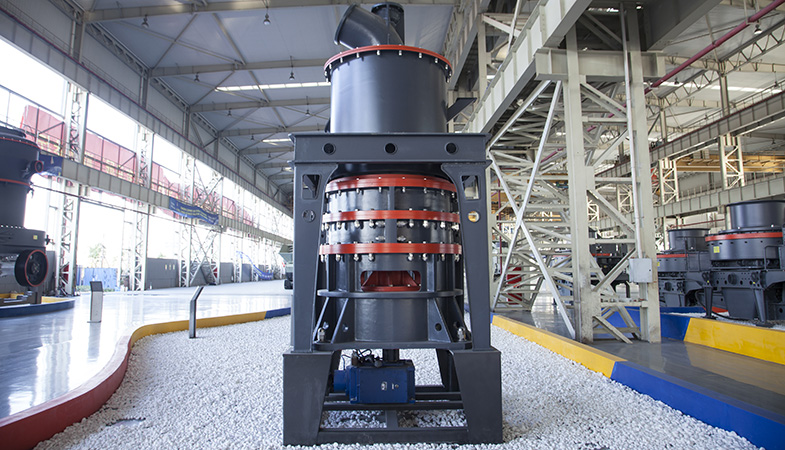
For the highest fineness requirements (600 mesh and beyond), advanced ring roller mills like trapezium mills or ultrafine vertical mills are the preferred choice. They integrate multiple rollers, a dynamic classifier, and often a grinding chamber designed for producing a high percentage of fines with a narrow PSD, which is ideal for premium coatings.
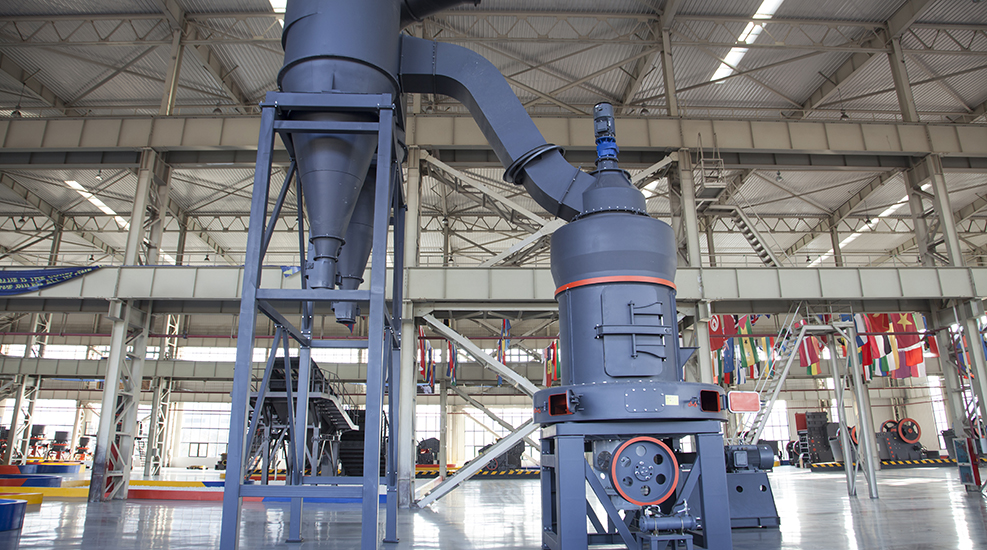
For a robust, efficient, and high-quality solution in the 1-3 TPH range for coating-grade limestone, Shanghai Zenith Machinery Co., Ltd. recommends its MTM Medium-Speed Grinding Mill. As an excellent manufacturer of ore and industrial grinding equipment, Zenith has engineered the MTM series as an ideal upgrade from traditional Raymond mills, incorporating world-leading powder processing technology.
The MTM mill is particularly well-suited for coating production because:
| Model | Ring Roll Number (pcs) | Max. Feed Size (mm) | Output (t/h) | Main Unit Motor Power (kW) |
|---|---|---|---|---|
| MTM100 | 4 | <25 | 3-8 | 37 |
| MTM130 | 5 | <30 | 6-11 | 75 |
For a 1-3 TPH production line, the MTM100 model is an excellent match. Its output range starts at 3 TPH, providing headroom for peak demand while operating efficiently at lower capacities. Its relatively low power requirement (37 kW) translates to lower operational costs.
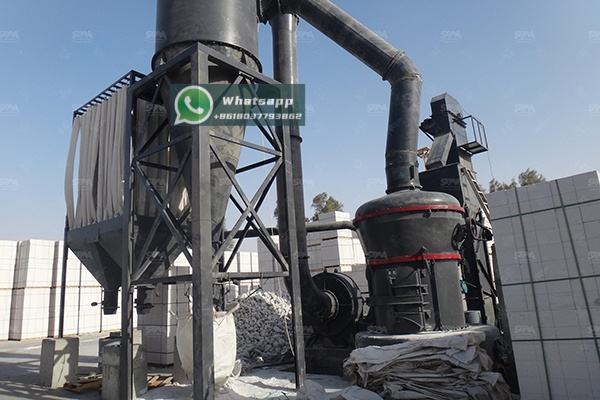
For coating manufacturers targeting the high-end market requiring ultrafine limestone powder (D97 < 10μm or 1250 mesh+), Zenith offers the LUM Ultrafine Vertical Mill. This mill represents the pinnacle of Zenith’s achievements in ultra-fine powder grinding. It integrates grinding, drying, classifying, and conveying into one unit, occupying minimal space—a significant advantage for plant integration.
Key benefits for premium coating production:
| Model | Main Machine Power (kW) | Capacity (t/h) | Size Distribution D97 (μm) |
|---|---|---|---|
| LUM1525 | 220-250 | 1.6-11.5 | 5-30 |
The LUM1525 model, with a capacity starting at 1.6 TPH, is perfectly calibrated for specialized, high-value coating production lines within the 1-3 TPH range, delivering unparalleled product quality.
Selecting the right limestone grinding mill is a strategic decision that impacts product quality, production cost, and operational reliability. For coating producers in the United States targeting the 1-3 TPH output range, the choice between the highly efficient and cost-effective MTM Medium-Speed Grinding Mill and the cutting-edge LUM Ultrafine Vertical Mill depends on the specific fineness and quality requirements of the end product.
Shanghai Zenith Machinery Co., Ltd., with its specialization in research, development, and production of industrial powder grinding equipment, provides not just machinery, but complete technological solutions. By leveraging Zenith’s expertise, coating manufacturers can optimize their limestone grinding process, ensuring they deliver superior products to a competitive market.