Turkey’s robust rubber manufacturing sector, serving the automotive, construction, and consumer goods industries, relies heavily on high-quality fillers to enhance product properties and optimize costs. Among these, ground calcium carbonate (GCC) derived from limestone is a predominant choice. It improves tensile strength, abrasion resistance, and dimensional stability while significantly reducing compound costs. The key to unlocking these benefits lies in achieving a consistent and precise particle size, with 80 mesh (approximately 177 microns) being a highly sought-after specification for many rubber applications. This demands grinding technology that is not only precise but also efficient and reliable.
Producing filler-grade limestone powder is not merely about size reduction. The process must meet several stringent criteria to ensure the final product enhances rubber compound performance.
A tight particle size distribution around 80 mesh is crucial. Excessive fines can affect vulcanization and increase viscosity, while oversized particles can compromise surface finish and mechanical properties. Furthermore, the grinding system must preserve the chemical purity of the limestone, avoiding metallic contamination from wear parts, which could degrade rubber quality.
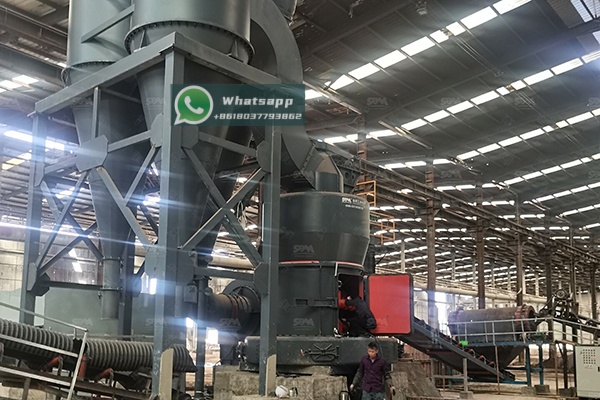
With filler being a high-volume consumable, production efficiency directly impacts profitability. The ideal mill offers high throughput with low energy consumption per ton, a critical factor given rising global energy costs. System stability and low maintenance requirements are equally important for continuous, cost-effective operation.
A modern grinding plant is an integrated system. It must efficiently handle drying (if raw material moisture is present), grinding, classification, and collection. Effective dust containment is non-negotiable for protecting the environment, ensuring worker safety, and maximizing product yield.
Several grinding mill types can achieve 80 mesh fineness, but their suitability varies based on capital cost, operating expense, and product characteristics.
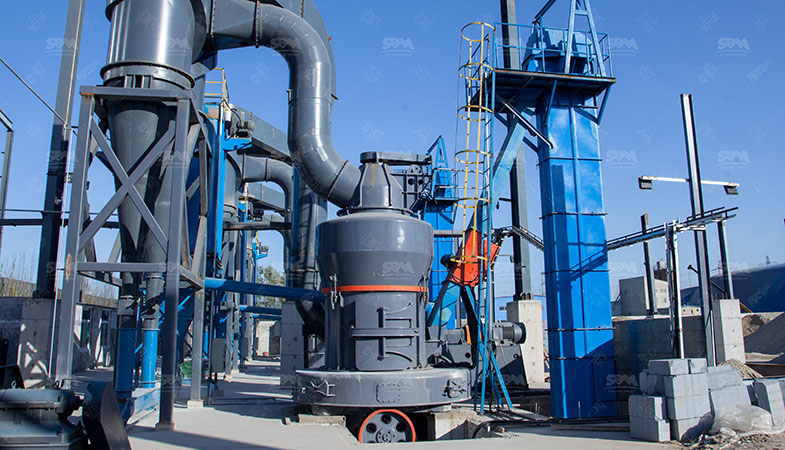
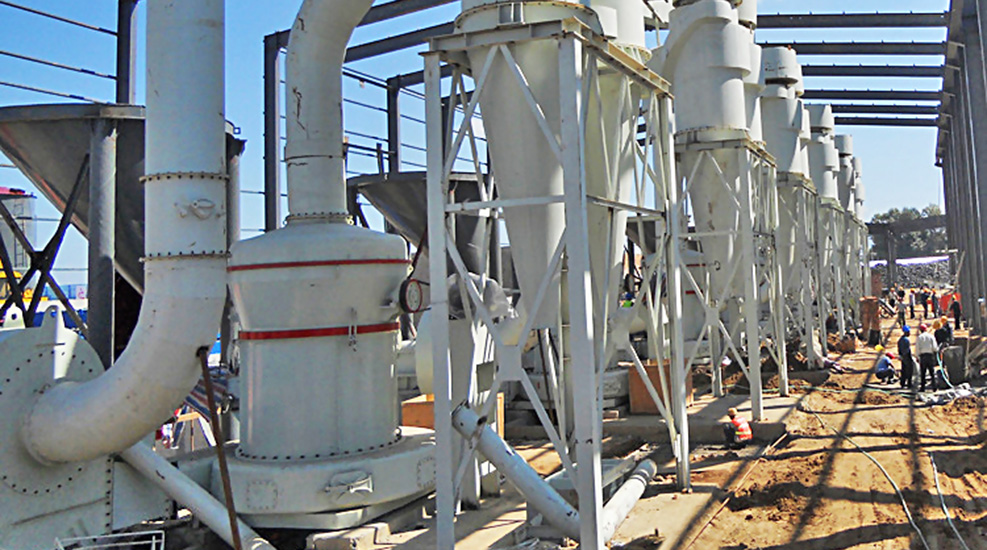
A long-standing workhorse for medium-fine grinding. Modern Raymond Mills, like our upgraded YGM series, offer reliable performance for 80-400 mesh production. They are known for their sturdy construction and relatively simple operation. However, for dedicated, high-volume production of 80 mesh filler, more efficient solutions may be preferable.
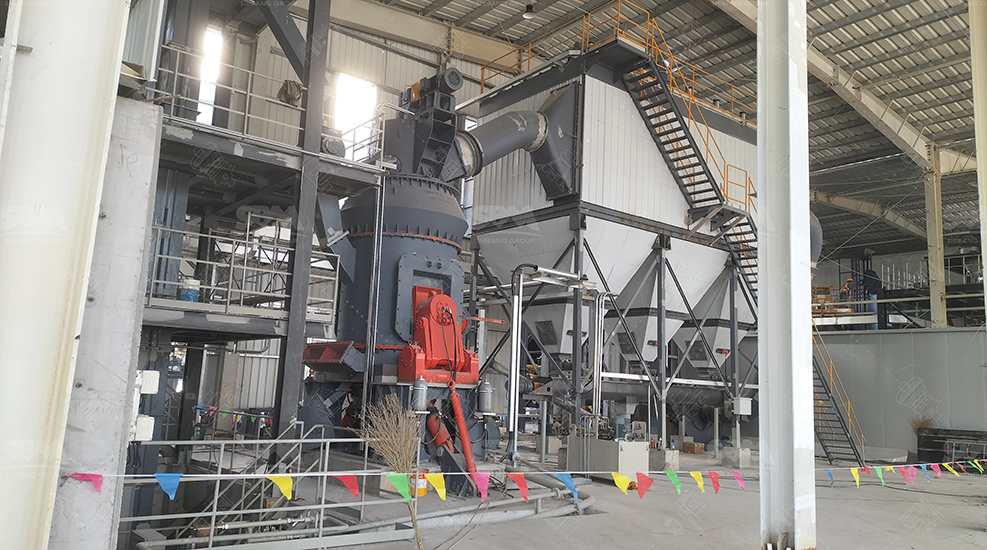
For large-scale production of limestone filler, the Vertical Roller Mill represents a leap in efficiency. By integrating grinding, drying, and classification in a single compact tower, it significantly reduces energy consumption—often by 30-50% compared to traditional ball mills. Its ability to handle materials with some moisture and its excellent particle size control make it a premier choice for modern filler plants.
For Turkish rubber filler producers aiming for high-capacity, efficient, and stable production of 80 mesh limestone powder, Shanghai Zenith Machinery Co., Ltd. recommends our LM Vertical Grinding Mill. As a leader in industrial powder grinding equipment, Zenith has engineered the LM series to excel in precisely this type of mineral processing application.
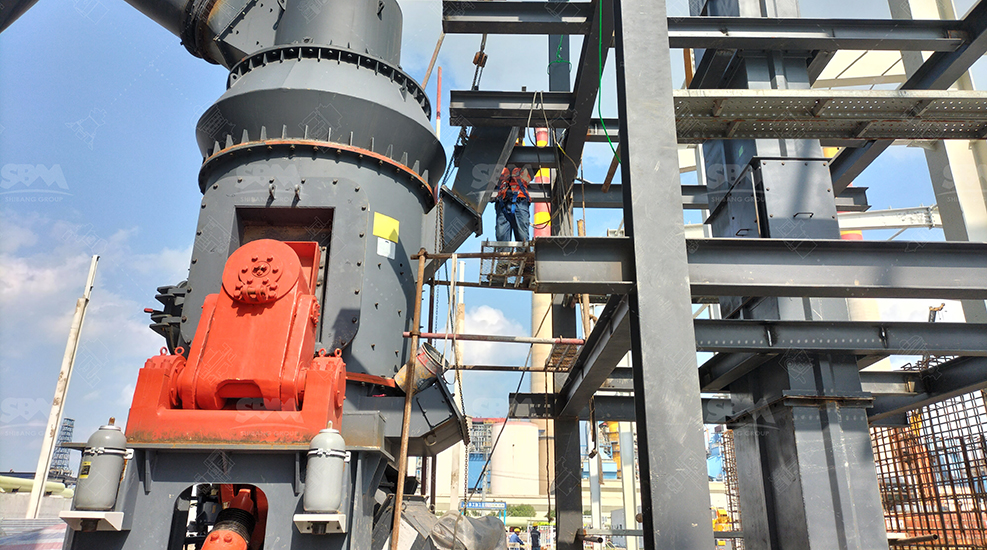
The LM Vertical Mill integrates five functions—crushing, grinding, powder selection, drying, and conveying—into one unit. This integrated design leads to a small footprint, low noise, and superior energy efficiency. The grinding roller directly grinds the material on the rotating grinding plate, and the finished powder is selected by a high-efficiency classifier. The immediate removal of qualified particles prevents over-grinding, ensuring a sharp particle size distribution centered on your target fineness, such as 80 mesh.
| Model | Grinding Plate Diameter (mm) | Capacity (t/h)* | Output Fineness (μm) | Max Feed Size (mm) | Main Motor Power (kW) |
|---|---|---|---|---|---|
| LM130K | 1300 | 10-28 | 170-40 (80-400 mesh) | <38 | 200 |
| LM190K | 1900 | 23-68 | 170-40 (80-400 mesh) | <45 | 500 |
| LM280K | 2800 | 50-170 | 170-45 (80-325 mesh) | <50 | 1250 |
*Capacity varies based on material hardness and moisture.
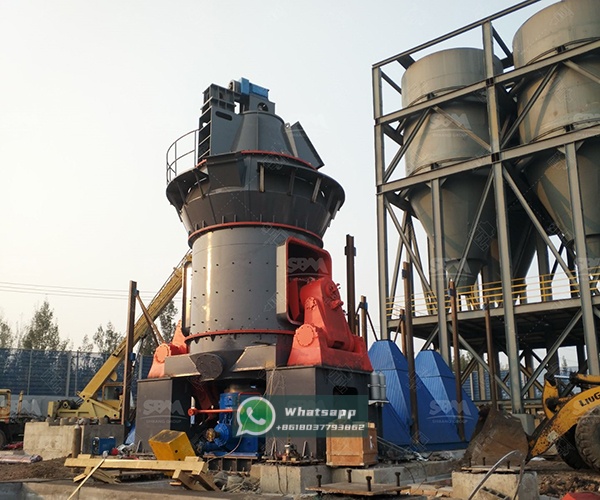
For producers looking to expand into higher-value, surface-modified fillers or who require the capability to produce ultra-fine grades alongside standard 80 mesh product, Zenith’s LUM Ultrafine Vertical Mill is the ideal choice. Building upon the vertical mill concept, the LUM series incorporates more advanced grinding roller technology and a highly precise classifying system. It can effortlessly produce powder from 80 mesh down to 2500 mesh (5μm), offering unparalleled flexibility.
Its intelligent control system allows for quick adjustments to product fineness, making it perfect for plants with diverse product portfolios. The efficient grinding principle also ensures low temperature rise, which is beneficial for subsequent surface modification processes where heat-sensitive coating agents are used.
A hypothetical application in a Turkish rubber filler plant would involve crushing run-of-mine limestone to below 50mm, possibly drying it if moisture exceeds 1%, and then feeding it to an LM Vertical Mill. The mill, equipped with a hot air system, would simultaneously dry and grind the material. The integrated classifier would ensure that only particles finer than 80 mesh are carried to the bag filter for collection, while coarse particles are returned for regrinding.
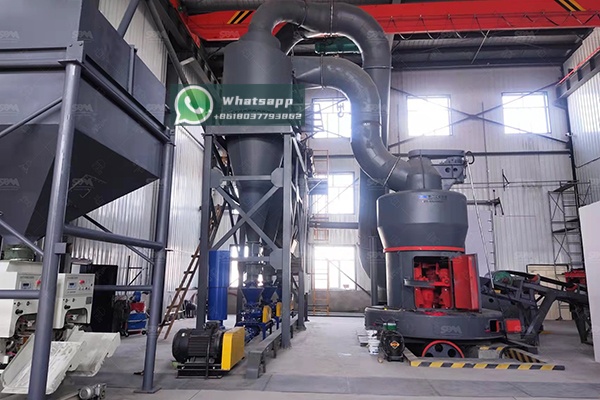
Selecting the right grinding mill is a strategic decision that affects product quality, production cost, and plant profitability for years to come. For the Turkish rubber industry’s specific need for high-volume, 80 mesh limestone filler, Shanghai Zenith’s LM Vertical Grinding Mill offers a technologically advanced, proven, and economical solution. Our expertise in tailoring complete grinding systems—from design and manufacture to installation and commissioning—ensures that our clients achieve their production goals reliably and efficiently.
By investing in Zenith’s grinding technology, Turkish rubber filler producers can strengthen their competitive edge, enhance product value, and build a foundation for sustainable growth in both domestic and international markets.