Pakistan is endowed with vast reserves of high-quality marble, particularly in regions such as Khyber Pakhtunkhwa, Balochistan, and Sindh. The cement industry, one of the backbone sectors of Pakistan’s economy, has increasingly utilized marble powder as a raw material or additive in cement production. Marble, being primarily composed of calcium carbonate (CaCO₃), serves as an excellent source of lime, which is essential for clinker formation. Moreover, finely ground marble powder (typically at 150 mesh, i.e., 100 microns) can be used as a filler to improve the workability, strength, and durability of cement, while also reducing production costs. However, the efficient grinding of marble to this specific fineness requires advanced milling technology that can handle the abrasive nature of the material, maintain consistent product quality, and operate reliably under Pakistan’s challenging environmental conditions, including high temperatures and dust.
The selection of a suitable marble grinding mill is critical for cement plants aiming to optimize their production processes. Factors such as capacity, energy consumption, maintenance requirements, and final product fineness must be carefully evaluated. This article explores the technical requirements for grinding marble to 150 mesh in Pakistan’s cement context, and recommends two high-performance grinding solutions from Shanghai Zenith Machinery Co., Ltd., a leading Chinese manufacturer of ore grinding equipment with extensive experience in ultra-fine powder processing.
In the cement industry, the fineness of raw materials and additives directly influences the quality of the final product. A 150 mesh (approximately 100 microns) specification is commonly adopted for marble powder used as a cement additive. At this fineness, the marble particles can effectively fill the voids between cement grains, enhancing the packing density and reducing water demand. This results in improved compressive strength and reduced permeability of concrete. Additionally, the 150 mesh particle size ensures uniform distribution during the blending process, preventing segregation and ensuring consistent cement quality.
Grinding marble to 150 mesh presents several challenges. Marble has a Mohs hardness of around 3–4, which makes it relatively soft compared to other minerals like quartz or granite. However, its crystalline structure and occasional impurities (e.g., silica, iron oxides) can cause excessive wear on grinding media and mill internals if not properly managed. Therefore, a grinding mill must be designed with wear-resistant components and efficient classification systems to achieve the desired fineness without compromising throughput. Furthermore, the mill should offer flexibility to adjust the product fineness within a narrow range, as slight variations in particle size can affect cement performance.
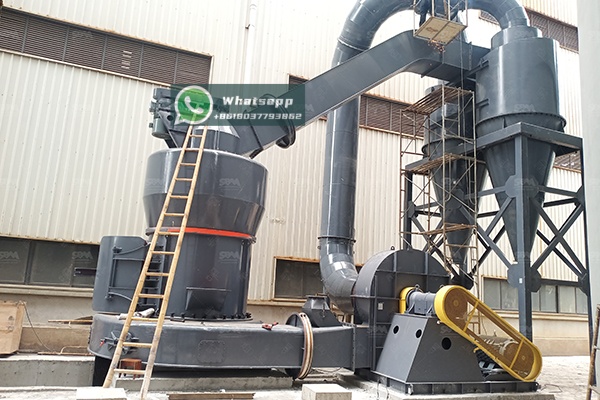
When selecting a marble grinding mill for a cement plant in Pakistan, several operational and economic factors come into play:
Shanghai Zenith Machinery offers a comprehensive range of grinding mills that address all these requirements. Among them, the MTW Trapezium Grinding Mill and the LM Vertical Grinding Mill stand out as optimal choices for marble grinding to 150 mesh in Pakistan’s cement industry.
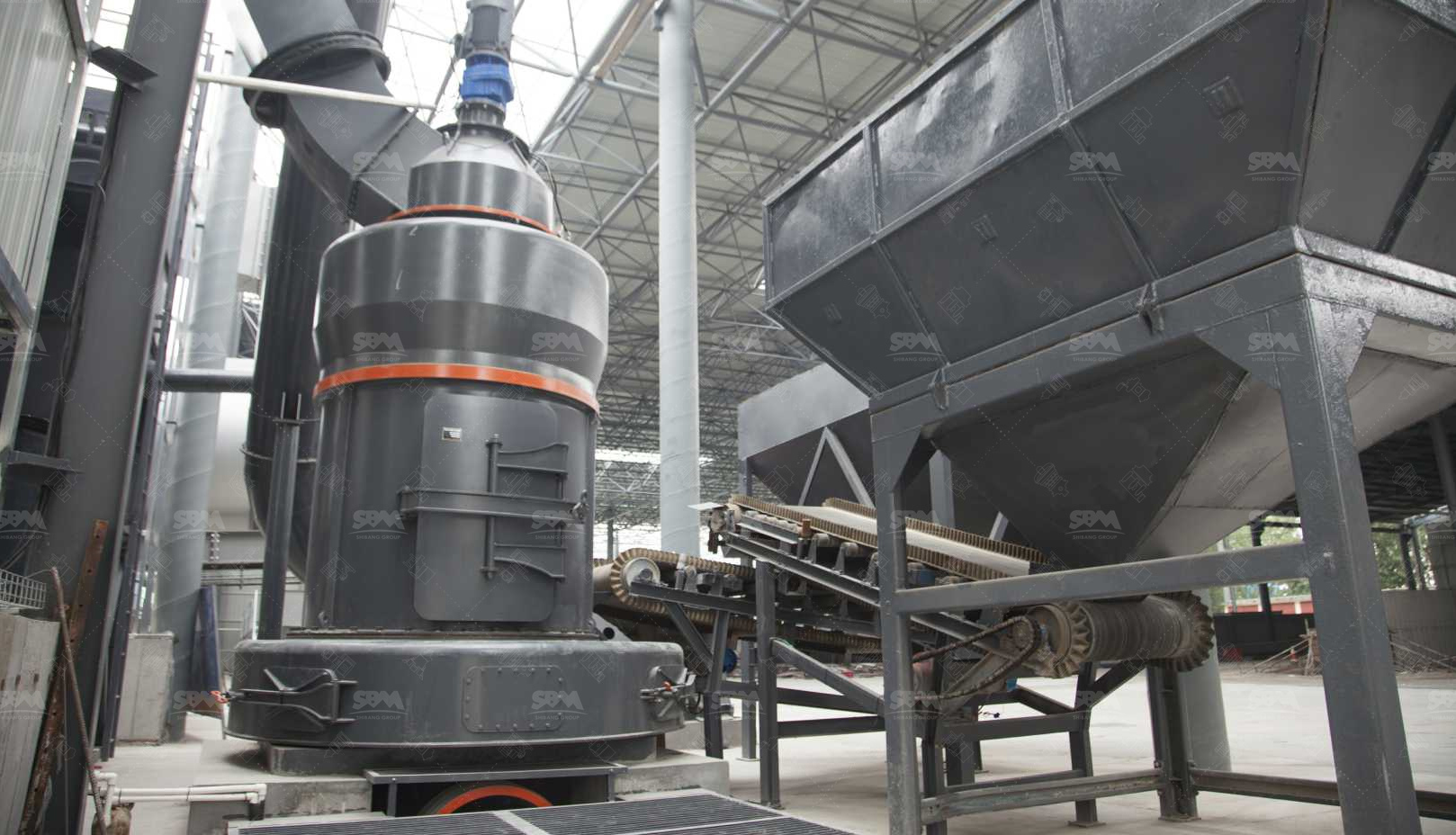
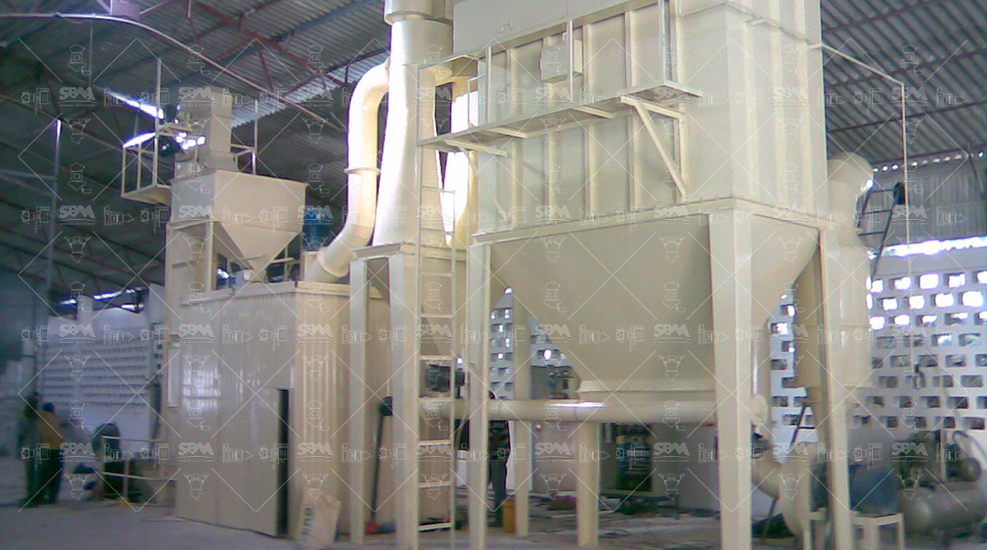
The MTW Trapezium Grinding Mill is a state-of-the-art grinding equipment with multiple patents. Its compact structure, long service life, and eco-friendly design make it particularly suitable for marble grinding in medium-to-large scale cement plants. The mill features a unique trapezium-shaped grinding roller and ring, which significantly increases the grinding area and improves efficiency. The final product fineness can be adjusted from 1.6 mm down to 0.038 mm (400 mesh), easily covering the 150 mesh target. The following table presents the technical parameters of the MTW175G model, which is ideal for achieving a capacity of around 15–25 tons per hour for marble grinding:
| Model | Max. Feed Size (mm) | Final Size (mm) | Capacity (t/h) | Main Motor (kW) | Fan Motor (kW) |
|---|---|---|---|---|---|
| MTW175G | <40 | 1.6 – 0.045 | 9.5 – 25 | 160 | 200 |
The MTW175G can produce marble powder with a fineness of 150 mesh (0.1 mm) at a rate exceeding 20 tons per hour, depending on the specific hardness and moisture content of the feed material. Its intelligent control system allows operators to adjust the classifier speed to precisely maintain the target fineness. Additionally, the mill is equipped with a pulse dust collector to minimize emissions, which is essential for meeting Pakistan’s environmental standards. The use of high-chromium alloy wear parts ensures extended service life, reducing the frequency of replacement and associated downtime.
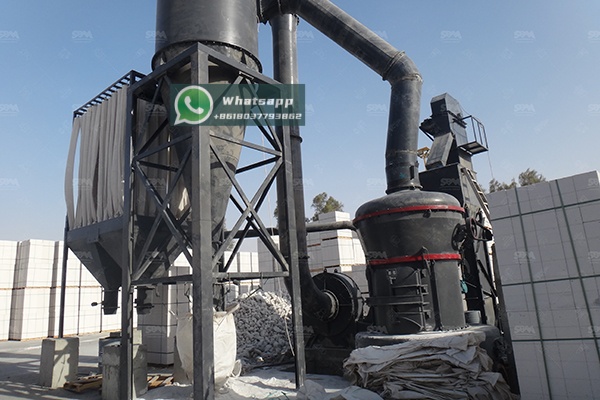
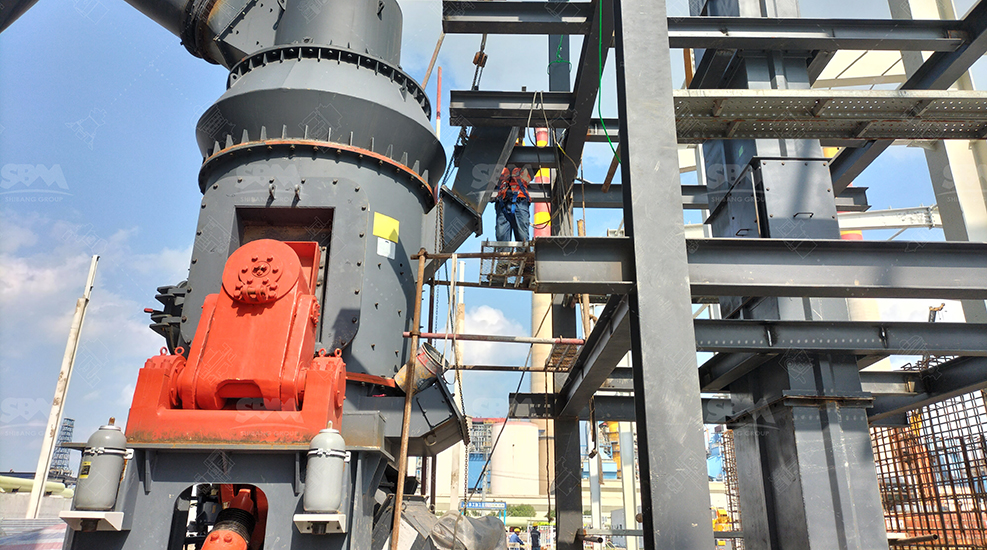
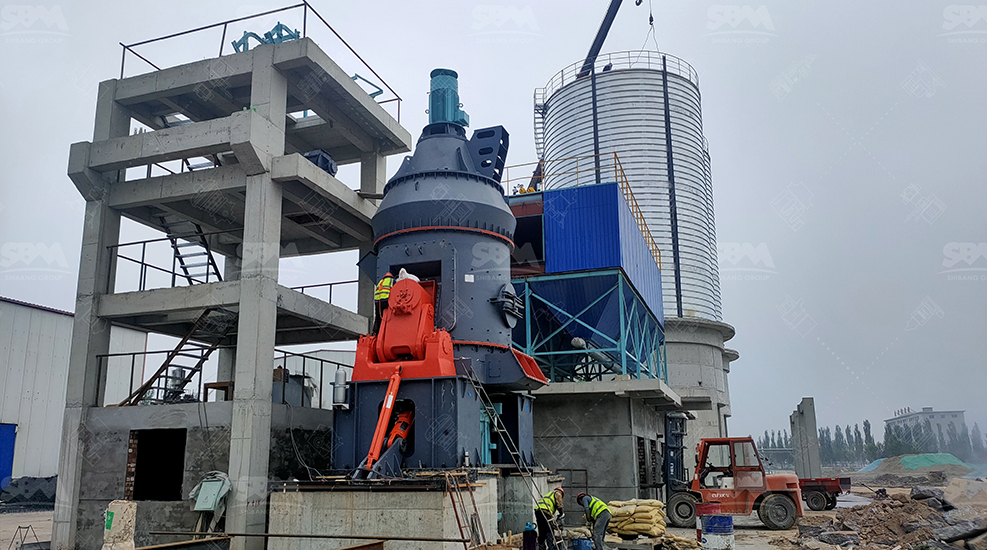
For larger cement plants requiring even higher capacities and integrated processes, the LM Vertical Grinding Mill is an excellent alternative. This mill integrates crushing, grinding, drying, classifying, and material conveying into a single unit, offering a compact footprint and simplified operation. The LM190K model, with a plate diameter of 1900 mm, can process up to 68 tons per hour of marble, making it suitable for large-scale cement production lines. The final product fineness ranges from 170 to 40 microns (approximately 90 to 400 mesh), comfortably accommodating the 150 mesh specification. Key parameters are listed below:
| Model | Plate Diameter (mm) | Capacity (t/h) | Output Fineness (μm) | Max Feed Size (mm) | Main Motor (kW) |
|---|---|---|---|---|---|
| LM190K | 1900 | 23 – 68 | 170 – 40 | <45 | 500 |
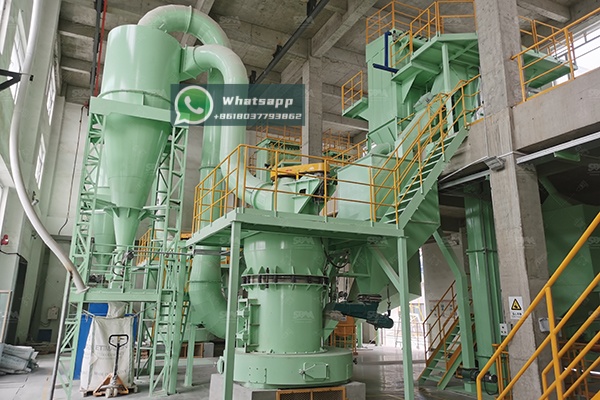
The LM Vertical Mill’s unique design ensures that the grinding rollers are in direct contact with the grinding table, applying high compressive forces that effectively break down the marble particles. The built-in classifier uses a high-efficiency rotor to separate fine particles from coarse ones, ensuring that the final product consistently meets the 150 mesh requirement. Moreover, the mill’s vertical structure reduces floor space by up to 50% compared to traditional ball mills, which is a significant advantage for cement plants with limited expansion area. The LM series also offers automatic lubrication and remote monitoring capabilities, reducing the need for manual intervention and improving overall equipment reliability.
Both the MTW Trapezium Mill and the LM Vertical Mill are capable of producing high-quality marble powder at 150 mesh. The choice between them depends on the specific requirements of the cement plant:
Shanghai Zenith Machinery also provides complete technical support, including site assessment, installation supervision, and after-sales service, ensuring that Pakistani cement producers achieve optimal performance from their selected equipment.
The use of marble powder at 150 mesh is a proven strategy to enhance cement quality and reduce production costs in Pakistan. By investing in advanced grinding technology from Shanghai Zenith Machinery, cement plants can achieve consistent product fineness, high throughput, and low operating expenses. The MTW Trapezium Grinding Mill and the LM Vertical Grinding Mill represent two world-class solutions that have been successfully deployed in numerous cement plants globally, including in regions with conditions similar to Pakistan. As the country continues to expand its infrastructure and housing projects, the demand for high-quality cement will only grow. Efficient marble grinding is a key step in meeting that demand sustainably.
For further information or to request a tailored proposal for your marble grinding project, please contact Shanghai Zenith Machinery Co., Ltd. Our team of experts is ready to assist you in selecting the right mill that fits your capacity, budget, and operational goals.