Indonesia has become a key energy and industrial market in Southeast Asia. Coal-fired power plants, nickel smelters, cement plants, and industrial boilers all face increasing pressure to control sulfur dioxide emissions. In flue gas desulfurization (FGD), marble and limestone are valuable calcium carbonate sorbents. When ground to 150 mesh, approximately 100 microns, marble powder provides a practical balance between reactivity, slurry behavior, and grinding cost. Choosing a reliable grinding mill is therefore essential for stable 150 mesh production. Shanghai Zenith Machinery Co., Ltd., an excellent manufacturer of ore grinding equipment in China, has achieved strong results in industrial and ultra-fine powder grinding. Its MTW Trapezium Grinding Mill and LM Vertical Grinding Mill are well suited to marble desulfurization projects in Indonesia.
Desulfurization efficiency depends on the chemical reactivity of the sorbent and the surface area available for reaction. In wet, semi-dry, and dry FGD processes, calcium carbonate reacts with sulfur dioxide to form calcium sulfite or calcium sulfate. The reaction begins at the particle surface. If the marble powder is too coarse, the reaction is slow and sorbent utilization is low. If the powder is too fine, grinding energy, wear, and dust control costs increase. A 150 mesh product, roughly 100 microns, is often selected for industrial desulfurization systems where moderate fineness and high throughput are required. For some wet FGD systems, finer powders such as 250 or 325 mesh may be preferred, but 150 mesh is widely accepted in dry injection, semi-dry scrubbers, fluidized bed systems, and as a pre-ground feed for further processing.
Consistent particle size distribution is just as important as the top size. A good 150 mesh marble powder should have controlled oversize, limited fines, and stable flowability. This helps dosing systems, slurry tanks, and injection nozzles operate without blockage or fluctuation. Shanghai Zenith grinding mills use dynamic classifiers and optimized grinding curves to produce a stable 150 mesh product with low noise, low dust, and high energy efficiency.
Indonesia has abundant limestone and marble resources across Java, Sumatra, Sulawesi, Kalimantan, and Papua. Marble is a metamorphic form of limestone with high calcium carbonate content. Its Mohs hardness is generally 3 to 4, making it softer than granite and many mineral ores. This is favorable for grinding, but tropical humidity and rainy seasons can increase raw material moisture. Moisture can cause sticking, reduced capacity, and unstable classification. Therefore, Indonesian desulfurization projects often benefit from grinding systems with drying capability, enclosed feeding, and reliable dust collection.
The Indonesian market also has specific operational requirements. Many plants are located near coastal areas or remote industrial parks. Equipment must be robust, easy to maintain, and supported by spare parts availability. Energy costs and production continuity are major concerns. A grinding mill that combines high capacity, low specific energy consumption, and long wear life can significantly reduce the total cost of desulfurization powder production.
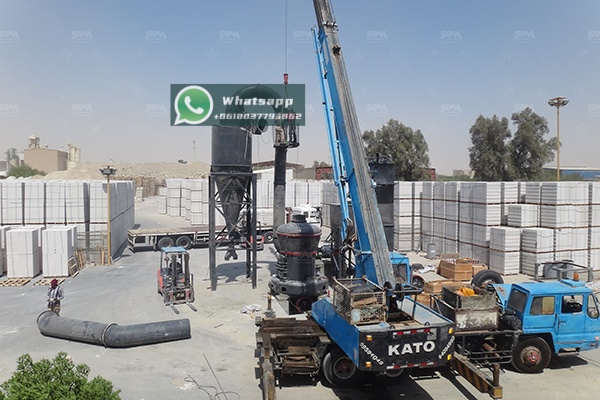
Before choosing a mill, project engineers should review several technical factors. These include required capacity in tons per hour, maximum feed size, target fineness, raw material moisture, calcium carbonate purity, abrasiveness, and the final use of the powder. For 150 mesh production, the mill must be able to produce a stable product at the desired cut point while maintaining low vibration and reasonable wear rates. Automation, remote monitoring, and safety features are also important for modern plants.
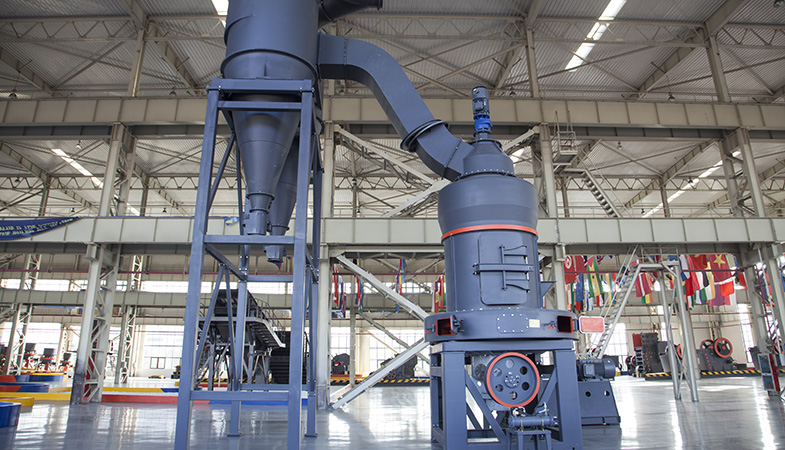
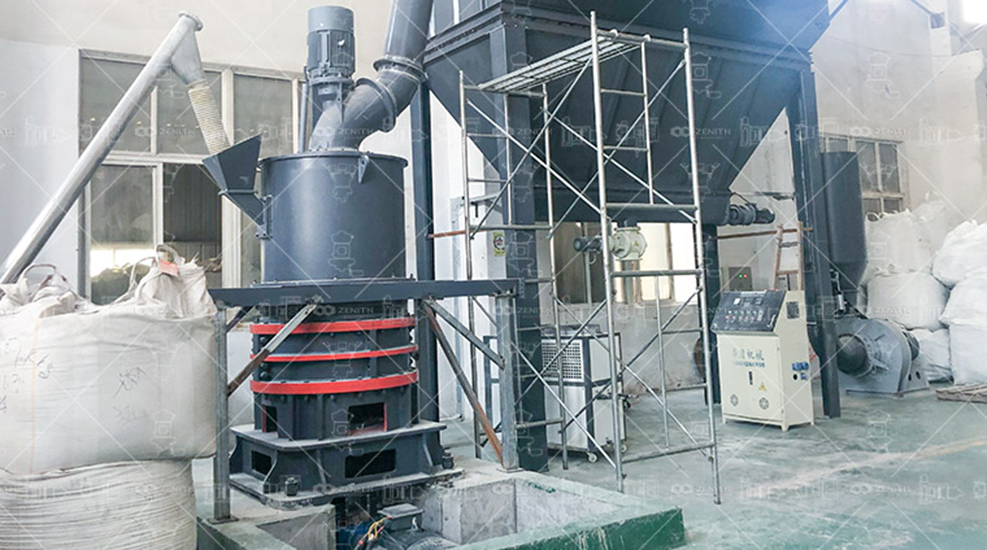
The MTW Trapezium Grinding Mill is a flagship product from Shanghai Zenith Machinery. It is a grinding mill with multiple patents, known for its compact structure, long service life, and eco-friendly design. It is suitable for processing materials with a maximum input size of 50 mm and can produce a final product as fine as 0.038 mm. For 150 mesh marble powder, the MTW mill is an excellent choice because it offers flexible fineness control, high classification efficiency, and stable operation. Models such as MTW138Z, MTW175G, and MTW215G can match small, medium, and large desulfurization projects in Indonesia.
| Model | Max. Feed Size (mm) | Final size (mm) | Capacity (t/h) | Main motor (kW) | Fan motor (kW) |
|---|---|---|---|---|---|
| MTW110 | <30 | 1.6-0.045 | 3-9 | 55 | 55 |
| MTW110Z | <30 | 1.6-0.045 | 3-10 | 55 | 55 |
| MTW138Z | <35 | 1.6-0.045 | 6-17 | 90 | 110 |
| MTW175G | <40 | 1.6-0.045 | 9.5-25 | 160 | 200 |
| MTW215G | <50 | 1.6-0.045 | 15-45 | 280 | 315 |
With the MTW mill, marble can be ground to 150 mesh at a capacity that matches the project scale. The curved blade, bevel gear transmission, and high-density classifier help reduce energy loss and improve powder quality. The system can be equipped with a bag filter, cyclone, and powder silo for a complete desulfurization powder production line.
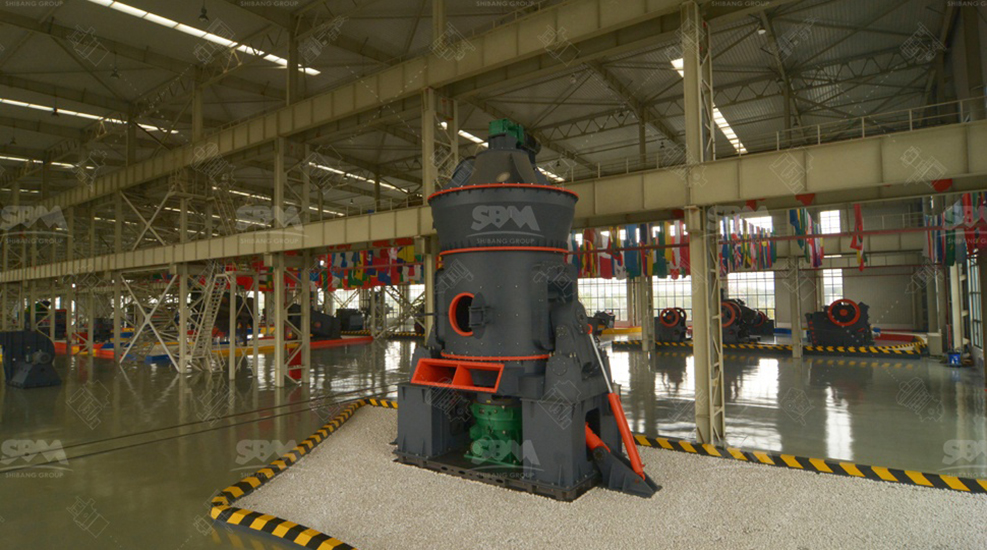
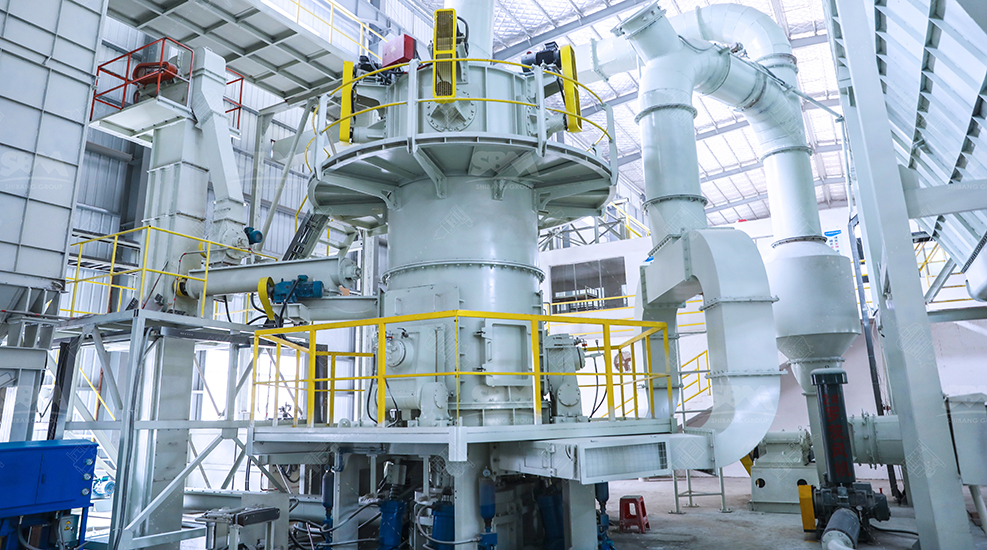
For larger Indonesian desulfurization projects, the LM Vertical Grinding Mill is another strong recommendation. It integrates five functions, crushing, grinding, powder selection, drying, and material conveying, into a single machine. It offers a small occupational area, produces a fine final powder, and is an eco-friendly production solution. The LM Vertical Mineral Mill Series can produce output fineness from 170 to 40 microns, which covers the 150 mesh target of about 100 microns. It is especially suitable for high-capacity marble grinding stations and plants that need drying in humid conditions.
| Model | Plate diameter (mm) | Capacity (t/h) | Output fineness (μm) | Max feed size (mm) | Main motor (kW) |
|---|---|---|---|---|---|
| LM130K | 1300 | 10-28 | 170-40 | <38 | 200 |
| LM190K | 1900 | 23-68 | 170-40 | <45 | 500 |
| LM280K | 2800 | 50-170 | 170-45 | <50 | 1250 |
The LM mill uses a vertical grinding table and rollers, which results in low noise, low wear, and efficient drying. Hot air can be introduced into the mill to remove moisture while grinding. This is a major advantage in Indonesia, where rainfall and humidity can affect raw material handling. The LM mill also has a compact footprint, making it easier to integrate into existing plants or new industrial parks.
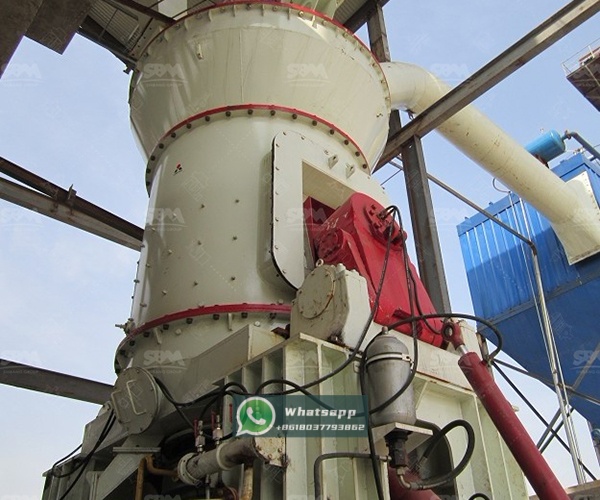
A typical 150 mesh marble desulfurization powder line includes raw material storage, crushing, screening, grinding, classification, dust collection, powder storage, and packing. If the marble feed is large, a jaw crusher and cone crusher may be used to reduce it to the mill feed size. A vibrating screen helps remove oversize and foreign material. The grinding mill then produces 150 mesh powder. The classifier returns coarse particles to the grinding zone, while fine powder enters the cyclone and bag filter. Finished powder is stored in a silo and can be delivered by truck, bulk tanker, or bags.
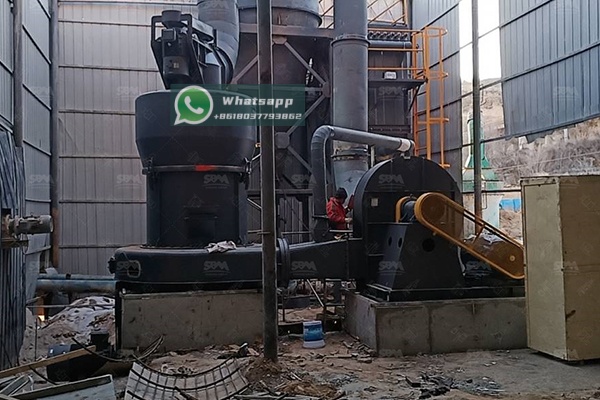
Indonesian marble grinding projects should account for feed variability, humidity, and logistics. If the raw material contains clay or moisture, a vertical mill with drying capability is often preferred. If the project has limited capital and moderate capacity, the MTW mill can provide a compact and cost-effective solution. Regular maintenance, wear-part inspection, and proper lubrication are essential for long-term performance. Shanghai Zenith provides engineering support, process design, installation guidance, commissioning, and spare parts service to help Indonesian customers achieve stable production.
Quality control should include sieve analysis, moisture testing, calcium carbonate content analysis, and reactivity testing. A 150 mesh specification generally means most particles pass a 150 mesh sieve. In practice, the target may be expressed as 90 percent passing 150 mesh or a D97 around 100 to 150 microns, depending on the desulfurization system. The powder should be dry, free-flowing, and consistent. Shanghai Zenith mills can be adjusted to meet different cut points, allowing plants to optimize between reactivity and production cost.
Shanghai Zenith Machinery Co., Ltd. is an excellent manufacturer of ore grinding equipment in China. The company specializes in research, development, and production of industrial powder grinding equipment and related devices. Its main products include MTW Trapezium Grinding Mill, Ball Mill, MTM Medium-Speed Grinding Mill, Raymond Mill, LM Vertical Grinding Mill, LUM Ultrafine Vertical Mill, XZM Ultrafine Grinding Mill, and Hammer Mill. For 150 mesh marble desulfurization in Indonesia, Zenith can recommend the most suitable mill based on capacity, moisture, and fineness requirements. The company also supports customized production lines, automation systems, and environmental protection equipment.
Marble grinding for desulfurization in Indonesia is a growing industrial opportunity. A reliable 150 mesh powder production system can improve SO2 removal efficiency, reduce sorbent waste, and support environmental compliance. The MTW Trapezium Grinding Mill and LM Vertical Grinding Mill from Shanghai Zenith Machinery are two proven solutions for this application. The MTW mill is compact, flexible, and suitable for small to large capacities. The LM vertical mill is ideal for high-capacity projects and humid materials because it combines grinding and drying in one unit. By selecting the right equipment and configuring a complete production line, Indonesian power plants, smelters, and industrial boilers can achieve stable, efficient, and cost-effective desulfurization powder production.