Sulfur dioxide (SO2) emissions from industrial processes represent a serious environmental challenge. In Myanmar, with the rapid development of power generation, cement production, refining, and industrial manufacturing, the demand for flue gas desulfurization (FGD) systems has increased significantly. Among the many available absorbents, finely ground marble is an attractive option because of its high calcium carbonate content and widespread availability. A marble grinding mill for desulfurization in Myanmar with a capacity of 10-20 tph is often required to support a mid-sized FGD unit. Choosing the correct mill directly influences operating cost, product fineness, and system reliability.
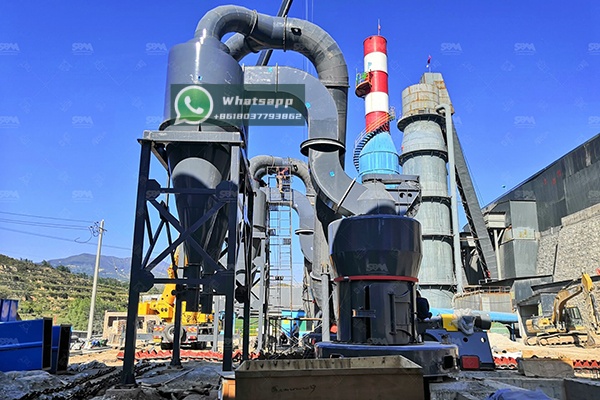
Wet limestone scrubbing is the most common FGD technology. The process uses a slurry of calcium carbonate to contact the flue gas and neutralize SO2. Marble, which is essentially metamorphosed limestone containing more than 90 percent calcium carbonate, can be ground into a fine powder and suspended in water to form the scrubbing slurry. The reaction can be summarized as follows:
CaCO3 + SO2 + ½ O2 + 2H2O → CaSO4·2H2O + CO2.
For the reaction to occur efficiently, the marble powder must have a sufficiently large surface area. Fineness of 250 mesh (~45 μm) or 325 mesh (~40 μm) is a common specification for FGD systems. A high-performance marble grinding mill must therefore produce a consistent particle size distribution while maintaining a capacity of 10-20 tph.
Myanmar is endowed with abundant mineral resources, including high-quality marble deposits in regions such as Mandalay, Sagaing, Hpa-An, and other provinces. Locally sourced marble can reduce raw material cost for desulfurization projects. At the same time, the country is expanding its energy capacity, with new coal-fired power plants and industrial parks. These facilities must comply with increasingly strict emission limits, creating demand for reliable FGD systems and supporting grinding equipment.
In remote and semi-urban locations, power supply may be unstable, and maintenance support may be limited. Thus, the ideal marble grinding mill for Myanmar projects should be robust, energy-efficient, and easy to operate. A 10-20 tph machine is well suited for the scale of many new industrial projects, and it provides enough buffer to accommodate fluctuations in feed quality and operating schedules.
For a desulfurization plant that needs 10-20 tph of dry marble powder, the grinding mill should have a rated capacity that is slightly above the required minimum to avoid continuous operation at full load. The mill must also be able to adjust the fineness according to the slurry preparation system. Typical target European requirements include: residue on 45 μm sieve, or D97 less than 45 μm. For this reason, both trapezium and vertical roller mill technologies are appropriate.
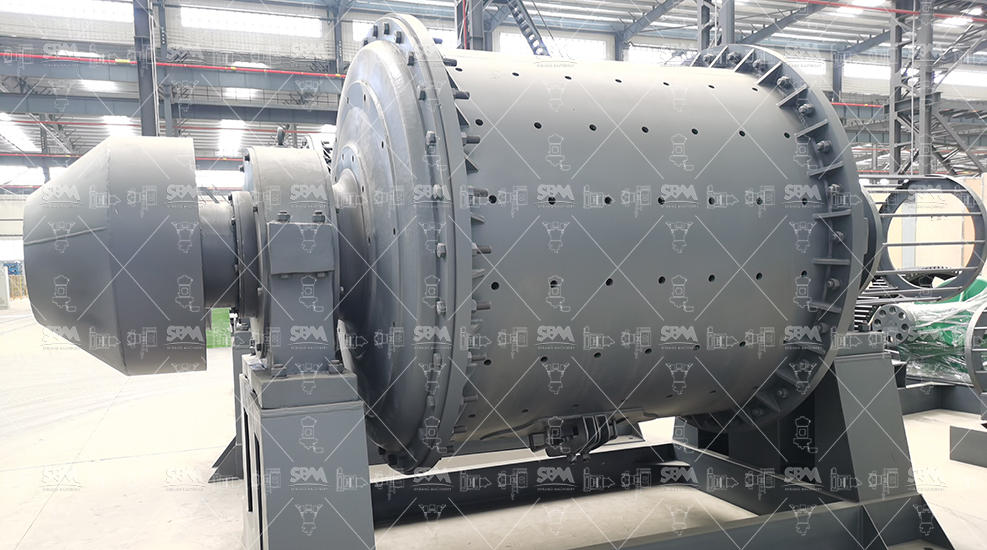
Ball mills are traditional, but they are not always the most energy-efficient solution for fine grinding to FGD fineness. Raymond mills have lower capacity and are better suited to smaller plants. High-pressure trapezium mills and vertical roller mills offer an attractive balance of efficiency, floor space, and reliability. In this article, we recommend two proven Zenith models for the 10-20 tph range.
Shanghai Zenith Machinery Co., Ltd. is an excellent manufacturer of ore grinding equipment in China and has made great achievements in the field of ultra-fine powder grinding. The company specializes in the research, development, and production of industrial powder grinding equipment and related devices. Its main product lines include the MTW Trapezium Grinding Mill, LM Vertical Grinding Mill, MTM Medium-Speed Grinding Mill, Raymond Mill, LUM Ultrafine Vertical Mill, XZM Ultrafine Grinding Mill, and Hammer Mill. For marble grinding for desulfurization in Myanmar, Zenith offers the MTW175G and the LM130K as the most suitable choices.
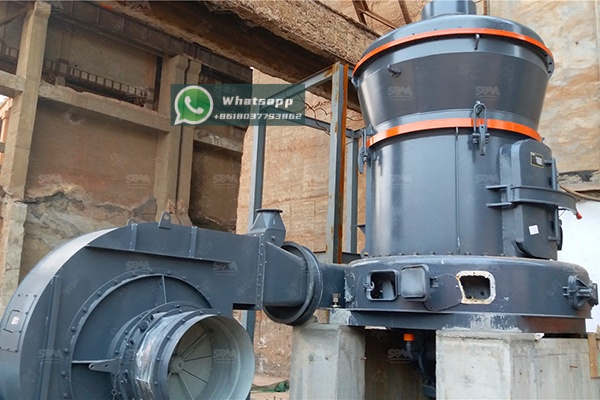
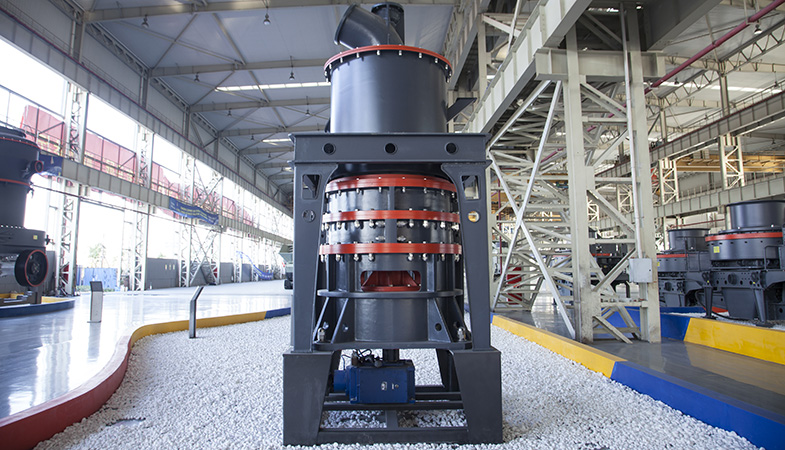
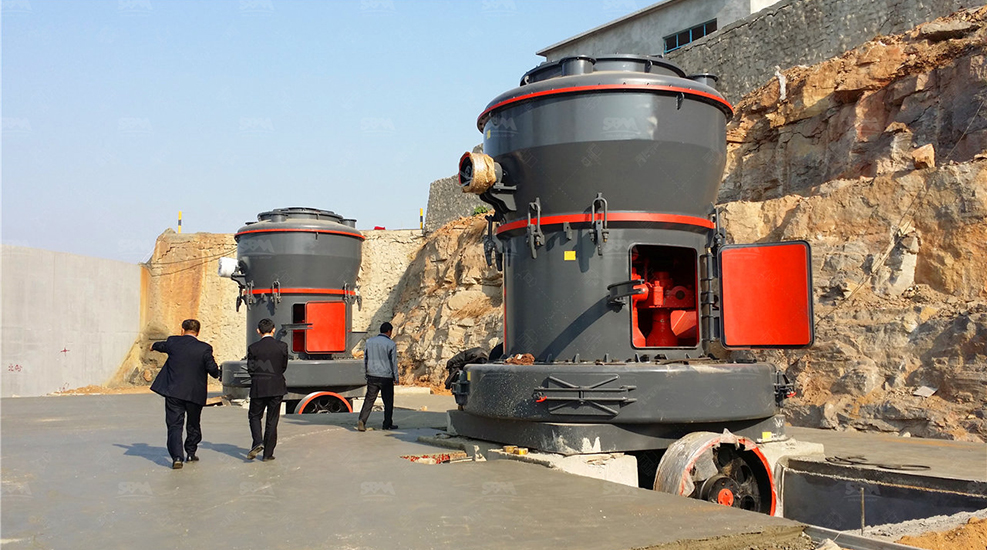
The MTW series is a grinding mill with multiple patents, known for compact structure, long service life, and eco-friendly design. The MTW175G receives a maximum feed size of less than 40 mm and can fine-grind marble to a particle size of 0.045 mm. It has a capacity range of 9.5-25 t/h, which comfortably covers the 10-20 tph specification. The main motor power is 160 kW, and the fan motor power is 200 kW. The MTW175G is particularly recommended when the operator wants high capacity per unit area, low energy consumption, and stable performance. Its internal classifier ensures the final powder is uniform enough for FGD slurry preparation.
| Parameter | MTW175G |
|---|---|
| Max. Feed Size (mm) | <40 |
| Final Size (mm) | 1.6-0.045 |
| Capacity (t/h) | 9.5-25 |
| Main Motor Power (kW) | 160 |
| Fan Motor Power (kW) | 200 |
For projects that prefer vertical milling technology, the LM130K from Zenith’s Vertical Mineral Mill Series is an excellent alternative. It integrates crushing, grinding, powder selection, drying, and material conveying in a single machine. The LM130K has a table diameter of 1300 mm, a maximum feed size of 38 mm, a capacity of 10-28 t/h, and an output fineness between 170 μm and 40 μm. Its main motor uses 200 kW. The LM130K is especially valuable when the raw marble has a relatively high moisture content because the vertical mill can use hot air for drying while grinding.
| Parameter | LM130K |
|---|---|
| Plate Diameter (mm) | 1300 |
| Capacity (t/h) | 10-28 |
| Output Fineness (μm) | 170-40 |
| Max Feed Size (mm) | <38 |
| Main Motor Power (kW) | 200 |
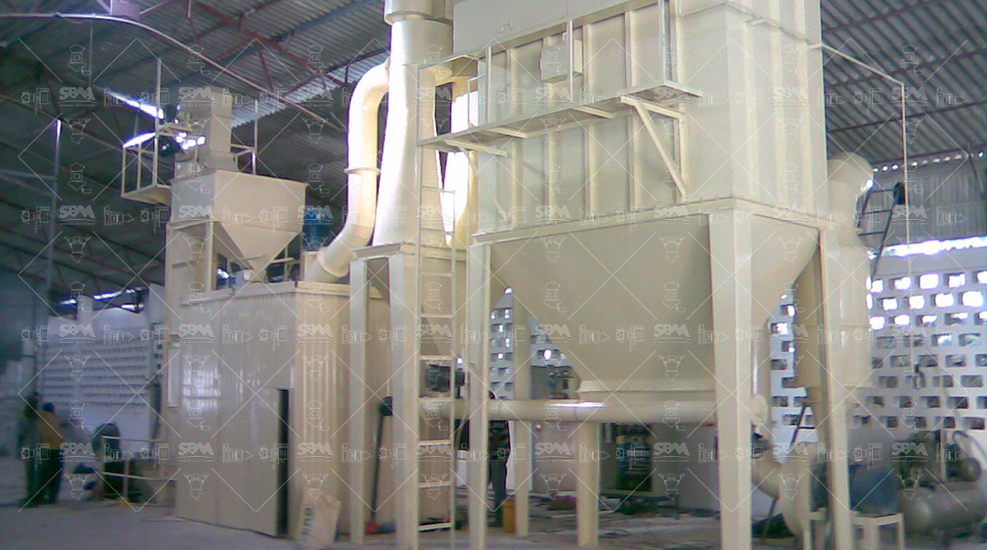
A well-designed grinding system does more than just grind. In a typical Zenith configuration, raw marble is first crushed by a jaw crusher or hammer crusher until it is smaller than the mill’s maximum feed size. The crushed marble is then transported to a feed hopper. A vibrating feeder or belt feeder transfers the material into the mill. Inside the MTW175G, the marble is ground between the grinding roller and ring. A high-efficiency air classifier returns coarse particles to the grinding zone, while fine powder exits with the airflow and is captured by a bag filter or cyclone. The collected powder can then be delivered to a slurry mixing tank with water and additives.
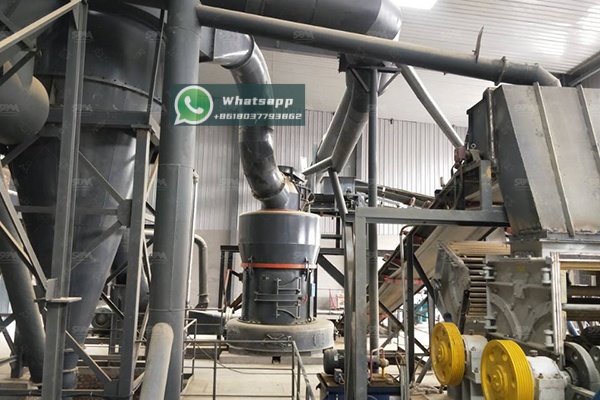
If the LM130K is selected, the vertical mill also uses hot air as the conveying medium. This allows simultaneous drying and classification. Because the LM130K combines several functions, the overall system needs less floor area and fewer auxiliary machines. This is an important advantage for retrofitting existing plants in Myanmar where space may be limited.
To get the most from the marble grinding mill, the operator should monitor several key parameters. The feed moisture should be controlled, especially during the rainy season. An excessive moisture content may cause material accumulation in the mill inlet. The hardness of Myanmar marble varies by quarry, so the crusher gap and mill settings should be adjusted accordingly. Regular lubrication of the grinding rollers and bearings is essential to prolong the service life of the machine. Zenith’s mills are designed with many wear-resistant parts and a centralized lubrication system, reducing the burden on local maintenance teams.
Power fluctuations are common in some areas of Myanmar. Zenith can offer motor and control solutions that tolerate voltage variations to a certain extent. The company also provides a complete after-sales support program, including spare parts supply and technical guidance. Because Zenith has experience in various countries, its engineers can help local operators commission the line and train their staff.
A 10-20 tph marble grinding mill for desulfurization in Myanmar represents a significant capital investment, but the long-term operational savings can be substantial. High-efficiency mills consume less electricity per ton of powder. The use of local marble eliminates imported limestone or synthetic reagent costs. In addition, the gypsum produced by the FGD process can be sold to the local cement and construction industries, generating revenue and reducing waste. Therefore, selecting an energy-efficient and reliable mill is a key factor in the overall profitability of the project.
Myanmar’s growing industrial sector demands high-quality flue gas desulfurization solutions. Marble is an abundant and chemically suitable raw material, and the need for efficient marble grinding mills is clear. For projects requiring 10-20 tph, Zenith’s MTW175G Trapezium Grinding Mill and LM130K Vertical Grinding Mill provide proven and effective solutions. Both models deliver the required capacity, fineness, and reliability. Shanghai Zenith Machinery Co., Ltd. offers complete mill systems and technical support, making it a strong partner for mining and industrial companies in Myanmar. To choose the best options, project owners should evaluate feed size, moisture, plant layout, and desired fineness. In most cases, the MTW175G and LM130K are the most economical and dependable choices.