Afghanistan has long been recognized for its mineral wealth, and marble is one of its most valuable industrial minerals. High-quality white, beige, grey, and veined marble deposits in provinces such as Herat, Nangarhar, Helmand, and Badakhshan offer strong potential for local processing and export. Instead of exporting only blocks, Afghan producers can add value by grinding marble into fine powder for industrial applications. One of the most promising markets is rubber filler. Rubber manufacturers use ground marble, also known as ground calcium carbonate, as a functional filler in tires, hoses, belts, footwear, seals, and molded rubber goods. When ground to 325 mesh, marble powder can improve stiffness, dimensional stability, surface finish, and cost efficiency while reducing the amount of expensive polymer required.
In the rubber industry, 325 mesh is a common specification for fine mineral fillers. A 325 mesh screen has openings of approximately 45 microns, so a product described as 325 mesh usually means that most particles pass through a 45-micron sieve. For rubber compounds, this fineness supports good dispersion, smooth extrusion, and consistent vulcanization. Coarse particles can create surface defects, stress concentration points, and poor mechanical performance. Ultra-fine particles, on the other hand, may increase viscosity or require more coupling agents. Therefore, 325 mesh often represents a practical balance between performance and processing cost. In many rubber formulations, marble filler at 325 mesh is used at loadings from 10 percent to 50 percent or more, depending on the rubber type and final application.
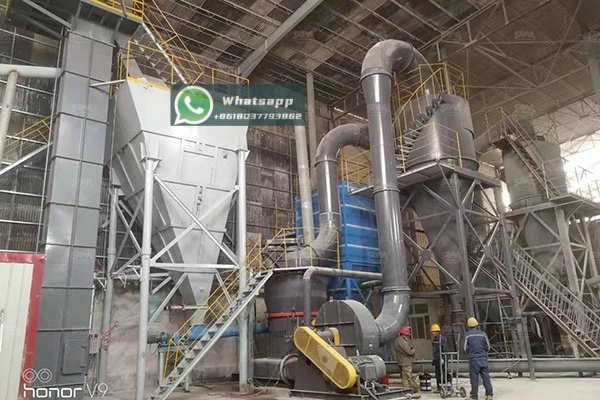
Producing a saleable 325 mesh marble filler requires more than simply grinding stone. Rubber buyers typically evaluate chemical purity, whiteness, moisture, oil absorption, particle size distribution, and foreign matter. High calcium carbonate content is preferred, often above 97 percent. Low silica, iron oxide, and heavy metal content help avoid interference with rubber curing and color. Moisture should be controlled, usually below 0.5 percent, because water can cause porosity and poor dispersion. The top cut is critical: a 325 mesh product should have a controlled residue on a 45-micron sieve, often less than 1 percent or even lower for premium grades. A tight particle size distribution improves batch-to-batch consistency, which is essential for tire and technical rubber producers.
A typical marble filler plant in Afghanistan can be designed as a dry grinding line. The process starts with selective quarrying and sorting to remove visible impurities. The raw marble is then crushed, stored, and fed to a grinding mill. After grinding, the powder passes through an air classifier to separate the 325 mesh fraction. Fine powder is collected in a pulse dust collector, stored in a silo, and packed into 25 kg bags, jumbo bags, or bulk trucks. Optional surface treatment with stearic acid or silane can be added downstream to improve compatibility with rubber. Because Afghanistan has limited infrastructure in some regions, a compact, robust, and energy-efficient grinding system is especially important.
Marble feed material may arrive as blocks, lumps, or chips. Jaw crushers and hammer mills reduce the material to a suitable feed size for the grinder. Pre-crushing improves grinding efficiency and reduces wear on the mill. For a 325 mesh rubber filler line, the feed size is usually controlled to below 30 mm or 40 mm, depending on the selected mill. Dust suppression and enclosed conveying should be used from the beginning to maintain a clean workplace and protect product purity.
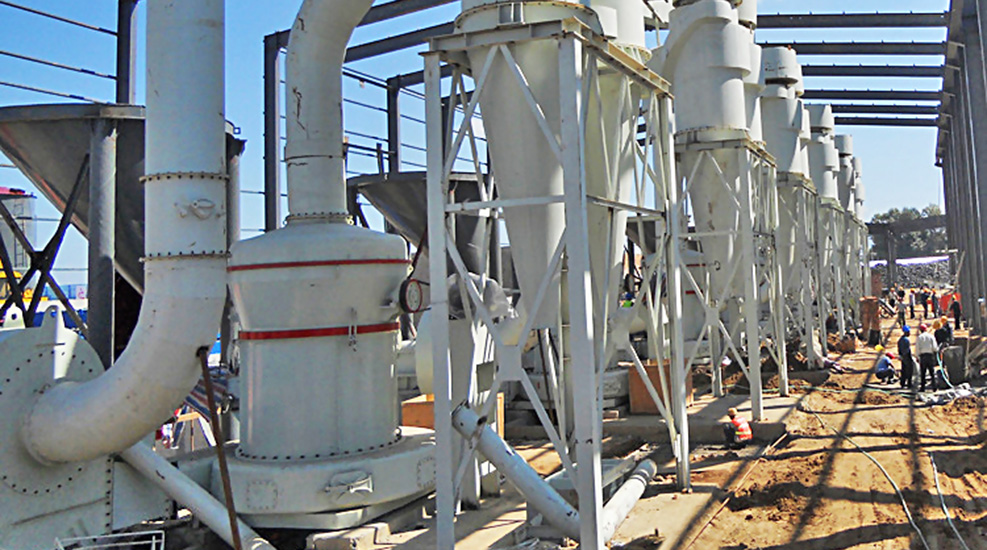
The grinding stage determines capacity, fineness, and energy consumption. For 325 mesh marble filler, the mill must combine stable output with precise classification. An integrated or external air classifier returns oversized particles to the grinding chamber while allowing only the target fine powder to pass. This closed-loop system ensures a consistent top cut and avoids over-grinding. Shanghai Zenith offers several mills suitable for this duty, including the MTW Trapezium Grinding Mill, XZM Ultrafine Grinding Mill, LM Vertical Grinding Mill, MTM Medium-Speed Grinding Mill, and Raymond Mill. The final choice depends on required capacity, investment level, product quality, and local operating conditions.
Marble dust is a valuable product, not waste. Efficient dust collection protects the environment, reduces product loss, and supports a safe working environment. Pulse-jet bag filters are commonly used after the mill and classifier. The collected powder is then transported by screw conveyor or pneumatic system to storage silos. Packaging can be automated for 25 kg valve bags, 500 kg or 1000 kg jumbo bags, or bulk tankers. For rubber filler applications, contamination control is critical, so all contact surfaces should be properly designed and maintained.
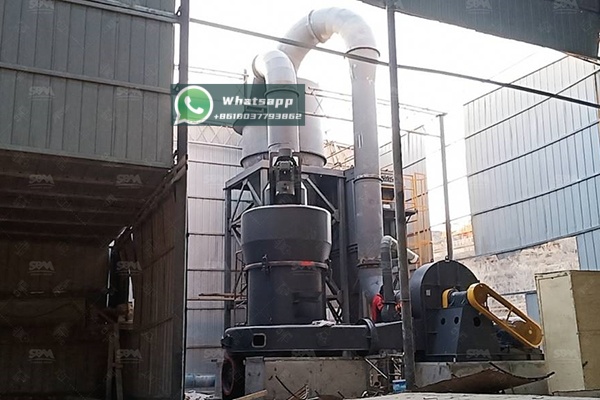
Afghanistan presents specific challenges and opportunities for mineral processing. Power supply can be unstable in some areas, transport distances are long, and spare parts availability is important. A successful grinding plant must therefore be reliable, simple to operate, and supported by a manufacturer with global experience. The ideal mill for 325 mesh marble filler should provide:
For most Afghan projects, a modular solution is attractive. Producers can start with one grinding line and expand later. A plant designed around a proven mill platform reduces technical risk and helps secure financing. Shanghai Zenith has extensive experience in ultra-fine powder grinding and can configure a complete system from feeding to packing.
Shanghai Zenith Machinery Co., Ltd. is an excellent manufacturer of ore grinding equipment in China and has made great achievements in the field of ultra-fine powder grinding. For marble rubber filler at 325 mesh, two product families are especially suitable: the MTW Trapezium Grinding Mill for economical medium-to-high capacity production, and the XZM Ultrafine Grinding Mill for precision superfine powder. Both can be integrated with classifiers, dust collectors, and packaging equipment to create a complete turnkey plant.
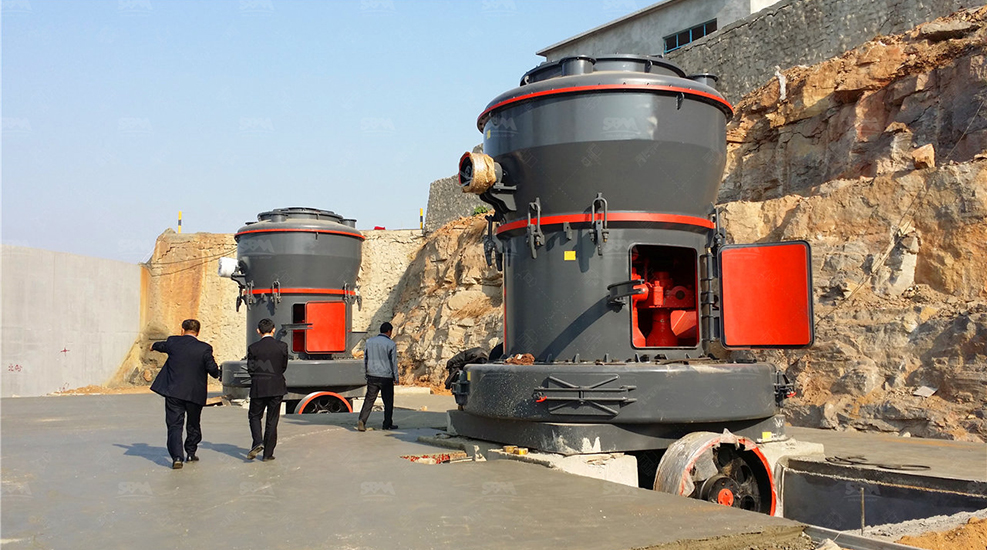
The MTW Trapezium Grinding Mill is a grinding mill with multiple patents. It is known for its compact structure, long service life, and eco-friendly design. It is suitable for processing materials with a maximum input size of 50 mm and can produce a final product as fine as 0.038 mm. Since 0.045 mm is approximately 325 mesh, the MTW mill is an excellent choice for marble rubber filler when the target is 325 mesh or slightly finer. Its bevel gear transmission, internal lubrication system, and curved grinding chamber help improve efficiency and reduce downtime. The overhanging structure and adjustable classifier make fineness control convenient. For Afghan marble processors, the MTW mill offers a strong balance between capacity, product quality, and capital cost.
| Model | Max. Feed Size (mm) | Final size (mm) | Capacity (t/h) | Main motor (kW) | Fan motor (kW) |
|---|---|---|---|---|---|
| MTW110 | <30 | 1.6-0.045 | 3-9 | 55 | 55 |
| MTW110Z | <30 | 1.6-0.045 | 3-10 | 55 | 55 |
| MTW138Z | <35 | 1.6-0.045 | 6-17 | 90 | 110 |
| MTW175G | <40 | 1.6-0.045 | 9.5-25 | 160 | 200 |
| MTW215G | <50 | 1.6-0.045 | 15-45 | 280 | 315 |
For a medium-scale rubber filler plant in Afghanistan, the MTW138Z or MTW175G can be an excellent starting point. The MTW138Z offers 6-17 t/h, while the MTW175G provides 9.5-25 t/h. If a larger operation is planned near a major marble deposit, the MTW215G can reach 15-45 t/h and support regional supply. The final selection should be made after testing the specific marble hardness, moisture, and abrasiveness.
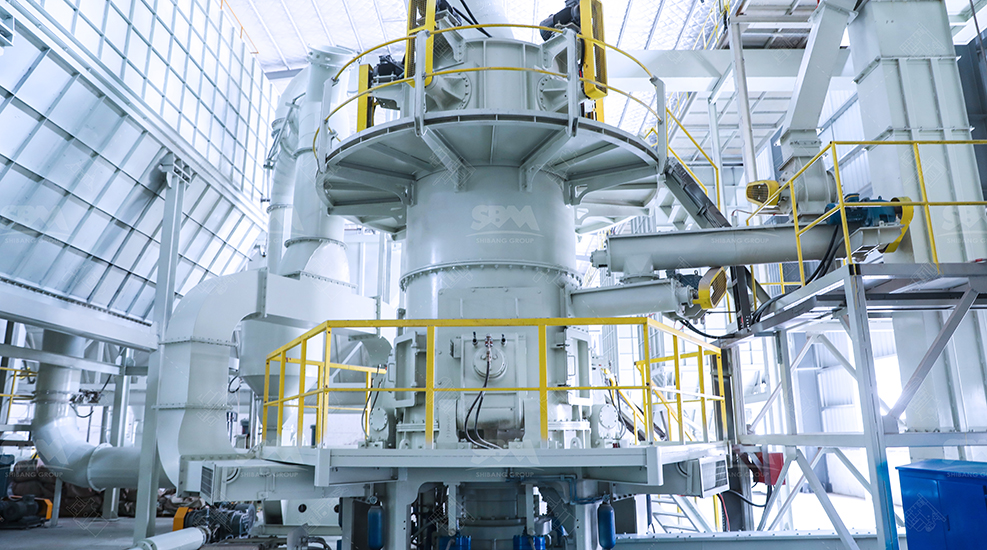
The XZM Ultrafine Grinding Mill is widely used for superfine powder production. It is suitable for grinding soft or medium-hard materials with moisture content below 6 percent and can achieve an output fineness of 325-2500 mesh. For marble rubber filler, this mill provides precise control at the 325 mesh point and allows producers to diversify into higher-value products such as 800 mesh, 1250 mesh, or 2500 mesh fillers for specialty rubber, coatings, plastics, and sealants. The XZM mill uses an efficient air classifier and a closed-loop grinding system to produce a narrow particle size distribution. Its intelligent control and reliable design make it suitable for continuous operation.
| Model | Working diameter (mm) | Max feed size (mm) | Final size (mesh) | Output (kg/h) | Main motor power (kW) |
|---|---|---|---|---|---|
| XZM221 | Φ800 | ≤20 | 325-2500 | 500-4500 | 75 |
| XZM268 | Φ1680 | ≤20 | 325-2500 | 5000-25000 | 315 |
The XZM221 is ideal for pilot production or small-to-medium capacity, with output from 500 to 4500 kg/h. The XZM268 is a larger solution for industrial-scale production, with output from 5000 to 25000 kg/h. When the market requires a premium 325 mesh rubber filler with a very low top cut, the XZM series is a strong recommendation. It also gives Afghan producers flexibility to move into finer grades as customer demand develops.
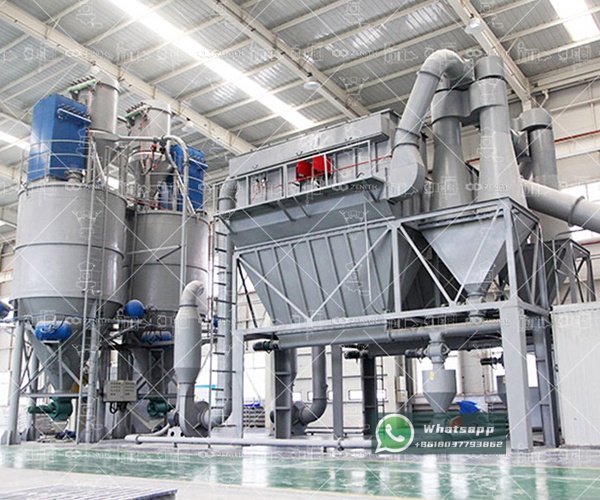
A grinding mill alone does not make a marketable product. Shanghai Zenith can supply a complete marble grinding plant including jaw crusher, hammer mill, bucket elevator, electromagnetic vibrating feeder, belt conveyor, grinding mill, air classifier, cyclone collector, pulse dust collector, screw conveyor, storage silo, and packing machine. For rubber filler, the plant may also include a surface modification system with a heated mixer and dosing unit for stearic acid or other coupling agents. This allows the producer to offer coated marble filler with better dispersion in rubber compounds. The entire line can be designed for automatic operation, with centralized control and fault alarms. In Afghanistan, where technical labor may be limited, simple operation and remote support are valuable features.
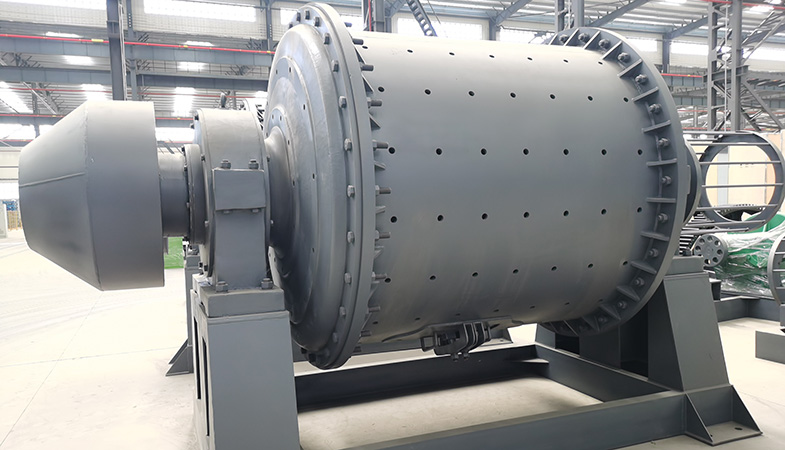
Shanghai Zenith Machinery Co., Ltd. is specialized in the research, development, and production of industrial powder grinding equipment and other related devices. The main products include MTW Trapezium Grinding Mill, Ball Mill, MTM Medium-Speed Grinding Mill, Raymond Mill, LM Vertical Grinding Mill, LUM Ultrafine Vertical Mill, XZM Ultrafine Grinding Mill, and Hammer Mill. The company has made great achievements in ultra-fine powder grinding, with equipment installed in many countries and regions. For Afghan marble projects, Zenith can provide material testing, process design, equipment manufacturing, shipping coordination, installation guidance, and operator training. The company’s focus on energy efficiency, dust control, and wear-resistant design aligns well with the needs of modern rubber filler production.
Choosing the right equipment is a long-term decision. A mill that is undersized will limit growth, while an oversized plant may tie up capital. Zenith engineers can help balance capacity, fineness, and budget. They can also recommend the most suitable model based on the client’s marble samples and target specifications. Whether the goal is 5 t/h of 325 mesh filler for local rubber factories or 25 t/h for export, there is a Zenith solution to match.
Afghanistan has the raw material, and the rubber industry has the demand. The missing link is efficient processing. By installing a professional marble grinding plant, Afghan producers can convert abundant marble resources into 325 mesh rubber filler and capture more value locally. The MTW Trapezium Grinding Mill and XZM Ultrafine Grinding Mill from Shanghai Zenith offer two proven routes: MTW for economical, reliable 325 mesh production and XZM for precision superfine powder with future product flexibility. With proper process design, quality control, and dust management, Afghanistan can become a competitive supplier of marble filler to regional and international rubber markets.
To move forward, producers should collect representative marble samples, define target capacity and particle size distribution, and request a technical proposal. Shanghai Zenith Machinery Co., Ltd. is ready to support this journey with advanced grinding technology and complete plant solutions.