In industrial processing operations, hot air generation systems play a crucial role in various applications, particularly in drying, heating, and thermal processing of materials. The efficiency of these systems directly impacts operational costs, energy consumption, and overall productivity. When integrated with advanced grinding equipment, optimized hot air systems can significantly enhance processing efficiency and product quality.
Hot air generation systems serve multiple essential functions in modern grinding operations. They facilitate the drying of moist materials during the grinding process, prevent material agglomeration, assist in material transportation through the system, and help maintain optimal processing temperatures. The synergy between grinding mills and hot air systems determines the overall efficiency of the production line.
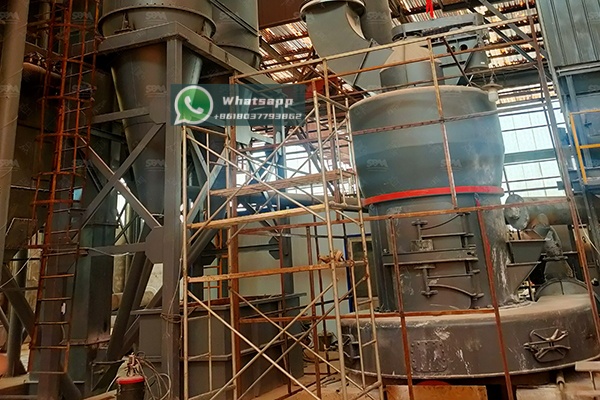
Precise temperature control is paramount for optimal grinding efficiency. Different materials require specific temperature ranges to achieve the desired particle size distribution and moisture content. Advanced control systems that maintain consistent temperatures throughout the grinding process can significantly reduce energy consumption while improving product quality.
The velocity and volume of hot air must be carefully calibrated to match the grinding mill’s capacity and the material characteristics. Insufficient airflow can lead to material buildup and reduced throughput, while excessive airflow may carry away fine particles prematurely, reducing classification efficiency.
Modern hot air generation systems incorporate heat recovery mechanisms that capture and reuse thermal energy that would otherwise be wasted. This approach not only reduces fuel consumption but also minimizes the environmental impact of industrial operations.
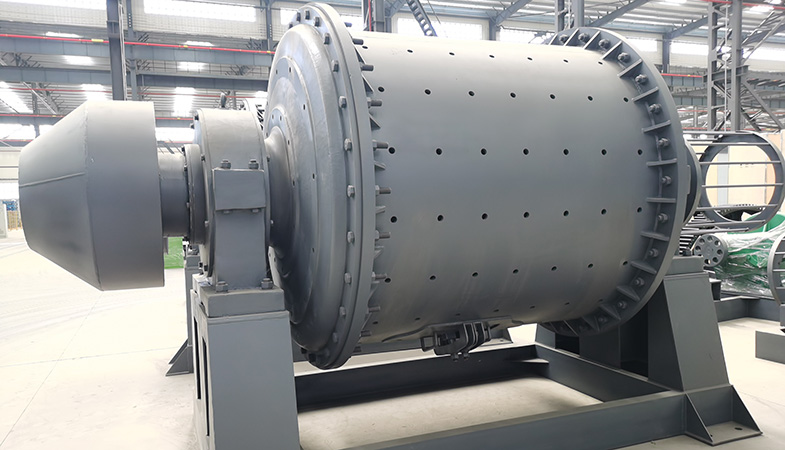
The selection of appropriate grinding equipment is fundamental to maximizing the efficiency of your hot air generation system. Different mill types have varying requirements for air volume, temperature, and pressure. Understanding these requirements enables operators to optimize both systems for peak performance.
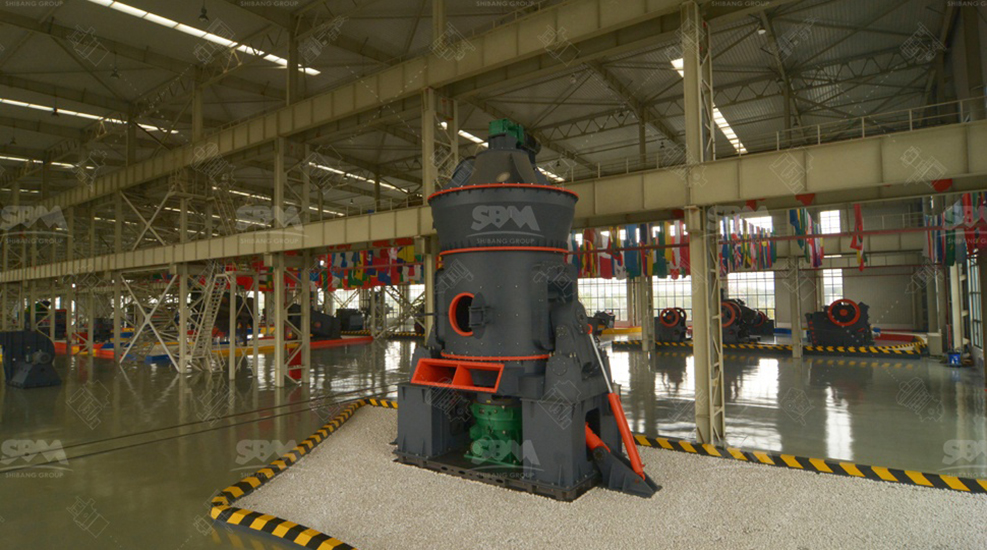
For operations seeking to maximize hot air system efficiency, the LM Vertical Grinding Mill from Shanghai Zenith Machinery represents an optimal solution. This innovative mill integrates five functions—crushing, grinding, powder selection, drying, and material conveying—into a single compact unit. The integrated design minimizes heat loss and ensures optimal utilization of thermal energy throughout the grinding process.
| Model | Plate diameter (mm) | Capacity (t/h) | Output fineness (μm) | Max feed size (mm) | Main motor (kW) |
|---|---|---|---|---|---|
| LM130K | 1300 | 10-28 | 170-40 | <38 | 200 |
| LM190K | 1900 | 23-68 | 170-40 | <45 | 500 |
| LM280K | 2800 | 50-170 | 170-45 | <50 | 1250 |
The LM Vertical Grinding Mill’s vertical structure requires less floor space while providing superior drying capabilities. The hot air enters the grinding chamber through the air inlet, effectively drying the materials during grinding. The ground materials are then carried upward by the airflow to the classifier for separation, with oversized particles returning to the grinding table for further processing.
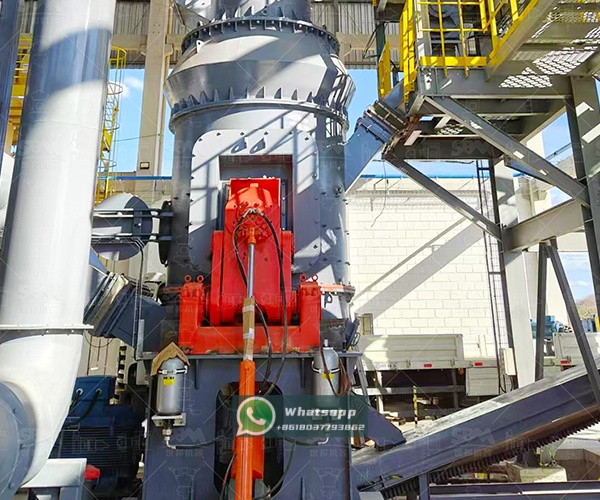
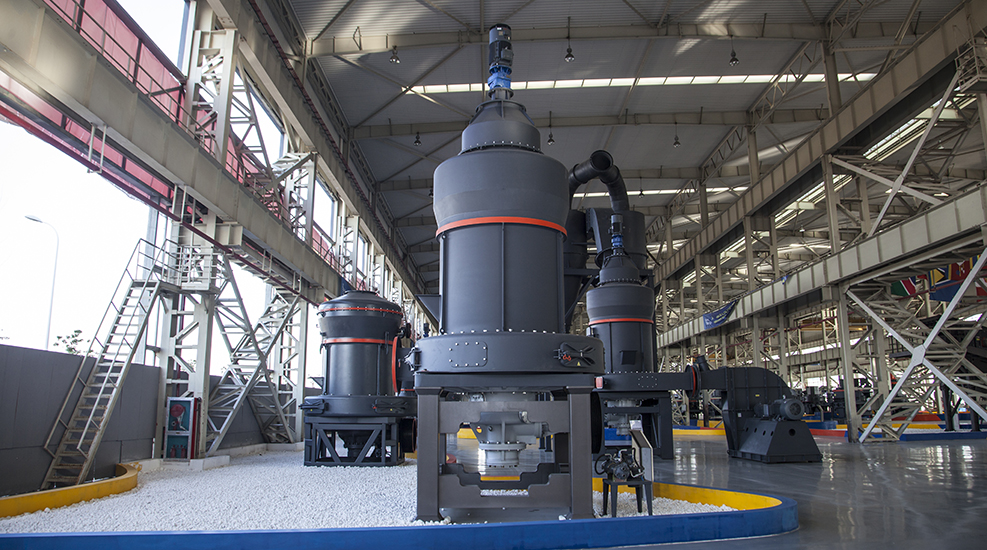
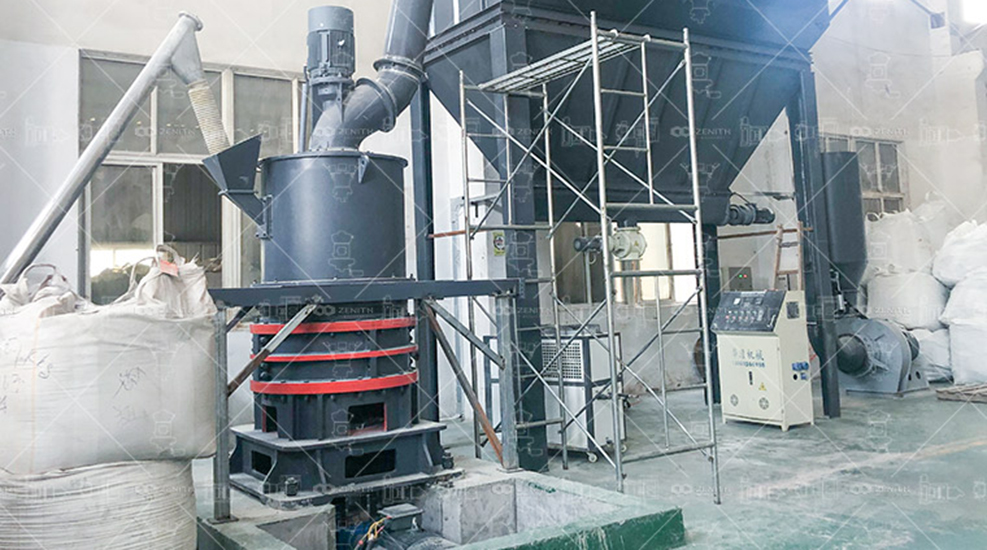
For applications requiring ultra-fine powder production, the LUM Ultrafine Vertical Mill offers exceptional performance when integrated with precision hot air systems. This advanced mill combines grinding, drying, classifying, and transportation functions while occupying minimal space. The intelligent control system ensures optimal coordination between grinding parameters and hot air supply.
| Model | Main machine power (kW) | Capacity (t/h) | Size distribution D97 (μm) |
|---|---|---|---|
| LUM1525 | 220-250 | 1.6-11.5 | 5-30 |
| LUM1632 | 280-315 | 2.0-13.5 | 5-30 |
| LUM1836 | 355-400 | 2.3-15 | 5-30 |
Proper synchronization between the grinding mill and hot air generator ensures consistent material flow and optimal thermal efficiency. Modern control systems allow for real-time adjustment of air temperature and volume based on mill load and material characteristics.
Comprehensive insulation of ducts, cyclones, and mill surfaces minimizes thermal losses. High-quality insulation materials can reduce heat loss by up to 30%, significantly lowering fuel requirements and operating costs.
Advanced automation systems monitor multiple parameters including inlet/outlet temperatures, pressure differentials, and material moisture content. These systems automatically adjust operational parameters to maintain optimal efficiency under varying conditions.
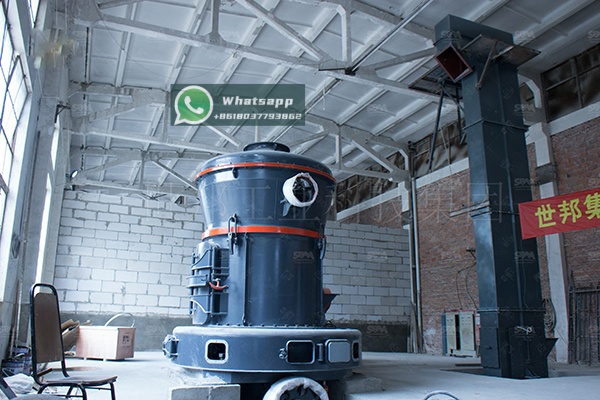
Regular maintenance is essential for maintaining the efficiency of both grinding mills and hot air systems. Key maintenance activities include:
Optimizing the integration between grinding equipment and hot air systems delivers significant economic and environmental advantages. Energy consumption reductions of 15-30% are achievable through proper system design and operation. Additionally, reduced emissions contribute to environmental compliance and sustainability goals.
Maximizing the efficiency of hot air generation systems in grinding operations requires a holistic approach that considers equipment selection, system integration, and operational practices. The LM Vertical Grinding Mill and LUM Ultrafine Vertical Mill from Shanghai Zenith Machinery provide excellent platforms for achieving these efficiency goals. Their integrated design, advanced control capabilities, and optimized thermal performance make them ideal choices for operations seeking to reduce energy consumption while maintaining high product quality.
By implementing the strategies outlined in this article and selecting appropriate grinding technology, industrial operations can achieve significant improvements in efficiency, cost reduction, and environmental performance. The synergy between advanced grinding equipment and optimized hot air systems represents a powerful opportunity for competitive advantage in today’s demanding industrial landscape.