Thailand’s foundry and casting industry has been steadily growing, driven by automotive, machinery, and metal fabrication sectors. In modern casting processes, the quality of molding sand directly influences the surface finish, dimensional accuracy, and overall integrity of the final cast product. Among various sand additives, perlite has emerged as a lightweight, thermally stable, and cost-effective material for producing high-performance casting sand. However, raw perlite must be precisely ground to a specific particle size distribution to function optimally as a mold or core material. This article discusses the technical requirements for grinding perlite for casting sand in Thailand, with a production capacity of 1 to 3 tons per hour (tph), and recommends a reliable grinding solution from Shanghai Zenith Machinery Co., Ltd.
Perlite is a volcanic glass that, when heated rapidly, expands into a lightweight, porous material with excellent insulating and refractory properties. In the foundry industry, expanded perlite is crushed and classified to create fine granules that are blended with traditional silica sand, clay, and binders. The addition of perlite improves the permeability, collapsibility, and thermal shock resistance of the mold, reducing defects such as veining, scabbing, and metal penetration. Furthermore, perlite-based casting sand reduces the overall weight of the mold, leading to easier handling and lower production costs. For Thai foundries, where heat and humidity can affect sand performance, perlite offers a stable alternative that enhances process reliability.
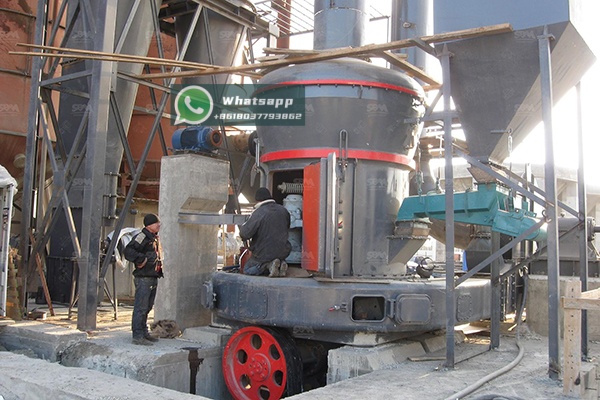
To achieve the desired particle size for molding sand, raw perlite (typically with a moisture content below 6%) must be ground into a fine powder with a final product fineness ranging from 0.1 mm to 0.5 mm (approximately 30 to 150 mesh). The grinding process must be carefully controlled to avoid over-pulverization, as excessive fines can reduce permeability. At the same time, the mill must handle perlite’s abrasive nature while maintaining consistent output. For a Thai foundry requiring 1 to 3 tph of finished perlite sand, the ideal grinding equipment should offer:
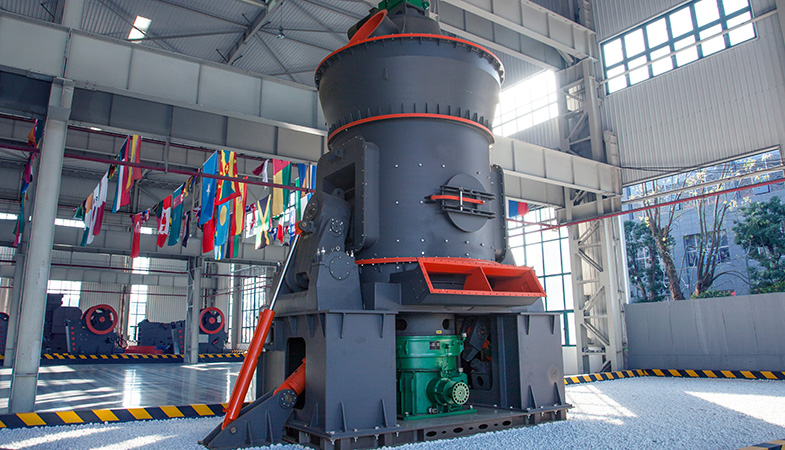
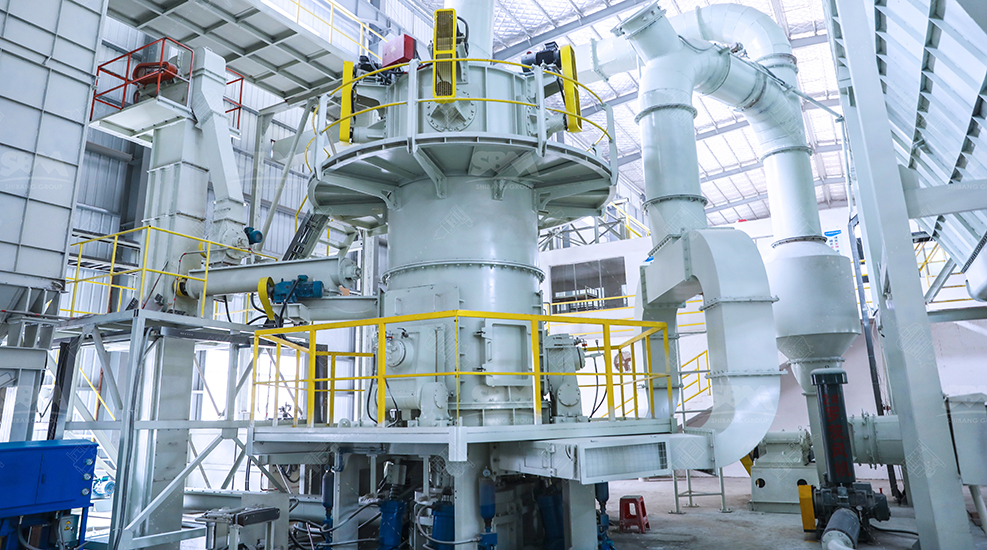
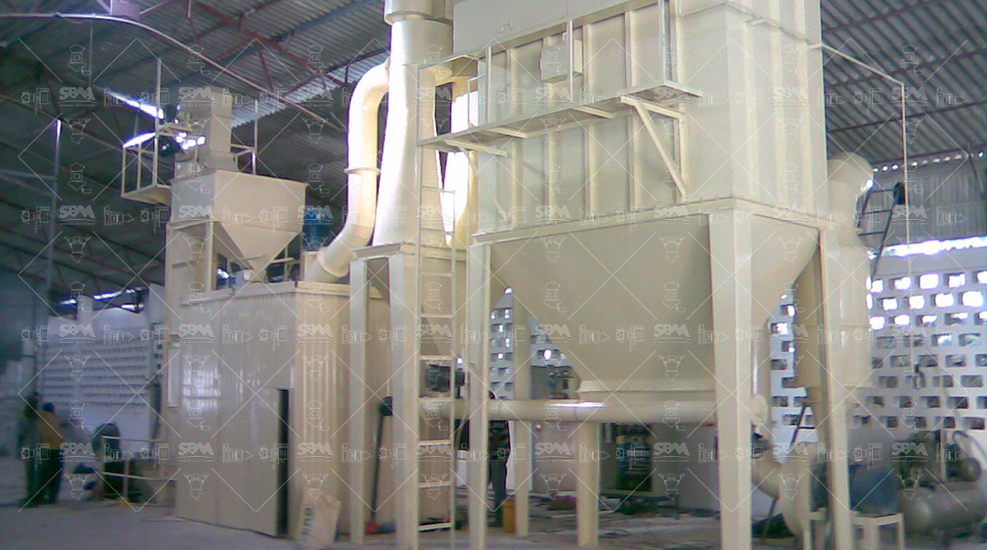
Shanghai Zenith Machinery Co., Ltd., a leading Chinese manufacturer of ore grinding equipment, offers a comprehensive range of mills suitable for perlite processing. Based on the target capacity and fineness, the Raymond Mill series stands out as the most cost-effective and proven solution. Among them, the YGM8314 Raymond Mill is specifically capable of delivering 1.2 to 4.6 tph with a final product size adjustable from 1.6 mm down to 0.045 mm. Its compact footprint, low energy consumption, and easy operation make it an excellent choice for medium-sized Thai foundries. Below is the technical parameter table for this model:
| Parameter | Value |
|---|---|
| Model | YGM8314 |
| Roller Quantity (pcs) | 3 |
| Max. Feed Size (mm) | < 20 |
| Discharging Size (mm) | 1.6 – 0.045 |
| Capacity (t/h) | 1.2 – 4.6 |
| Main Motor Power (kW) | 22 |
| Fan Motor Power (kW) | 30 |
| Overall Dimensions (L×W×H, m) | 6.1×3.5×6.8 |
| Weight (t) | 4.5 |
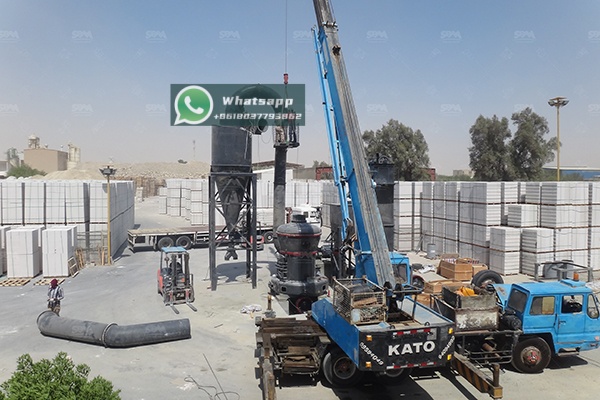
For foundries that anticipate future capacity expansion or require higher throughput, the YGM9517 Raymond Mill can also be considered. It delivers 2.1 to 8 tph, covering the 1–3 tph range comfortably while offering extra headroom. However, for the precise 1–3 tph requirement, the YGM8314 provides the best balance between investment cost and operational efficiency.
Shanghai Zenith Machinery has over 30 years of experience in powder grinding technology. The Raymond Mill series incorporates multiple patented innovations such as a high-efficiency classifier, wear-resistant grinding rollers and rings, and a centralized lubrication system. For perlite processing, these features translate into:
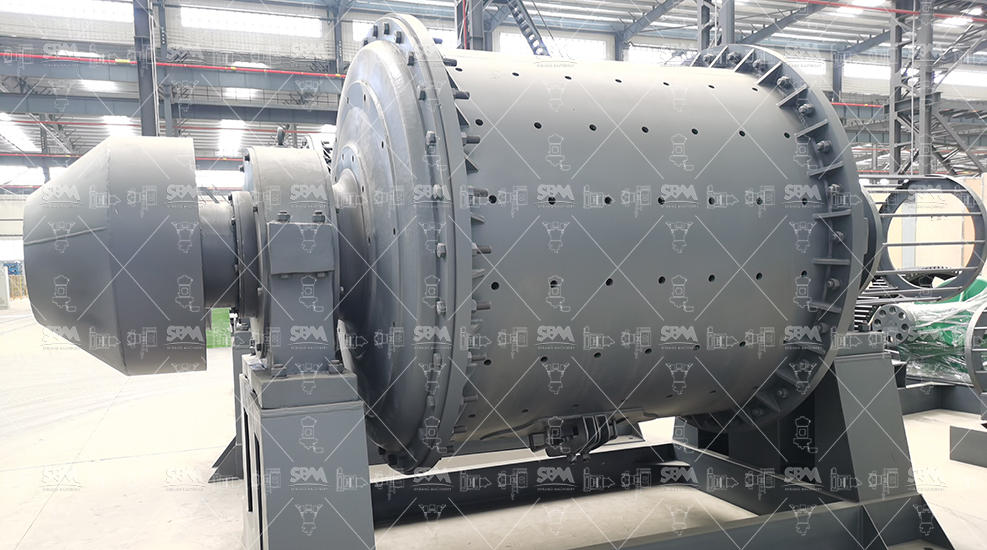
While the Raymond Mill is the recommended solution, Zenith also offers the MTW110 Trapezium Mill (capacity 3–9 t/h) for higher throughput projects, and the Ball Mill Φ900×1800 (0.65–2 t/h) for very fine grinding. However, for the specific 1–3 tph perlite casting sand application, the YGM8314 Raymond Mill remains the most suitable due to its precise capacity window and lower capital expenditure. All equipment is CE and ISO certified, and Zenith provides installation, commissioning, and training services through its regional partners in Thailand.
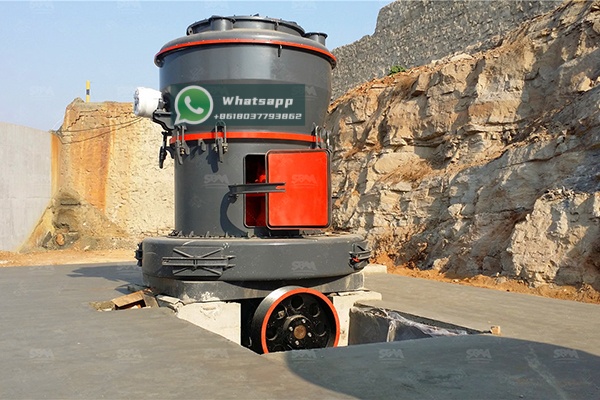
Thailand’s casting industry can significantly benefit from incorporating perlite into molding sand formulations. Selecting the right grinding mill is essential to produce consistent, high-quality perlite powder at the desired throughput. Shanghai Zenith Machinery’s YGM8314 Raymond Mill offers a proven, economical, and reliable solution for the 1–3 tph range. With its robust design, low energy consumption, and adaptability to local maintenance conditions, it is the ideal partner for Thai foundries looking to enhance their casting sand quality and reduce overall production costs. For more detailed technical consultation or a customized solution, please contact Zenith’s Bangkok representative office.