Perlite, a naturally occurring volcanic glass rock, has gained significant traction in the construction industry worldwide due to its unique properties such as lightweight, thermal insulation, fire resistance, and sound absorption. When expanded by heating, perlite becomes a versatile lightweight aggregate. However, for many advanced applications in construction materials like plaster, mortar, lightweight concrete, and composite boards, raw or expanded perlite often requires further grinding to achieve a consistent and fine powder, typically around 150 mesh (approximately 100 microns). Turkey, with its abundant perlite reserves and a booming construction sector, presents a prime market for high-performance grinding solutions. The demand for finely ground perlite powder as a functional additive in construction aggregates is steadily rising, driving the need for efficient, reliable, and precise grinding mill technology.
Finely ground perlite powder, especially at 150 mesh, acts as a micro-filler and performance enhancer in construction materials. It improves the workability, reduces density, enhances thermal efficiency, and increases the durability of the final product. In Turkey’s diverse climate, from the coastal regions to the interior highlands, building materials that offer energy efficiency are highly prized, making perlite an ideal component.
Turkey is one of the world’s leading producers and exporters of perlite ore. Major deposits are found in regions like İzmir, Balıkesir, and Kütahya. The local construction industry’s push towards sustainable and energy-efficient building practices has accelerated the adoption of perlite-based products. Processing this ore into a consistent 150-mesh powder for aggregate use requires advanced milling equipment capable of handling the material’s specific characteristics while ensuring high output and low operational costs.
Understanding the material properties is crucial for selecting the right grinding mill. Raw perlite is an amorphous aluminosilicate with a Mohs hardness typically between 5.5 and 7. It is brittle and contains 2-5% combined water, which can influence the grinding process. When targeting a fineness of 150 mesh, the grinding equipment must effectively reduce particle size without generating excessive heat that might prematurely expand the perlite or cause moisture-related issues.
A fineness of 150 mesh (about 100 microns) strikes an optimal balance for construction aggregate applications. It provides a large surface area for better binding in cementitious matrices while maintaining the lightweight and insulating properties. Particles of this size integrate seamlessly into mixes, preventing segregation and improving the homogeneity and strength of the final construction product.
Grinding perlite to a consistent 150 mesh presents specific challenges that must be addressed by the milling technology:
Perlite’s hardness can lead to wear on grinding components. Therefore, mills constructed with wear-resistant materials are essential for longevity and maintaining product purity.
Turkish processing plants often require high throughput to meet market demand. The grinding system must offer high capacity with low specific energy consumption to ensure economic viability. Furthermore, the system should be adaptable to varying feed sizes and moisture content.
Dry grinding of perlite can generate dust. Modern mills must incorporate efficient dust collection systems to ensure a clean working environment and comply with Turkish and international environmental regulations.
Shanghai Zenith Machinery Co., Ltd., an excellent manufacturer of ore grinding equipment with great achievements in ultra-fine powder grinding, offers a range of industrial powder grinding devices ideally suited for the Turkish perlite processing industry. For the specific task of producing 150-mesh perlite powder for construction aggregate, two models stand out due to their efficiency, reliability, and precise control over final product fineness.
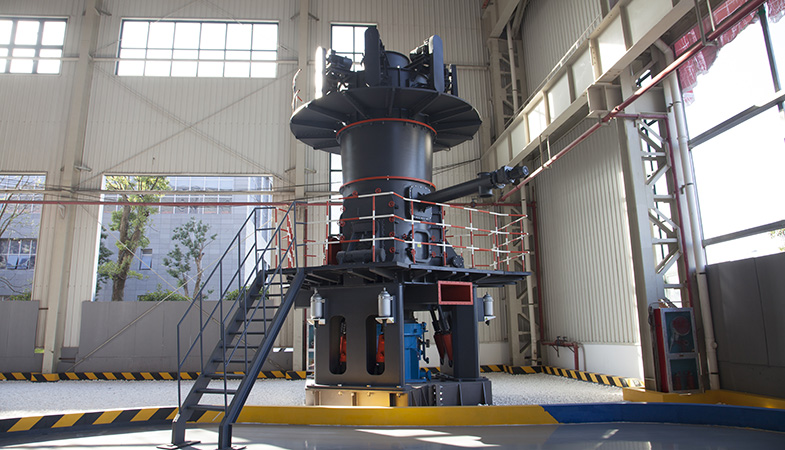
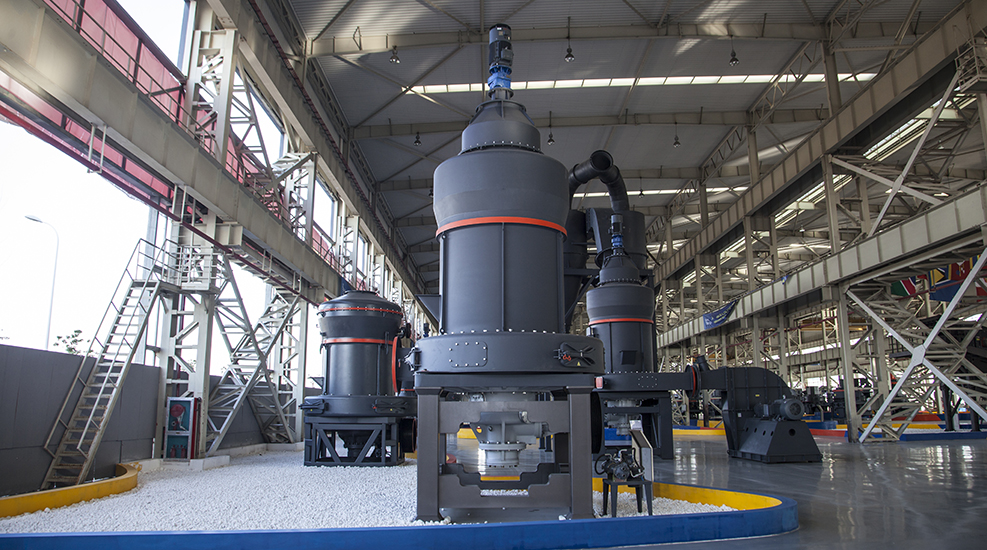
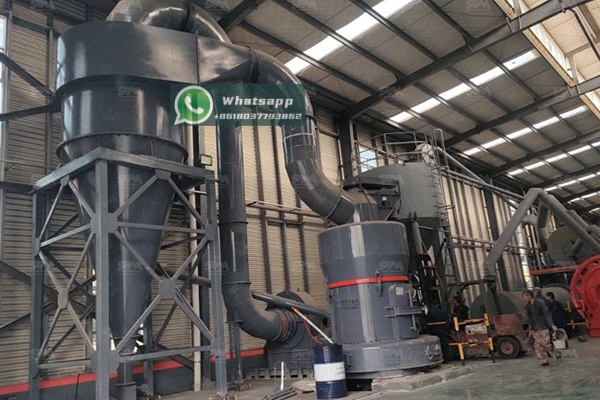
The MTW Trapezium Grinding Mill is a premier choice for processing perlite to 150 mesh. With multiple patents, it features a compact structure, long service life, and an eco-friendly design. Its grinding mechanism ensures high efficiency and low energy consumption, making it perfect for high-capacity production lines in Turkey. The final product size is adjustable within a wide range, easily covering the 150-mesh target. Below are the key technical parameters for the MTW series:
| Model | Max. Feed Size (mm) | Final Size (mm) | Capacity (t/h) | Main Motor (kW) | Fan Motor (kW) |
|---|---|---|---|---|---|
| MTW110 | <30 | 1.6-0.045 | 3-9 | 55 | 55 |
| MTW110Z | <30 | 1.6-0.045 | 3-10 | 55 | 55 |
| MTW138Z | <35 | 1.6-0.045 | 6-17 | 90 | 110 |
| MTW175G | <40 | 1.6-0.045 | 9.5-25 | 160 | 200 |
| MTW215G | <50 | 1.6-0.045 | 15-45 | 280 | 315 |
For a typical Turkish perlite plant aiming for 150-mesh output (≈0.1mm), models like MTW138Z or MTW175G offer an excellent balance of capacity and energy efficiency. The curved air duct and internal powder separator ensure uniform particle size distribution and minimal oversize particles.
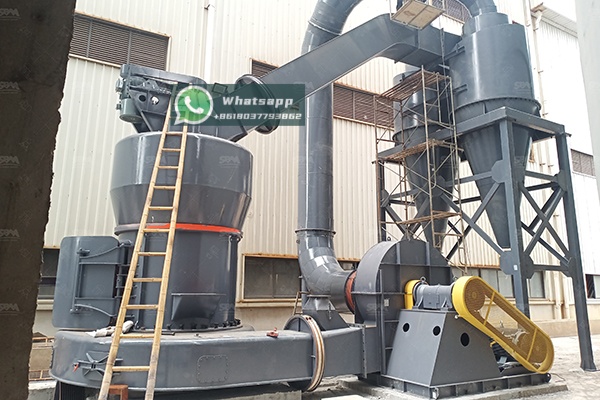
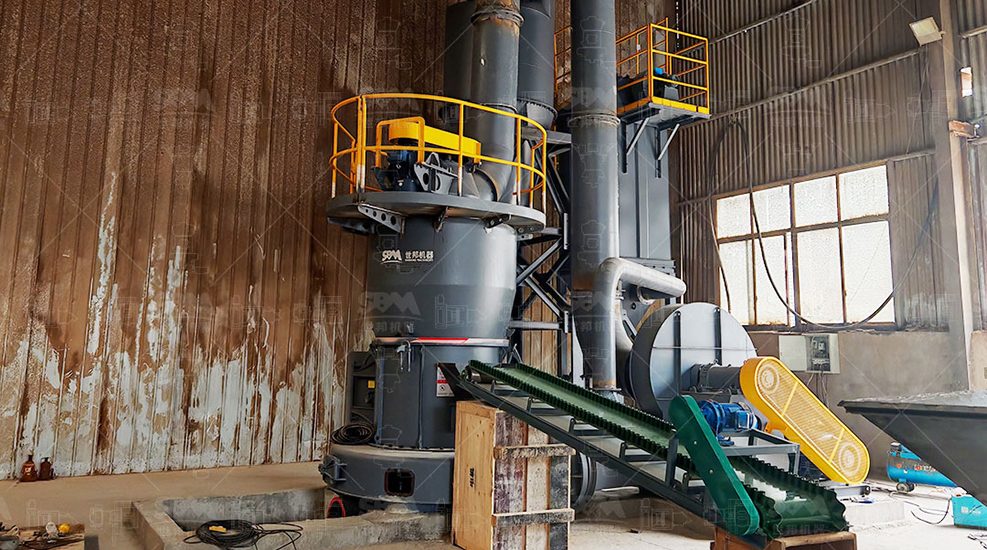
For operations that may require flexibility to produce even finer perlite powders beyond 150 mesh for specialized applications, the XZM Ultrafine Grinding Mill is highly recommended. It is specifically designed for superfine powder production and can handle materials with moisture content below 6%. Its advanced classification system allows precise control over the final fineness, making it easy to achieve and maintain the 150-mesh target consistently.
| Model | Working Diameter (mm) | Max Feed Size (mm) | Final Size (mesh) | Output (kg/h) | Main Motor Power (kW) |
|---|---|---|---|---|---|
| XZM221 | Φ800 | ≤20 | 325-2500 | 500-4500 | 75 |
| XZM268 | Φ1680 | ≤20 | 325-2500 | 5000-25000 | 315 |
The XZM series is particularly suitable for plants looking to diversify their product range. For instance, the XZM221 model can be an ideal choice for mid-sized Turkish processors focusing on high-quality 150-mesh perlite powder with the option to venture into finer grades.
Consider a hypothetical but representative scenario of a perlite processing company in İzmir, Turkey. The company aimed to upgrade its grinding circuit to produce 8 tons per hour of 150-mesh perlite powder for local lightweight concrete manufacturers.
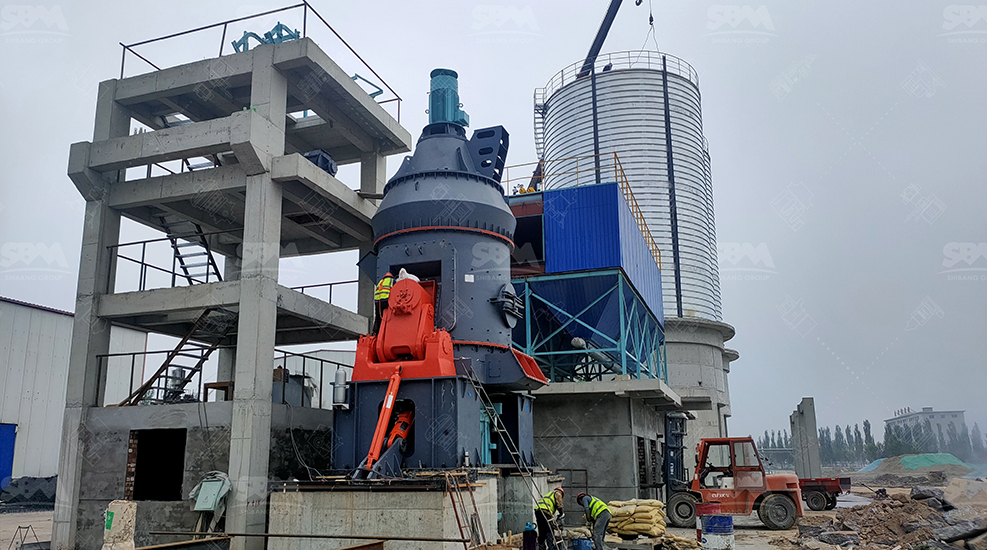
The primary challenges were achieving consistent fineness, managing dust, and keeping energy costs low. After a thorough analysis, Shanghai Zenith’s MTW175G Trapezium Grinding Mill was selected. Its capacity range of 9.5-25 t/h comfortably met the target with room for expansion. The mill’s integrated pulse dust collector addressed environmental concerns.
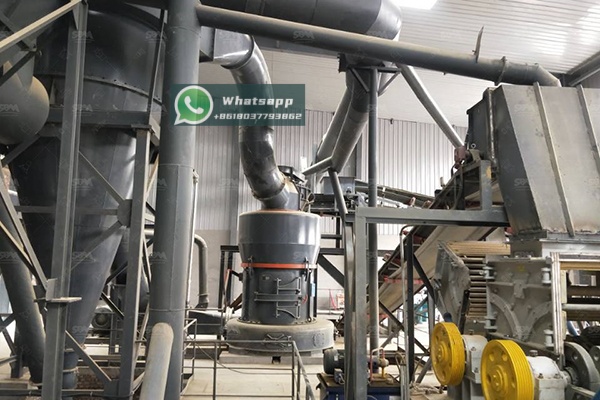
The system was configured with a feeder, MTW175G mill, classifier, cyclone collector, and piping. The mill’s adjustable speed classifier allowed precise control to achieve 150 mesh (D97). The plant reported a stable output of 9.8 t/h of perlite powder at exactly 150 mesh, with power consumption significantly lower than their previous setup. The product quality led to increased contracts with construction material suppliers.
The Turkish construction aggregate market’s demand for high-quality perlite powder at 150 mesh necessitates reliable and efficient grinding technology. Shanghai Zenith Machinery Co., Ltd., with its specialization in industrial powder grinding equipment, offers tailored solutions through its advanced product line. The MTW Trapezium Grinding Mill stands out as the workhorse for this specific application, delivering high capacity, energy savings, and precise particle size control. For processors seeking added flexibility, the XZM Ultrafine Grinding Mill provides future-ready capabilities. By investing in Zenith’s robust grinding mills, Turkish perlite producers can enhance their product quality, boost productivity, and strengthen their position in both domestic and international construction markets.