The Syrian industrial sector has long recognized the intrinsic value of its abundant phosphate rock reserves. Beyond its traditional use in fertilizer production, finely ground phosphate rock presents a significant opportunity as a functional filler in the plastics industry. When processed to precise particle sizes, it can improve dimensional stability, increase hardness, enhance flame retardancy, and reduce raw material costs in various plastic products, from PVC pipes to packaging materials. For small to medium-scale operations targeting a production capacity of 1 to 3 tons per hour (TPH), selecting the right grinding technology is paramount. The equipment must deliver consistent fineness, operate reliably under local conditions, and offer an optimal balance between capital investment and operational efficiency. This article explores the technical considerations for such a project and presents tailored grinding solutions.
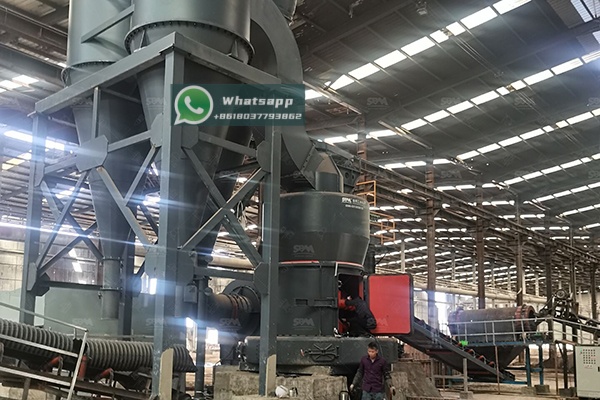
Grinding phosphate rock to the specifications required for plastic fillers (typically ranging from 200 to 800 mesh) involves several challenges. The material’s hardness (Mohs scale of ~5) and abrasiveness demand robust mill construction. Consistent fineness and a narrow particle size distribution are critical to ensure uniform dispersion and mechanical properties in the final plastic composite. Furthermore, the grinding process must be energy-efficient and controllable to manage operational costs effectively. For a 1-3 TPH production line, system compactness, ease of maintenance, and low dust emission are also vital factors for practical implementation in Syria.
As an excellent manufacturer of ore grinding equipment with significant achievements in ultra-fine powder technology, Shanghai Zenith Machinery Co., Ltd. specializes in providing integrated solutions. Our expertise in the research, development, and production of industrial powder grinding equipment allows us to recommend the most suitable machinery for specific applications like phosphate rock processing for plastic fillers. For a 1-3 TPH production target, we focus on mills that offer precision, reliability, and economic operation.
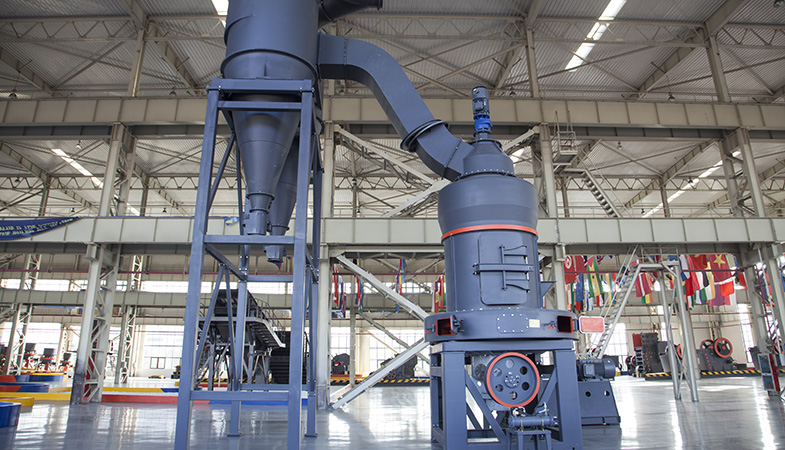
For a robust and efficient grinding solution, the MTW Trapezium Grinding Mill stands out. Its multiple-patent design features a curved air duct, internal powder selection system, and conical gear transmission, leading to higher efficiency, lower energy consumption, and a more environmentally friendly operation compared to traditional mills. It is perfectly suited for processing phosphate rock with a feed size below 30mm, producing a final product fineness adjustable between 1.6mm and 0.045mm (approx. 325 mesh). For a Syrian project requiring 1-3 TPH, the MTW110 model is an ideal match.
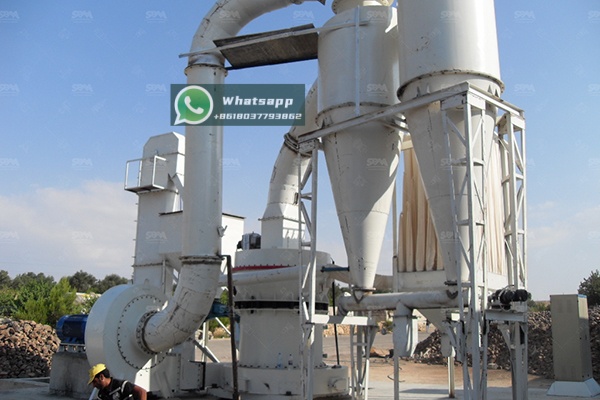
The table below outlines the key technical parameters of the recommended MTW110 model:
| Model | Max. Feed Size (mm) | Final Size (mm) | Capacity (t/h) | Main Motor (kW) |
|---|---|---|---|---|
| MTW110 | <30 | 1.6-0.045 | 3-9 | 55 |
With a capacity range starting at 3 TPH, it comfortably meets the production target with room for future expansion. Its advanced design ensures stable output of fine powder suitable for high-quality plastic filler.
For operations prioritizing the production of very fine or ultra-fine phosphate rock powder (up to 2500 mesh) for specialty plastic applications, the XZM Ultrafine Grinding Mill is the superior choice. This mill is specifically engineered for superfine powder production. It integrates grinding, classification, and conveying, and is particularly effective for medium-hard materials like phosphate rock. Its high-precision classifier ensures an exceptionally narrow particle size distribution, which is crucial for premium-grade fillers.
For the 1-3 TPH range, the XZM221 model offers an excellent balance of capability and size. Its parameters are as follows:
| Model | Max Feed Size (mm) | Final Size (mesh) | Output (kg/h) | Main Motor Power (kW) |
|---|---|---|---|---|
| XZM221 | ≤20 | 325-2500 | 500-4500 | 75 |
With an output range of 500 to 4500 kg/h (0.5 to 4.5 TPH), it perfectly aligns with the project requirement. The ability to precisely control fineness up to 2500 mesh provides exceptional flexibility for various high-value plastic formulations.
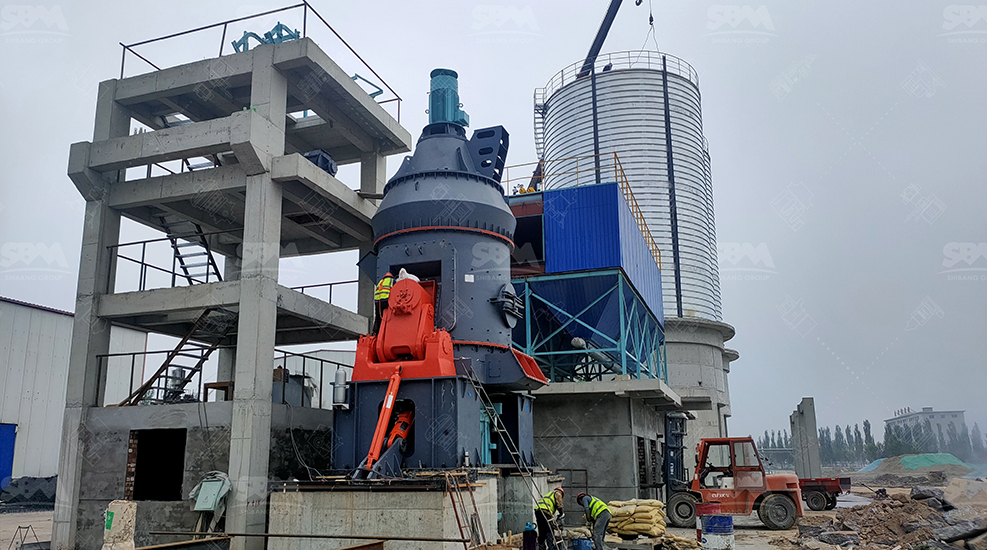
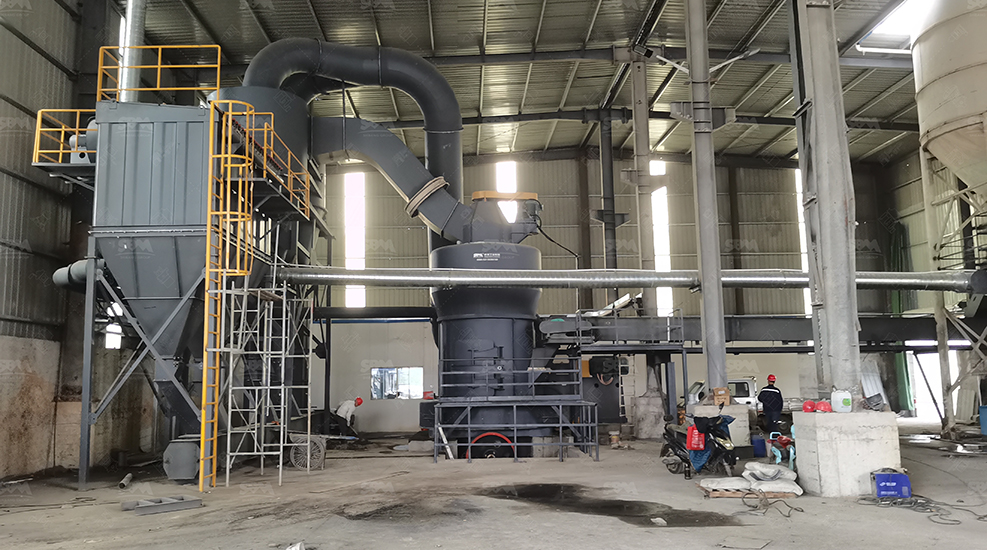
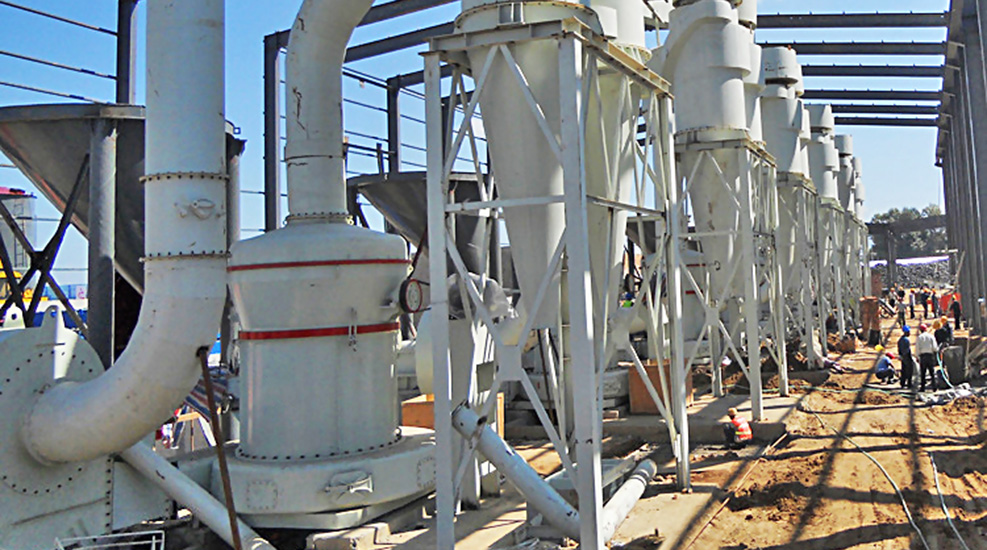
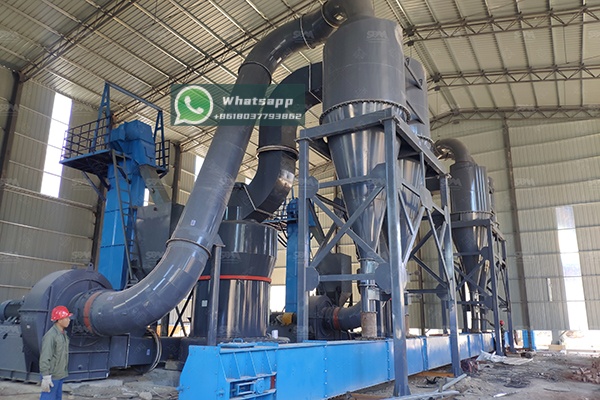
A complete grinding plant involves more than just the main mill. Shanghai Zenith can supply a fully integrated system including a jaw crusher for primary size reduction, a bucket elevator, a vibrating feeder, the grinding mill itself, a pulse dust collector (essential for clean production), and an electrical control cabinet. Our systems are designed for seamless operation and minimal environmental impact.
The key advantages of choosing a Shanghai Zenith solution for your Syrian phosphate rock filler project include:
Establishing a 1-3 TPH phosphate rock grinding line for plastic filler production represents a strategic and feasible value-addition project for Syria’s industrial landscape. It leverages domestic resources to support local manufacturing, reduce import dependence on fillers, and create economic opportunities. The technical path is clear and supported by mature, reliable equipment from experienced manufacturers.
Shanghai Zenith Machinery Co., Ltd., with its portfolio of high-performance grinding mills like the versatile MTW110 Trapezium Mill and the precision-focused XZM221 Ultrafine Mill, provides dependable and efficient solutions tailored to this exact capacity and application. By partnering with a knowledgeable equipment supplier, Syrian entrepreneurs can confidently navigate the technical complexities and build a successful venture in the growing market for mineral-based plastic fillers.