Quartz powder has become an essential functional filler in modern plastics manufacturing. In South Africa, a growing market for durable polymer goods has increased the need for reliable powder processing solutions. This article explains how to produce quartz filler for plastics at a capacity of 5 to 10 tons per hour, and presents equipment from Shanghai Zenith Machinery Co., Ltd. that is well suited to this duty.
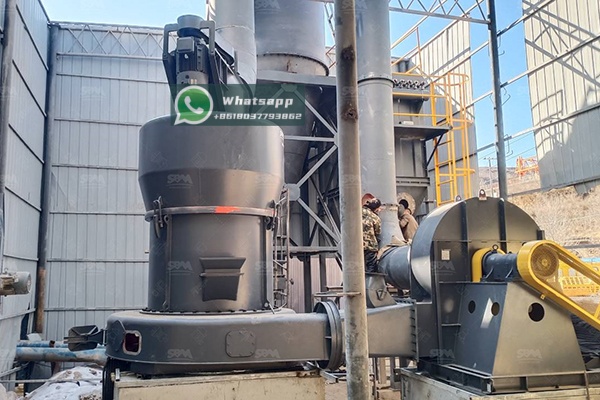
Quartz is valued in plastic compounding because of its hardness, thermal stability, chemical resistance, and electrical insulating properties. When finely ground, quartz powder can be added to polypropylene, polyethylene, PVC, and engineering plastics to improve abrasion resistance, dimensional stability, and surface hardness. It also lowers compound cost by replacing a portion of polymer resin. In applications such as electrical conduit, wire insulation, automotive panels, and flooring, quartz filler provides long-term structural integrity.
Unlike softer fillers such as talc or calcium carbonate, quartz is very abrasive. This means a grinding mill must be designed with heavy-duty materials, strong bearings, and wear-resistant grinding elements. The mill must also produce a narrow particle-size distribution to avoid creating oversized grains that reduce tensile strength or mar surface finish.
Plastic processors expect consistent filler quality. The main requirements include:
At 5–10 t/h, the grinding system must balance throughput with these quality targets. It must also be efficient enough to make the final powder profitable in the competitive plastics market.
South Africa is rich in industrial minerals, including quartz used for glass, foundry, and filler applications. Quartz deposits are found in many provinces, and the country has good infrastructure for bulk transport. The plastics sector is also mature. South African converters produce pipes, cables, automotive components, household goods, packaging, and construction materials. As local manufacturers seek to reduce import dependency, there is an opportunity to produce high-quality quartz filler locally with modern grinding equipment.
However, the operation must be efficient. Power reliability and energy costs are important considerations in South Africa. Mills with low specific power consumption, stable operation, and easy maintenance are therefore favored. A capable mill can turn raw quartz rock of 30-40 mm into fine powder in one integrated process.
Several technologies can be considered: ball mills, Raymond mills, trapezium mills, and vertical roller mills. For quartz hardness and plastic-filler fineness, the best choices are medium-speed ring-roller mills and vertical spindle mills.
Ball mills are versatile but consume significant energy and produce a wider particle-size distribution. Traditional Raymond mills have lower investment but often require more maintenance and have lower efficiency. Modern trapezium and vertical roller mills combine drying, grinding, and classifying in one unit. They are compact and produce a consistent product.
For a target of 5–10 t/h, Shanghai Zenith offers two excellent models.
Shanghai Zenith Machinery Co., Ltd. is an excellent manufacturer of ore grinding equipment in China. The company has made great achievements in the field of ultra-fine powder grinding. Zenith specializes in the research, development, and production of industrial powder grinding equipment. Its product range includes MTW Trapezium Grinding Mill, Ball Mill, MTM Medium-Speed Grinding Mill, Raymond Mill, LM Vertical Grinding Mill, LUM Ultrafine Vertical Mill, XZM Ultrafine Grinding Mill, and Hammer Mill. This broad portfolio enables Zenith to offer a tailored solution for any filler project.
For the specified capacity and quartz filler application, we recommend the MTW110Z Trapezium Grinding Mill and the LUM1632 Ultrafine Vertical Mill. Both are proven in industrial minerals and can be configured with a complete plant including crusher, feeder, bucket elevator, silo, bag filter, and control system.
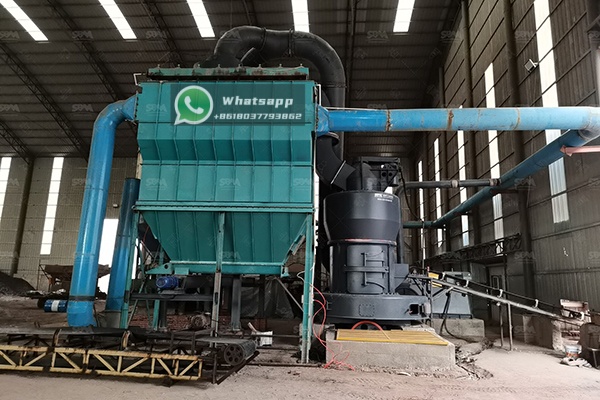
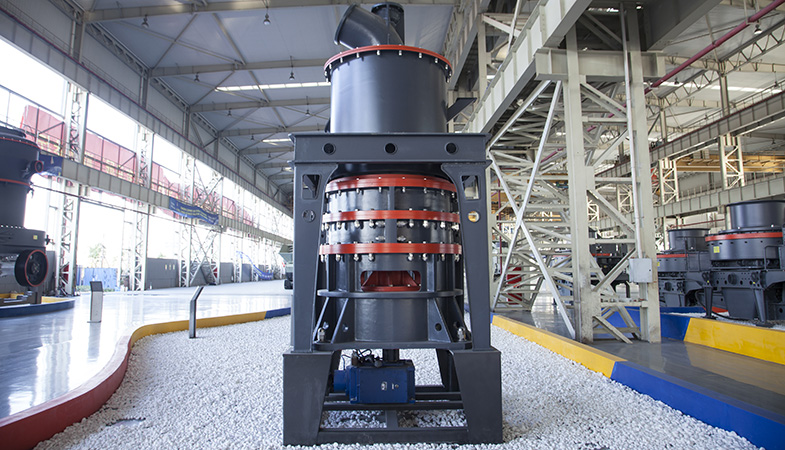
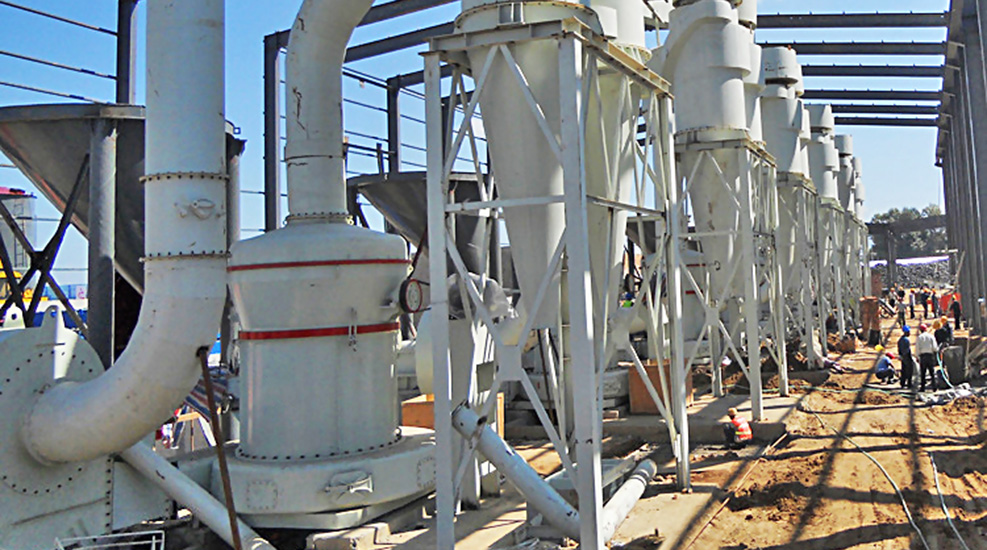
The MTW series is a flagship product of Zenith. It features multiple patented technologies, compact structure, long service life, and environmentally friendly operation. The MTW110Z model has a maximum feed size below 30 mm and can produce powder from 1.6 mm down to 0.045 mm. Its capacity range of 3–10 t/h is a direct match for 5–10 tph quartz filler production when the product target is around 325 mesh. The internal classifier ensures consistent fineness. Heavy-duty rollers and grinding rings are built to resist the abrasion of quartz.
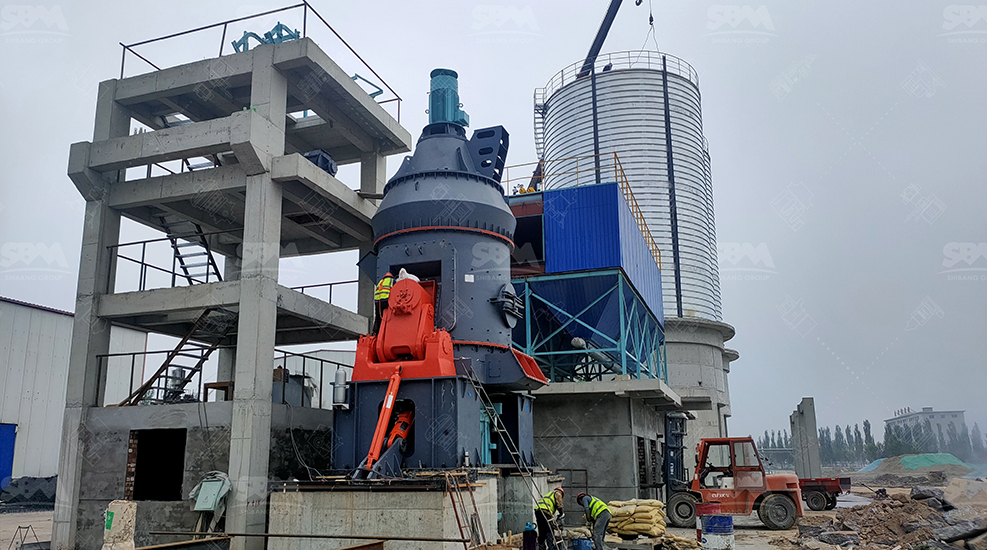
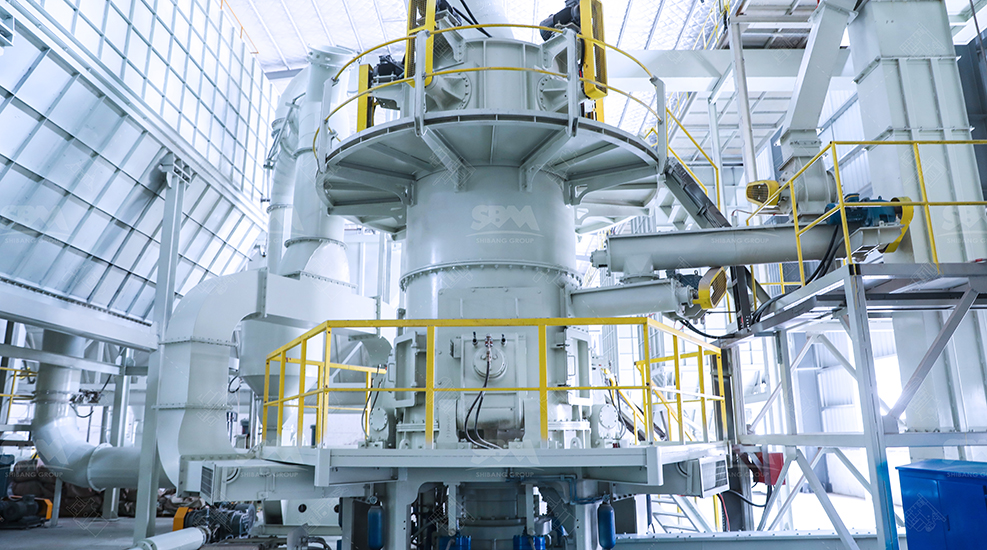
When the plastic filler application demands a finer grade, such as D97 of 5–30 microns, the LUM series is more suitable. The LUM1632 Ultrafine Vertical Mill integrates grinding, classification, drying, and conveying in a single machine. It has a small footprint and intelligent automatic control. With a main motor power of 280–315 kW, it delivers 2.0–13.5 t/h, which comfortably covers the 5–10 t/h requirement for ultra-fine filler. The use of a hydraulic system and a dynamic air classifier gives a steep particle-size distribution ideal for premium plastic masterbatch and engineering plastics.
The following table compares the two recommended mills. These parameters illustrate how a South African producer can reach 5–10 t/h at different fineness targets.
| Model | Final Fineness | Capacity | Main Motor Power | Recommended Application |
|---|---|---|---|---|
| MTW110Z Trapezium Grinding Mill | 1.6–0.045 mm | 3–10 t/h | 55 kW | Quartz filler around 325 mesh for general plastic products |
| LUM1632 Ultrafine Vertical Mill | D97 5–30 μm | 2–13.5 t/h | 280–315 kW | Ultra-fine quartz filler for masterbatch and engineering plastics |
For larger capacity demands, Zenith also offers the MTW138Z with 6–17 t/h, and the LUM1836 for up to 15 t/h. For even finer products, the XZM Ultrafine Mill can be considered, although its capacity is generally lower than 5 t/h for the finest grades.
A typical quartz filler plant with one of these mills consists of a primary crusher, a hopper with vibrating feeder, a bucket elevator, a storage silo, the main mill, a baghouse dust collector, a blower, and control panels. The crushed quartz is fed at a constant rate. The mill grinds and classifies the powder. Oversize particles return to the grinding zone, while fine powder is collected by the bag filter. The whole process is continuous and can be automated.
Because the mill is closed-loop and operates under negative pressure, dust emissions are minimized. This is important in South Africa where environmental regulations are becoming stricter. The compact design of vertical and trapezium mills also reduces civil works, installation time, and total plant area.
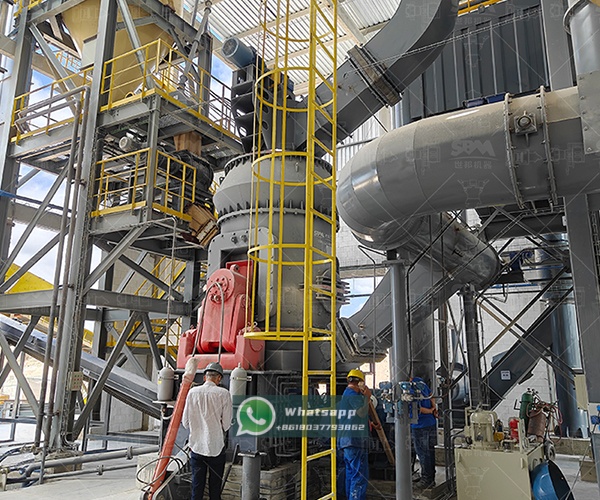
Using an advanced Zenith mill brings considerable benefits:
The market for quartz filler in South Africa is promising, and the production rate of 5–10 t/h can be achieved with the right equipment. For 325 mesh filler, the MTW110Z Trapezium Grinding Mill offers a precise, cost-effective answer. For ultra-fine filler used in high-end plastics, the LUM1632 Ultrafine Vertical Mill delivers superior performance. Both machines come from Shanghai Zenith Machinery Co., Ltd., a manufacturer with wide experience in ore grinding and powder processing. By choosing Zenith, a South African investor can build a project that is reliable, efficient, and ready to serve the growing plastics industry.